Handkäse vs Spundekäs
Handkäse is a washed-rind cheese. Spundekäs is a fresh cheese.
Both are used for a board and spreading.
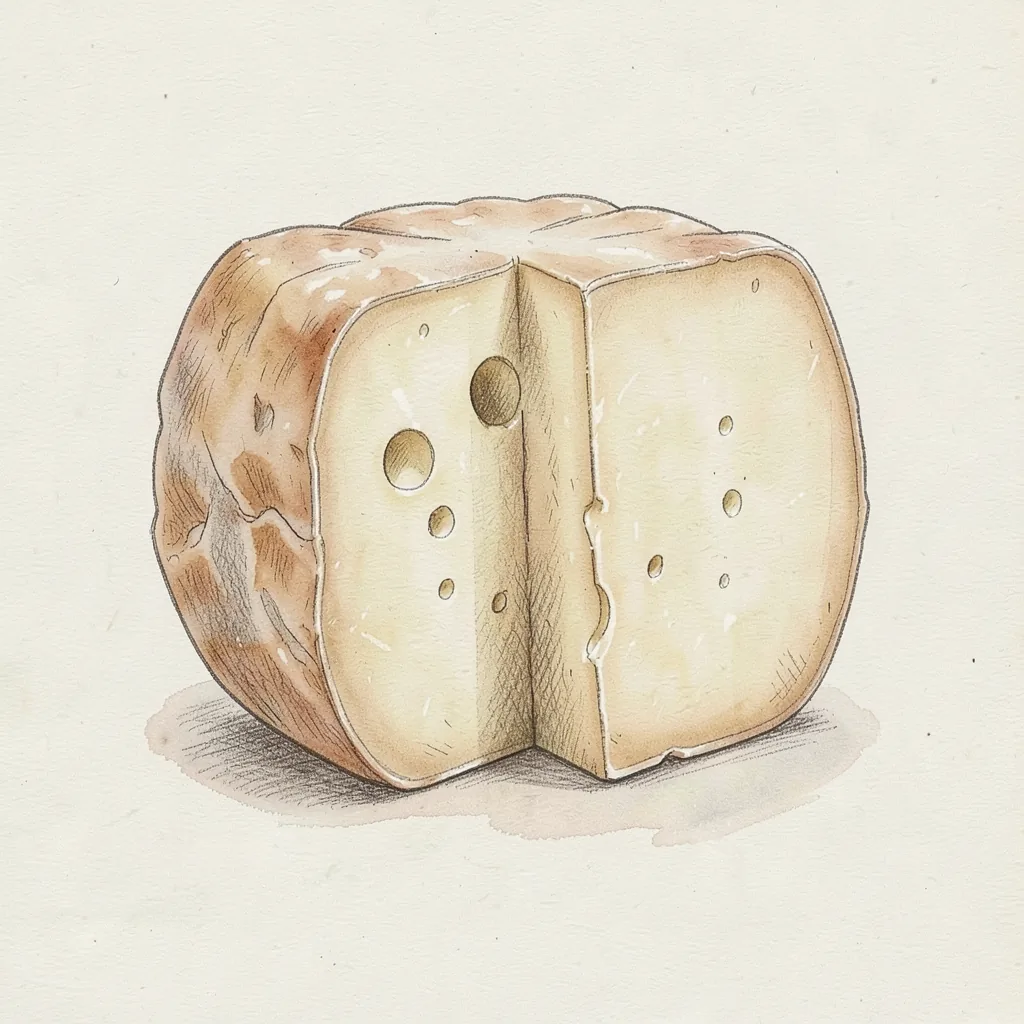
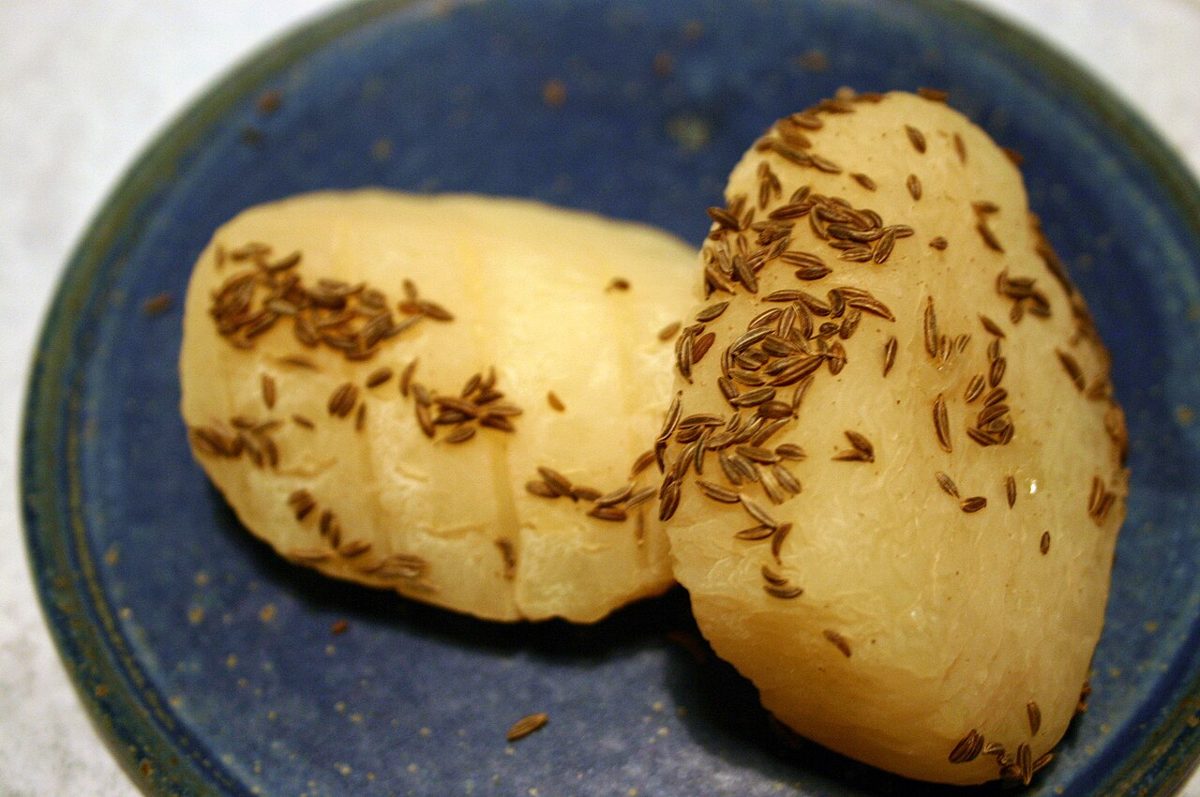
Handkäse
Facts
- Milk
- Cow
- Texture
- Soft
- Type
- Washed rind
- Rind
- Natural rind
- Country
- Germany
Handkäse is a small sour-milk cheese from Germany. The name means hand cheese, because makers shaped the little rounds or bars by hand. It starts from sour skim-milk curd, so the paste is lean, tangy, and free of a rich cream taste. A young piece is mild and fairly firm. A ripe piece smells much stronger, with a yellow surface and a soft, sharp center.
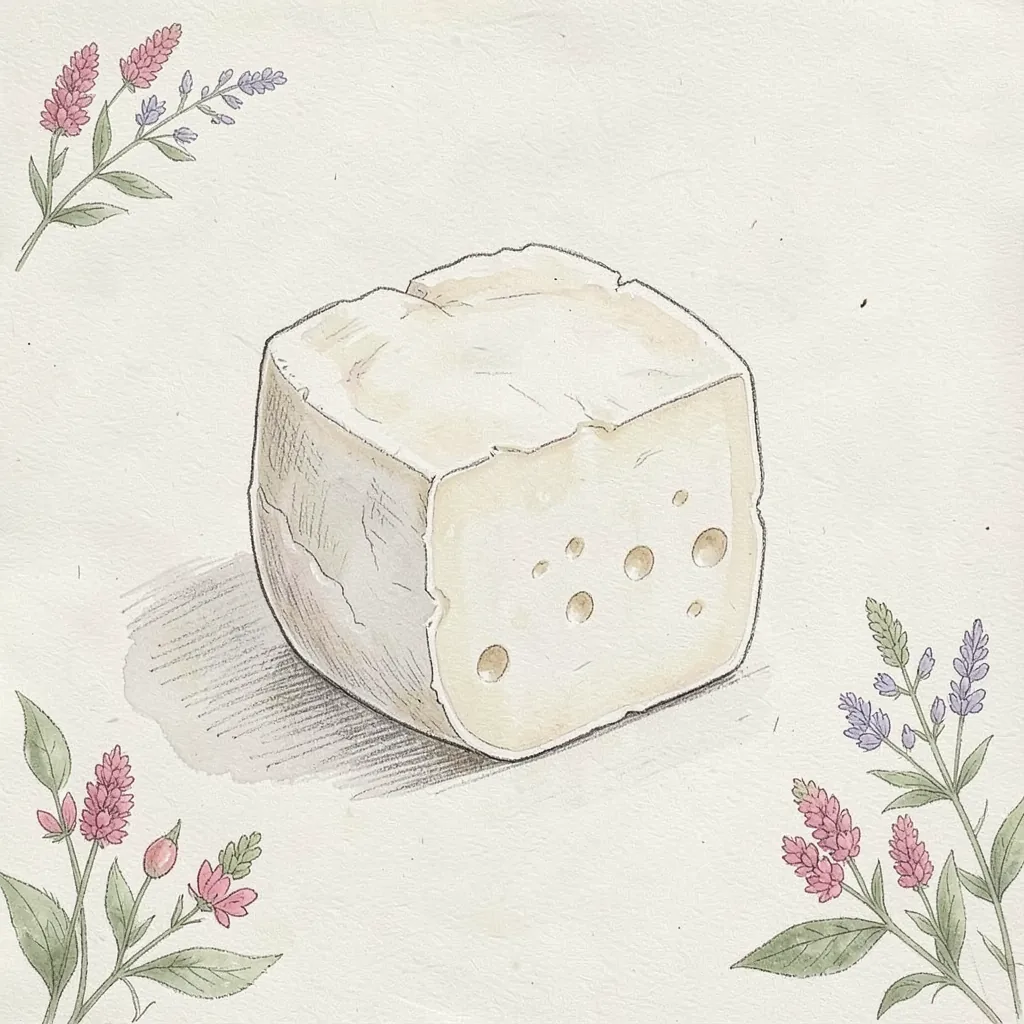

Spundekäs
Facts
- Milk
- Cow
- Texture
- Fresh
- Type
- Fresh
- Rind
- No rind
- Country
- Germany
Spundekäs is a fresh cheese specialty from Germany, tied to the wine country of Rhenish Hesse along the Rhine. It is not an aged wheel with a rind. Cooks stir fresh cheese and quark into a soft cream, tint it with paprika, and season it with salt, pepper, and often onion. The mound was traditionally shaped like the bung, or spund, that closed a wine barrel, and that shape gave the dish its name. Wine taverns serve it as a spread with bread and pretzels.