Cow
What it is
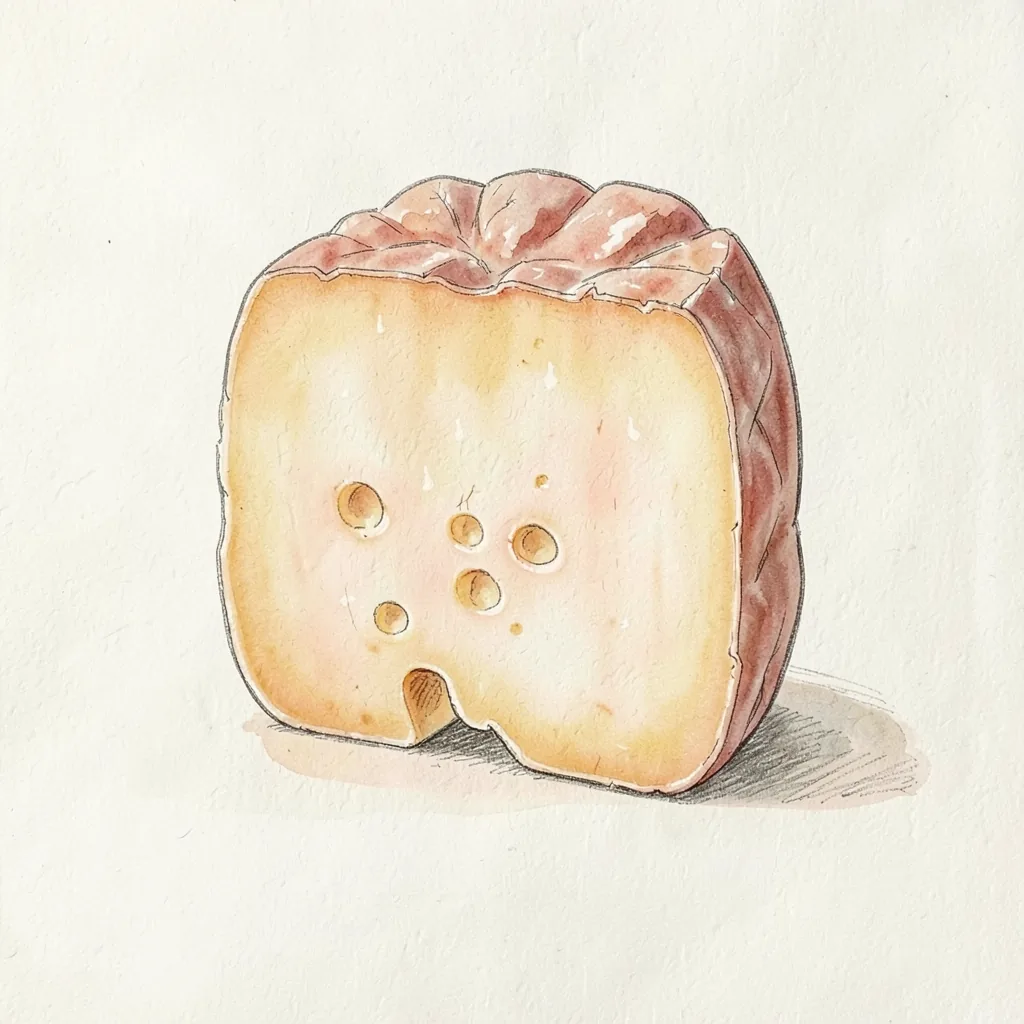
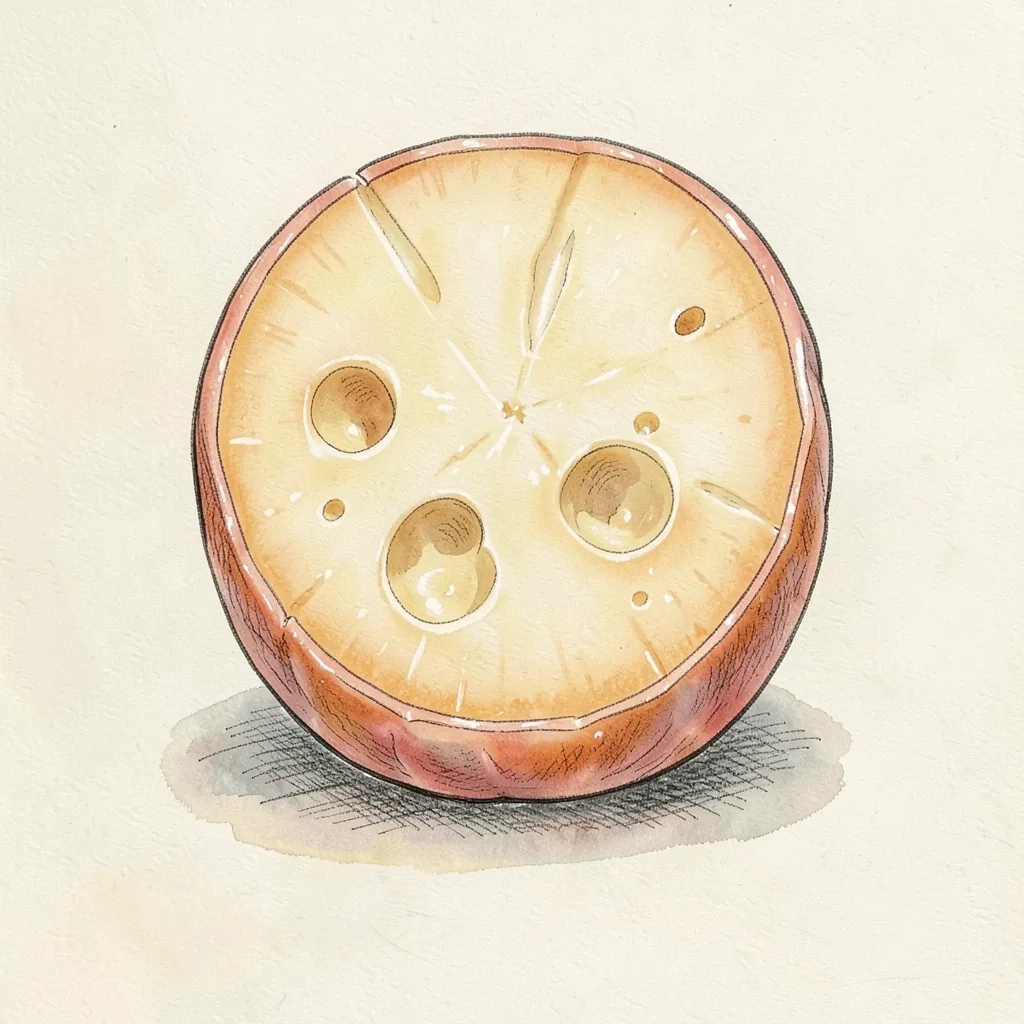
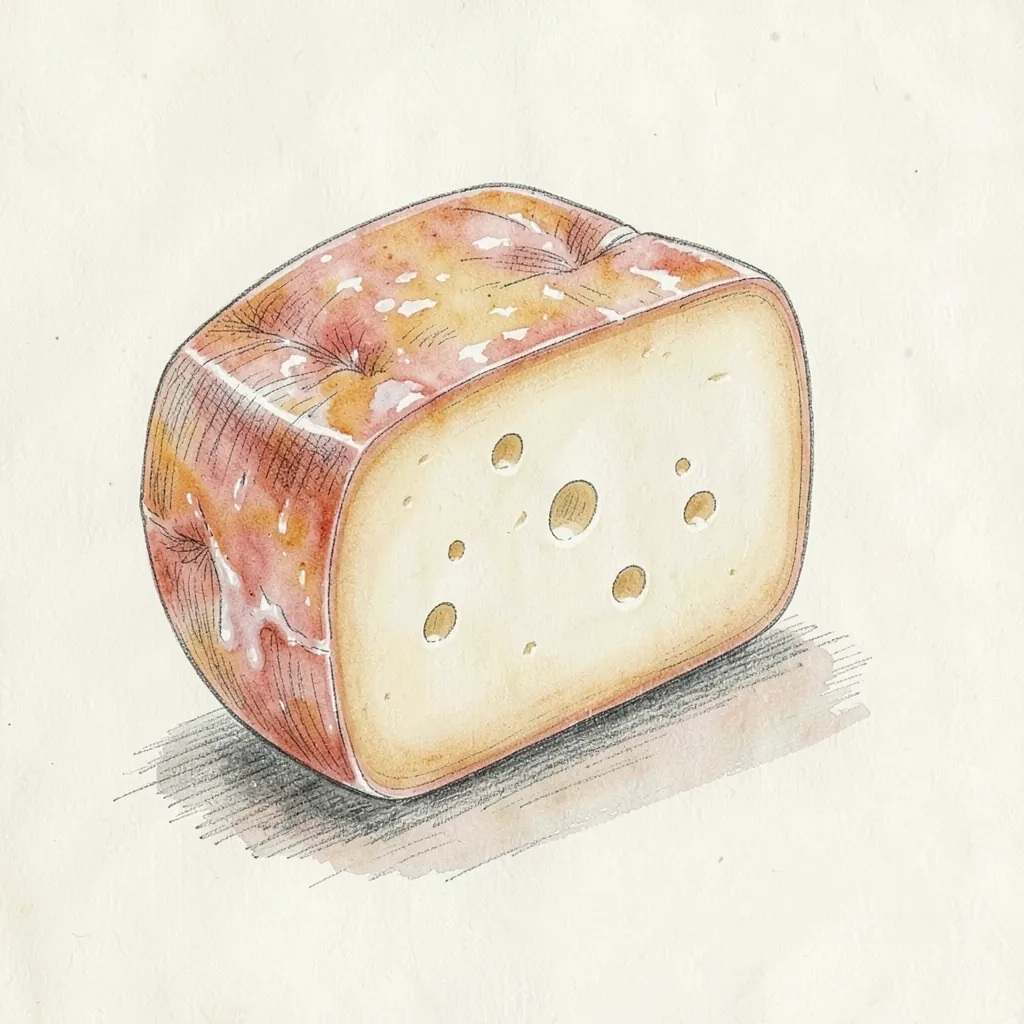
The name means hand cheese, because makers shaped the little rounds or bars by hand. It starts from sour skim-milk curd, so the paste is lean, tangy, and free of a rich cream taste. A young piece is mild and fairly firm. A ripe piece smells much stronger, with a yellow surface and a soft, sharp center.
Germans often eat it with bread, butter, chopped onion, caraway, and a splash of vinegar and oil. That plate is called Handkäse mit Musik. The cheese is a tavern snack more than a cooking ingredient. It does not melt into a sauce, and it is not a grating cheese. The appeal is the sour, pungent bite next to something crisp and fresh.
History
Sour-milk cheeses are an old German answer to lean milk left after the cream was taken off. Instead of pressing a rich wheel, makers soured the milk, drained the curd, and formed small cheeses that could ripen on a shelf. Handkäse is one of those cheeses, and the hand-shaped size made it easy to sell by the piece. The style stayed local and practical. It was food for a table, not a showpiece for a long cellar.
The onion plate became the way many people recognize the name, especially in German wine taverns and beer houses. Caraway often goes into the curd or onto the plate, which links the cheese to other seasoned German snacks. Factories now form the cheeses in small molds, but the sour curd and the short ripening remain. The name is still used for the style, not for one company. A ripe aroma was always part of the bargain.
How it is made
The base is a sour skim-milk curd, close to a very lean quark, drained until it can be worked by hand. Salt is mixed in, and caraway is a common addition, though not every batch has it. The curd is shaped into small rounds, cylinders, or little bars. Those pieces are not pressed like a hard wheel, and they are not sealed in wax. They go to ripen in a humid room, where the surface slowly changes color.
Ripening is what turns a plain sour curd into Handkäse. Yeasts and surface bacteria color the outside from pale to yellow, and sometimes toward a deeper gold. The inside softens, and the smell grows pungent. A very young cheese can still taste simply sour and clean. A fully ripe one is soft enough to spread, and producers sell both stages so the color can guide you.
Taste
Young Handkäse tastes clean, sour, and a bit lemony, with a firm, slightly crumbly paste. Caraway, if it is there, adds a warm bakery note that softens the tang. As the cheese ripens, the aroma jumps ahead of the flavor. You smell a ripe, yeasty, almost meaty pungency before you taste a sharp lactic bite. The flavor is strong, but it is not as heavy as the smell suggests, because the paste is lean.
A ripe piece feels soft and a little sticky, and it can look translucent near the surface. The outside taste is sharper than the center. Bitterness means the cheese went too far, and a dry cracked piece has lost the moisture that makes it pleasant. There is no buttered richness and no sweet milk note. Think of a sour savory snack with a loud smell and a clean, sharp finish.
In the kitchen
Serve Handkäse once it has lost the chill of the fridge, with hearty bread beside it. The classic plate adds raw onion, caraway, vinegar, oil, and sometimes a little pepper. Butter on the bread softens the sharpness and makes the lean paste easier to eat. In Germany the drink beside it is often apple wine, beer, or a simple local wine. The onion is part of the balance, not a garnish you should treat as optional.
This is not a cheese for a hot pan. Heat will not make it stretch, and the smell only grows louder. Use it as a spread when it is ripe, or as a small slice when it is younger. A little goes a long way on dark bread with something crisp. If you dislike ripe aromas, choose a paler piece, or pick plain quark for the tang without the ripe surface.
Around the world
Handkäse is well known in Germany and much less known in export cheese cases. Travelers meet it in taverns more often than in airport shops. The smell is the main reason it stays close to home, because a ripe piece in a warm bag is a bold souvenir. German sour-milk cheeses as a group are the family to seek if you want this taste abroad. Ask for a small yellow cheese with a sharp smell, not for a mild slicing block.
Harzer is the cheese most often confused with it, and the two can stand in for each other on a bread plate. Both are small, lean, and pungent when ripe. Olomoucke tvaruzky is a Czech sour-milk cheese with its own shape and a very strong smell. Limburger is smellier in a different way, because it is a washed soft cheese rather than a sour-milk curd. None of those is a mild slicer, so buy one only if the pungent style is what you want.