Ladotyri Mytilinis vs Pecorino Romano
Ladotyri Mytilinis is made from mixed milk. Pecorino Romano is made from sheep's milk.
Ladotyri Mytilinis is also used for a board and salad.
Pecorino Romano can stand in for Ladotyri Mytilinis. Pecorino Romano brings a salty sheep's milk grate to pasta when ladotyri is not on the shelf, though it lacks the olive oil coat.
Ladotyri Mytilinis
Facts
- Milk
- Mixed milk
- Texture
- Hard
- Type
- Pressed
- Rind
- Natural rind
- Country
- Greece
- Place
- Sheep/Goat
- Status
- PDO
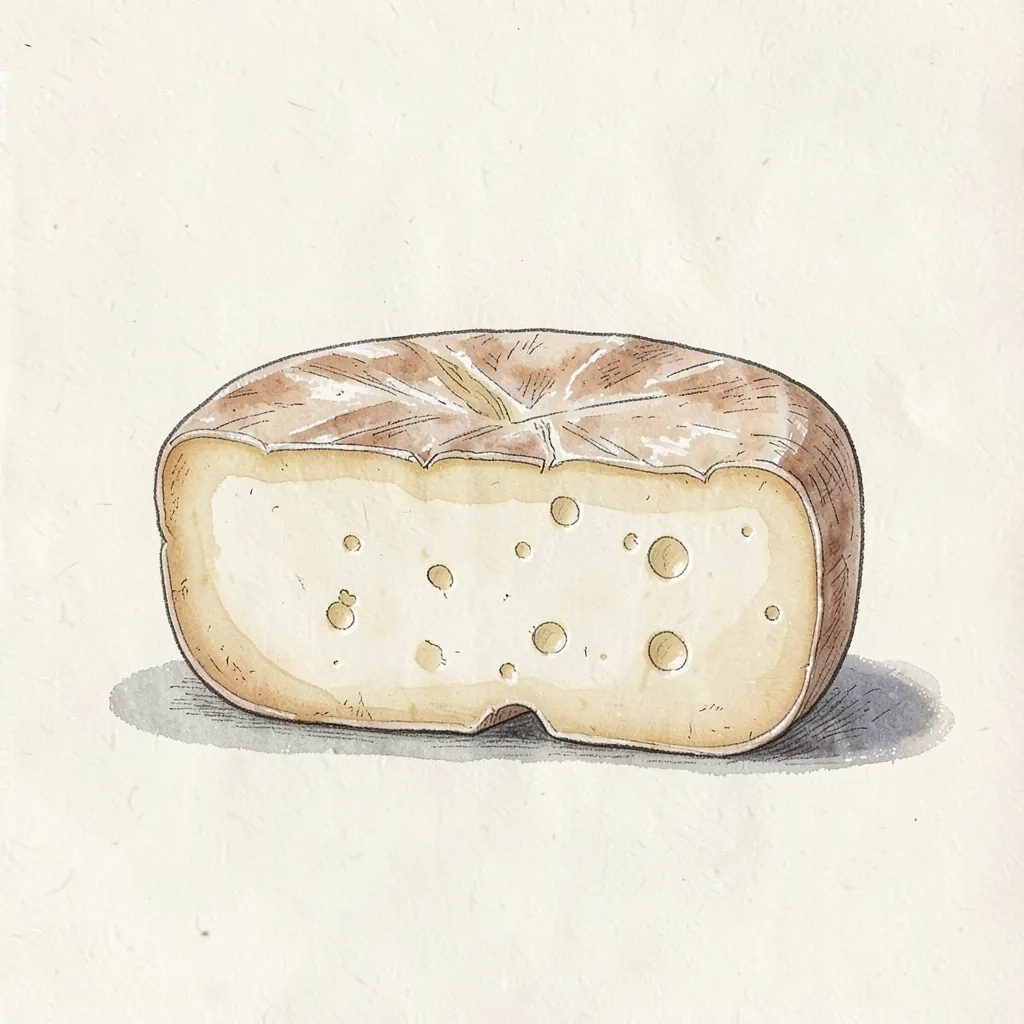
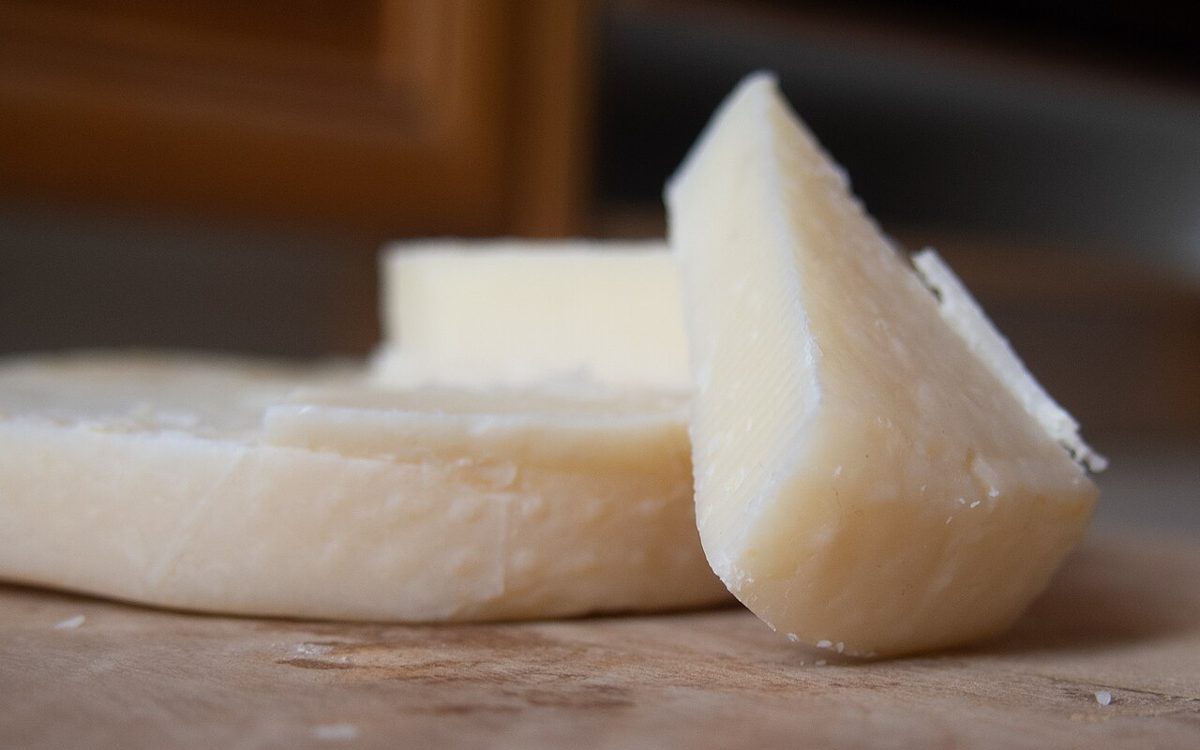
Ladotyri Mytilinis is a hard Greek cheese from the island of Lesbos, and the name is protected. Makers use sheep's milk, sometimes with some goat's milk, and they age small wheels in olive oil. Lado refers to oil and tyri to cheese, so the name describes that oil storage. The paste is firm, salty, and rich, with a clear sheep's milk edge. It serves as a table cheese and as a grating cheese, not as a fresh curd.
Pecorino Romano
Facts
- Milk
- Sheep
- Texture
- Hard
- Type
- Pressed
- Rind
- Natural rind
- Country
- Italy
- Place
- Lazio, Sardinia, and Tuscany
- Status
- PDO
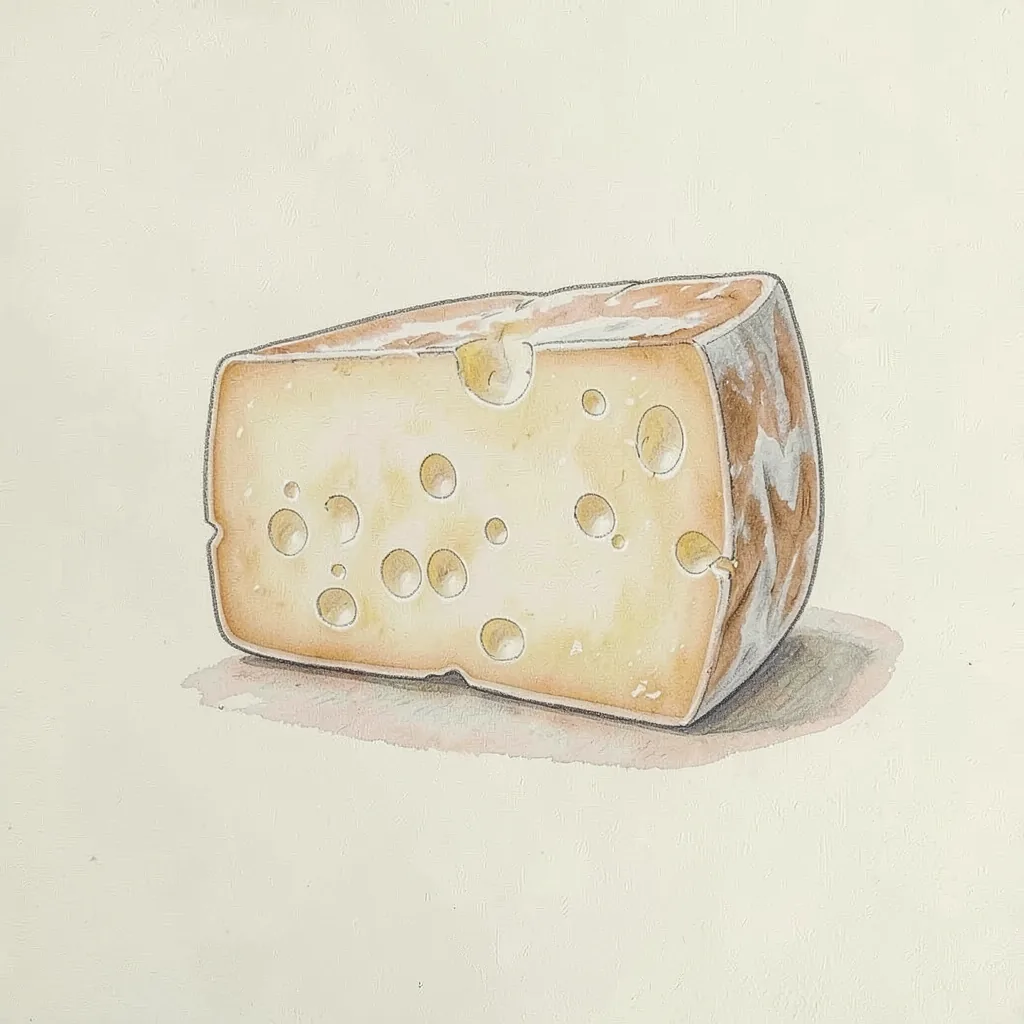
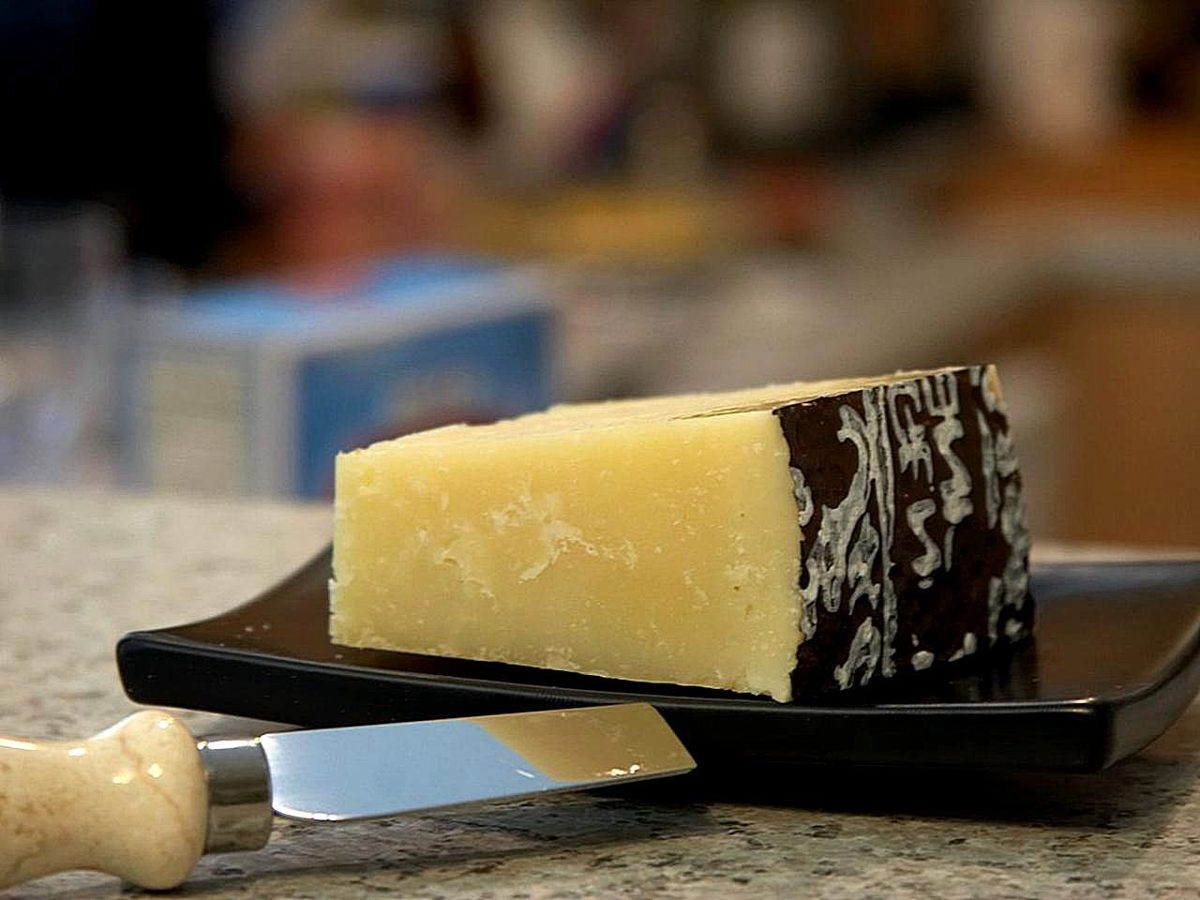
Pecorino Romano is a hard, salty sheep's-milk cheese. Pecora is the Italian word for sheep. Romano is the Roman style.