Mixed milk
What it is
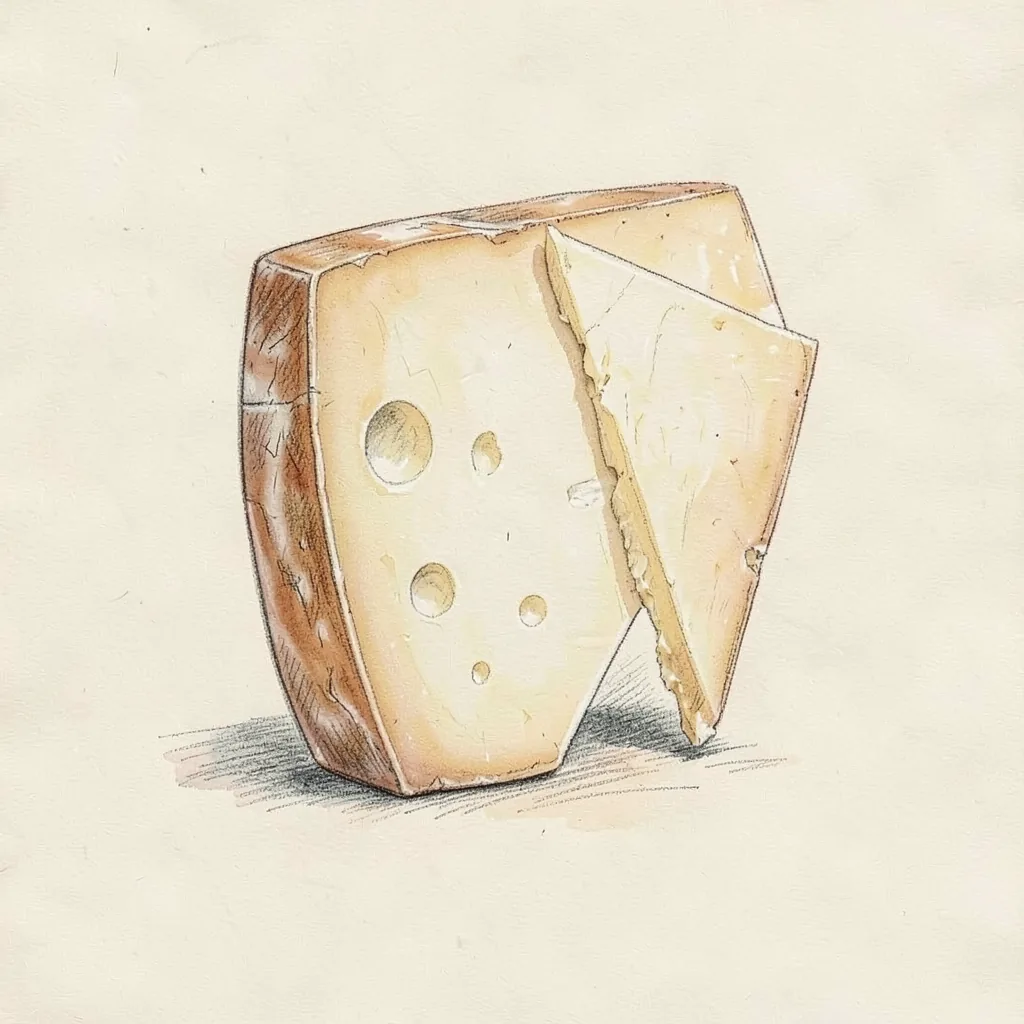
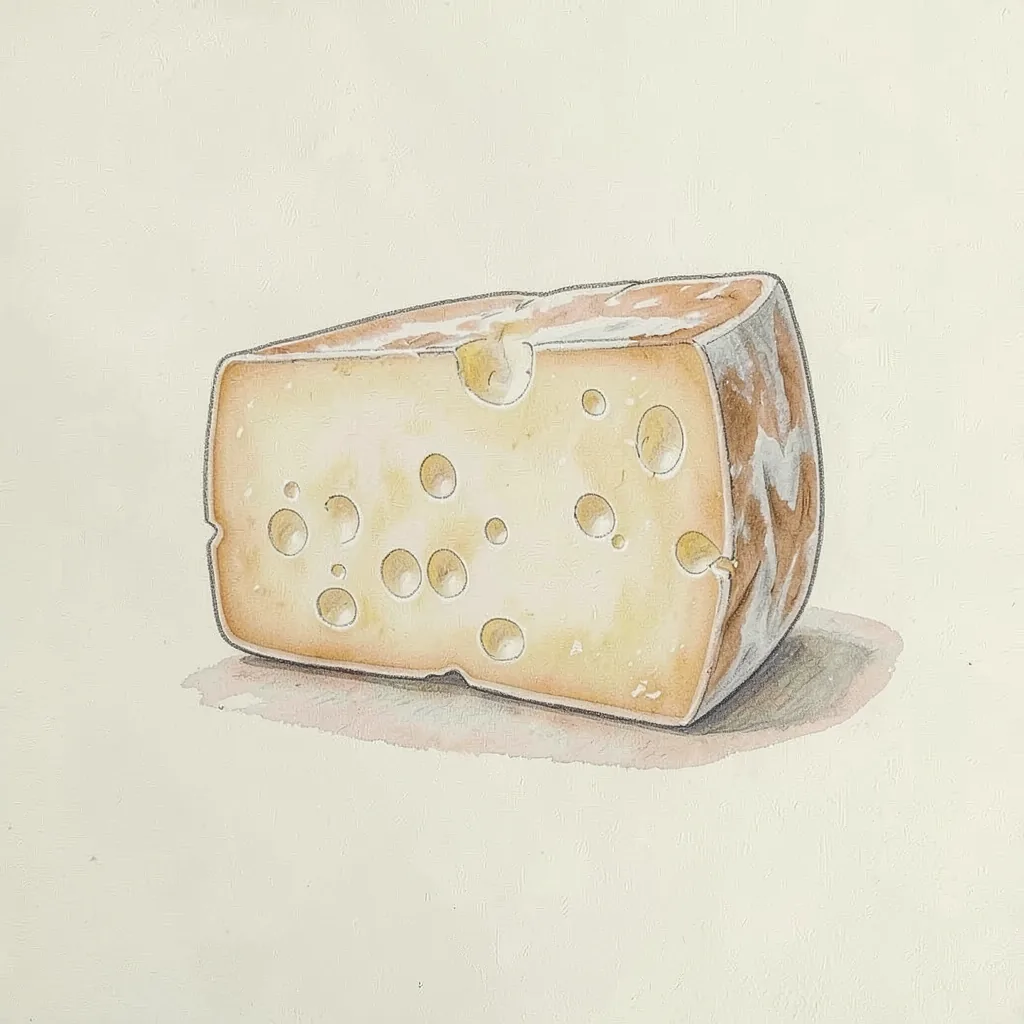
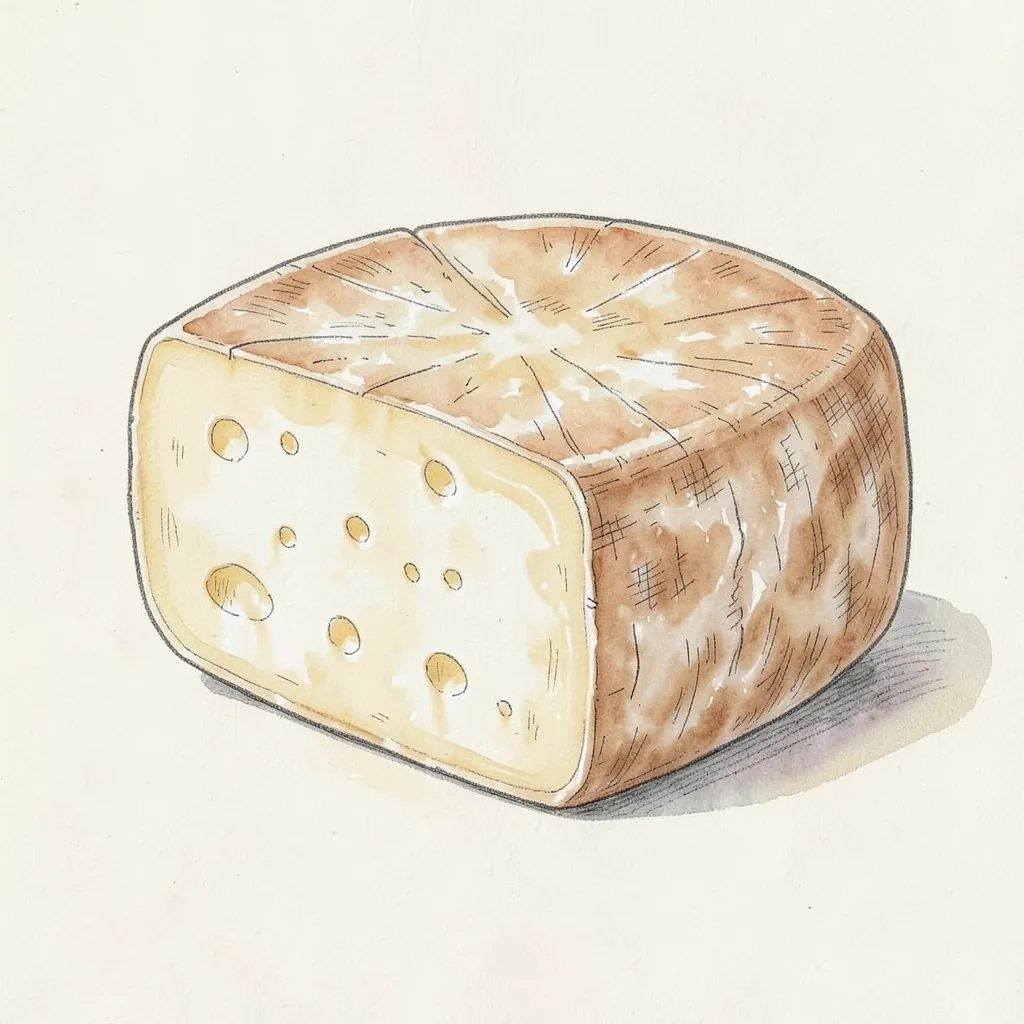
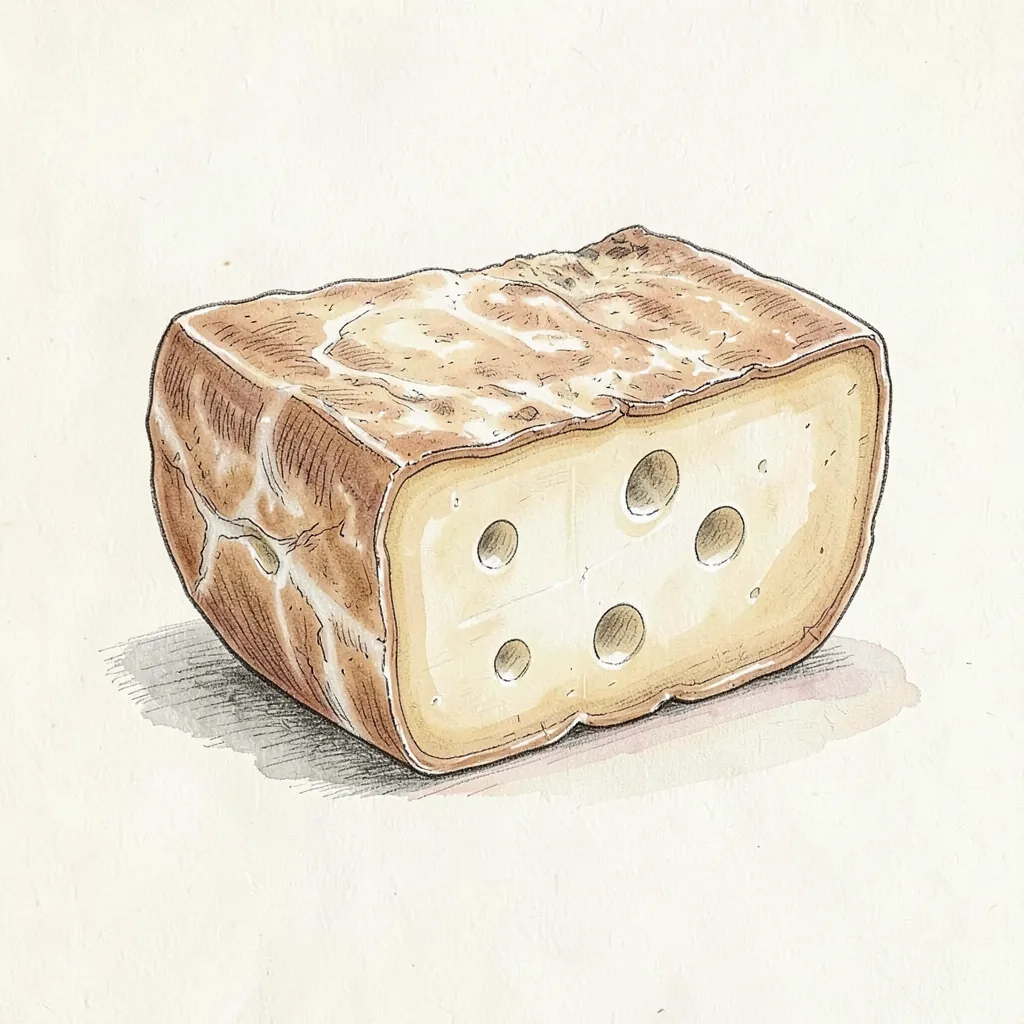
Makers use sheep's milk, sometimes with some goat's milk, and they age small wheels in olive oil. Lado refers to oil and tyri to cheese, so the name describes that oil storage. The paste is firm, salty, and rich, with a clear sheep's milk edge. It serves as a table cheese and as a grating cheese, not as a fresh curd.
A piece lifted from the oil is moist on the surface and firm inside, and it often smells of olives as well as of aged milk. The small wheels suited storage in jars of oil. Milder batches are pleasant in slices, and older ones turn sharper and better for the grater. Greek shops and good cheese cases are the usual places to find it. It is not graviera, even though both are Greek and both can be firm on a board.
History
Keeping cheese under olive oil was a practical habit on Lesbos, where oil was plentiful and a hard cheese needed a safe store. Ladotyri grew from that habit, and Mytilene, the island's main town, stayed in the name. The cheese was local food long before a modern system of named foods existed. Sheep and goats on the island supplied the milk for the wheels. The method is tied to that place, which is why a random cheese packed in oil does not inherit the name.
Protection lets cheese from Lesbos, made in the traditional way, stand apart from copies. The milk is sheep's milk, and goat's milk may join it only as a smaller part of the mix. Oil storage remains the mark that shoppers notice when they open a tin or a jar. Most of what people buy now moves through normal shops, not only through a farm door. The island still treats the cheese as part of local food, together with its olive oil.
How it is made
Sheep's milk, sometimes with a smaller share of goat's milk, is set with rennet and formed into curd. The curd is cut, warmed again, and pressed into a compact mass that can be divided. Pieces go into small molds and are pressed by hand, then salted. The cheeses ripen until they are hard enough to keep, and only then do they go into olive oil. The oil coats them and gives the surface a sheen, and it is a store rather than a flavor stirred into the milk.
Pressing is what makes a dense paste that can be sliced thin or grated over a hot dish. A short, wet make would stay soft, and this cheese is not a soft cheese. Salt and time in the ripening room build a savory, slightly sharp flavor before the oil touches the rind. The rind is natural, and the oil softens the flavor of the outside. Dairies on Lesbos follow this path for the named cheese, and a hard Greek cheese that never met olive oil is something else.
Taste
Ladotyri tastes salty and savory, with sheep's milk richness and a goat note when goat milk is in the batch. Olive oil adds a fruity note on the surface that you smell before you taste the paste. The paste is firm and can flake when you cut a piece straight from the cold. It is less sweet than a mild table cheese and less brutally salty than the sharpest grating cheeses. A pleasant bite is normal, and a rancid oil smell is a reason to stop.
Texture sits on the hard side of the cheese board, and thin slices are chewy rather than creamy. Grated cheese turns fluffy and strong, which is why older wheels suit pasta and greens. The center is usually pale and even, without blue veins or a soft runny edge. If the wheel has rested in oil, the outer bit can taste rounder than the core. Let a cold piece warm a little before you judge it, and smell the oil as well as the paste.
In the kitchen
Serve slices on a board with bread and tomatoes, and include a little of the oil from the jar if you like. Grate older cheese over pasta, beans, or cooked greens when you want a salty finish. It can be shaved onto salads and warm vegetables in thin flakes. It does not melt into long strings, so do not expect a stretchy pull. Use it where you want firm, savory bites, and taste the dish before you add any extra salt.
For cooking, treat it as a firm sheep's milk cheese that also carries olive oil on the surface. Grain salads and stuffed vegetables can take a grate at the end of cooking. A milder graviera will melt more willingly if the dish needs a soft cover of cheese. Kefalotyri is the closer grating cousin when this cheese is not in the shop, though it may lack the oil note. Pat a slice dry if the plate should not swim in oil from the jar.
Around the world
Ladotyri Mytilinis travels as a Greek specialty, and Greek grocers are the reliable place to find a real wheel. The name on the label should tie the cheese to Lesbos or to Mytilene if you are paying for the protected cheese. Other cheeses packed in oil, including some from outside Greece, borrow the idea without the place. Those jars can be tasty and still be a different food. If the label is vague about the island, ask the shop before you treat the tin as the real article.
Outside Greece, a firm pecorino or kefalotyri can cover a dish that needs salt and a grate. Add a spoon of olive oil if you want the surface note that ladotyri brings with it. Graviera is easier to find and milder, and it suits melting more than this hard cheese does. None of those swaps is a true stand-in for a wheel from Lesbos. On a Greek table, serve it with bread and let the firm paste and the oil speak for themselves.