Sheep
What it is
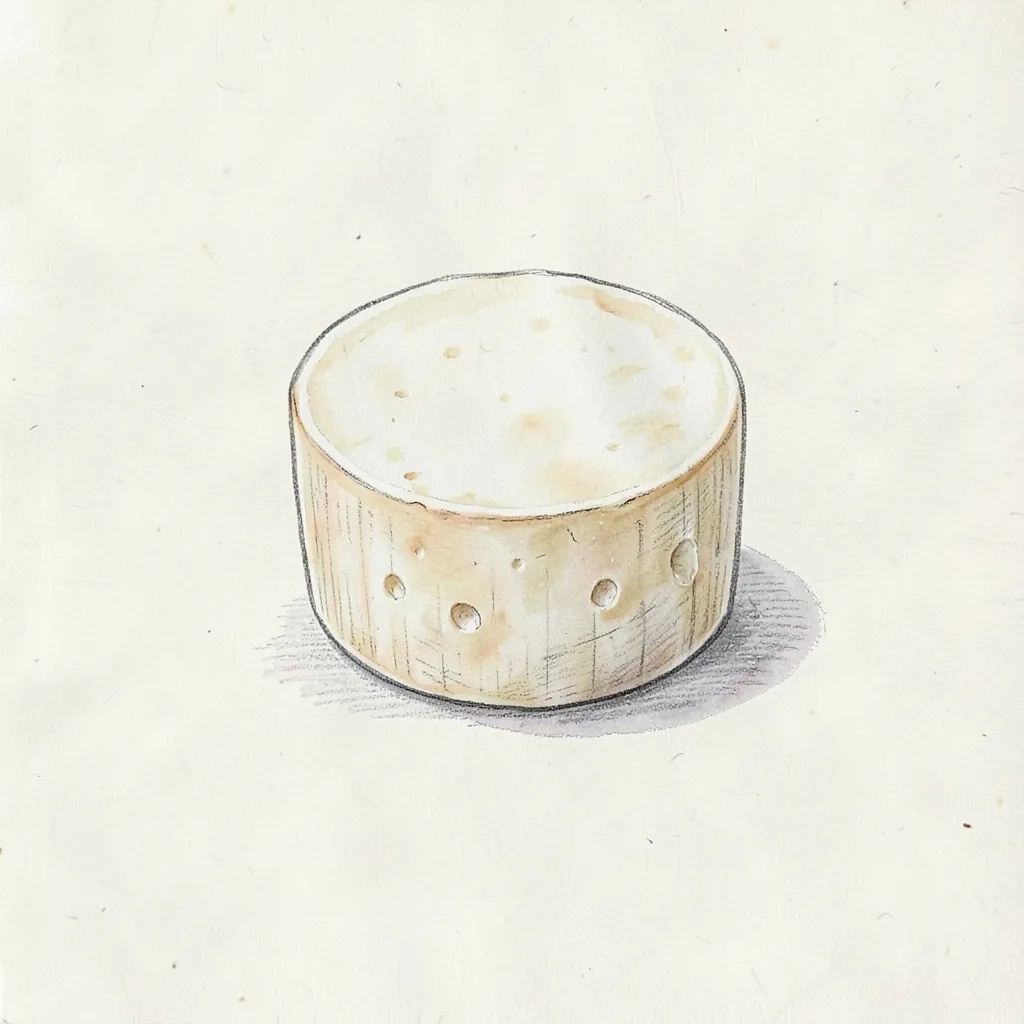
It is made from the whey of ewe's milk cheesemaking, with whole ewe's milk added back in, so it is richer than whey alone. The paste is white, soft, and moist, and it is drained in baskets. Corsican cooks treat it as a daily ingredient, not only as a cheese for a board. Fresh brocciu is the usual form, and a drier ripened form is known as brocciu passu.
The flavor is mild, milky, and a little sweet when the cheese is fresh. It can be salted for savory cooking or lightly sweetened for a simple dessert. Because it starts as whey, the texture is closer to ricotta than to a pressed sheep's cheese. It does not have a bloomy rind or a long aged paste. Buy it young and use it soon, since the fresh cheese does not keep like a hard wheel.
History
Brocciu comes from a practical habit on Corsica. The whey left after making ewe's milk cheese was heated again instead of being thrown away. Whole milk was added so the heated whey would throw up a soft, useful curd. That second cheese fed households through the season when the flocks were in milk. The method belongs to the island's sheep dairies and home kitchens, and it is still the dairy food most people name when they talk about Corsica.
The word is related to brousse, a French term for this kind of fresh cheese, and on Corsica the name settled on this whey cheese in particular. Fresh cheese was eaten at once, while cheese set aside to dry became brocciu passu, a firmer ingredient for soups and rustic dishes. The two forms share one make and differ in how far they are kept. No single village owns the recipe, and it is an island cheese from Corsica.
How it is made
Whey from ewe's milk cheese is collected and heated in a kettle. Whole ewe's milk and salt are added, and the heat is raised until fine flakes rise to the surface. Those flakes are skimmed off and laid in baskets, once woven from rushes and now often made of plastic. The baskets drain the cheese into a soft, moist mass. There is no pressing and no mold rind, and the fresh cheese can be eaten as soon as it has cooled and drained.
Brocciu passu is the same cheese salted and left to dry until the paste firms and the flavor concentrates. It is not a different milk, and it is not a blue or washed cheese. Some makers drain the fresh cheese only briefly for kitchen use the same day. Others keep the drier form for cooking later in the season. The make uses whey, milk, salt, and heat, and it does not rely on a long cellar or a thick rind.
Taste
Fresh brocciu tastes of warm milk, light sweetness, and a clean lactic tang. Salt is gentle unless the maker has seasoned it for the table. The texture is soft, moist, and slightly grainy, and it spreads or crumbles with a spoon. There is a faint sheep note, but it is not sharp in a young piece. A sour or yeasty smell means the cheese is too old to treat as fresh, while the best basket still tastes of milk first.
Brocciu passu is saltier, drier, and more savory, with a deeper sheep character and less of the sweet milk taste. It still should not taste bitter. The fresh cheese takes sugar well because the tang is mild. The drier cheese fits salt, herbs, and a hot broth better than a dessert plate. Cold from the fridge, both forms taste quieter than they do after they warm a little, so let a spoonful sit before you judge it.
In the kitchen
Corsican cooking uses fresh brocciu in omelettes, fritters, and stuffed vegetables. It fills fiadone, a baked cheese dessert, and it can be eaten with a little sugar as a simple sweet. In a savory dish, fold it in near the end so it stays soft. It can take the place of a spoon of ricotta in a filling, with a slightly clearer sheep milk taste. Season the dish yourself, because a fresh basket may be only lightly salted.
Brocciu passu goes into soups and heartier rustic dishes where a firmer, saltier cheese is useful. Do not try to grate fresh brocciu, and do not expect the drier form to melt into long strings. On a board, the fresh cheese is a spread, not a slicing wedge. Keep it cold, covered, and use an open basket quickly. If the whey smells harsh, the cheese has waited too long for a delicate dessert.
Around the world
Outside Corsica, brocciu is famous among people who cook the island's recipes, but fresh baskets are hard to find. Shops in mainland France sometimes carry it in season, and specialty sellers may stock it farther away. Many cookbooks still name it because fiadone and other dishes do not taste quite the same without it. When the real cheese is missing, ricotta is the usual stand-in. Say so, because ricotta is milder and made in a related way, not an identical cheese.
Brousse from southern France is the other name people mix up with brocciu, and the words are cousins. Brousse du Rove is a different fresh cheese from the mainland, so it is not this Corsican whey cheese. Use it only when you want a fresh, light curd and you accept a different taste. Ricotta is closer in the kitchen because both are whey cheeses that cook into fillings. For a board, a very fresh mild cheese will do if the label does not say brocciu.