What it is
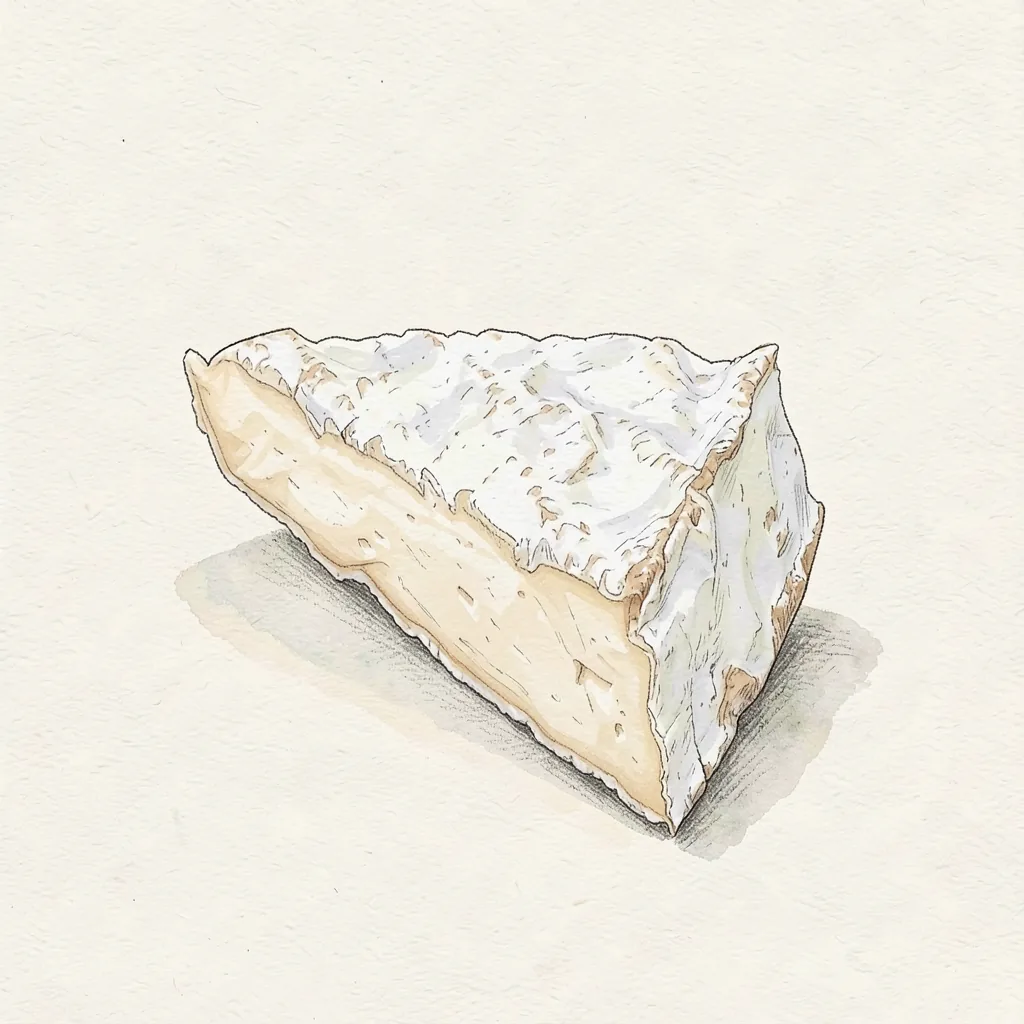
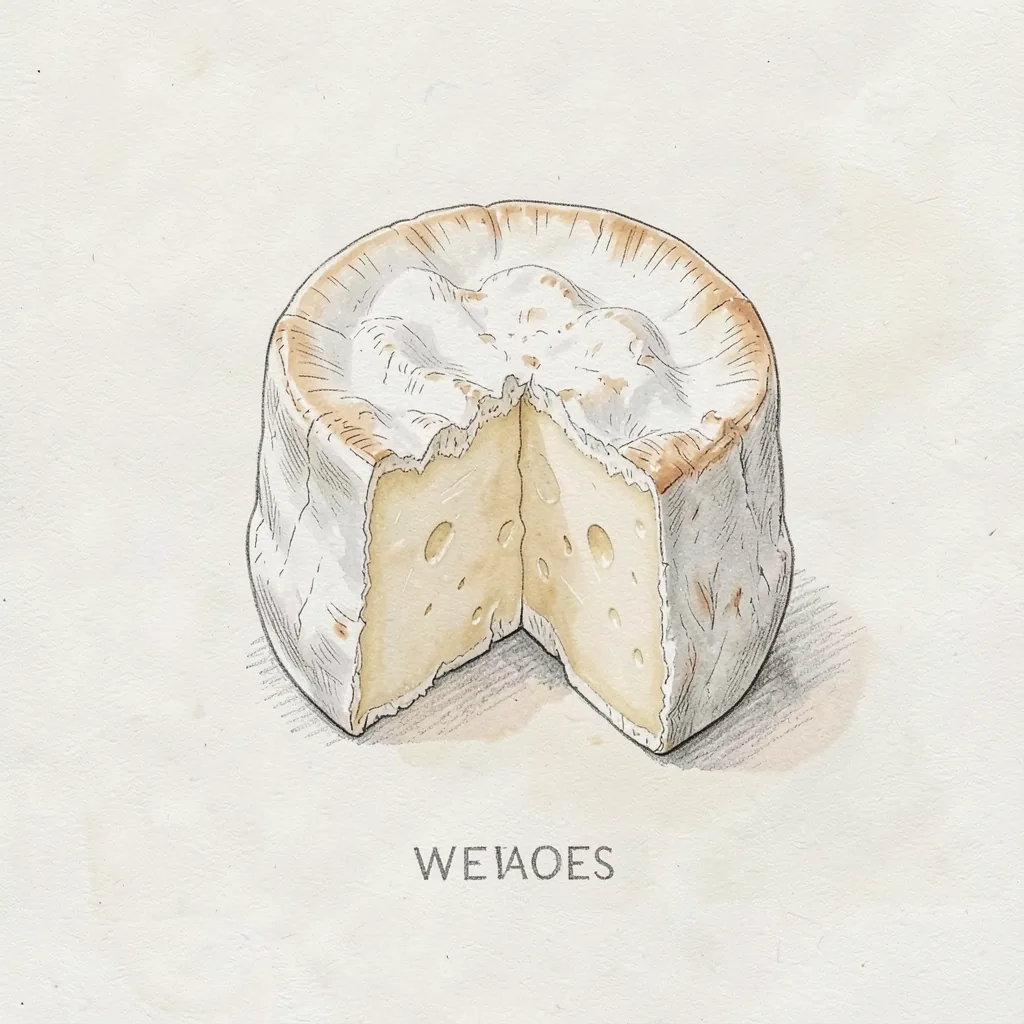
The wheel has a white bloomy rind and a pale, tender interior, in the manner of a small soft cheese with a downy coat. The flavor is mild, lightly salty, and gently sweet, with a creamy feel that can seem a little grainy. It is a rare cheese, because camel milk is seldom turned into a bloomy wheel. The brand name is what people mean when they ask for this cheese.
A nickname, Camelbert, compares the look to familiar bloomy cheeses, but the milk is not the same and the taste is its own. Sales have centered on Mauritania, with some of the cheese going to neighboring Senegal. It is not a regular item in ordinary shops in Europe or North America, so many people will only read about it. On a board it is a spreading cheese. It is not a hard wheel for the grater, and it is not a fresh cheese kept in brine.
History
Caravane is a modern brand, not an old farmhouse name tied to one village. It was created so that camel milk, which is part of daily life in Mauritania, could be sold as cheese rather than only as a drink. That idea matters in a country where camels are herded widely and where cheese has not been a traditional staple in the European sense. The brand gave the milk a form that could be cut, wrapped, and kept a little longer than fresh milk.
The cheese took its nickname, Camelbert, from the soft bloomy shape, and that comparison helped people outside Mauritania remember it. Distribution stayed narrow, and references describe the main market as Mauritania itself, plus trade into Senegal, rather than a wide export business. Occasional interest from shops farther away has not made it a common import. If a label uses the brand name, it is this cheese, and a different camel milk drink or dry curd is not Caravane.
How it is made
Camel milk is the whole point of the brand, and it does not coagulate as readily as the milks used for most soft cheeses. The dairy therefore uses a coagulant suited to that milk, then handles the curd gently so the paste stays moist and tender. The young cheese is formed into small wheels and salted with a light hand. A white mold is encouraged on the surface, which is what makes the bloomy rind. The method is a modern dairy process, not a household craft of long aging.
Ripening is short, as it is for other bloomy cheeses. The mold covers the rind, and the interior softens from the outside inward while the center stays paler. The finished wheel is soft and off-white, with a thin coat rather than a thick natural crust. Because the milk is unusual, the set can vary, and that is one reason the cheese stays a small brand rather than a mass product. The cheese is ready when the rind is white and the body yields to a knife.
Taste
The taste is mild, creamy, and a little salty, with a delicate sweetness that comes with the camel milk. The bloomy rind adds a light mushroom note, similar in kind to other white-rind cheeses but quieter if the wheel is young. Acidity is gentle, with no sharp bite and no smoky edge. The texture is soft and tender, sometimes slightly grainy, and it spreads when the cheese is allowed to warm.
Aroma is fresh and dairy-like, with the rind smell growing as the wheel ripens toward its peak. It should not smell strongly of ammonia, and if it does, the cheese is past its best and the cream note has turned harsh. The interior stays off-white and moist, and the flavor remains in the mild range even when the rind is fully white. People who like a soft bloomy cheese will recognize the style, then notice that the milk tastes different.
In the kitchen
Caravane is used on a board, as a spread, or in simple appetizers where a soft cheese can be the quiet center. Let the wheel warm a little, then spoon or spread the paste on bread. It can go into a mild dip, onto a salad, or beside fruit, where the sweet salty note stays clear. High heat is a poor match, because a soft bloomy cheese can oil off and lose its shape in a hot pan.
Because the brand is hard to find, eat it plain when you do find it, so the camel milk flavor is not covered by a loud sauce. Lemon, herbs, or a small amount of honey are enough beside the bread. Do not treat it as a grating cheese or as a cheese for the grill. Brie is the practical substitute for the soft rind and the creamy body, and Camembert de Normandie is the other familiar swap, though neither one is made from camel milk.
Around the world
Most Caravane never leaves Mauritania, and the share that travels often stops in Senegal. Cheese counters in other regions rarely stock it, so it has a reputation as a curiosity more than as a pantry staple. Writers describe a soft white-rind wheel and a mild sweet saltiness, which is enough to know what you would be buying if a wedge appeared. It is a brand, so another maker's camel milk cheese, if you see one, is a different product.
Where the brand is absent, choose another soft bloomy cheese for the recipe and accept that the milk will differ. Brie gives the creamy paste and the white rind for a board or a spread. Camembert de Normandie is smaller, a little more mushroomy, and equally at home on bread. Those cheeses are easy to find in ordinary shops, and Caravane is not. There is no common hard cheese from camel milk that fills the same soft role.