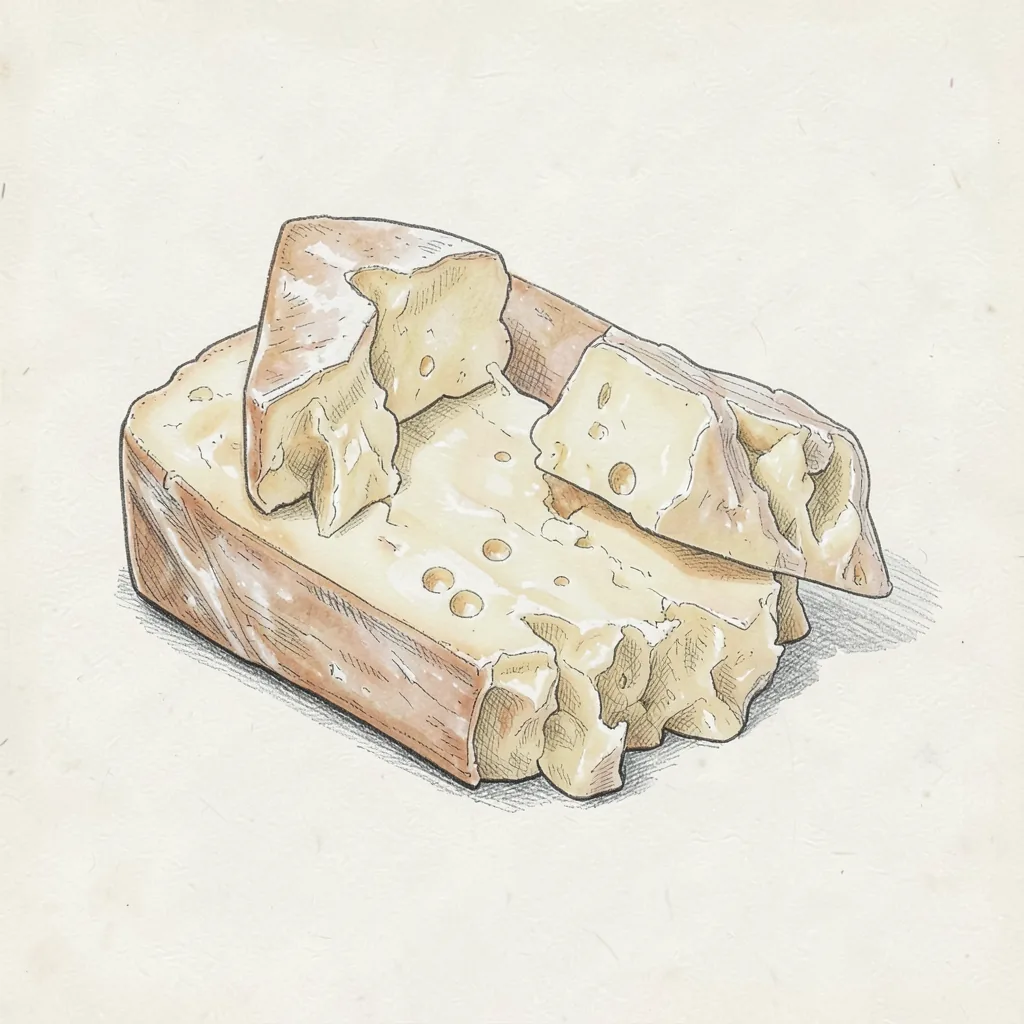
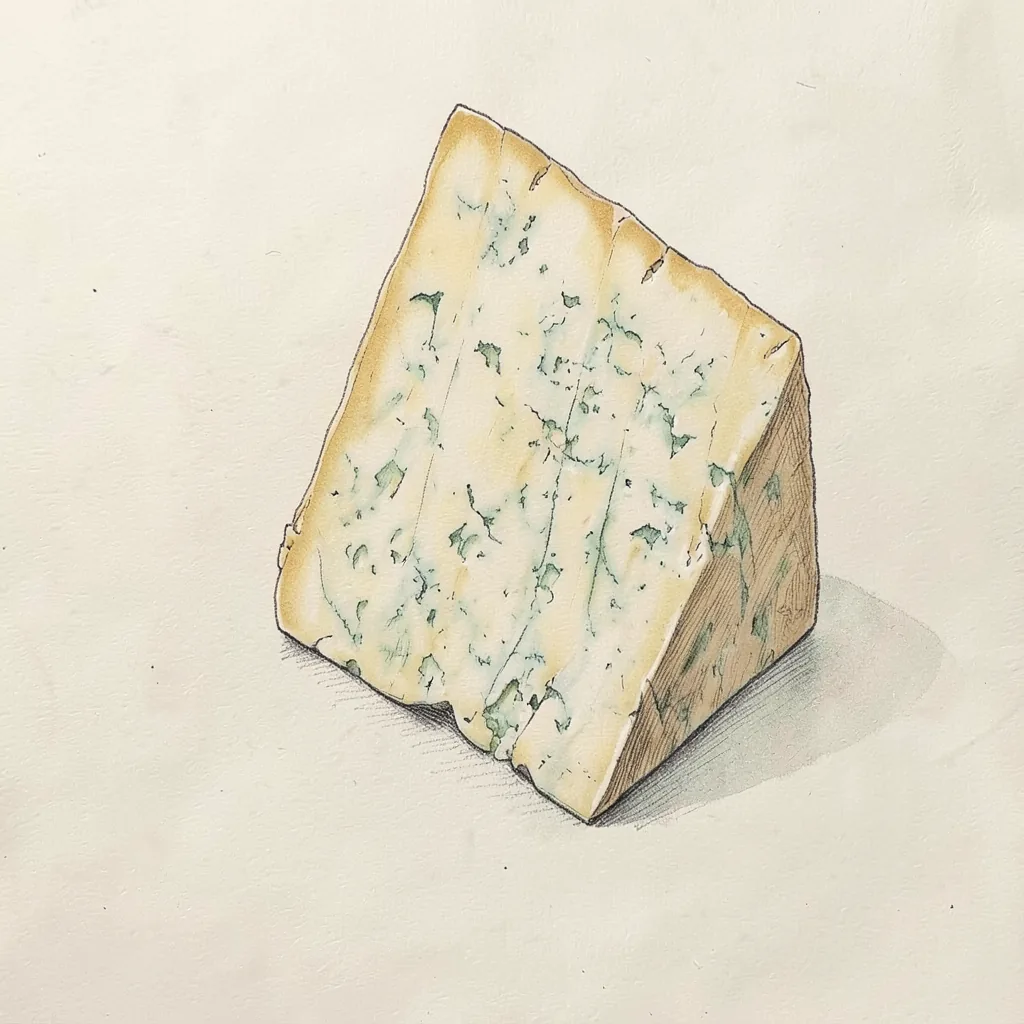
What it is
A customer enters a shop billed as a fine cheese emporium and learns that no cheese is in stock. John Cleese plays the customer, and Michael Palin plays the shopkeeper, Henry Wensleydale. The humor comes from polite excuses that cover an empty counter. The piece first appeared in Monty Python's Flying Circus, and it later turned up on records and in stage shows.
The customer works through a long list of famous cheeses, from Red Leicester and Stilton to Brie and Roquefort. Each request gets a refusal, a delay, or a silly reason, including a claim that a cat has eaten the stock. The list grows more obscure and ends with Venezuelan beaver cheese, which does not exist outside the joke. The shopkeeper stays calm, and the customer does not. The sketch is a parody of service, not a guide to choosing cheese.
History
Monty Python's Flying Circus built the sketch as a shop scene, and the cast stretched it by naming cheese after cheese. Cleese is the impatient buyer, called Mousebender in the script, and Palin is the owner behind the counter. A bouzouki and a short dance open the bit, which makes the empty shop feel formal. The joke left the television episode for an album and later live shows. Small changes in the cheese list appeared later, while the empty counter stayed the point.
The sketch sits in the episode known as Salad Days, and it leads into a Western spoof once the shop scene ends. The finish is abrupt on purpose and is played as absurd comedy, not as a real event. The customer asks whether the shop has any cheese at all, the answer fails him, and the scene closes on a staged shooting. Nothing in that finish should be copied. The lasting part is the cheese list, and the line that the shop is uncontaminated by cheese.
How it is made
The sketch is built as a repeating refusal, and that pattern carries the joke. The customer names a cheese, and the shopkeeper says the shop is out of it, often with a weak reason. One cheese is simply gone, another is blamed on a broken van, and Wensleydale causes confusion because it is also the owner's name. The pace stays polite for a long time before the temper shows. Music rises as the buyer gets angrier, so the sound works like the growing list.
The writers stacked real cheeses a British audience might know, then stranger names, and finally a fictional beaver cheese. That mix lets the joke feel educated and ridiculous at once. There is no recipe and no wheel at the end, because the subject is the empty shop rather than a dairy. Performing it needs the list, the straight-faced owner, and the buyer's temper. Props stay minimal: a counter, a grand sign, and the suggestion of stock that is not there.
Taste
There is no flavor to report, because the sketch never produces a cheese for anyone to taste. The comedy treats taste as a spoken list of names from several countries. Stilton, Gruyere, Emmental, and Gorgonzola get the same empty answer as the plainer British cheeses. The customer calls one of them the most popular cheese in the world, and the shop still has none. The humor is that expertise does not help, since the right name only lengthens the failure.
The tone is dry, polite, and then furious, which is the sketch's real flavor for an audience. Palin's shopkeeper sounds helpful while offering nothing at all, and Cleese's customer stays formal until the formality breaks. Viewers remember the contrast between a grand shop name and a counter with no food on it. The piece does not mock one real dairy or one real town. It mocks the confidence of a seller who cannot sell the thing named on the sign, and the honest tasting note is absence.
In the kitchen
The sketch has no kitchen use, and it will not tell you how to cook or serve a cheese. People quote it when a board is empty or a shop has run out of the cheese they wanted. That quotation is the afterlife of the joke in ordinary talk. If the names make you hungry, buy a real cheese from the list, such as Wensleydale or Stilton, and ignore the fictional beaver cheese. None of the dialogue is a serving suggestion.
Hosts sometimes read part of the cheese list at a tasting, and the joke works best when guests already know the sketch. Keep the reading short, and then serve the cheeses you actually have. Do not stage the violent ending as a party bit, because the screen comedy is not a table game. The useful reminder is that a grand name is not a stocked shelf. For food, set out bread, a mild wedge, a stronger wedge, and something fresh.
Around the world
The sketch traveled with Monty Python's audience, so viewers far from the United Kingdom know the empty cheese shop. Quotes turn up in articles about cheese, on shop signs, and in talk when a counter is bare. The cheese names helped that spread, because many of them are easy to recognize abroad. A viewer elsewhere can still hear Brie, Gouda, or Parmesan inside the joke. The British delivery is specific, and the empty-handed customer is not.
Later performances kept the structure and refreshed a few names, which shows that the sketch is a script rather than a fixed product. It did not create a commercial cheese, and it did not found a shop you can visit for a slice. Writers mention it because it is the most famous comic catalogue of cheese in English. Treat the name as comedy history from the United Kingdom, not as a food entry. When you want cheese, use the real names from the list and buy those.