Cow
What it is
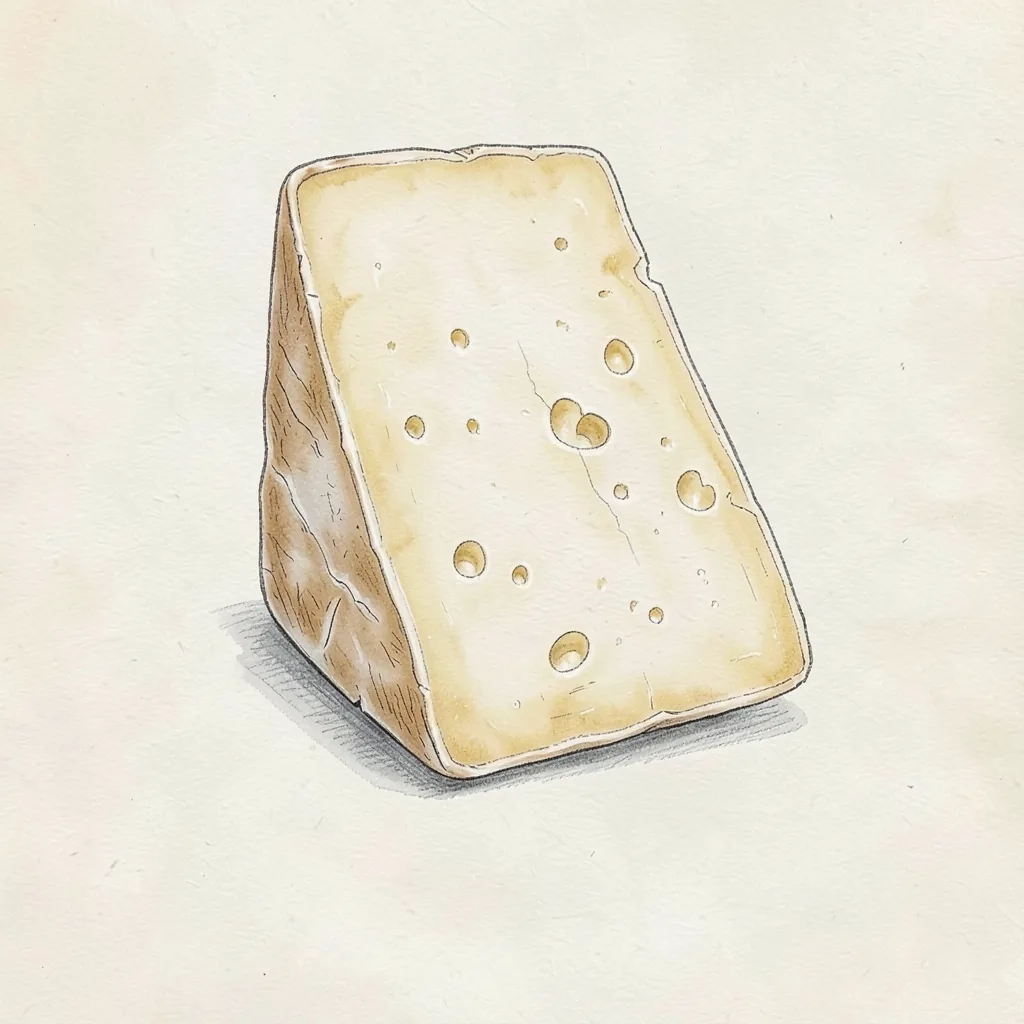
It is made from cow's milk and pressed into wheels or blocks that stay moist and crumbly. The flavor is mild, with a fresh tang and a light honey note. Plain wheels are white and clean tasting. Fruit versions mix the same curd with cranberries or other dried fruit, and both styles remain the same cheese.
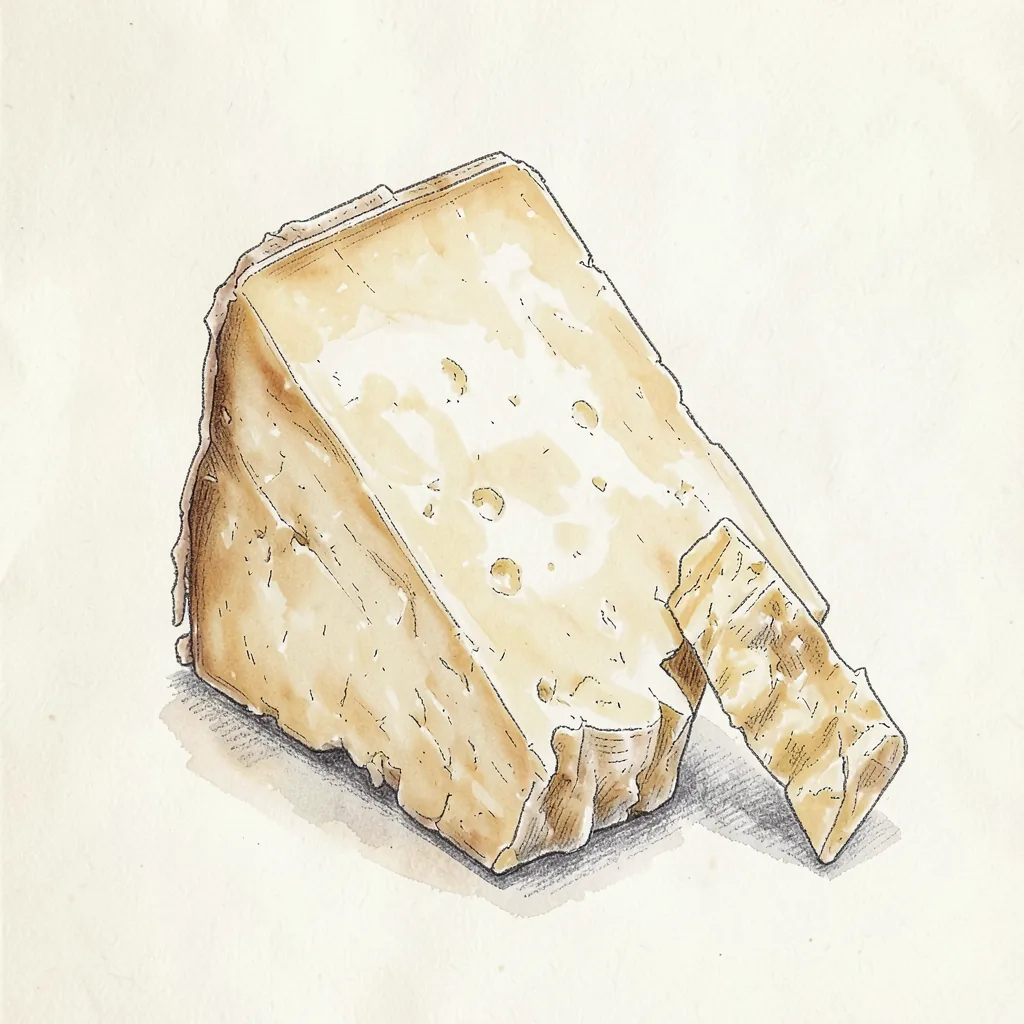
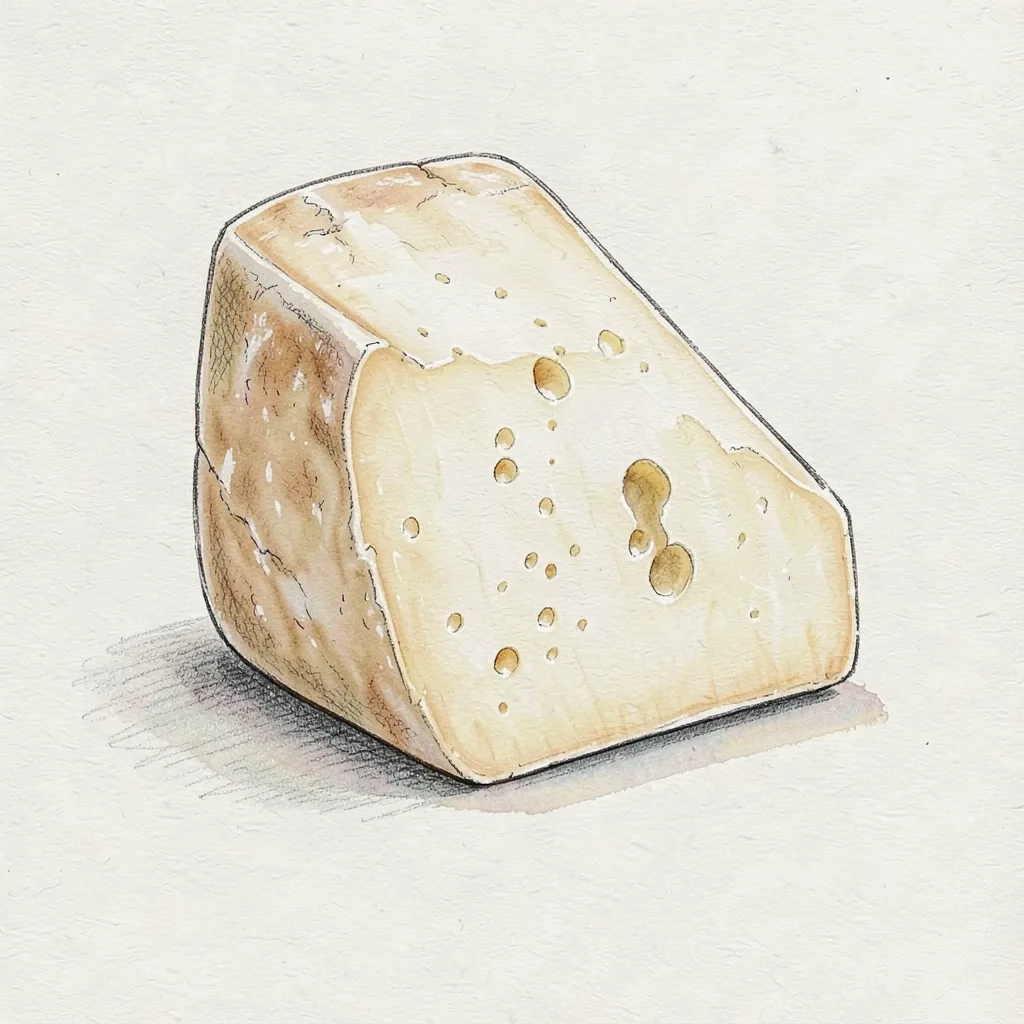
Shoppers meet Wensleydale most often as a pale block meant for the board. A blue style also exists, with blue veins and a stronger, saltier bite. The young white cheese is the everyday one in British shops. It breaks into irregular crumbs rather than neat sheets, and the pieces stay moist. That crumbly cut is part of how cooks and hosts use it.
History
Wensleydale takes its name from a dale in the north of England, and the cheese has long been tied to that part of the United Kingdom. Early farm versions used the milk that local flocks and herds could give. Over time cow's milk became the usual base for the cheese sold under this name. Makers kept the young, crumbly style rather than a long dry age. The name now covers both small dairy wheels and larger creamery blocks.
The cheese stayed a regional farm product for a long time, then larger dairies made it a national British staple. The young moist style was at risk when production narrowed, and makers later worked to keep it in shops. Fruit-blended blocks arrived as a modern shop form and widened the audience. Plain Wensleydale and the fruit versions now sit side by side. Both remain easy to find in ordinary British markets.
How it is made
Makers warm cow's milk and set it with starter and rennet so the curd firms. They cut the curd, stir it, and let whey drain until the pieces are springy but still moist. Salt goes in before the curd is pressed into molds. The press is gentle compared with a long-aged hard cheese, which helps the body stay open and crumbly. Wheels or blocks then rest only long enough to settle, not to dry out.
A cloth wrap or a thin rind can form on a wheel, while many shop blocks are cut and packed with little rind at all. For fruit cheese, dried fruit is mixed through the salted curd before pressing. Blue Wensleydale follows a different path, with blue mold added so veins grow inside the paste. The plain cheese is not cooked into a dense hard texture. The goal is a clean, moist curd that breaks with a short crumb.
Taste
Young Wensleydale tastes mild, milky, and lightly acidic, with a honeyed finish that keeps it from seeming sharp. The crumb is moist, not chalky, and it melts on the tongue rather than squeaking. Salt is present but not heavy. A blue wheel adds a peppery, savory edge and a firmer aroma. Fruit versions keep that mild base and add sweetness from the pieces of fruit.
The aroma of a plain piece is fresh and faintly buttery, closer to a young farm cheese than to a long-aged block. There is little of the nutty bite found in older hard cheeses. Cranberry or apricot pieces change the smell as well as the taste, and they make the cheese sweeter at first bite. The blue style smells stronger and tastes more savory. In every style the paste stays pale and the flavor stays clear.
In the kitchen
Wensleydale belongs on a board with apples, pears, celery, and plain crackers. Crumble it over a green salad or a warm slice of fruit tart so the mild tang meets sweetness. It also works in a savory scone or a quiche, where the crumbs soften but do not turn into long strings. Because the body is open, it is easier to break with a fork than to cut into perfect slices. Serve it cool, not icy, so the honey note shows.
Fruit Wensleydale is best kept for the board or a snack, because the sweet pieces can clash in a hot savory dish. Plain cheese is the one to cook with. A little grated or crumbled into a white sauce adds body and stays mild. Pair it with chutney only if the chutney is not already very sweet. Leftover crumbs are useful on roasted vegetables just before they leave the oven.
Around the world
Wensleydale is widely known in the United Kingdom and travels well as a packaged British cheese. Fruit versions, especially those with cranberries, are a common export because they are easy to recognize and ready to serve. Visitors often meet the cheese on a ploughman's plate or a hotel board. Outside Britain it appears in shops that stock British cheese, usually as a block rather than a clothbound wheel. The mild taste makes it an easy first English cheese for many people.
Cooks abroad use it much as they do at home, crumbled on salads or set out with fruit and bread. It does not play the role of a long-melting pizza cheese, so it rarely replaces those cheeses in hot dishes. Blue Wensleydale is less common abroad than the white or fruit blocks. Specialty counters may still carry a small wheel from a British dairy. In each case the name points back to the same English style.