Cow
What it is
Cooks make it by souring heated milk with a food acid, then draining the whey until the curds hold together but stay crumbly. The result is kneaded for sweets more often than it is sliced for a board. It is a kitchen ingredient, not a wheel with a cellar and a famous name. The same style of curd is also central to sweet making in neighboring parts of India.
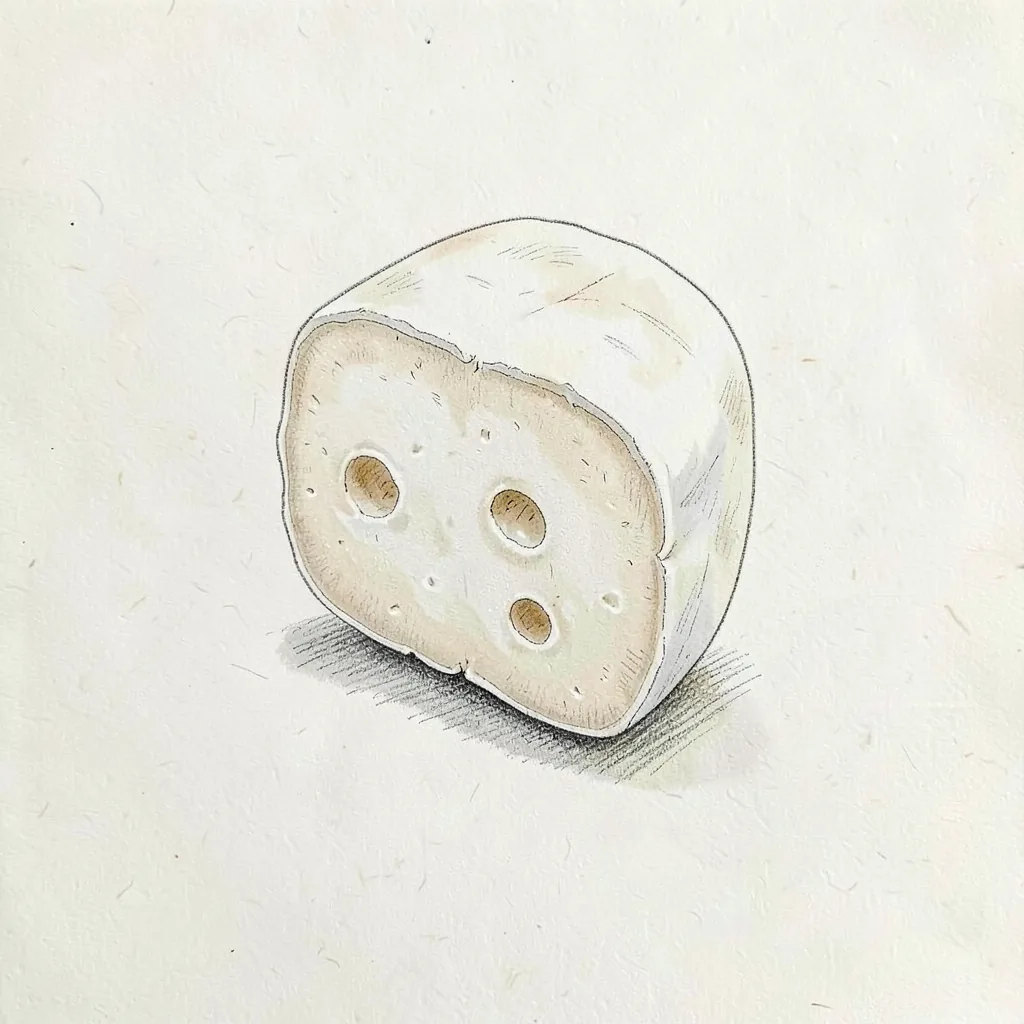
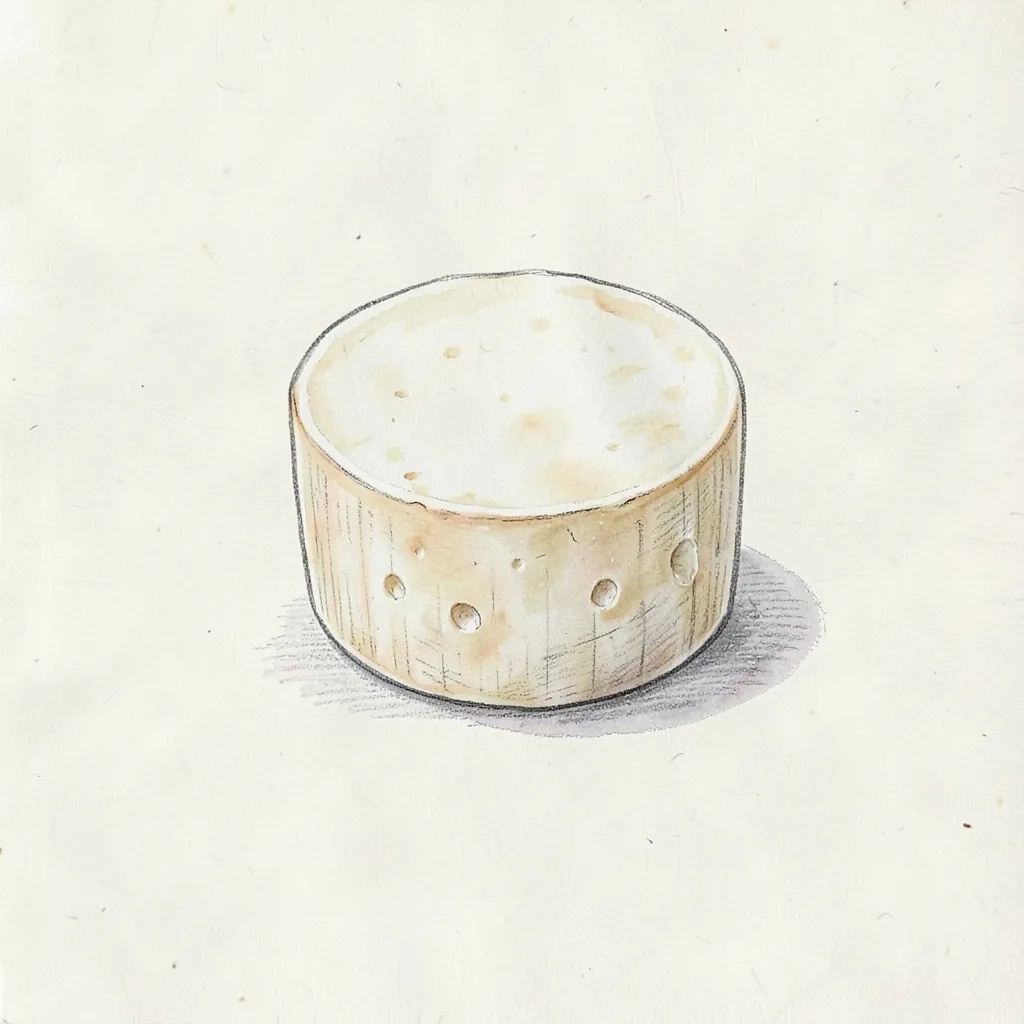
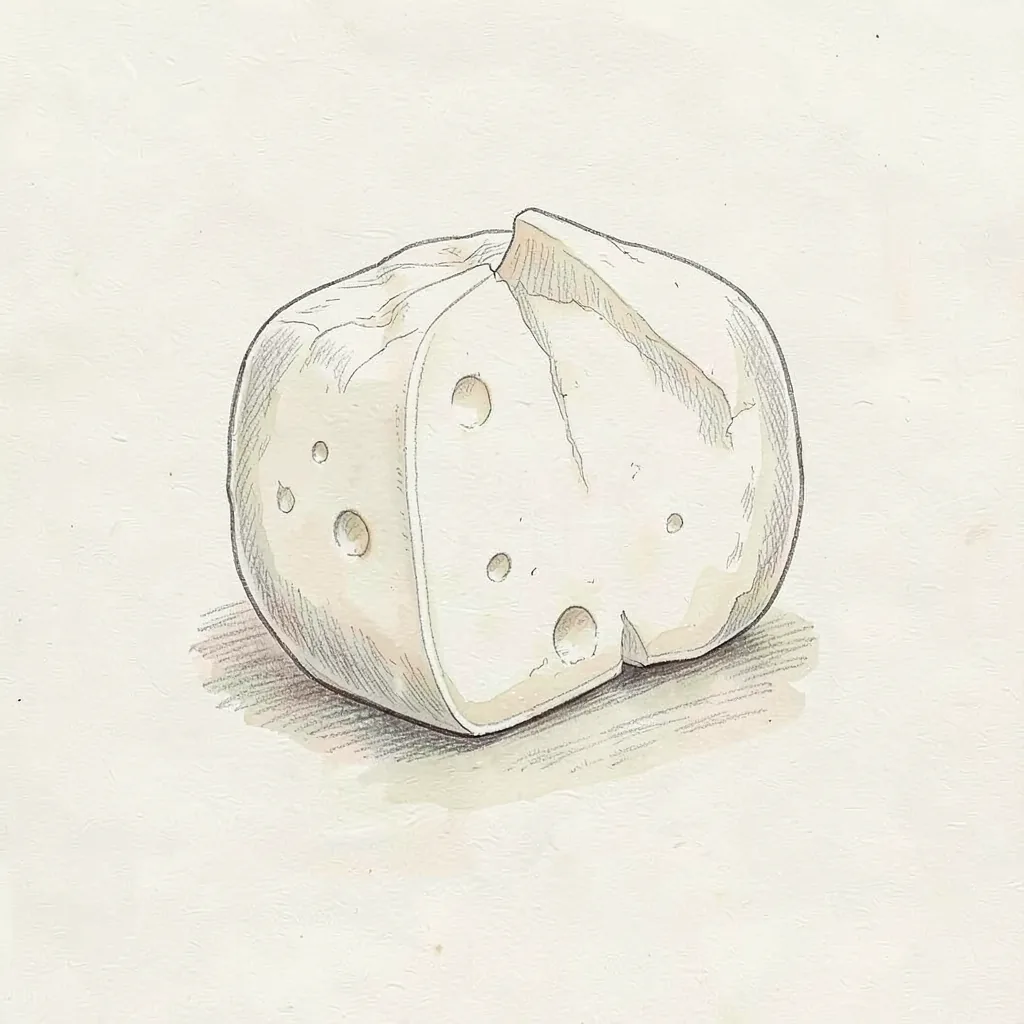
Fresh chhena should smell clean and milky, and it should break into soft crumbs rather than into rubbery slices. Paneer is the pressed relative that keeps a firm shape in a curry. Chhena is left moister so makers can work it into fudge-like sweets and syrup-soaked balls. Salt is not the point, because sugar, cardamom, and a light cook in syrup are the usual partners. A dry, sour, or yellow batch has sat too long.
History
Acid curds of this kind belong to home cooking and sweet shops in Bangladesh, and the same curd has a long place in India as well. Families and confectioners split milk into curds and whey so it could be used in a form that keeps a little longer. The cheese did not grow up as an export wheel with a wax coat. It grew up as the base of sweets sold by the piece. No single village has to be named to explain why the curd exists.
Bengali sweet making carried chhena far beyond a plain bowl of curds. Sandesh is a cooked, kneaded sweet, and rasgulla is a ball simmered in light syrup. Both depend on this moist curd, not on a hard grating cheese. The craft stayed with confectioners who learned by practice, rather than with a single famous dairy. Today the curd is still made in small batches for sweets in Bangladesh and in India, and a packaged pot is the same idea in a modern wrapper.
How it is made
Milk is heated, then a food acid such as lemon juice is stirred in until the proteins clump and the whey turns pale and clear. The curds rest briefly, and the cook pours them into cloth to drain. How long the cloth hangs decides the body. A short drain leaves a soft, wet crumble that is right for many sweets. A harder drain makes a drier mass that can be kneaded without sticking to every surface.
After draining, the mass is kneaded until it is smooth enough for the sweet being made. For sandesh, confectioners cook the kneaded curd with sugar until it thickens and can be pressed into shapes. For rasgulla, they form balls from a softer batch and simmer them in syrup so they puff and stay spongy. There is no rennet set in the usual path, no salt brine, and no rind. The cheese is finished when the curd is fresh, white, and ready to sweeten.
Taste
Fresh chhena tastes mild, milky, and slightly sweet, with a clean lactic note and almost no salt. It is not sharp, and it is not funky. The pleasure is in the soft crumble and in the way it takes sugar and spice. Cardamom is the classic aroma in sweets, and a little rose water shows up in some shops. On its own, the curd can seem plain, and that plainness is why cooks build flavor around it instead of expecting a strong cheese taste.
Texture separates a good batch from a tired one. The curds should feel moist and tender, and they should mash under a spoon without turning to rubber. If the mass is squeaky and bouncy, it was heated or pressed more like paneer. If it is sour, grainy, and dry, it has lost the freshness sweets need. A well made batch smells like warm milk rather than old yogurt, and the color should stay off-white.
In the kitchen
Chhena is a cooking cheese, and the main kitchen is a sweet shop or a home pot for desserts. Knead it with sugar for sandesh, or shape a softer batch into rasgulla and related syrup sweets. A few savory dishes use the crumbs, but the famous path is sweet. Do not expect it to brown like a grill cheese or to grate over pasta. Heat and sugar are the tools, and a board and a knife are not.
If you only have paneer, crumble it for some sweets, but the result is often drier and less spongy than true chhena. Ricotta is a looser stand-in for a filling, and it is wetter. Season either one lightly and taste as you go. For a curry that needs cubes, use paneer instead, because chhena will not hold a neat cube in a hot sauce. Store the fresh curd cold and use it soon, because it does not improve on a shelf.
Around the world
Outside Bangladesh and India, chhena is easiest to find in shops that sell South Asian sweets, often already turned into sandesh or rasgulla. The loose curd is less common on a general cheese counter than paneer is. Cooks who want to make the sweets at home sometimes start from milk, and sometimes they crumble a fresh paneer as a rough substitute. Either path is a home adaptation, and the sweet-shop version made from proper moist curd is the reference point. Frozen sweets travel farther than the raw curd does.
Food writers sometimes file chhena next to ricotta, quark, and other fresh curds. The comparison helps a new reader, and it only goes so far. Those cheeses are eaten savory as often as they are baked, while chhena is tied to a sweet tradition. Queso blanco and other acid curds from Latin America share the set method, not the dessert habit. If a recipe names chhena, look for the sweet or the soft crumble, and do not swap in a salty brined cheese.