Cow
What it is
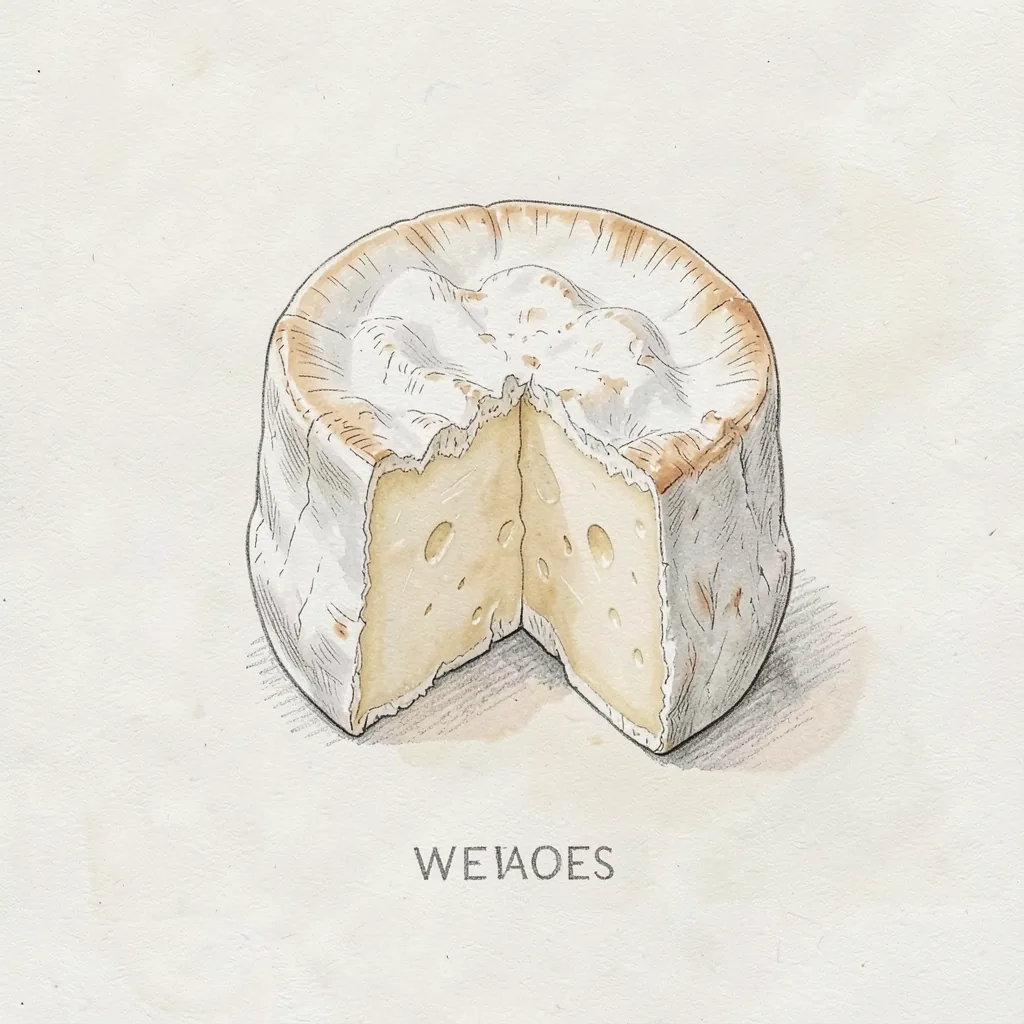
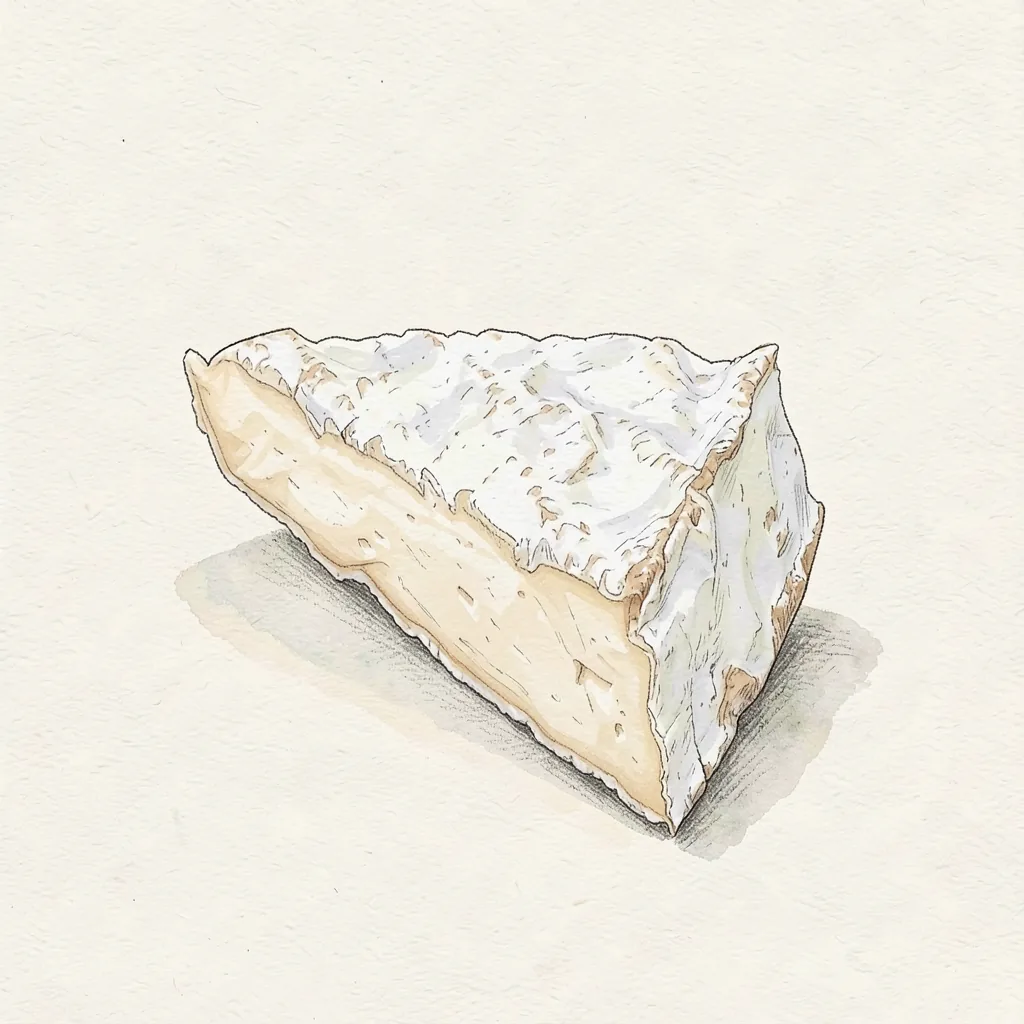
A white bloomy rind covers a pale, creamy interior, in the manner of Camembert. The Czech name refers to ermine, the white fur, because the rind looks soft and white. The paste is often milder than a strong French wheel of the same family. It is a pub cheese as much as a cheese for a quiet board.
Shops sell it as a small round under more than one label, and the style itself is not one brand. You can eat a ripe wheel plain once the center yields to a light press. Czech kitchens also marinate it in oil with garlic, onion, and paprika, or they coat it and fry it. Grilling is common too. Most people eat the white rind rather than cut it away.
History
Czech dairies developed Hermelín as a local soft cheese in the Camembert manner, and the white rind became the point of the name. Ermine fur carried a royal image, which is why people also call the cheese a king of cheeses. The style spread through the Czech Republic and became ordinary grocery food. Prague pubs helped make the marinated version famous with visitors. The cheese does not belong to one family firm.
Over time, makers leaned toward a softer, creamier paste and a gentler mushroom note than some farmhouse wheels. That choice set Hermelín a little apart from a very strong Camembert. The name stayed Czech even when the method echoed France. More than one dairy can use the word, because it names a style rather than a single house. What you buy is cow's milk, a white rind, and a small soft round.
How it is made
Cow's milk is set with rennet and with cultures that will later flavor the paste. The curd is ladled into small round molds and left to drain until it holds a soft shape. A white mold, Penicillium camemberti, is encouraged on the surface so a bloomy rind can grow. Salt is added before the little wheels go to a cool room. Ripening then moves from the outside toward the center.
As the rind whitens, enzymes from the surface work inward and soften the paste. A young wheel stays firmer at the center and tastes quieter. A ripe wheel softens toward the middle and smells of mushrooms and cream. The cheese is not blue, not brine-washed, and not pressed into a hard block. If it is held too long, the aroma turns sharp and ammoniated, which is past the pleasant stage.
Taste
Hermelín tastes mild, buttery, and lightly mushroomy, and the rind adds a soft earthy note. The center can be supple and creamy when ripe, or a bit chalky when the wheel is still young. Salt stays moderate rather than sharp. There is less of the deep barnyard intensity some people expect from an aged French camembert. A good piece smells clean and fungal, like a fresh mushroom, not like a harsh cleaner.
Temperature changes the taste, and a cold slice from the fridge seems firmer and quieter. Let it lose that chill and the paste relaxes, with more cream and more aroma. Fried, the flavor turns richer and the outside can crisp at the edge. Marinated in oil with garlic and paprika, the cheese takes on spice and can become soft enough to spread. Those treatments are ordinary in Czech cooking, and they change the plain dairy taste on purpose.
In the kitchen
Serve a ripe wheel with bread, pickles, and beer, and that is the simplest plate in a Prague pub. For the marinated version, the round is cut, filled with garlic and onion, and covered in oil with paprika and whole spices. Fried Hermelín wears a crumb coat and goes into hot fat until the outside is brown and the middle is soft. Grilled slices melt over bread or potatoes. All three uses are normal Czech cooking, not rare tricks.
Use it where you would use a mild bloomy cheese, and do not try to grate it. The paste is too soft to make a dry shred. It can be the center of a baked round if you want a molten middle, as long as the heat does not drive all the fat out. A young, firmer wheel holds up better for frying in crumbs. A very ripe wheel is better spread on bread or eaten with a spoon from the rind.
Around the world
Outside the Czech Republic, Hermelín is less common than Camembert or Brie, and many recipes simply tell you to use Camembert. That swap works, because the shape, the white rind, and the cow's milk paste are close. Brie is often a bit wider and milder still, but it can fill the same role on a board or in a bake. In Prague, the marinated pub version is the dish visitors remember. The plain wheel is what shops sell for cooking at home.
Look for the Czech name on the label if you want this style, and take Camembert de Normandie when the local wheel is missing. The French cheese may taste a little deeper and less softly creamy. Fried and marinated versions travel mainly as recipes, while the cheese itself is a normal grocery item in its home country. It is safe, easy to handle, and sold in ordinary shops. Keep it cold, let a portion warm before you serve it, and eat the rind if you like the mushroom note.