Cow
What it is
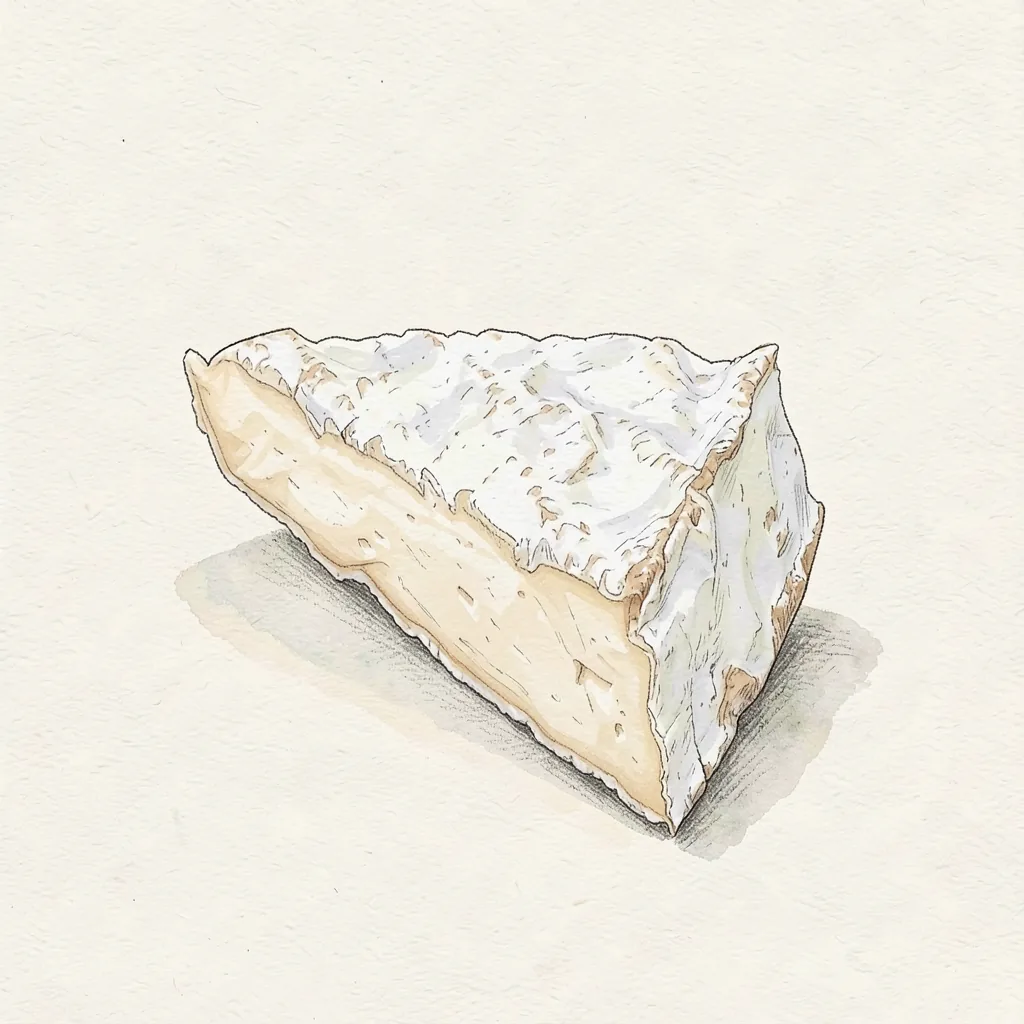
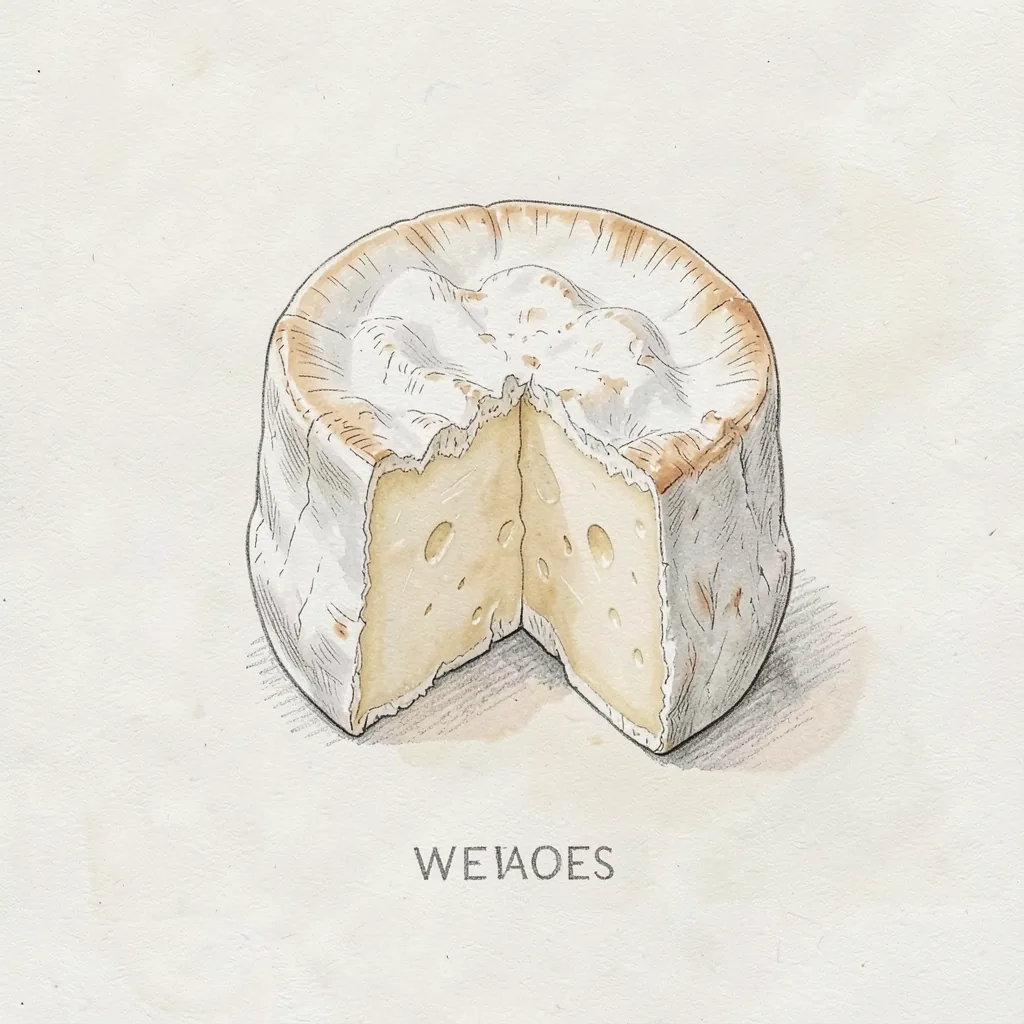
It has a white bloomy rind and a pale paste that turns creamy, sometimes almost runny, as it ripens. The flavor is mild, smooth, and milky, with a light mushroom note from the rind. It is often compared with brie, though it is an Icelandic cheese with its own scale. It is a table cheese, not a hard wheel for grating.
A young piece is firmer and a little quieter, and a ripe piece softens toward the center and spreads on bread. The rind is thin and white, and it is meant to be eaten with the paste if you like the mushroom aroma. Höfðingi is not a blue, not a washed rind, and not a fresh cheese with no ripening. Icelandic dairy counters are where it belongs. Visitors usually meet it there rather than in a global supermarket chain.
History
Höfðingi is an Icelandic cheese set beside an older dairy culture better known abroad for skyr. Skyr is a fresh cultured food, and Höfðingi is a different idea, a ripened cow's milk cheese with a white rind. The chieftain name gives it a local title without tying it to one village. The style is mild and creamy, in the family of bloomy rind cheeses that many travelers already understand. That familiarity helped it find a place on Icelandic boards.
Published notes on the cheese are short, and there is no need for a founder story to explain the style. What is clear is cow's milk, a white rind, a soft center, and a gentle flavor. It did not become a large export brand on the scale of famous European bloomy cheeses. In Iceland it is simply one of the local cheeses a shop can cut for a customer. The full name is Höfðingi, though Hofdingi appears as a plain spelling.
How it is made
Cow's milk is cultured and set, and the curd is placed in molds so a small soft cheese can form. Salt is added, and a white surface mold is encouraged until a bloomy rind covers the cheese. The cheese is not pressed hard, not cooked into a firm wheel, and not washed in brine. Ripening goes on until the paste under the rind relaxes and the center can turn soft. The goal is a mild cheese that yields, rather than a sharp one.
Houses may vary the details, but the finished cheese should still show a white coat and a creamy interior. There is no herb layer, no ash line, and no wax. The rind is the bloom itself, thin and edible, and the paste stays pale. If ripening is cut short, the center stays chalkier and less runny. If it continues, the cheese becomes spoonable in the middle while the rind holds the shape, and both stages are the same cheese.
Taste
Höfðingi tastes mild, milky, and smooth, with butter and a faint mushroom scent from the white rind. Salt is low, acid is gentle, and there is no bitter finish. The center of a ripe piece feels rich and soft, almost runny, while the paste near the rind is a little denser. Nothing in the flavor suggests a long aged hard cheese. People who want a strong smell will find this one quiet and clean.
A younger wheel is fresher and more restrained, with a core that still holds a soft shape on the knife. A fully ripe wheel smells more of mushrooms and tastes a bit deeper, though it stays in the mild range. It is less pungent than a ripe Camembert and less buttery than some very rich soft cheeses. The milk gives a clean dairy flavor rather than a barnyard shout. Serve it when you want softness and a white rind, not a challenge.
In the kitchen
Set Höfðingi out until it softens, then spread it on bread or serve wedges on a board with fruit, nuts, or plain crackers. A ripe piece can be spooned onto a salad or a baked potato for a mild creamy finish. Keep the rind if you want the mushroom note, and trim it only for guests who prefer the paste. High heat is a poor match, because the cheese runs and can oil off. It is a serving cheese more than a cooking cheese.
Do not grate it, and do not expect it to brown like halloumi or melt into a stable sauce. If you warm it, use gentle heat and a short time, and plan to eat it soft rather than browned. Bread, pears, and a light drizzle of honey are enough. Wrap leftovers well, because the ripe paste picks up fridge smells and the rind can tear. A chalky center means it wants more time at cool room warmth before the next serving.
Around the world
Höfðingi rarely travels far from Iceland, and most cheese counters abroad do not stock it. Visitors meet it in Iceland, often with a note that it resembles brie. That comparison is fair at the level of rind, milk, and mild flavor. Brie and Camembert are the practical substitutes when you are not in Iceland, and both are easier to buy. They can taste stronger when fully ripe, so choose a milder wheel if you want the same quiet style.
The plain spelling Hofdingi is the same cheese, not a second recipe. A soft French bloomy cheese can stand in on a board, but it will not be Icelandic milk. There is no hard grating cheese hiding under this name, and there is no blue inside the paste. If a shop offers a brown caramel whey cheese, that is a different Nordic tradition and a different flavor. Ask for the white rind cow's milk cheese if the label is unclear.