What it is
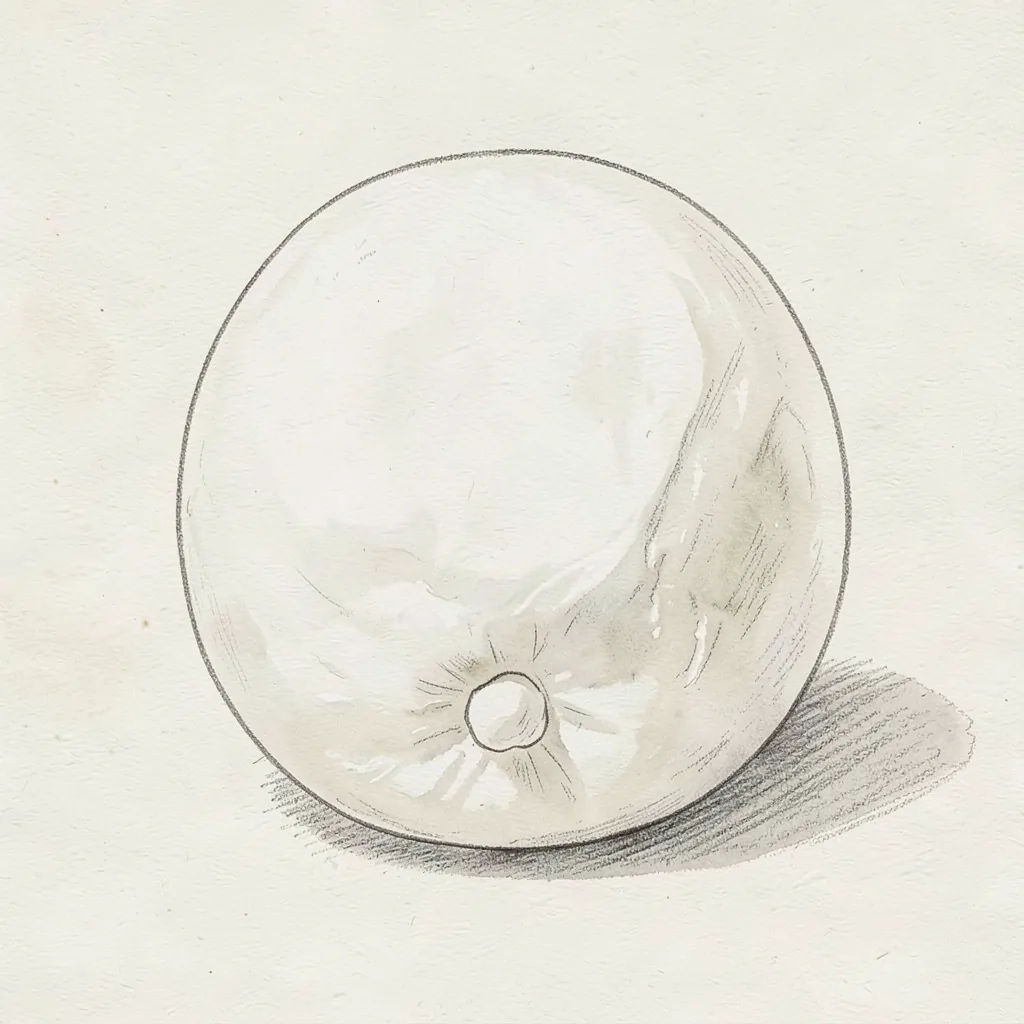
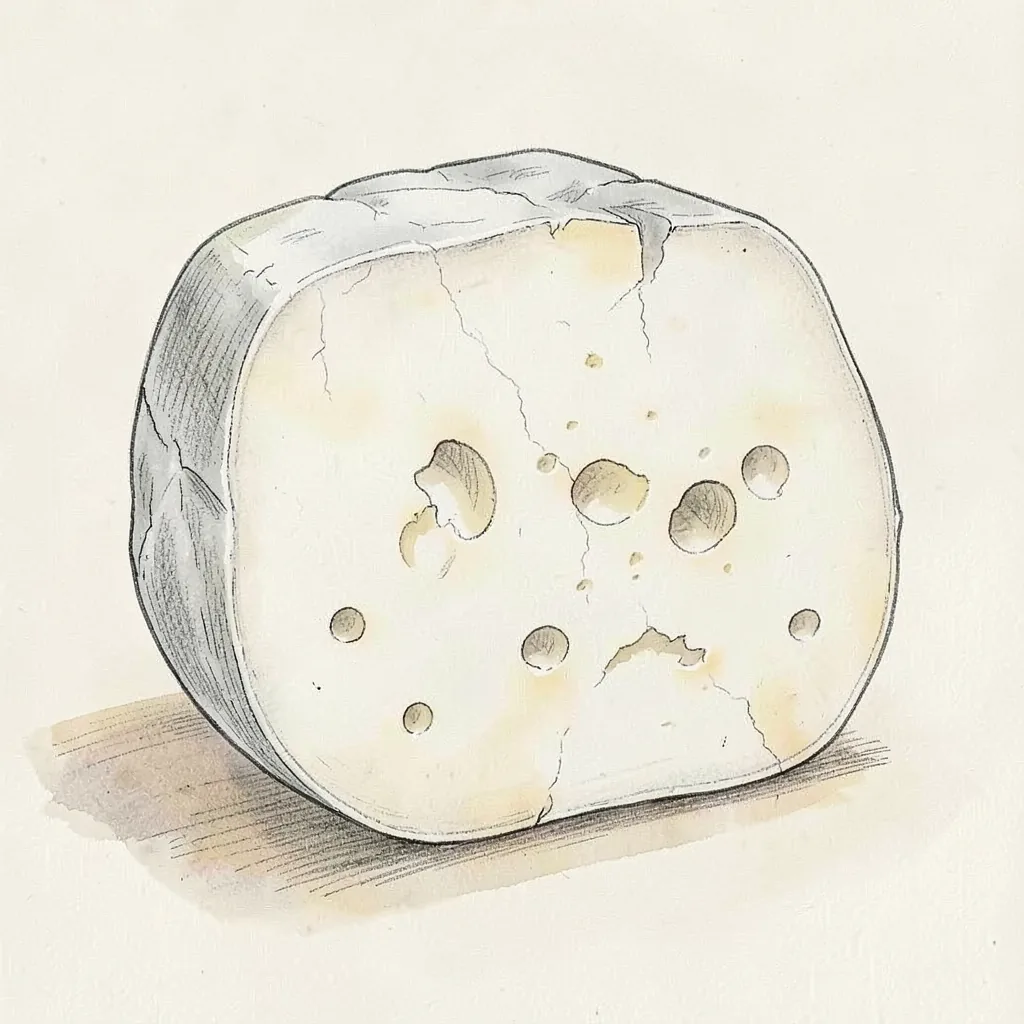
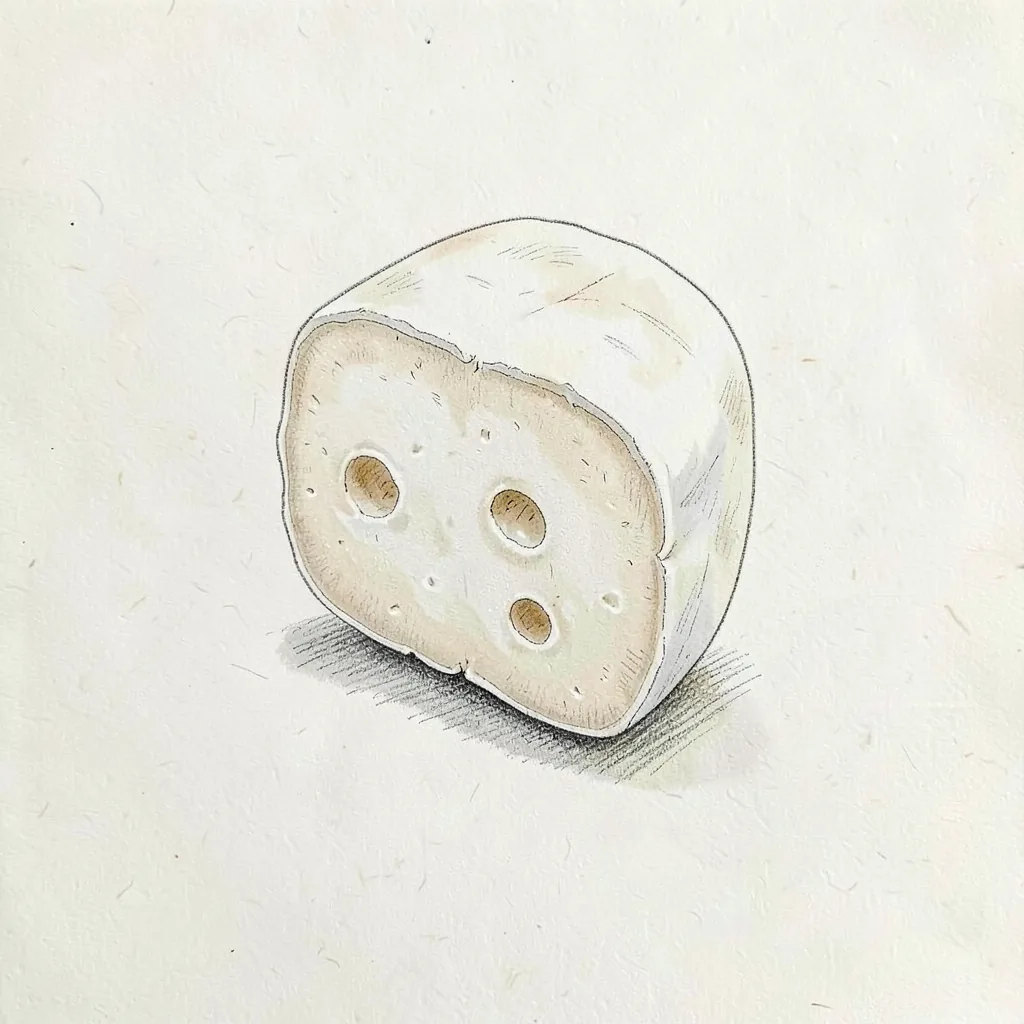
Makers form the curd into small round discs that dry until they are dense and easy to slice. The plain taste is mild and milky, with a stretchy bite once a disc is heated. It is best known as a fried snack, crisp at the edge and soft in the middle. The name covers that hot snack as much as the cheese before it meets the pan.
The discs have no rind and no blue veining, and they are not a processed loaf. A young piece is smooth and elastic, while a piece kept longer tastes stronger and more savory. Color can vary with the milk and the drying, from pale cream to a deeper yellow. In India it is sold to be pan-fried, often with bread and a sprinkle of spice. Most eaters know the browned crust better than the raw disc.
History
Kalari belongs to pastoral food in India, where herders turned milk into a cheese that could be carried and cooked later. The method uses sour whey to set warm milk, and then hands shape the curds into flat rounds. Drying firms the discs so they keep for a while without a cold cellar. The practice is traditional, and it does not trace to one named founder or one company. The country of origin is India, with no single town required to explain the name.
The cheese stayed a handmade food for a long time, and street cooking later made the fried disc widely known inside India. Most eaters meet it hot, with a browned face, rather than as a long-aged wedge on a board. No one owner holds the method. People needed a cheese that could be dried, carried, and then fried in a pan. That practical path is the history that still shows up in the snack.
How it is made
Warm milk is curdled with sour whey, and the solids separate from the thin liquid. The curd is gathered and worked by hand until it holds together and feels elastic. Makers press it into small discs or thick patties that can survive a hot pan. The pieces are then dried so they lose loose moisture and become firm enough to keep for a short time. That drying step is part of the traditional make, not an optional flourish.
Some discs are eaten while they are still mild, and others are kept until the flavor deepens a little. There is no bloomy rind and no brine bath to build a crust. The outside simply dries in the air. When the disc is made well, the interior stays dense and able to soften with heat. A rushed piece may crack or taste sharply sour from the whey, while a careful piece tastes clean and ready for frying.
Taste
Plain Kalari is mild, milky, and lightly tangy, and the texture is dense rather than crumbly. A slice shows a smooth, elastic paste with a clean aroma closer to warm milk than to a sharp rind. Salt is not the main event, unless the cook seasons the disc after it is fried. A longer keep brings a sharper, more savory edge. The cheese should not taste bitter, yeasty, or stale.
Frying changes the cheese, and that hot version is the taste most people mean by the name. The outside turns golden and crisp, while the inside softens into a stretchy center. The flavor stays gentle, so salt, chili, or a spoon of chutney is a common finish. Fat from the pan adds richness and helps the crust brown. Eaten hot, it feels closer to a fried stretched curd than to a firm cheese you would grate.
In the kitchen
Pan-fry the discs in a little fat until both sides are brown, and serve them at once while the center is still soft. The usual plate is a snack, sometimes tucked into bread with onion and spice. A disc can also become a flatbread filling, or it can soften over a hot vegetable dish. This is a cooking cheese more than a quiet board cheese. High heat and a short time give the crust people expect from a stall.
Do not grate it like a hard aged cheese, and do not expect it to stay rigid like a salty cheese that never melts. The center is supposed to go soft and stretch. If you only have a very fresh curd, you can still cook it, but you will miss the dried-disc crust. Season after frying, because the plain cheese is quiet on its own. Eat it hot, since the stretch fades and the crust softens as it cools.
Around the world
Kalari is still mainly an Indian cheese, and many shops abroad do not stock the dried discs. People meet it as a cooked snack inside India more often than as an export wedge. Mozzarella is the cheese often named when someone tries to explain the stretch. Paneer is the other Indian cheese that outsiders mix up with it. Paneer tends to stay firm in a pan, while Kalari is meant to soften inside the crust.
If you cannot buy Kalari, a stretched-curd cheese such as mozzarella can echo the molten center, and halloumi can echo the fried slice. Neither one copies both tricks at once, so the swap is only a kitchen compromise. In India the cheese is a normal food sold for cooking, not a rare item and not a hazard. Look for discs in Indian markets when you travel or shop. Fry them soon after you buy them, while they can still soften.