Sheep
What it is
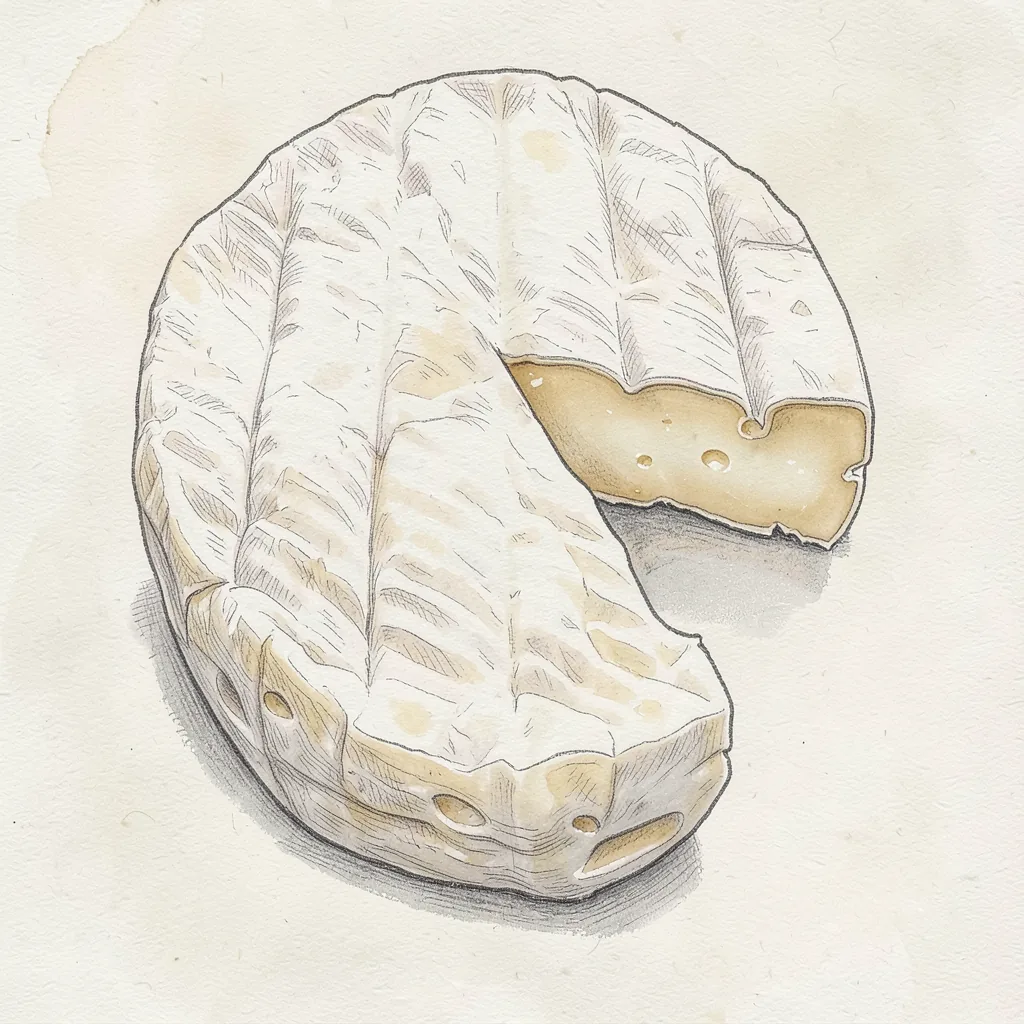
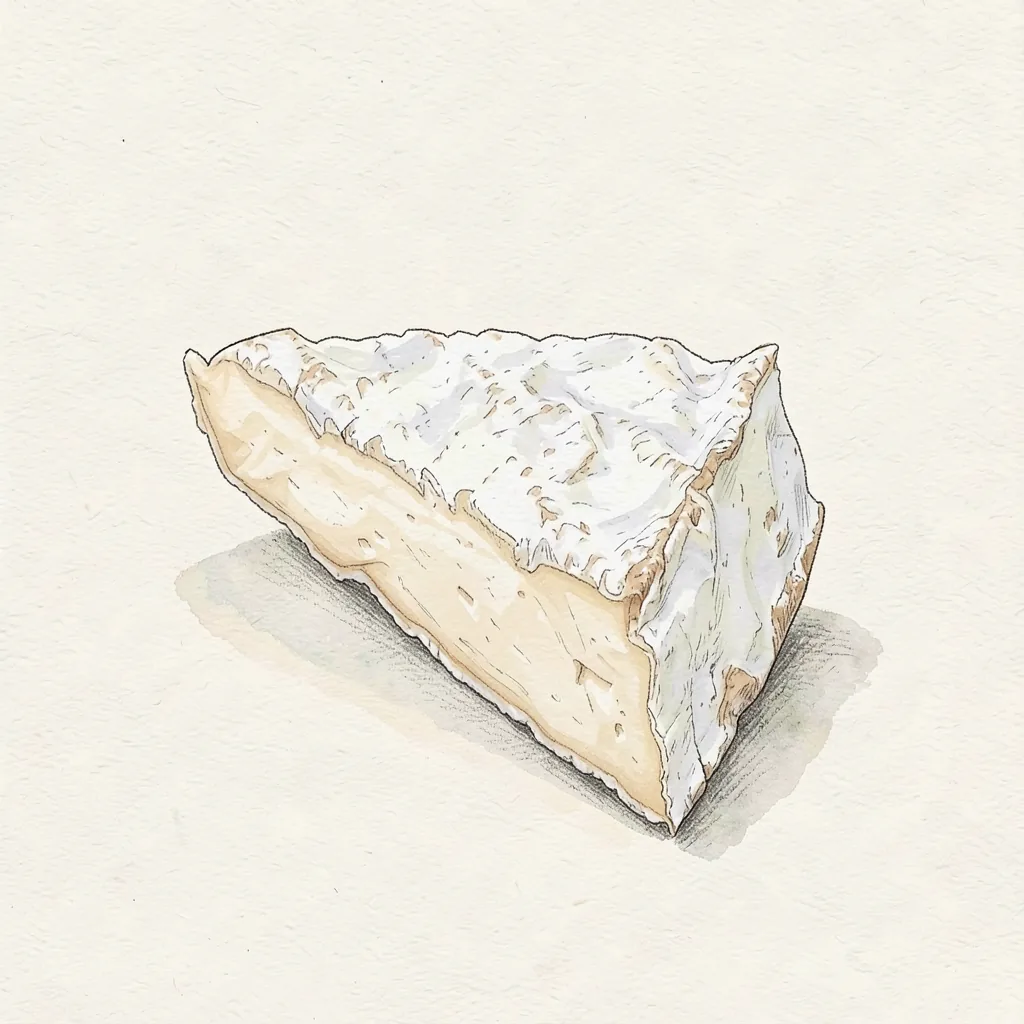
Shepherd's Way Farms makes it in small batches and folds local morel mushrooms into the paste. The name points to Morchella, the group of mushrooms called morels. A mottled bloomy rind covers a creamy interior speckled with pieces of mushroom. It is a seasonal cheese, made with spring and summer milk and sold only while that batch lasts.
The cheese is soft-ripened, so the paste turns tender under the rind while the center can stay a little fuller. The smell is earthy and clearly of mushrooms, with a milky sweetness underneath. Morels gathered in Minnesota give the cheese its speckled look. Production is small, so it shows up at farmers' markets and specialty shops rather than in every grocery case. When the morel season ends, this cheese leaves the counter until the next make.
History
Morcella comes from a farmstead sheep dairy in Minnesota, not from an old European recipe brought over whole. Shepherd's Way Farms already made other sheep's milk cheeses when it added this seasonal one. The idea was direct. Use milk from sheep on fresh pasture, and add morels that people gather in the woods of the state. The cheese stayed a small-batch product because both the milk and the mushrooms are limited.
Morels have a short wild season, and the cheese follows that calendar. Makers use milk from spring and summer, when pasture is fresh, and they sell the cheese while the mushrooms still define it. It never became a cheese sold through the whole year. Shops and markets in Minnesota, especially around the Twin Cities, are the usual places to find it. Outside that season, other cheeses from the same farm may be on sale, but they are not Morcella.
How it is made
The cheese starts with pasteurized sheep's milk from the farm's own flock. Makers set the milk, cut the curd, and drain it gently so the paste stays moist. Morel pieces go into the curd, which is why the interior looks speckled rather than plain ivory. The young cheese is shaped into small rounds. A bloomy rind is then encouraged, and the surface grows a mottled white coat.
Ripening is the step that makes the paste creamy under the coat. The rounds are turned and kept until the rind is set and the inside yields to a light press. Because morels and spring milk are both seasonal, the make is not repeated all year. Batches stay small and sell through quickly. The finished cheese is soft, and it is not a firm wheel meant for long storage in a shop.
Taste
Morcella tastes creamy, earthy, and lightly mushroomy. The morels add a woodland note without turning the cheese into a sharp blue or a pungent washed rind. Sweet milk and a gentle tang sit under that earthiness. The rind is softer and more aromatic than the center of the paste. A piece straight from the cold hides the smell, so let it warm a little before you judge it.
The aroma is stronger than the flavor, which surprises people who expect a mild fresh cheese. It is still balanced, and the mushroom does not cover the sheep's milk. The paste can be spoonable near the rind and a bit fuller in the middle, which is half the pleasure. At the right moment the cheese is rich, clean, and quietly wild, while a harsh smell or a slimy paste means it is past its best.
In the kitchen
Serve Morcella in a simple way. Crusty bread is the pairing that makers and sellers repeat, because strong extras cover the mushroom. A few slices on a board, with nothing sharper than a mild fruit, show the cheese clearly. It can be spread once it is ripe. Do not grate it, and do not expect it to brown and hold like a firm cheese on a hot plate.
Use it close to the day you buy it if you can. The bloomy rind keeps working, and a ripe piece can go from creamy to soft and flowing. Wrap it loosely, keep it cold, and uncover it before you serve. It is not a cheese for a long simmered sauce. If you want it warm, set a piece on toast for a moment and eat it at once, before the morel note fades.
Around the world
Morcella is a Minnesota specialty, and most of it stays in the Upper Midwest. Cheese shops in other American cities sometimes carry cheeses from the same farm, but this one is the seasonal exception. Ask for it in spring and early summer, and expect a short window. It is not a supermarket brand with a steady slot on the shelf. Travelers who want it should look at farmers' markets and at counters that already sell American sheep's milk cheese.
Perail is a fair substitute if you want a small sheep's milk cheese with a soft rind. It will not taste of morels, but the milk and the tender paste sit in a similar place. Brie can stand in when you only need a creamy bloomy cheese for bread. It is a different milk and it has no mushroom pieces in the paste. If the morel note is the reason to buy Morcella, there is no everyday cheese that copies it.