Sheep
What it is
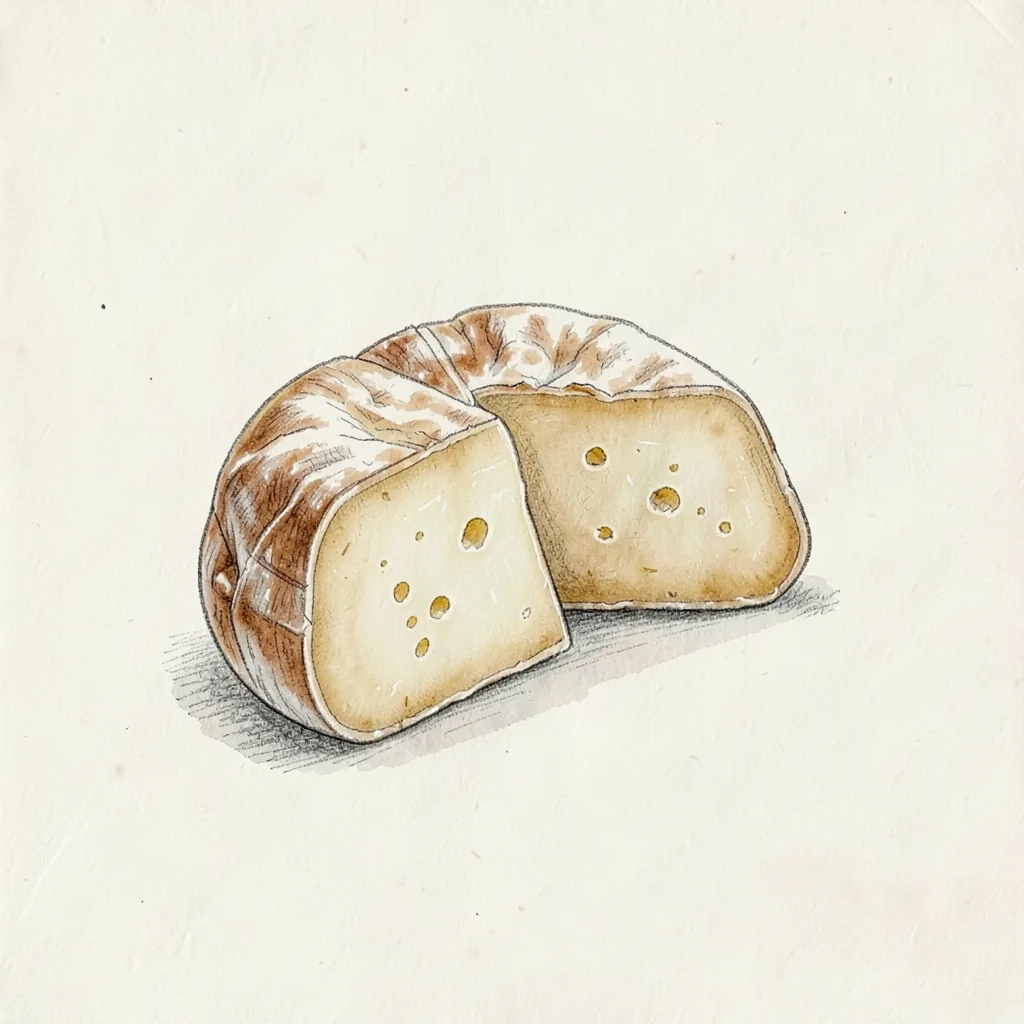
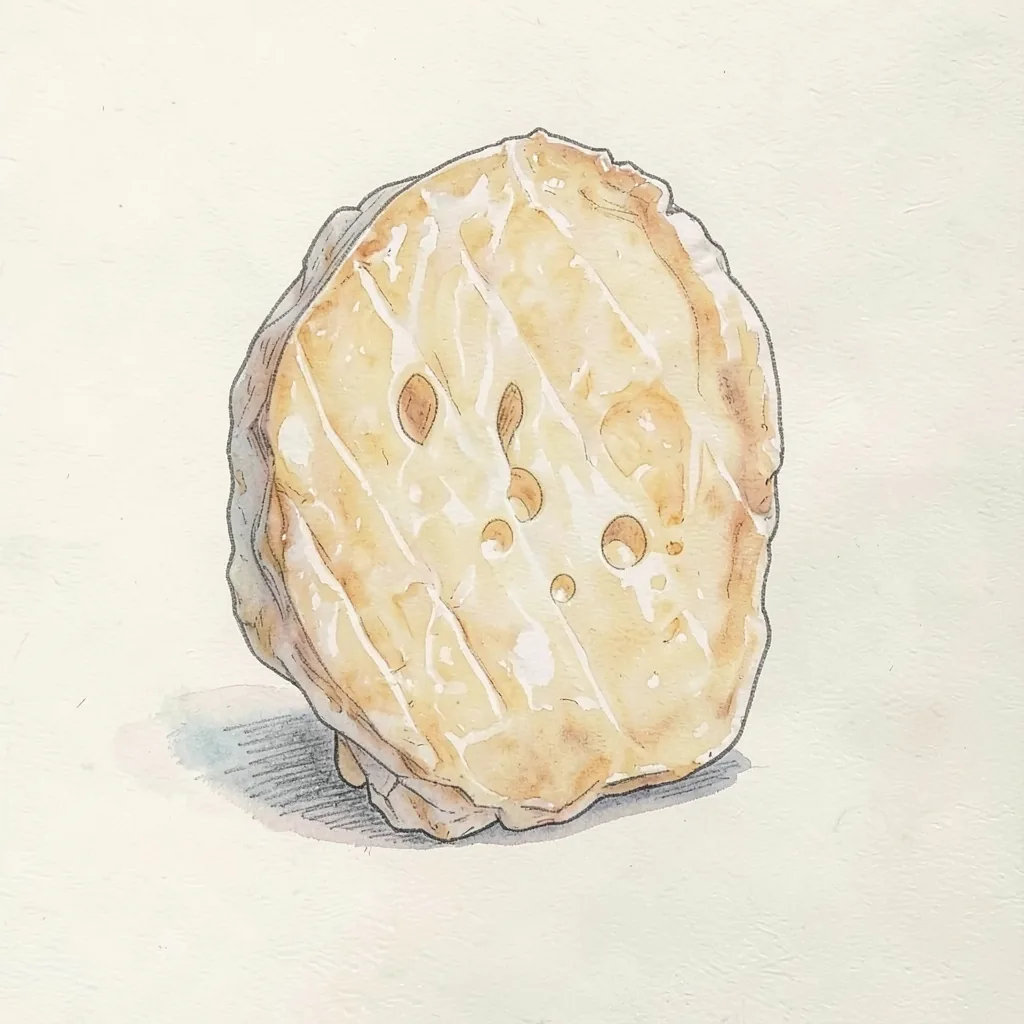
Makers use whole sheep's milk, and the rounds stay flat and light rather than tall. A thin ivory skin carries a faint white bloom, and the paste inside is pale and creamy. The cheese is sold young, while the center still holds together and the edge is soft enough to spread. It belongs on a board, not on a grater.
The smell is warm milk with a clean woolly note, and the taste is mild and slightly sweet. Salt stays light, so the sheep character is easy to notice. Under the bloom the paste can turn almost spoonable, while the middle stays a little denser. There are no blue veins and no sticky washed rind. Eat it cool but not icy, because a very cold piece hides the aroma.
History
Pérail began as a farm cheese in the sheep country of southern France. Herders set small rounds from whole milk and let them drain without a heavy press. The name is linked to a stone sink where the cheeses used to lose their whey, which fits the low, flat shape. It was food for the farm long before it was a shop specialty. The method stayed simple even as dairies took it up.
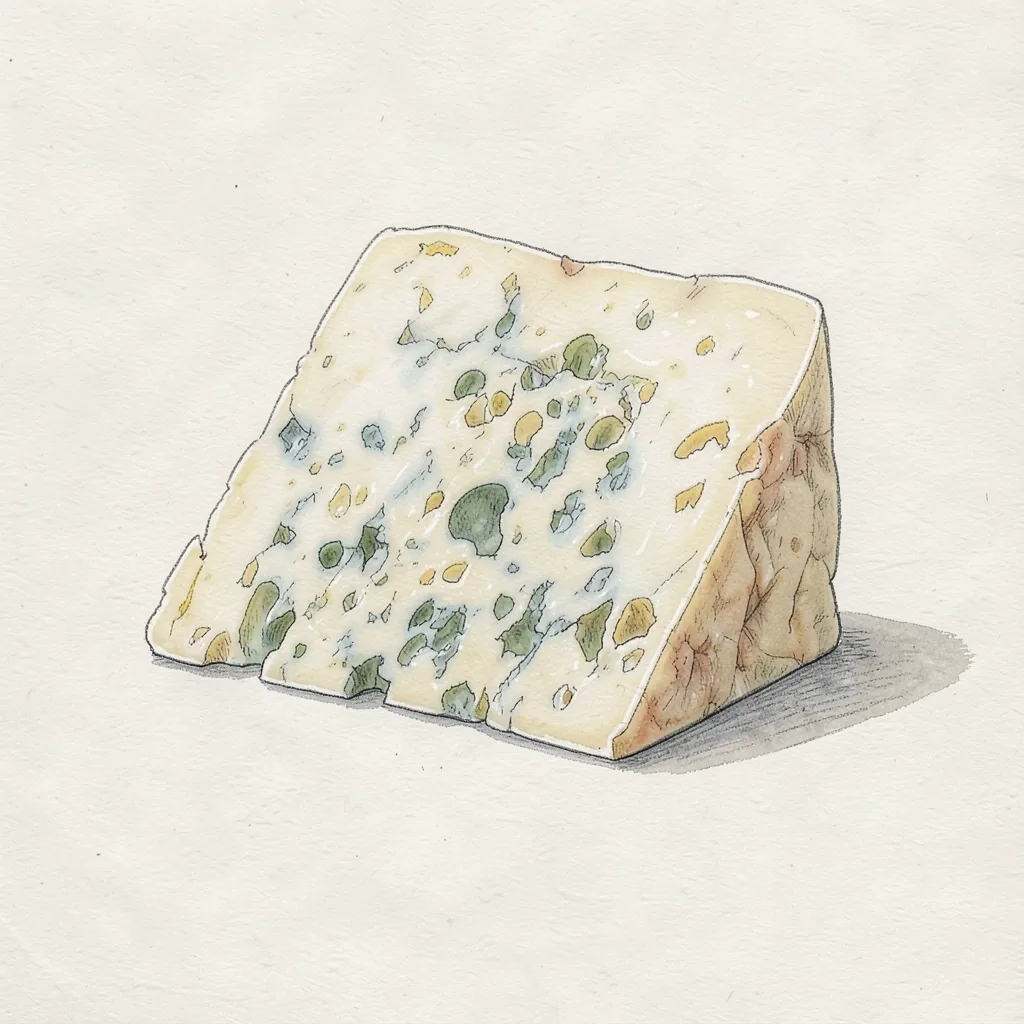
Aveyron sits on the southwest side of the Massif Central, and sheep dairying is an old trade there. Pérail is still made on farms and in dairies through the year. Ripening is short, and a light surface bloom does the work. Roquefort comes from the same sheep country, but it is a salty blue with another job in the kitchen. A small white disk and a pierced wedge are not the same cheese.
How it is made
Whole sheep's milk is set with whey starters and rennet, then left to curdle gently rather than cooked hard. The curd is ladled into small flat molds and drains by gravity while the rounds are turned so the whey leaves evenly. Makers do not press the cheese into a firm block. Salt goes on with a light hand, enough to season and not enough to sting. At this stage the round is pale, fragile, and still without a true skin.
A surface flora, especially the yeast-like Geotrichum, grows a thin bloom over the top and sides. The bloom stays delicate, and the skin remains soft enough to eat with the paste. Moisture gathers under that skin, so the edge loosens while the center stays a little firmer. The cheese is meant to be eaten while the flavor is still mild. A long stay in a damp cave is not part of this style.
Taste
The first taste is milky and slightly sweet, with a sheep note that people often call clean wool. Acid is gentle, and bitterness should be absent. The bloom adds a faint fresh-cream or mushroom smell without a strong barnyard punch. Near the skin the paste is soft, and the center is smooth and moist. Let the piece warm a little before you judge it, because the fridge dulls the smell.
A younger round tastes bright and lactic. Give it a little more time and the edge turns creamier, with a fuller aroma that should still not be sharp. Salt remains in the background the whole way. If the skin smells harsh, or the paste looks watery and broken, the cheese is past its best. At a good point it is one of the milder sheep cheeses you can put on a French board.
In the kitchen
Serve Pérail with bread, a ripe pear, or a few nuts, and eat the skin along with the paste. When the edge is very soft it can be spread on warm toast. Slices sit well on a green salad if you add them at the last moment, so they stay in soft pieces. Heat is not the strength of this cheese. A short rest in a warm kitchen is enough to open the smell.
A dry white wine from southern France, or a light red, will sit beside it without covering the milk. Honey is pleasant in a small dab, but a strong chutney hides the cheese. Do not grate it, and do not expect it to stretch or brown. Wrap a cut piece so the bloom can still breathe a little, and finish it soon. Once the round is open, the paste dries and the aroma moves on.
Around the world
Outside Aveyron, Pérail shows up at French cheese counters and in shops that carry small sheep's milk rounds. It is less famous than the blue cheeses of the same region, so many buyers pass it by. The label should name the cheese and say sheep's milk. A generic soft disk is not always the same thing. Ask for a piece that still feels supple, not collapsed or dry at the edge.
Rocamadour is the usual mix-up, because both cheeses are small, soft, and from southern France. Rocamadour is made from goat's milk, and the flavor is tangier. Pelardon is another small goat round, and it can stand in when you want a mild disk rather than a sheep one. Roquefort shares the sheep's milk and the region, but it is salty, blue, and meant for a different plate. Choose the soft goat cheese only if the woolly milk note is not the point.