Water buffalo
What it is
Makers curdle the milk, shape it into small balls, and salt them in brine. The texture is soft and a little leathery, not stretched like a fresh mozzarella. The flavor is very salty, so people use a small bite as a condiment with rice. It is also called Giam-ngu-ring, a name that means salty milk.
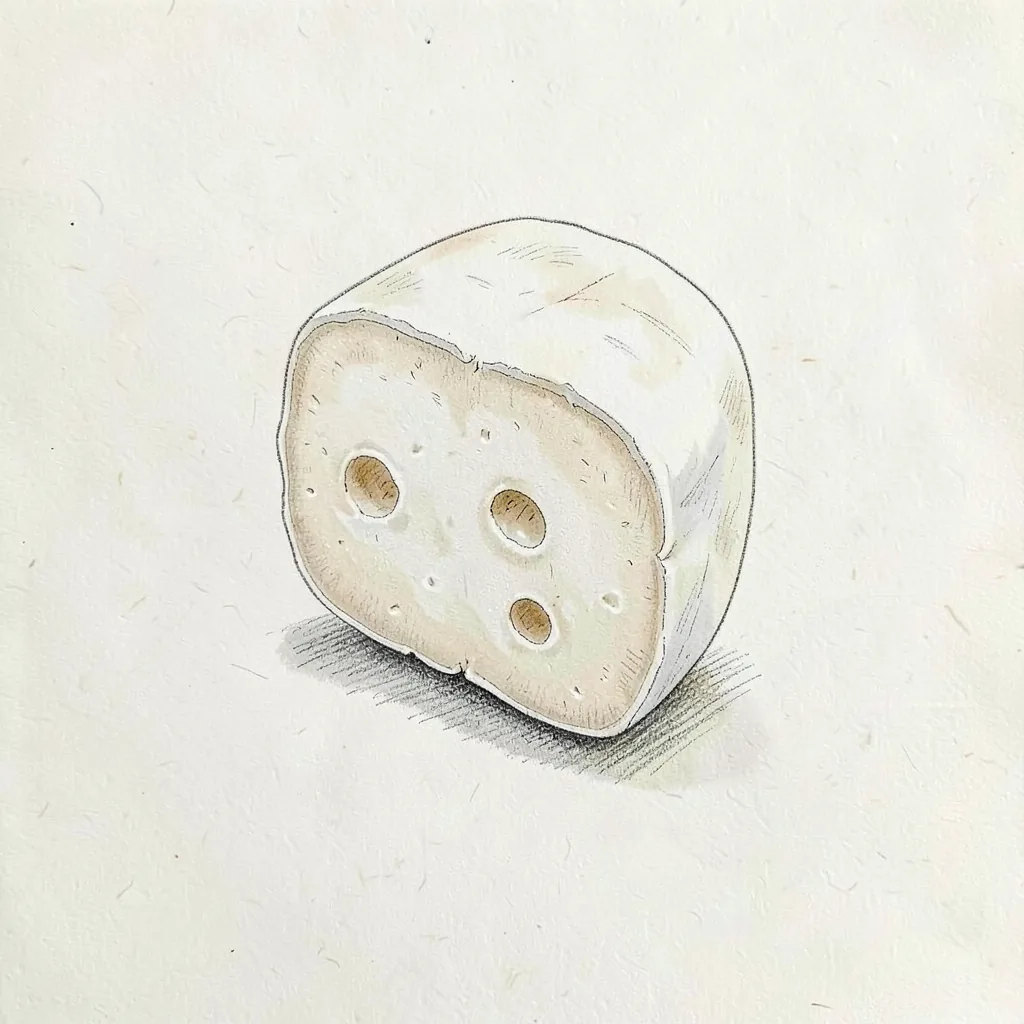
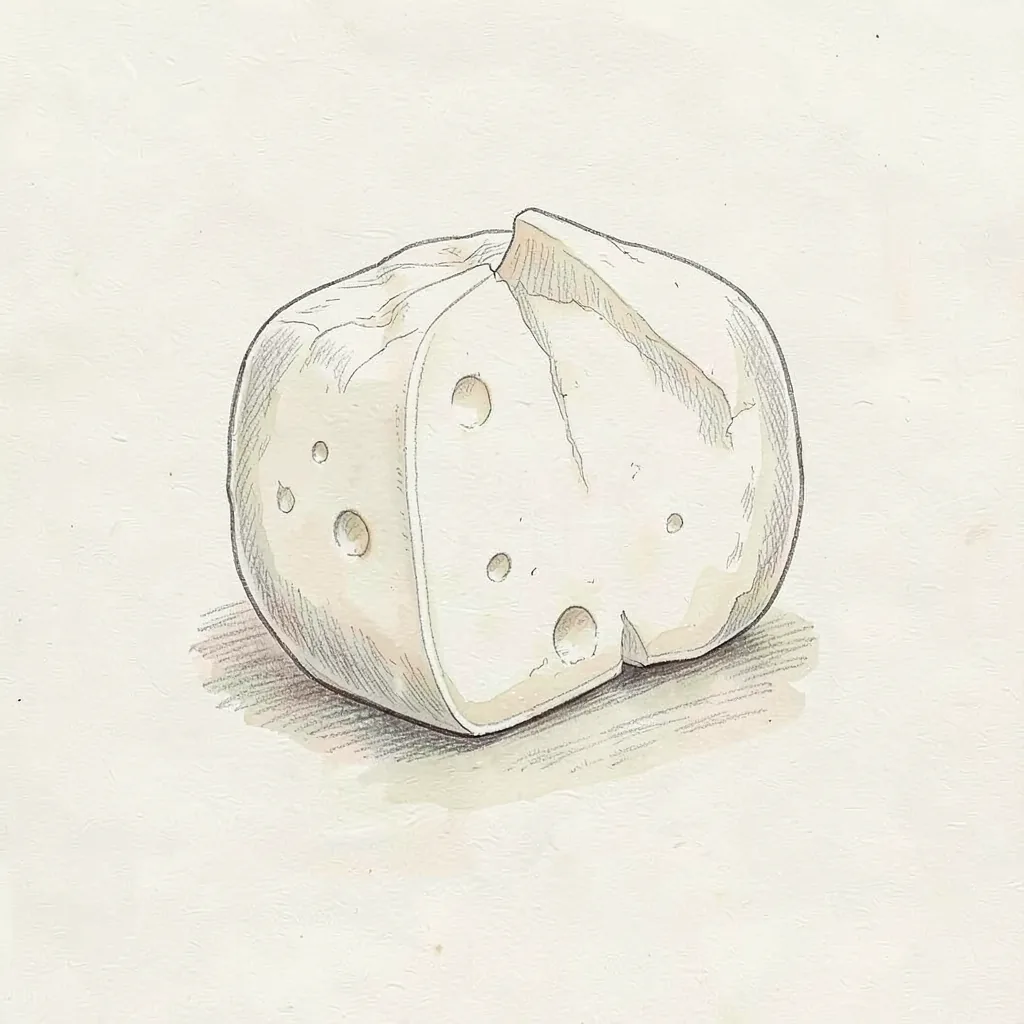
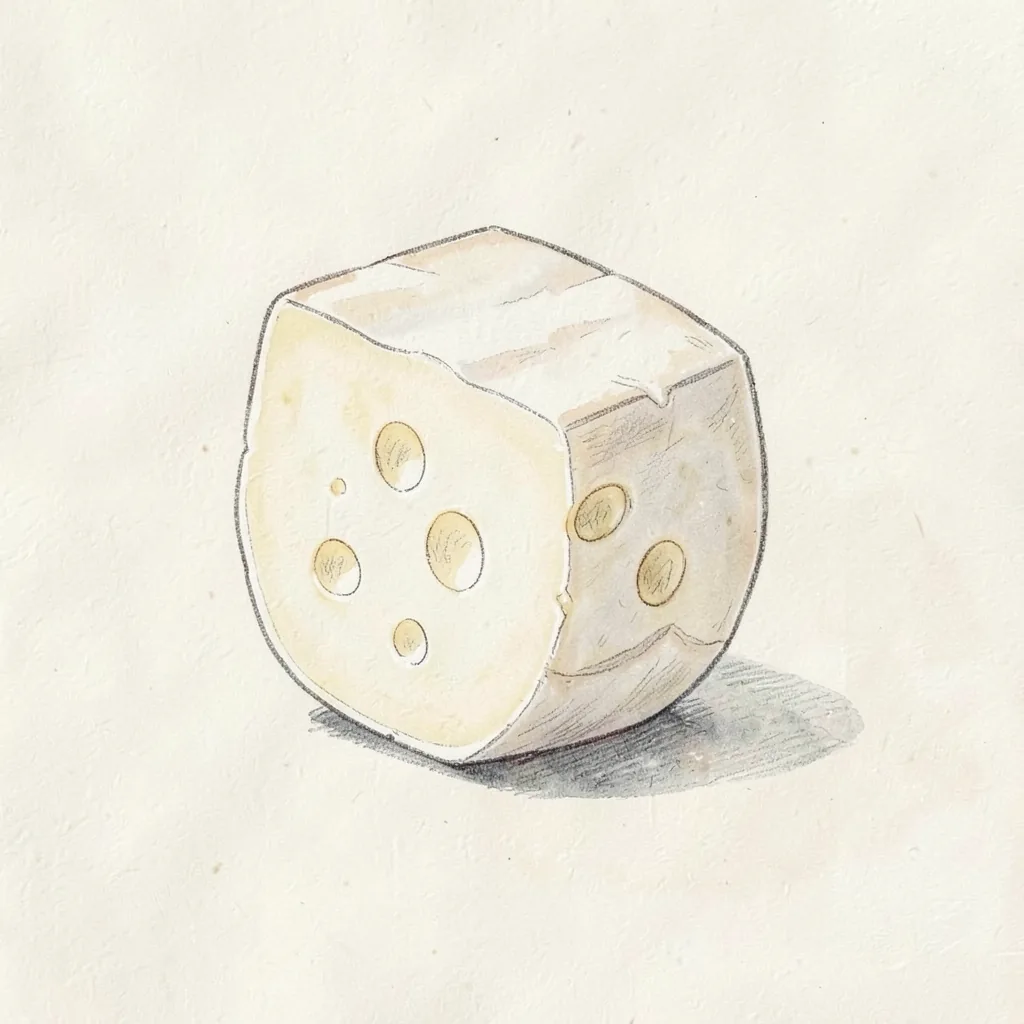
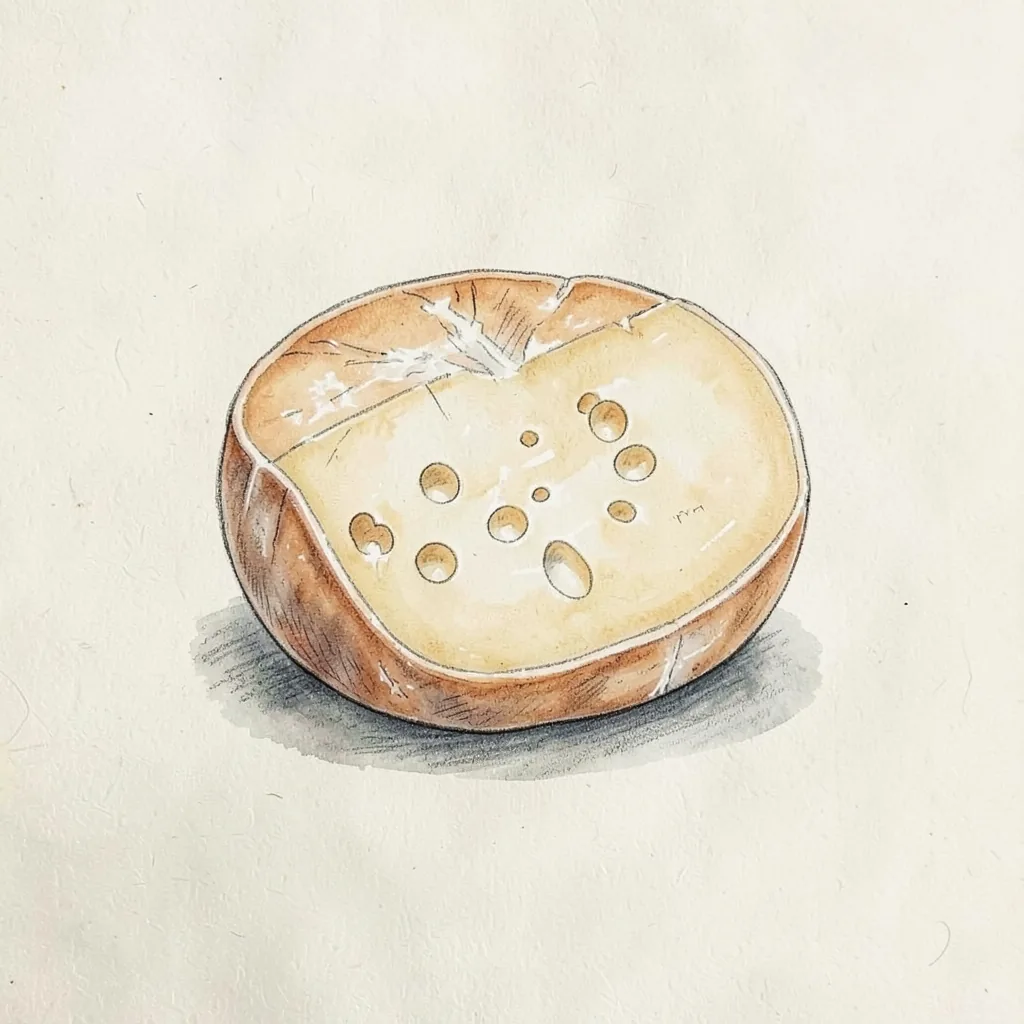
The balls are white to cream, with no rind and no holes. A bite is dense and saline, meant to season a bland bowl rather than to fill a sandwich. Rice congee is the usual partner, and one small piece can season a large serving. The cheese is a local food, not a melting cheese for pizza. Buffalo milk is the base, which keeps it separate from goat cheeses made in other parts of China.
History
Nguri belongs to the small group of traditional cheeses in China, where fresh curds are more common than long-aged wheels. In Fujian, buffalo milk was turned into these salty balls for use with rice. The cheese stayed a household and market food rather than a national export brand. Its Chinese name is written as bovine milk, and the longer local name stresses the salt. No single firm owns the style.
The method fits a warm climate, where salt and acid keep a small cheese edible without a cave. Families and small makers shaped the curd in cloth and sold the balls locally. The cheese did not travel with the fame of European blues or alpine wheels. Written notes in cheese lists still place it in Fujian and still describe the salty bite with congee. That plain role is the history that matters.
How it is made
Fresh buffalo milk is curdled with vinegar or a similar mild acid, not with a long rennet aging. The curd and whey separate, and the solids are gathered in cloth. Makers twist the cloth to press out moisture and form small compact balls. Those balls then sit in a salty brine, which is what makes the cheese so saline. The process is short and manual, closer to a fresh curd than to a wheel that rests for a season.
The finished ball is soft, with a slightly leathery surface from the cloth and the salt. There is no rind wash, no blue mold, and no smoking step. Size stays small so the brine can season the whole piece. Color is pale, and the inside is dense rather than open and holey. Makers sell it to be eaten in bites, not sliced into thin sandwich sheets.
Taste
Salt is the first impression, strong enough that a small bite seasons a bland bowl of congee. Under the salt there is a clean dairy note from buffalo milk, with a mild tang from the acid set. The texture is soft but tight, a little chewy at the surface. It is not buttery, not mushroomy, and not sweet. People who expect a mild fresh cheese are often surprised by how salty it is.
A good piece tastes salty and fresh, not sour in a spoiled way and not bitter. If the brine has been too heavy, the milk flavor disappears and only salt remains. The leathery edge should still yield. There is little aroma compared with a washed rind or a blue, and the flavor stays direct. Eat it with plain rice food so the salt has a job to do.
In the kitchen
Use Nguri as a condiment with plain rice congee. Take a small bite with a larger spoon of the porridge so the salt spreads through the bowl. It can also sit beside plain rice or a simple vegetable dish in the same way. Do not melt it on a pizza or stuff it into a grilled sandwich. The cheese is a seasoning, and a little is enough for a whole bowl.
Keep the balls in their brine if they came that way, and drain a piece before you eat it. Rinsing lightly can soften the salt if a batch is extreme, but do not soak away the whole character. Cut one ball into a few bites rather than serving a large slab. It does not crumble like a blue and does not grate like a hard cheese. Pair it with food that is plain, warm, and low in salt.
Around the world
Outside Fujian, Nguri is rarely on a supermarket cheese counter. Most people meet it in writing about Chinese cheeses, or in a local market if they are in that province. It is not the buffalo mozzarella of Italy, even though both use buffalo milk. It is also not rubing, the fresh goat or sheep cheese of Yunnan, and not rushan, the cow's milk cheese that is fried or grilled. Those cheeses share a country, not a recipe.
If you need a stand-in for cooking, paneer is an acid-set fresh cheese that will hold its shape, but it is not salty and it is not made from buffalo milk. Queso blanco can play a similar plain role in a hot dish. Neither one seasons congee the way a brined Nguri ball does. Rubing is the Chinese cheese people most often confuse with it, and rushan is the one they grill. Buy Nguri for the salt, or use a different cheese and salt the food yourself.