Goat
What it is
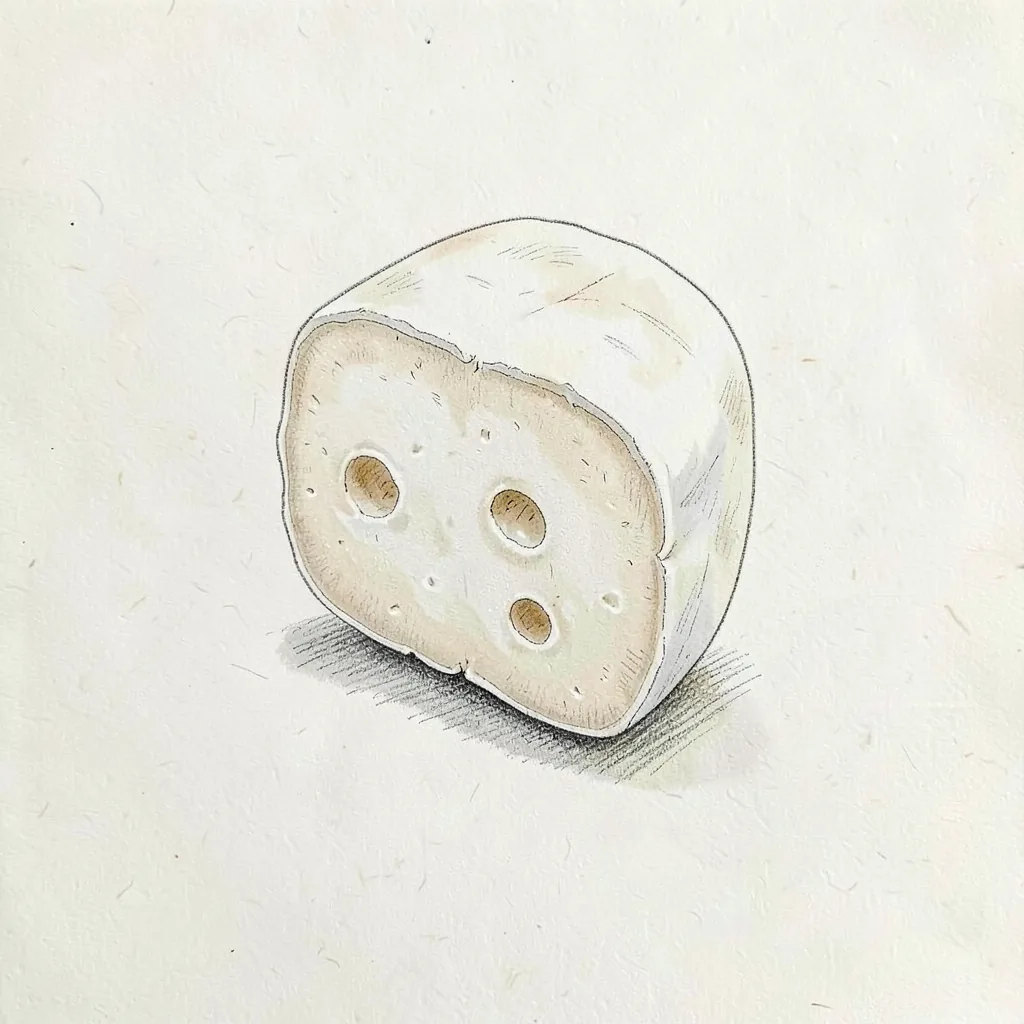
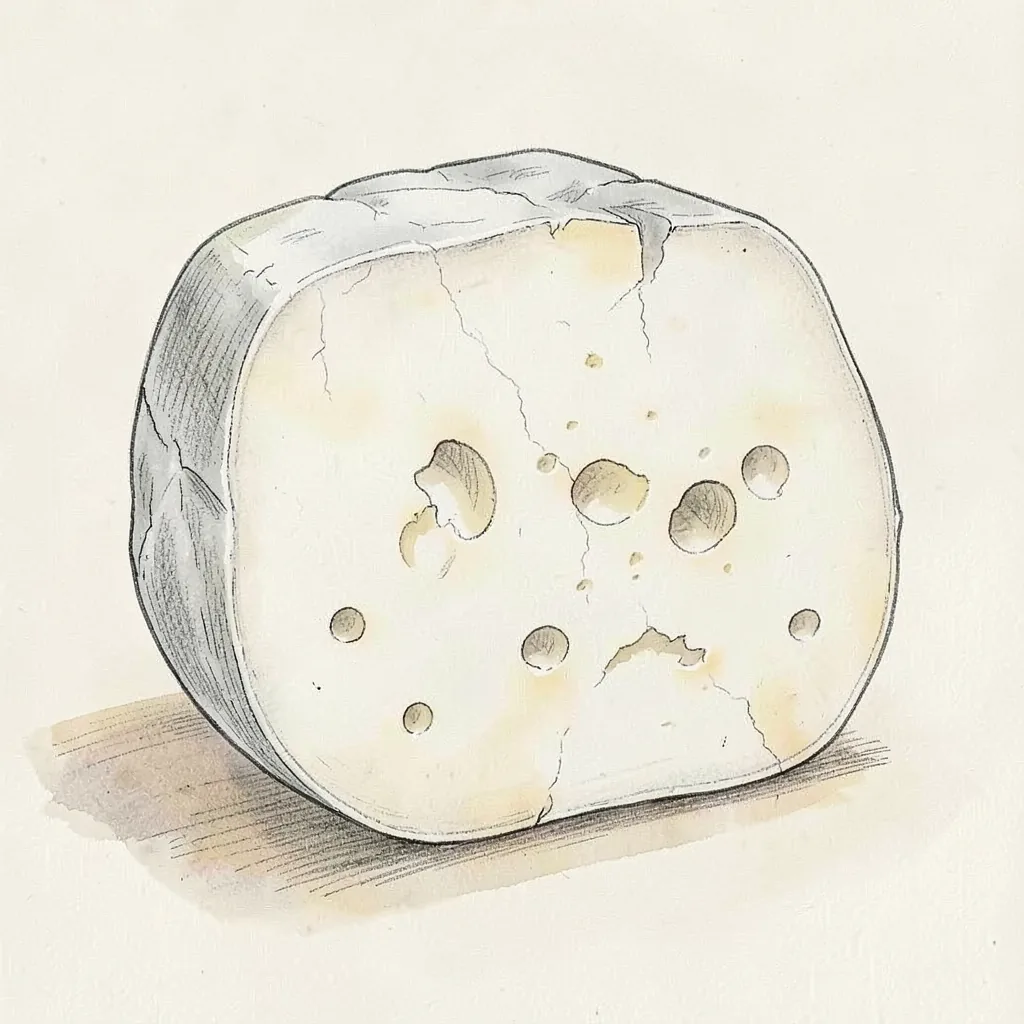
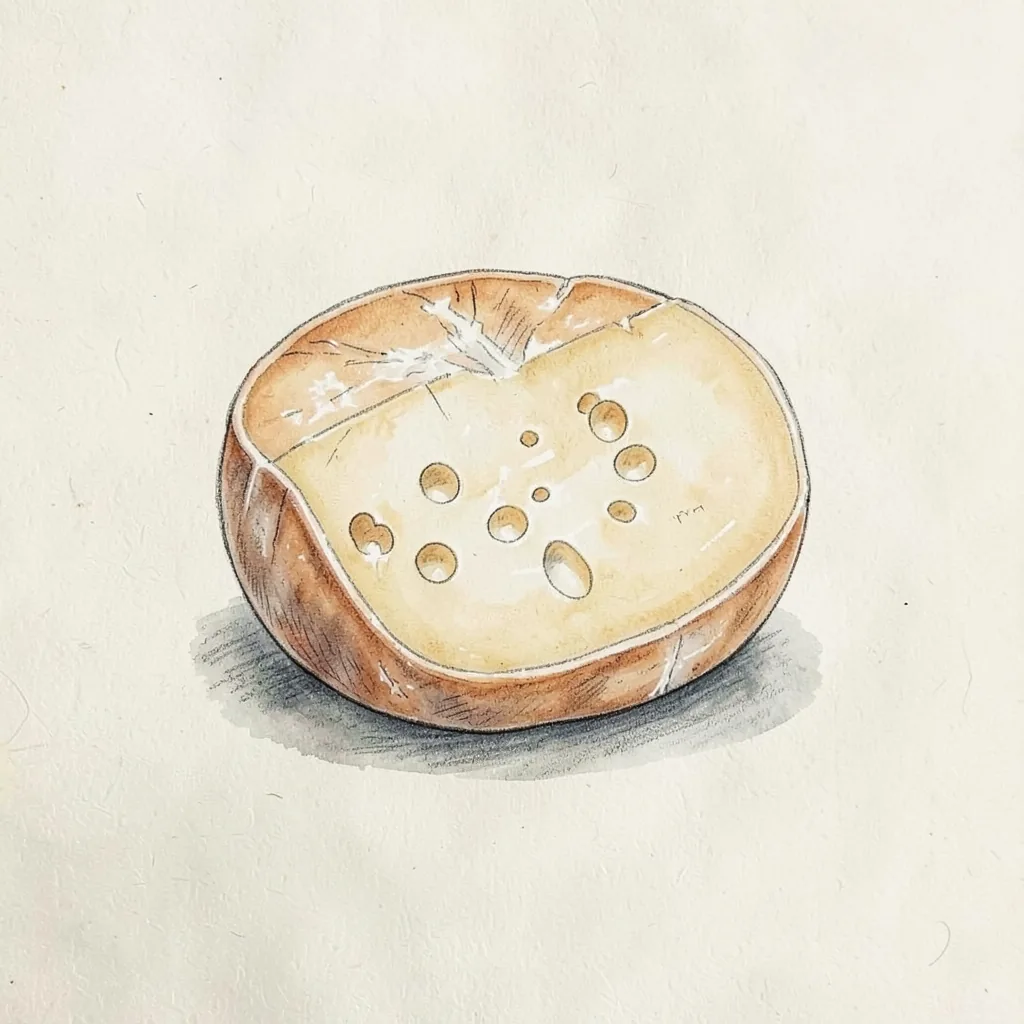
The name refers to a firm milk cake that is pale, moist, and free of rind. It is set with acid, so slices hold their shape in a hot pan instead of melting into a pool. The taste is mild, milky, and lightly tangy. Cooks usually fry, steam, or stir-fry it rather than set an uncooked block alone on a cheese board.
The cheese is a farmer style, made to be eaten fresh rather than aged. A slice looks smooth and white, and it feels springy under the knife. It is not a salty brined cube, and it is not a soft cheese you spread on bread. Goat's milk gives it a gentle aroma that stays pleasant after cooking. A golden crust and a soft center are the usual signs of a well-cooked piece.
History
Fresh goat's milk cheese of this kind has a long place in Chinese cooking, where milk from herds had to be used before it soured. Makers set the milk with a souring agent and pressed the curd into cakes. Rubing is the name used for that cake. It stayed a regional food inside a very large country, not a single brand sold the same way everywhere. Markets still treat it as an everyday ingredient for the pan.
The cheese did not travel as a famous export the way many European wheels did. It remained close to the kitchens that fried it and steamed it. Home cooks and small makers kept the acid-set method because the cake needs no long aging. It could be made, sold, and cooked in a short span of time. That practical role is why the texture stays fresh and firm, and goat's milk is still the point of the traditional cake.
How it is made
Makers heat fresh goat's milk and stir in a souring agent so the curd separates from the whey. They gather the curd, drain it, and press it into a firm cake. There is no brushed rind and no salty brine bath. Salt in the cheese itself may be light, because seasoning often happens later in the pan. The cake is finished when it is easy to slice and still moist inside.
The pressed cake is not aged into a hard grating wheel. It is kept fresh and cooked soon after it is made. Slices hold together in heat because the acid set keeps them from melting away. A cook can brown the outside in a pan, steam the slices, or stir-fry them with vegetables. Those steps are how people eat the cake, not how the dairy makes it, and the cheese work stops at the firm white block.
Taste
Plain Rubing tastes milky, mild, and a little tart, with a soft goat aroma. It is not sharp, not blue, and not salty in the way a brined cheese is. The body is tender but resilient, so a bite has a gentle chew. Fried slices add a toasted note on the crust while the center stays soft. Steamed slices keep the flavor quieter and more purely milky, with less browning on the edge.
Goat's milk is noticeable, but it is not harsh when the cheese is fresh. A piece kept too long tastes more acidic and less sweet. That shift is a storage change, not a separate aged style with its own name. Chili, salt, or a little sugar on a fried slice changes the plate more than the cheese changes itself. The dairy flavor should still read as clean, and a raw cake that smells strongly sour is past its best.
In the kitchen
Slice the cake and pan-fry it until the sides are golden and the center stays soft. Serve those slices with salt, chili, or a small sweet note if you like that contrast. Stir-fry cubes with tomatoes or other vegetables so the cheese stays in distinct pieces. Steam it when you want a milder dish with less browning. It will not melt into a sauce, so plan the meal around pieces you can still see.
Treat it more like a firm fresh cheese than like a grating cheese or a bloomy round. It can go on skewers over heat if you want a browned edge and a warm center. Do not expect the slices to stretch like a pulled cheese. Pair the cooked pieces with rice, herbs, and a sharp condiment. Keep the unused cake cold, trim a dry edge, and eat it soon, because this fresh cheese does not improve with time.
Around the world
Outside China, Rubing is uncommon in ordinary cheese shops. Some Asian markets carry it, and restaurants that cook regional Chinese food are the other place to meet it. A picture of a white block is not enough, because several fresh cheeses look alike. The goat's milk label and the habit of frying the slices are the useful clues. If a menu describes thin sheets toasted over heat, you may be looking at a different Chinese cheese.
Paneer is the closest widely sold substitute, because it is also mild, set with acid, and willing to brown without melting. Halloumi holds its shape on a grill, but it is saltier and has a squeakier chew. Neither one carries the same goat's milk aroma. Use them only when Rubing is absent, and season with a lighter hand if the substitute is already salty. The Chinese cake is the one to buy when a dish depends on that gentle goat note.