Sheep
What it is
Makers press warm curd into a carved wooden mold, so each piece comes out like an egg or a small spindle with a raised pattern. Many wheels are then smoked, which darkens the surface and adds a wood fire smell. Some dairies blend in cow's milk, and those pieces taste milder and less sheepy. The sheep's milk cheese is the one tied to older mountain farm practice.
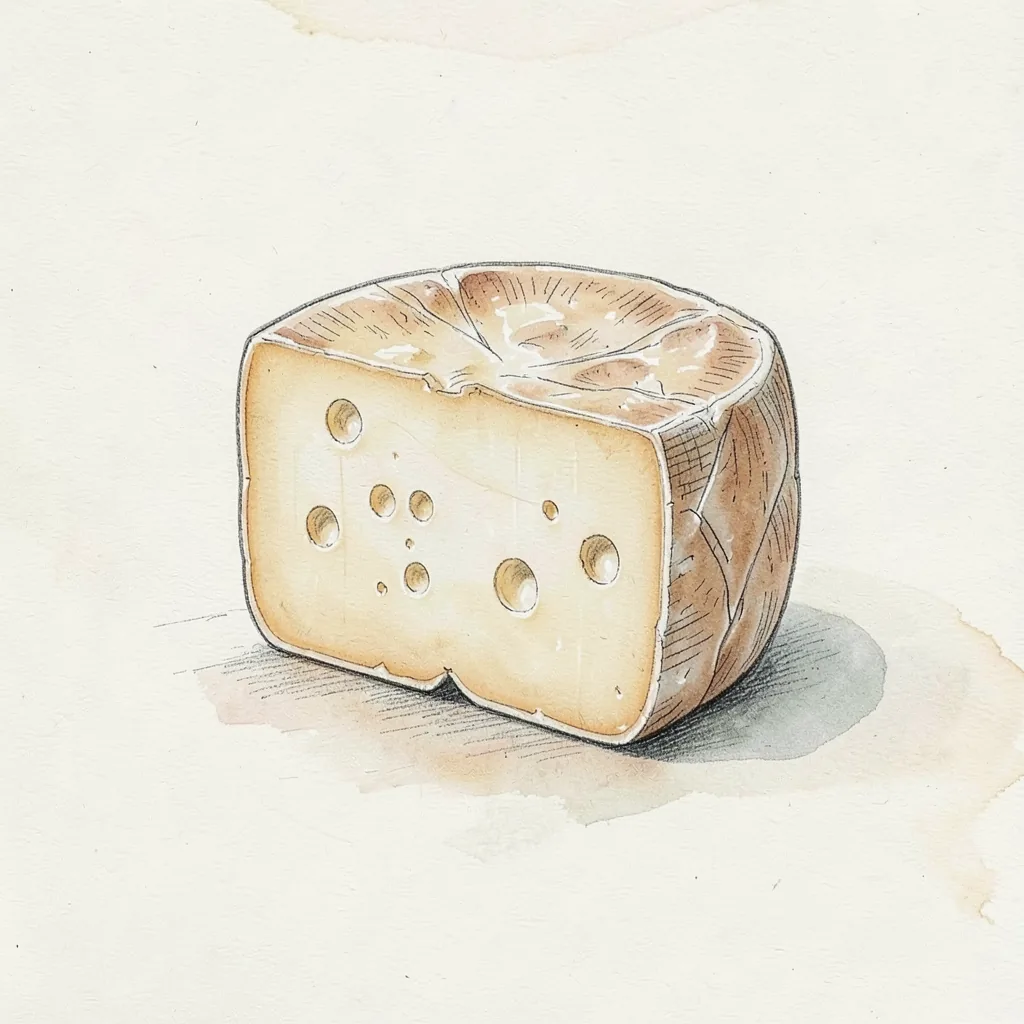
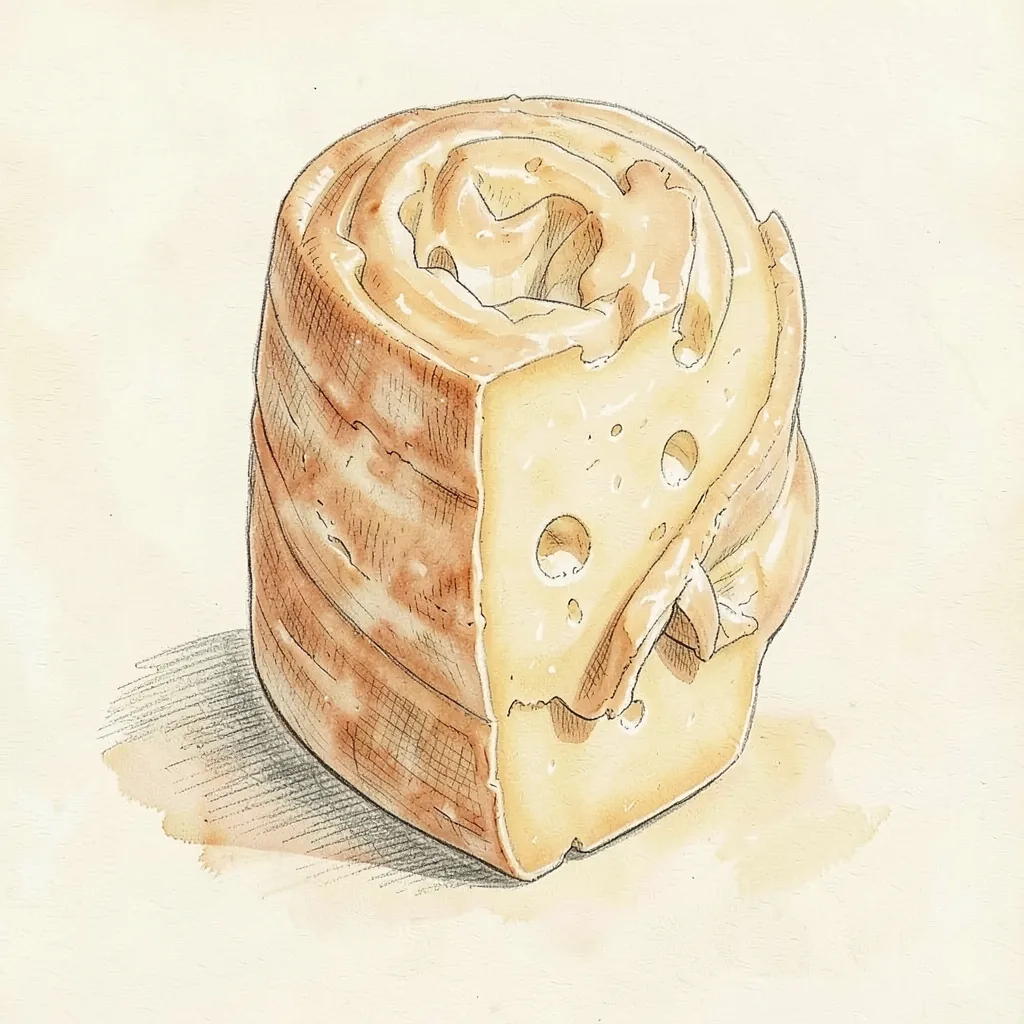
A slice is firm enough to hold and still a little springy in the center. The paste is pale, with small openings rather than a dry granular break. Smoke sits toward the rind, while the middle stays milky and salty. Unsmoked pieces show more sheep's milk and less fire. Both kinds are sold as snacks, and the salt plus a dry surface helps them travel.
History
Farm dairies in Slovakia made oštiepok from fresh sheep's milk during the grazing season. The cheese belonged with other sheep's milk foods, and it was shaped so people could carry and store it. Carved molds pressed a pattern into the surface, and that pattern could mark a local style without a paper label. Salting came next, and smoking followed for many batches, both for flavor and for keeping quality. Later, larger plants copied the shape for shoppers beyond the farms.
Outside Slovakia, people often meet oštiepok beside Polish oscypek. The two share a decorated body and, usually, a smoked rind, but they are not one recipe. Oštiepok may be steamed, smoked, or left plain, and the milk may be sheep's milk or a blend. Oscypek follows its own sheep's milk habit in southern Poland. Reading the country and the milk on the label keeps the two spindles apart.
How it is made
Warm sheep's milk is set with rennet, and the curd is cut so the whey can drain. The mass is heated until it turns pliable, then worked by hand to press out more whey. A measured lump goes into a two-part wooden mold with a carved design inside. The mold is fastened until the pattern sits in the surface. The cheese that comes out is a compact egg, cone, or spindle, not a flat wheel.
The piece is salted, often in brine, until the salt moves inward and the outside begins to firm. After drying, many batches are cold-smoked over hardwood such as beech. Smoke turns the rind from gold toward brown and adds the familiar fire aroma. Unsmoked oštiepok stops after salting and drying, so the paste stays paler and the smell stays milky. Farm batches stay close to the hand method, while larger plants may pasteurize the milk and steam the curd before molding.
Taste
Smoked oštiepok tastes salty, gently sour, and clearly of wood smoke. Sheep's milk gives a rich, slightly tangy middle under that smoke. The rind is firmer and more aromatic than the center, so a thin slice carries both. The paste is elastic rather than crumbly, and it should not weep on the board. A younger piece is milder, and a drier piece tastes sharper and more savory.
Unsmoked oštiepok is cleaner and more milky, with salt, a light sheep tang, and almost no bitterness. A blend that includes cow's milk softens the sheep note and makes the flavor plainer. Neither style should taste burnt, soapy, or rotten. Good cheese smells like warm milk and a clean wood fire, and the finish is savory rather than harsh.
In the kitchen
Cut oštiepok into thick slices and eat it with bread, or warm the slices until the edges soften. In Slovakia it is a common snack, and it also sits on a board beside pickles or a sharp fruit preserve. A dry piece can be grated over potatoes when you want salt and smoke. It softens with heat, but it does not flow like a young melting cheese. Keep the heat moderate so the smoke stays pleasant.
Smoked slices pair with rye bread, onion, and a simple potato cake. The unsmoked cheese is the better choice in a tomato salad, where sheep's milk can show. Fruit or a crisp raw vegetable cuts the salt. Wrap the cut face so the paste does not dry into a hard rim. Finish an open piece soon, because the surface takes on other smells in the fridge.
Around the world
Beyond Slovakia, oštiepok appears in Central European shops, at food fairs, and in boxes of smoked specialties. The decorated shape makes it a gift as well as a food. Labels should say whether the piece is smoked and whether the milk is sheep, cow, or both. That line changes the taste more than the mold pattern does. A sheep's milk wheel is fuller, and a cow's milk wheel is milder.
Oscypek is the cheese most often taken for it. Both are shaped, salted, and usually smoked, and both come from a mountain sheep-dairy tradition. Parenica is another Slovak relative, but it is a smoked ribbon of stretched curd, not a molded egg. If a shop has no oštiepok, oscypek will cover a board or a grill. Expect similar smoke and salt, and do not expect the same pattern or the same rules for the milk.