Sheep
What it is
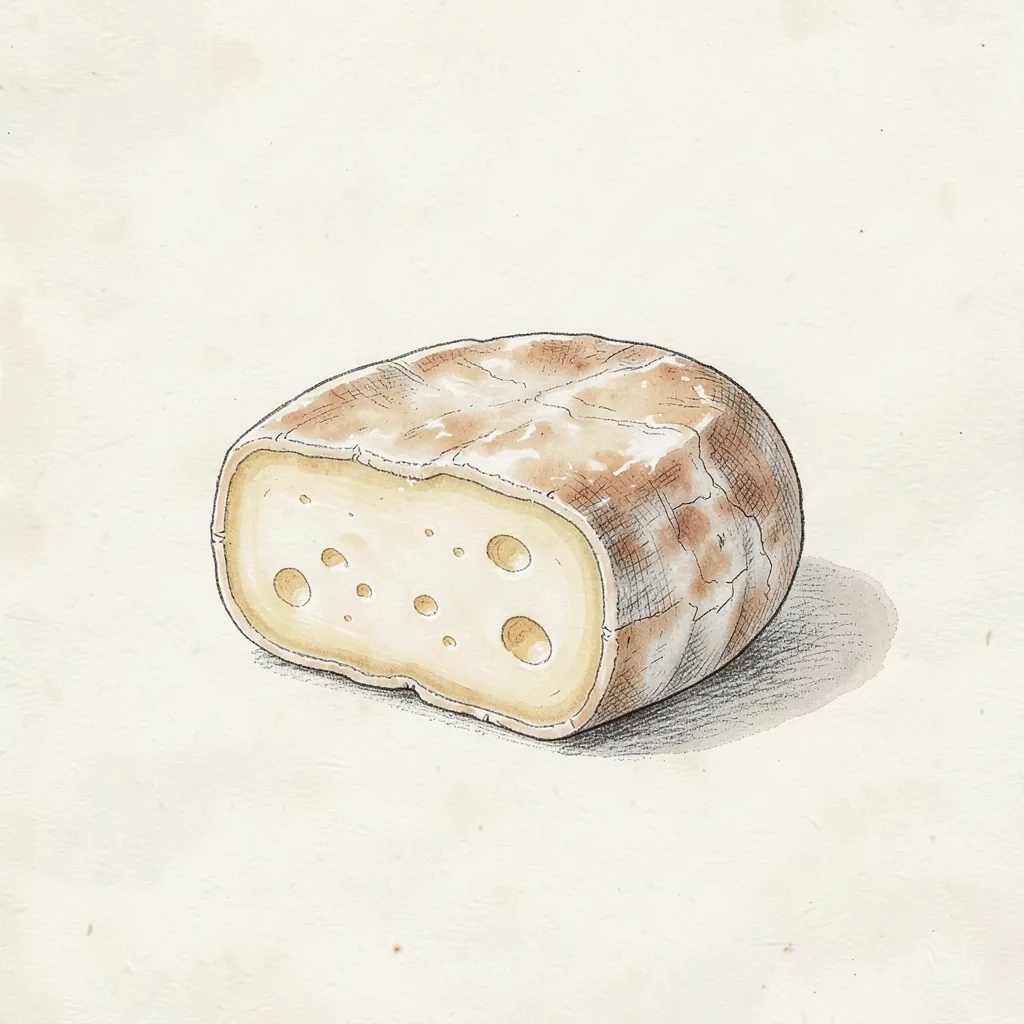
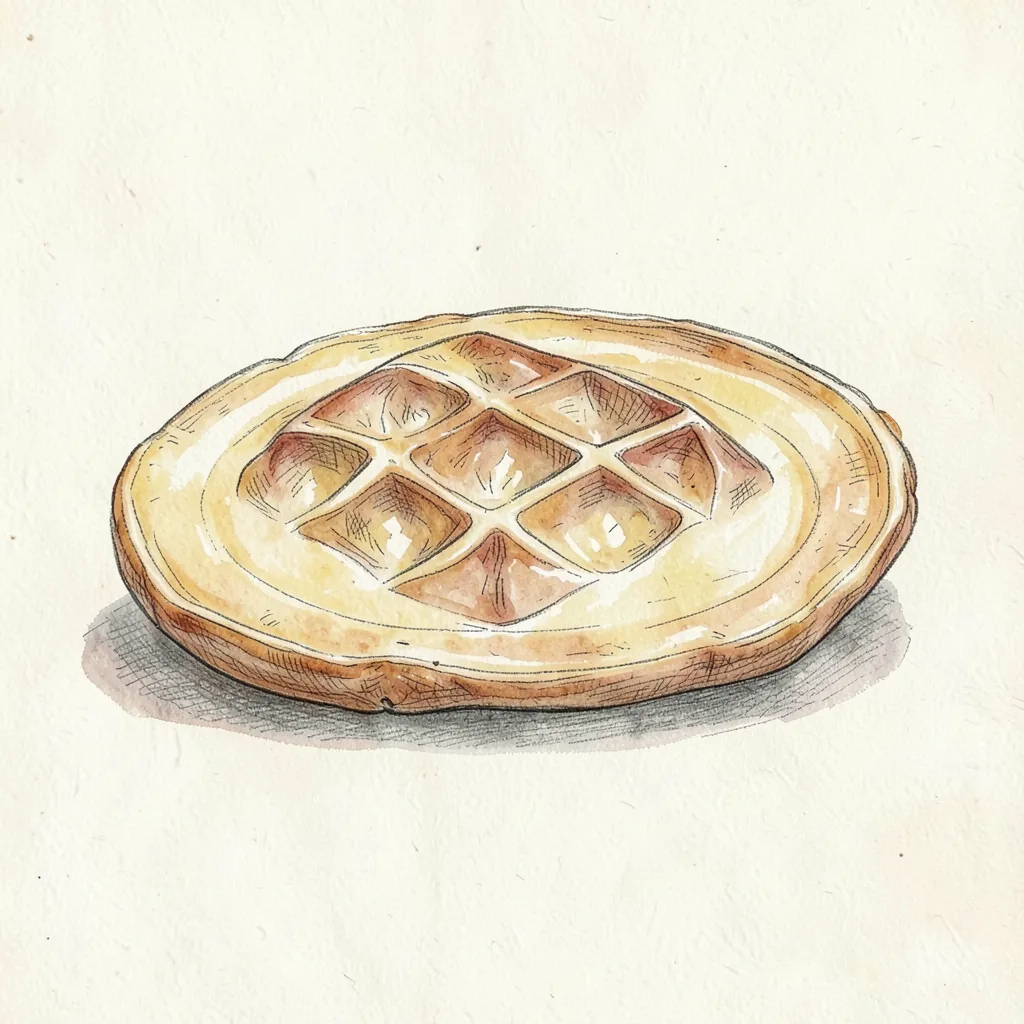
Each piece is a small spindle, with a stamped pattern pressed into the surface before it meets the smoke. The outside turns golden to brown, and the interior stays pale, firm, and elastic. Salt and wood smoke are part of the identity, not extras you can ignore. You can slice it for a board or heat it and eat it while it is soft.
The shape is easy to recognize once you have seen it, because few other Polish cheeses are double-ended and decorated this way. A whole spindle is small enough to grill for several people at the table. The cut face should look tight and slightly glossy, not chalky and not full of holes. Sheep's milk gives a tang under the smoke. If a piece smells only of cold ash and tastes bitter, the smoking was too heavy for the paste.
History
Shepherds in the Polish Tatra made this salted sheep's milk cheese so milk from mountain flocks would keep. Carved molds press a pattern into the curd, and that pattern is part of how the cheese is known. The custom follows seasonal pasture, when the sheep are in high meadows and the milk is worked near the flock. Oscypek remained a regional Polish cheese rather than a plain factory block. Similar smoked sheep cheeses exist across the border, but those cheeses carry their own names.
The spindle was a practical shape as well as a marked one. It could be brined, hung in smoke, and carried from the pastures. Over time the decorated surface became a sign that the cheese came from this mountain tradition, not from a plain smoked block. Home cooks in Poland still expect the real thing to look ornamental. A smooth cylinder with no stamp is a different product, even if the label sounds close to the traditional name.
How it is made
Sheep's milk is curdled, and the curd is worked and pressed in carved molds that give the spindle and the stamped bands. The shaped cheese then sits in brine so salt moves into the paste. After the brine, it is smoked until the outside takes color and a clear wood aroma. The pattern is already in place before the smoke. What leaves the smoke is semi-hard, with a natural smoked exterior rather than wax, bloom, or a bare wet rind.
Smoke should season the cheese, not choke it. A steady cool smoke lets the interior stay pale and elastic while the exterior browns. Too much heat drives fat from the spindle and leaves a greasy, bitter skin. The brine and the smoke together help the cheese keep better than a fresh sheep curd would. Makers still judge the batch by color, smell, and a firm press, and there is no mold bloom to wait for.
Taste
Smoke comes first in the aroma, then salt, then a clean sheep's milk tang. The paste is firm and a bit elastic, not creamy and not dry when the cheese is in good condition. Near the exterior the smoke is stronger, and in the center it is milder and a little sweet. A grilled piece softens, and the edges can brown and taste toasted. Bitterness means the smoke was heavy or the cheese was stored badly after it left the maker.
The stamped outer side is pleasant in small bites, but the paste is where the sheep's milk shows. Salt is definite, so the cheese seasons the plate by itself. It is not a funky washed-rind taste, and it is not the sharp crumble of a blue. A lightly smoked piece is gentler, and a deeply colored piece is bolder and better in small slices. Let a cold spindle sit out briefly before you judge it, because chill hides the aroma.
In the kitchen
Polish servings often put oscypek on a grill and bring it to the table hot, sometimes with cranberry or another tart jam. The heat softens the spindle without turning it into a pool. Cold slices work on a board with bread, and thin pieces can sit beside salad if the smoke is moderate. It is a poor match for a dish that wants a mild melting cheese with no aroma. Use it when salt and smoke are welcome in the meal.
Cut across the spindle so each slice shows the pale center and the darker edge. On a board, pair it with bread and something tart, because acid balances the smoke and the salt. In a cooked dish, add it near the end so it softens but keeps its shape. Do not drown it in a salty sauce that copies the brine. If you cannot grill, warm thick slices in a dry pan until the faces color, because the cheese is also good cold but quieter.
Around the world
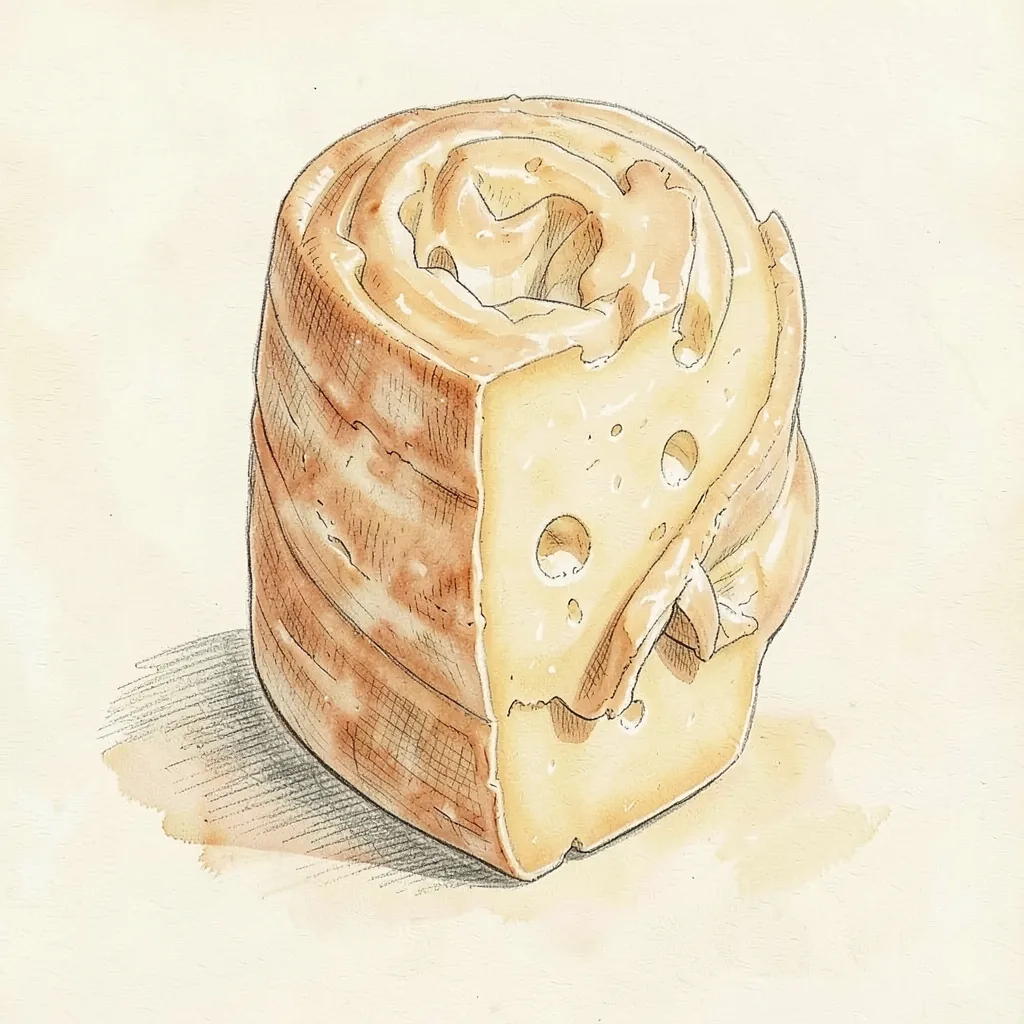
Slovakia's ostiepok is the closest relative, and shoppers mix up the names because the shape, the smoke, and the sheep's milk all overlap. Redykołka is a smaller Polish cheese from the same mountain custom, often made alongside the larger spindles. Parenica is smoked sheep's milk too, but it is usually a rolled strip rather than a spindle. Across the border the kitchen ideas rhyme, and people grill or slice the cheese. The Polish name still points to the decorated spindle from the Tatra Mountains.
Outside Poland, treat an imported spindle the same way, either grilled or sliced cold with bread. If the real cheese is missing, a smoked sheep's milk cousin is the honest stand-in, not a fresh white cheese from a brine tub. Read the label for sheep's milk and for smoke before you swap one cheese for another. A mild yellow block will not taste like oscypek, even if you brown the slices in a pan. Shape, smoke, and sheep's milk are the three checks that matter.