Cow
What it is
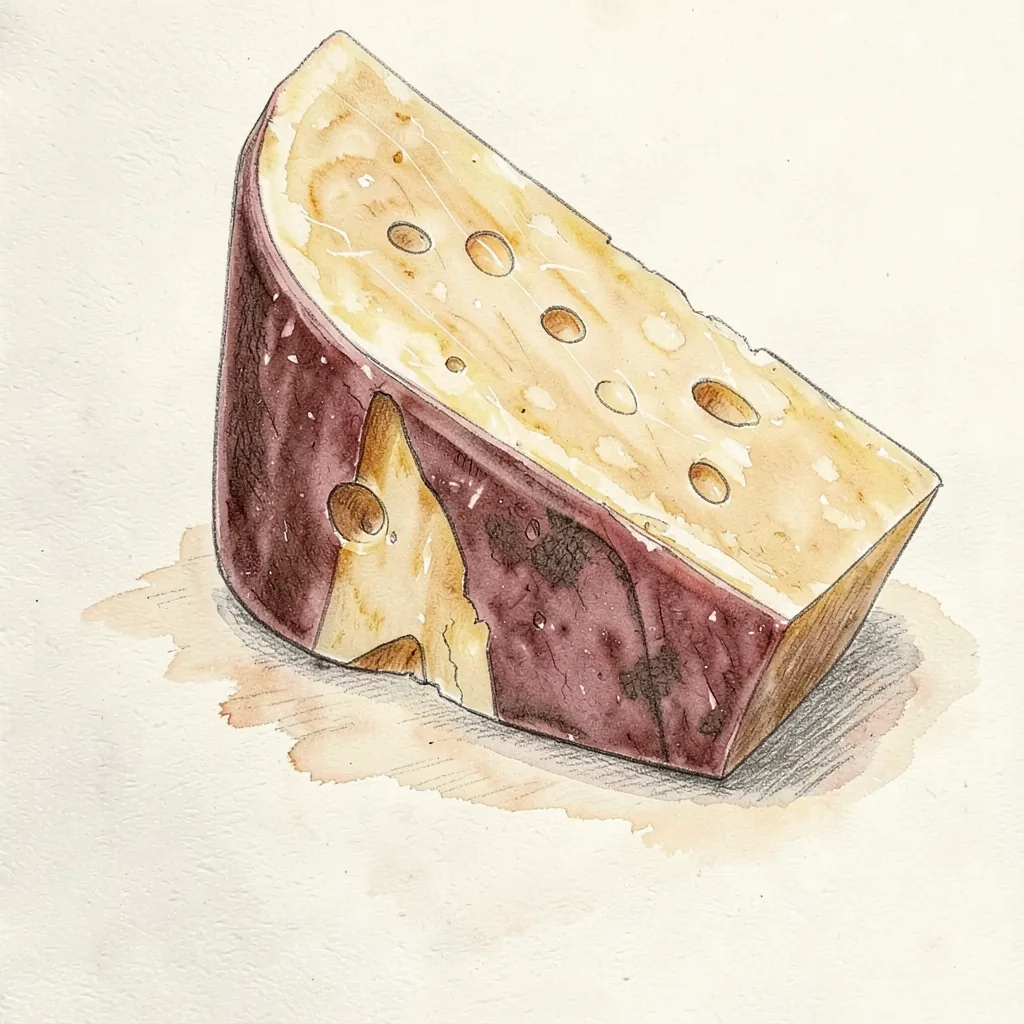
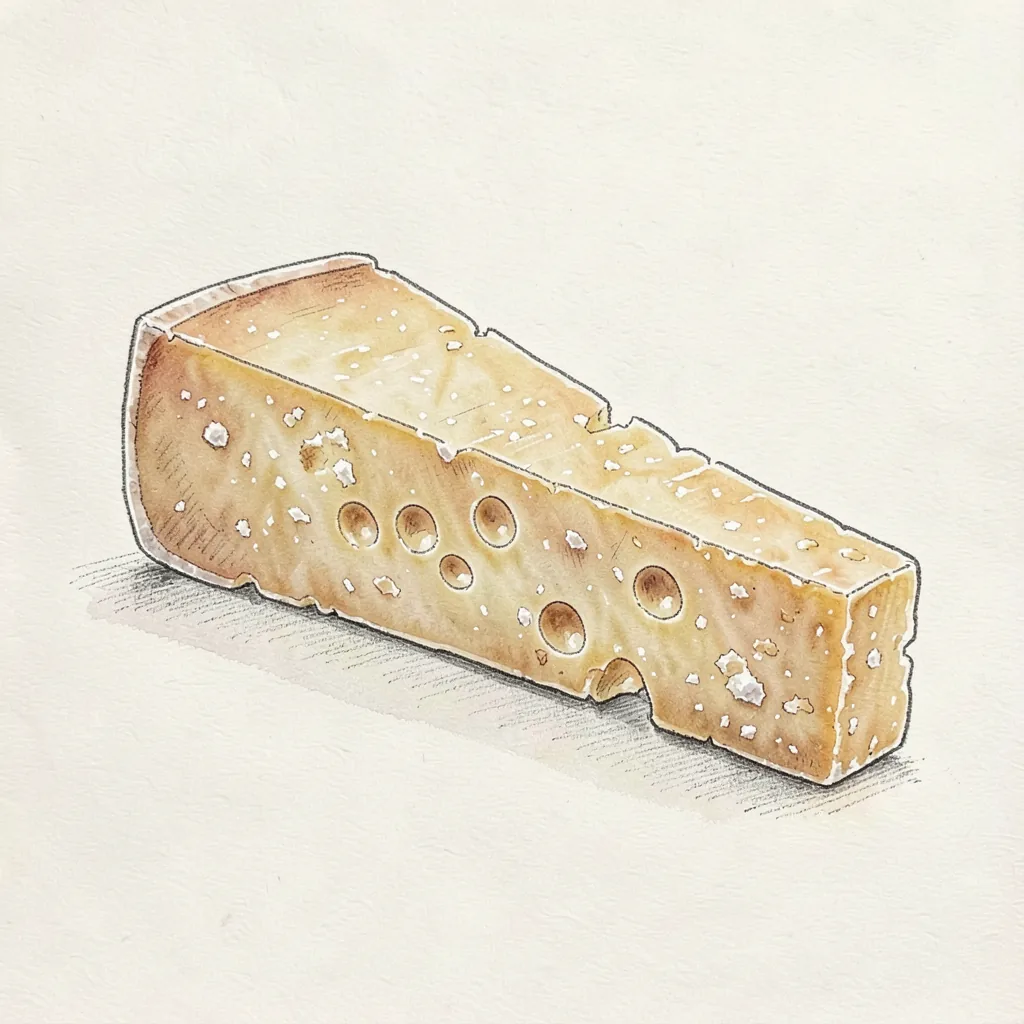
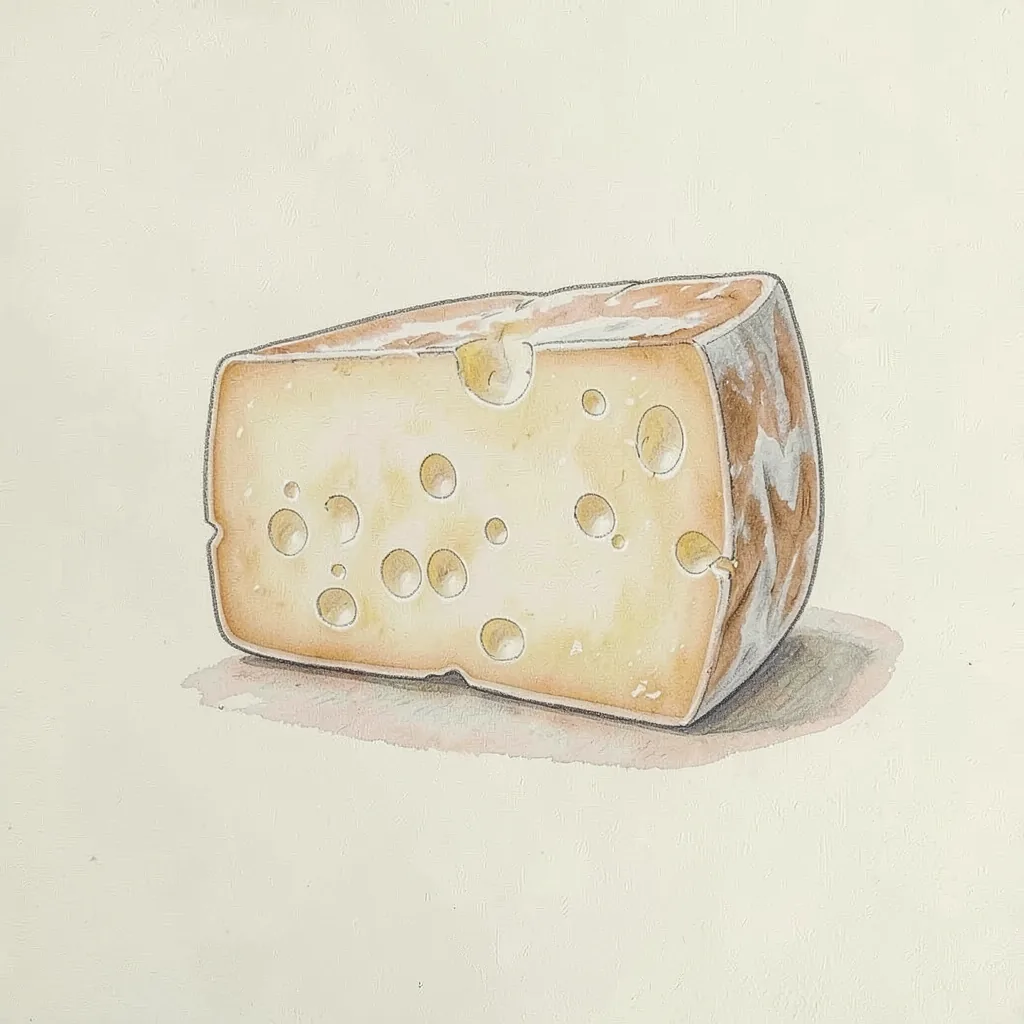
It is aged for a long time, until the paste is dry, dense, and dotted with small crystals. Makers keep the butterfat lower than in a standard Gouda, so the wheel stays lean and the edges look sharper. The flavor is salty and sweet together, with toffee and roasted nut notes. It is a specialist cheese, not a mild everyday slice.
A younger Gouda bends and melts, while Roomano is the dry end of that Dutch family. Shavings bring a concentrated sweet salt, and the crystals add a light crunch on the board. Grated pieces season pasta or vegetables without melting into a smooth pool. The cheese is uncommon, even at home in the Netherlands, so many shops never stock it. Buyers who hear the name and expect an Italian Romano will get a different cheese.
History
Roomano belongs to the Dutch tradition of pressed cow's milk wheels, the same broad group as Gouda. It is not a young table cheese. Long aging is the point, and it pushes the paste toward a hard grain and a sweet salty taste. A standard Gouda is richer in butterfat, and Roomano is made leaner, which helps the wheel stay firm. The sharper edge of the wheel is one way sellers tell it from a rounded young Gouda.
The Italian sound of the name has caused a lasting mix-up with Romano cheeses, which are not Dutch and are not made in this style. Roomano does not come from Italy, and it is not a sheep's milk grating cheese. Shops in the Netherlands treat it as a rare aged wheel rather than a daily sandwich cheese. No single town is required to explain it, because the cheese is a national style. The identity sits in the cow's milk, the leaner make, and the long rest.
How it is made
Roomano is made from cow's milk in the pressed style used for Dutch Gouda. Cultures and rennet set the milk, the curd is cut, and the curds are worked so the paste can close up and dry. The curd is salted and pressed into wheels with fairly sharp edges. Aging then lasts a long time, and moisture leaves the paste until it is hard. The cheese is not stretched, washed on the rind, or pierced for blue veins.
During the long rest, small white crystals often form in the paste, and they are a normal sign of age rather than a fault. The interior turns grainy and dense, closer to a hard grating cheese than to a supple young Gouda. A natural rind dries on the outside and is not the bright wax coat seen on many young Dutch wheels. Makers do not add herbs, smoke, or spice. Salt and time do the flavor work.
Taste
Roomano tastes salty and sweet at the same time, with butterscotch, toffee, and a hint of roasted hazelnut. The sweetness comes from long aging, not from added sugar, and it stays savory rather than dessert-like. The paste is dry, dense, and a little crumbly, with a light crunch from the crystals. Aroma is warm and nutty. A very old piece can feel almost granular on the tongue, like a firm grate of hard cheese.
Salt is clear but not harsh, and the finish lingers with caramel sweetness and a clean dairy note. There is no barnyard punch and no ammonia, which separates it from a ripe washed rind. Compared with a young Gouda, Roomano is less milky, less elastic, and more concentrated. Compared with a dry Italian grana, it is sweeter and a bit less sharp. The pleasure is in that middle, a hard cheese that still tastes of butterscotch.
In the kitchen
Grate Roomano over pasta, risotto, or cooked vegetables when you want sweetness and salt. Thin shards belong on a board with nuts, apples, or plain bread, where the crystals stay noticeable. The cheese does not melt into a glossy pool, so it is a weak choice for a grilled sandwich or a smooth cheese sauce. Use it as a finish, not as the base of a melt. A small amount is enough because the flavor is concentrated.
Keep the piece wrapped, because the dry paste hardens in open air and the edges can crack. Bring it to room warmth before a board so the sweet notes open, but do not expect it to slump. If a recipe calls for young melting Gouda, Roomano will not behave the same way, and you should pick another cheese. For a hard grate, it fits beside browned butter or a simple tomato sauce. A dark ale can sit with it, but the cheese needs no special drink.
Around the world
Roomano travels mainly through specialist cheese shops, and many Dutch kitchens never keep it as a staple. Outside the Netherlands the name is the first obstacle, because shoppers look for an Italian Romano and walk past the Dutch wheel. Aged Gouda is the cheese most merchants will offer instead, and it is the closest relative in taste and use. A hard Italian grana can also fill a grating role, though it is less sweet. Ask for Roomano by name if the toffee note matters.
Gouda is the usual point of confusion, yet a young or medium Gouda is moister, richer, and happier in a melt. Pecorino Romano is the name confusion, and it is a salty sheep's milk cheese for grating, with none of the Dutch sweetness. Neither one is Roomano. In a shop abroad, look among aged Dutch cheeses rather than in the Italian pecorino row. A good piece should look hard, pale inside, and ready to shard rather than to bend.