Anthotyros vs Urdă
Anthotyros comes from Greece. Urdă comes from Bulgaria.
Anthotyros is also used for grating and a board.
Anthotyros can stand in for Urdă. It is a Greek whey cheese with a fresh, gentle taste that can stand in for Urdă in a pastry or a salad.
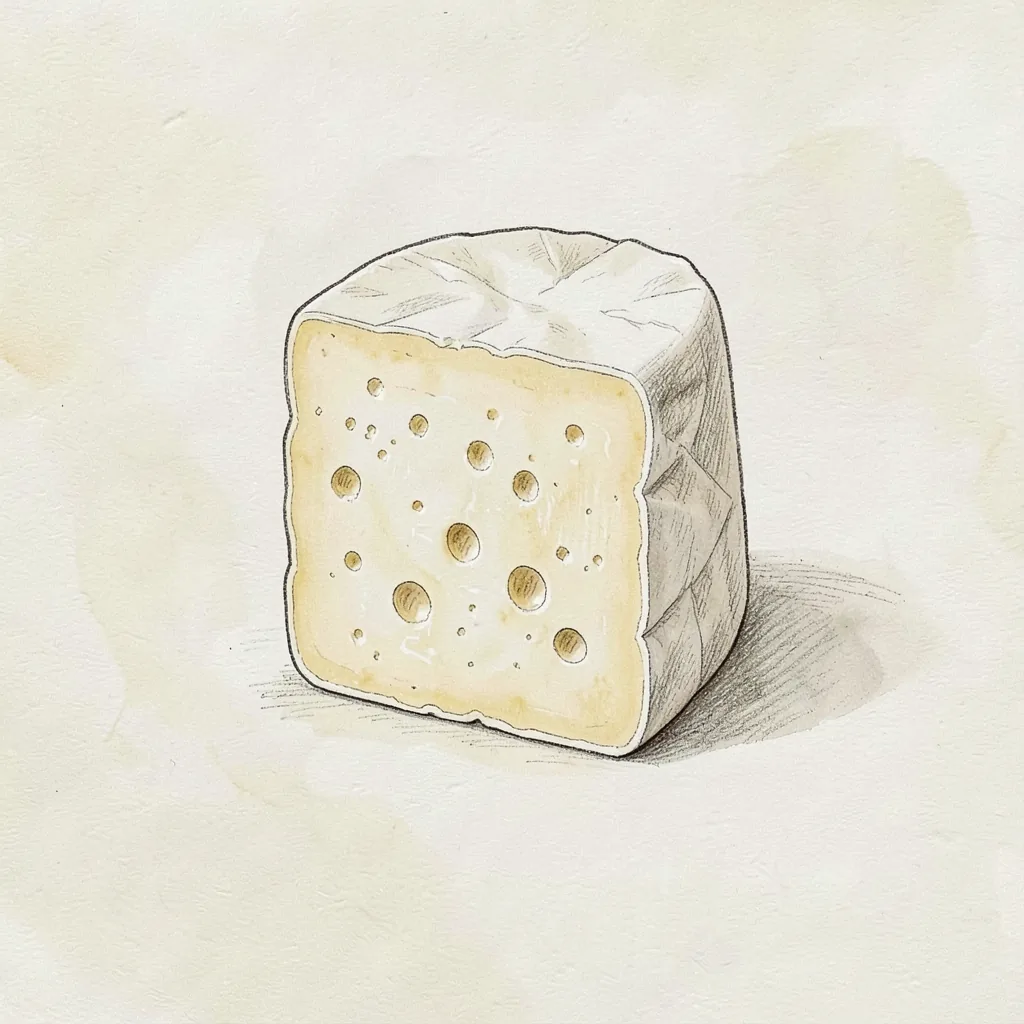
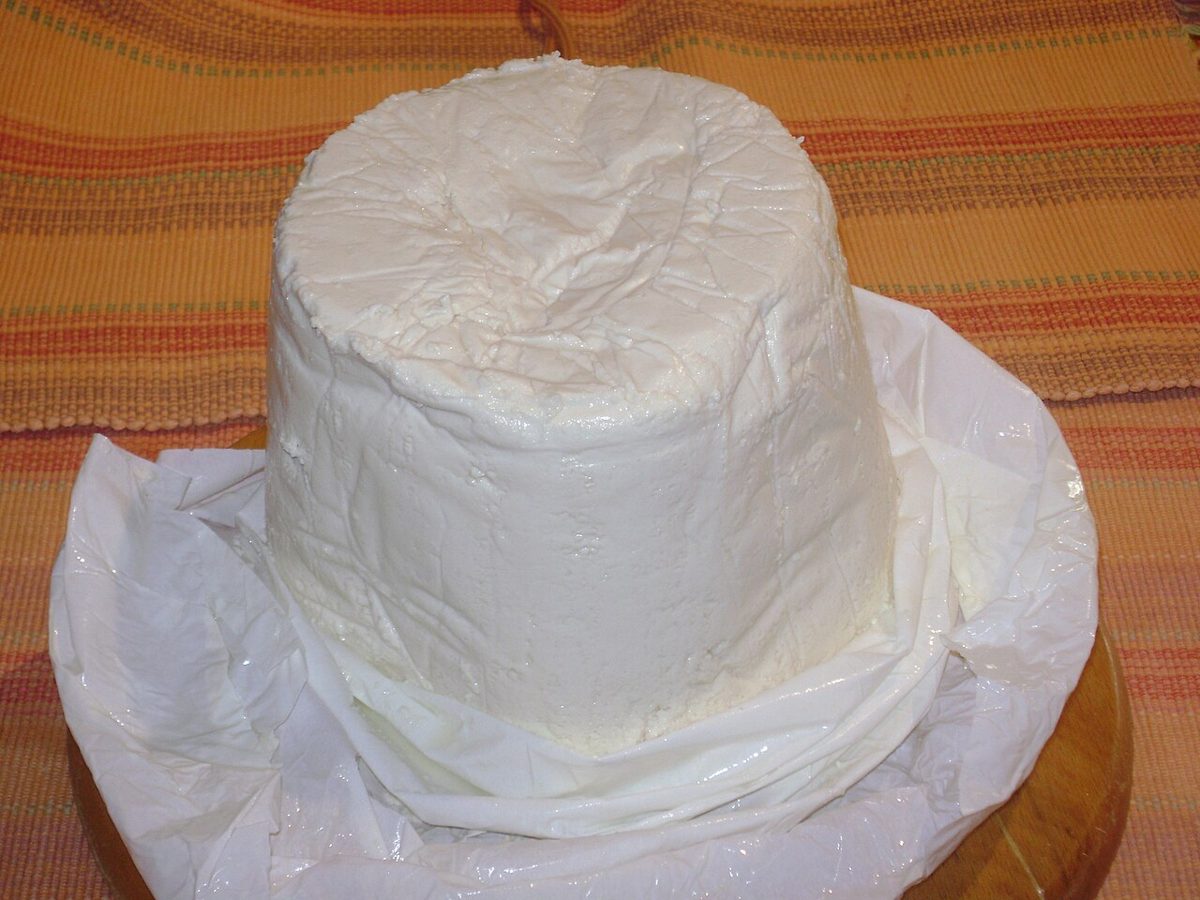
Anthotyros
Facts
- Milk
- Mixed milk
- Texture
- Fresh
- Type
- Whey
- Rind
- No rind
- Country
- Greece
Anthotyros is a traditional Greek whey cheese made from sheep and goat milk. Cooks often gloss the Greek name as flowery cheese, which fits the light aroma of a fresh piece. The soft version is white, mild, and moist, with a fine crumb you can spoon or spread. A dry version is matured until it is harder, saltier, and ready for a grater. Both share one name, so the label should say whether the cheese is fresh or dry.
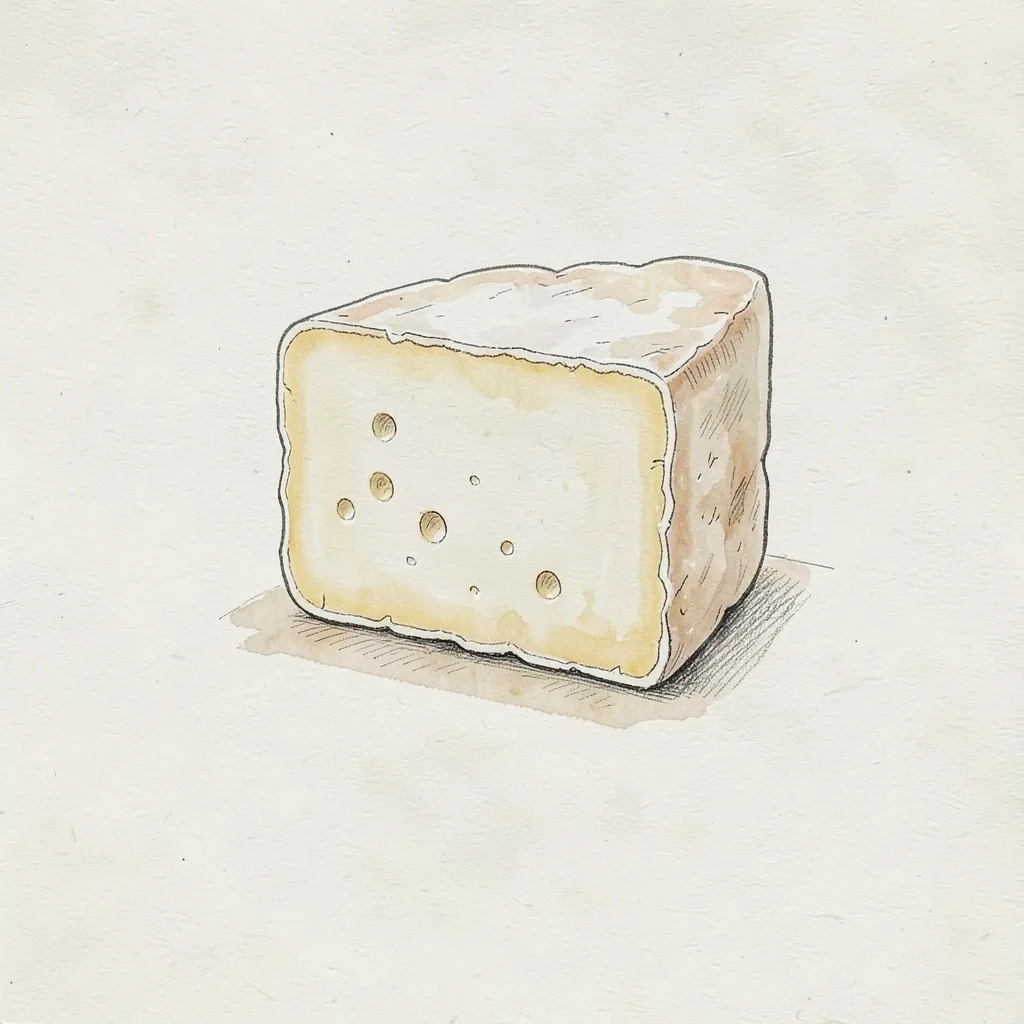
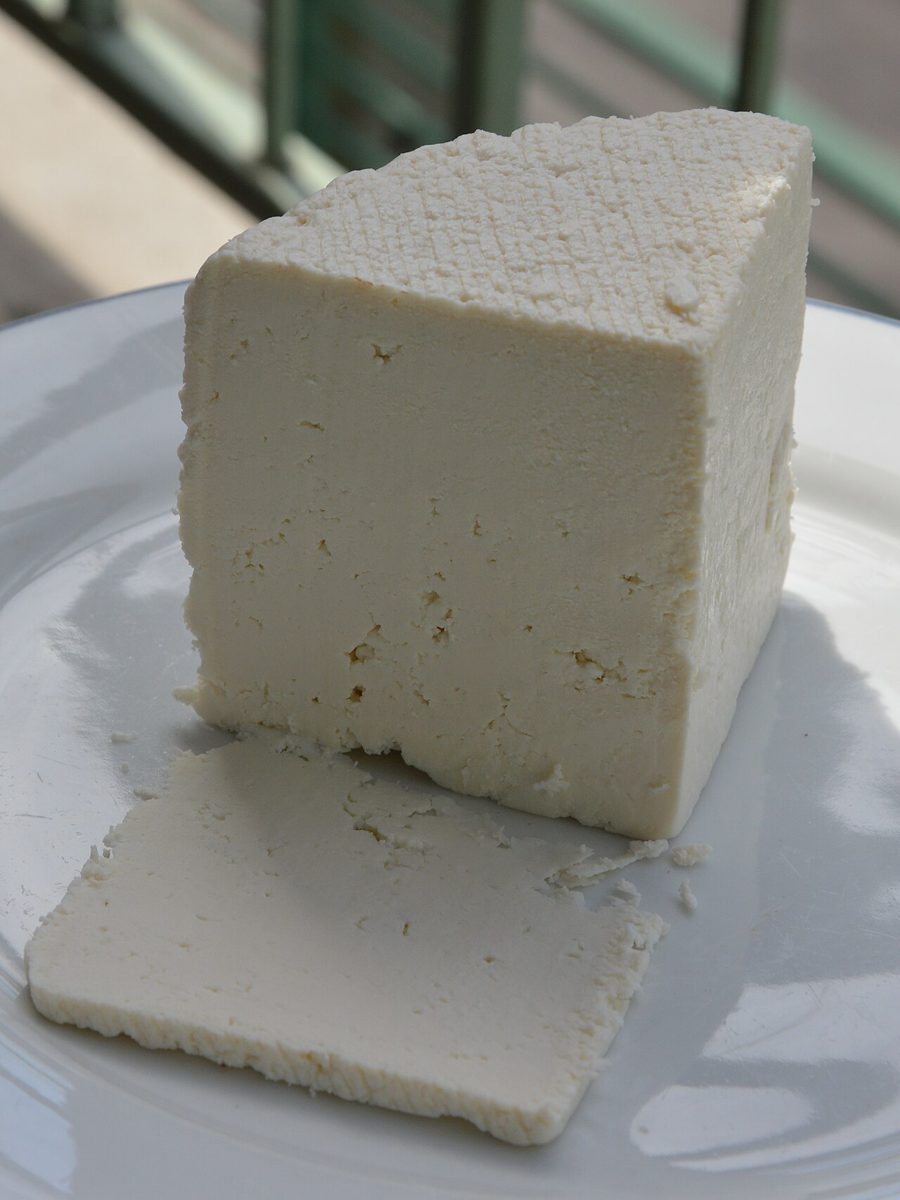
Urdă
Facts
- Texture
- Fresh
- Type
- Whey
- Rind
- No rind
- Country
- Bulgaria
Urdă is a fresh whey cheese from Bulgaria. Cooks across the Balkans use the same name, or a close spelling, for cheese made by heating the whey left after other cheeses are drained. In Bulgaria it is also called izvara. The paste is white, soft, and finely grained, with a mild sweetness. It is eaten fresh, not aged under a rind, and it belongs in home cooking more than on a formal board.