What it is
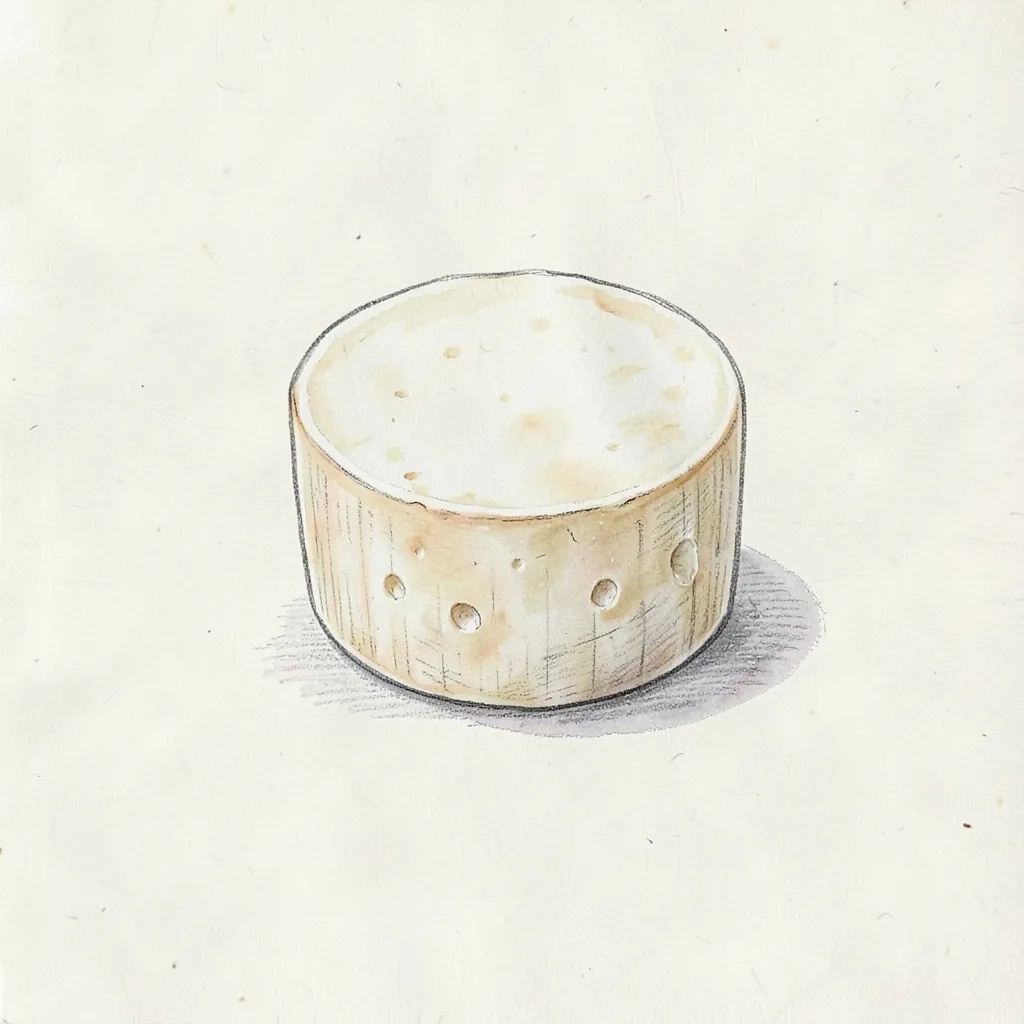
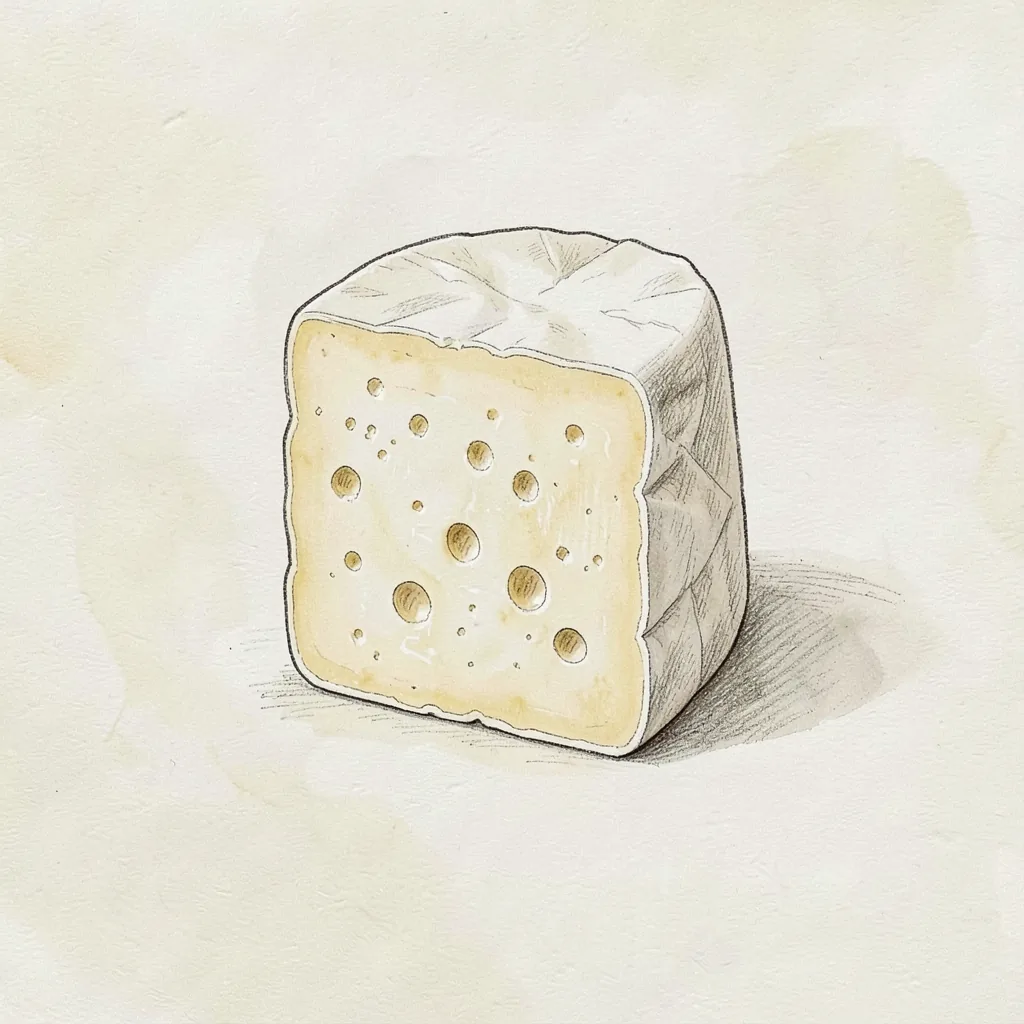
Cooks across the Balkans use the same name, or a close spelling, for cheese made by heating the whey left after other cheeses are drained. In Bulgaria it is also called izvara. The paste is white, soft, and finely grained, with a mild sweetness. It is eaten fresh, not aged under a rind, and it belongs in home cooking more than on a formal board.
The cheese looks a little like ricotta, and the kitchen use is similar in both sweet and savory dishes. It can be creamy or slightly crumbly, depending on how fully it drains. Flavor stays gentle, so it takes salt, herbs, or sugar without a fight. It is not a brined table cheese, and it is not meant to taste sharp. Buy it moist and clean-smelling, and use it while it is still fresh.
History
Whey cheeses like Urdă grew up wherever people made cheese and refused to waste the liquid left in the vat. Heating that liquid gathers the proteins that remain, and the result is a soft white mass. The name traveled among Balkan languages, which is why cooks in Bulgaria and in neighboring countries recognize related words. In Bulgaria the cheese stayed a home and dairy food rather than a famous export wheel. It belongs to everyday meals, pastries, and simple plates, not to a ceremonial tasting.
Because the starting whey follows whatever cheese a household already made, one batch can taste a little richer than another. The basic method does not change with that difference. The idea is old, but it does not depend on one famous dairy or on one town. Creameries in Bulgaria still make it for shops and for people who bake. The fresh character has not become a long-aged style, so a good piece still tastes like a young, mild curd.
How it is made
After another cheese is drained, the whey is collected and heated until fine curds rise to the surface. Acid may be added, or the liquid may already be sour enough to set on its own. The curds are scooped into cloth or molds and left to drain off the remaining liquid. Some makers stir in a little extra milk or cream to make the paste softer, and some use whey alone. The cheese is lightly salted, or left unsalted, when it is headed for sweet dishes.
There is no pressing into a hard wheel, and there is no wash to build a rind. The shape is often a small mound or a half round, though blocks are common in shops as well. The cheese is ready once it has cooled and firmed enough to hold a spoon. It keeps only a short time because it is moist and fresh. A sour, yeasty, or bitter smell means it should be discarded, while a good batch smells clean and faintly sweet.
Taste
Urdă tastes mild and a little sweet, with a soft tang if the whey was quite sour before it was heated. The grain is fine, so the paste feels silky rather than rubbery or squeaky. Salt is low unless the maker chose to add it. There is no rind flavor, and there is no blue or washed-rind funk to warn you off. A dry, chalky piece has drained too long, and a watery piece only needs a short rest in a sieve.
Set beside a brined white cheese, Urdă is quieter and much less salty. Set beside a rich cream cheese, it is lighter and more granular on the tongue. Heat makes it softer, but it does not stretch or brown into a crust. Sugar, honey, or ripe fruit makes the sweet side clearer in a dessert. Salt, pepper, and herbs make the same curd savory, but the cheese itself should stay quiet in the dish.
In the kitchen
Spoon Urdă into pastries, pancakes, or a baked pie where a gentle white filling is wanted. Mix it with herbs for a spread on bread, or crumble a firmer piece over a salad. It can lighten a stuffing for vegetables without making the filling greasy. In a savory dish, add salt yourself, because the cheese may be almost unsalted when you open it. Do not expect it to hold a shape on a hot grill the way a firm brined cheese does.
For a sweet plate, fold in honey, soft fruit, or a little citrus zest and serve the cheese cold. For hot cooking, stir it into the dish near the end so it warms without turning dry and grainy. Drain it first if a recipe needs a firmer curd that will not weep. It is a poor match for a long turn over direct heat, since the body is too soft to sear. Keep it covered and cold, and finish the pack once it has been opened.
Around the world
Outside Bulgaria, shoppers may see the same cheese under spellings such as urda, vurda, or orda, especially in Balkan groceries. Cooks in neighboring countries use it in familiar pastries, and the Bulgarian version fits those recipes. It is less common in a standard supermarket far from the region. Ricotta is the piece most shops will offer instead, and it will behave in a similar way. Read the label with care, because a salty brined cheese in the same case is a different ingredient entirely.
Ricotta is the best substitute, with the same whey origin and a similar sweet, granular taste in the mouth. Anthotyros, a fresh Greek whey cheese, can fill the same pastries and spreads. Both may be wetter or drier than the Urdă you had in mind, so drain them or loosen them to match the recipe. Neither brings a strong salt level of its own. If the dish needs a sharp white cheese, this is the wrong family, and a brined cheese is the better thing to seek.