Mixed milk
What it is
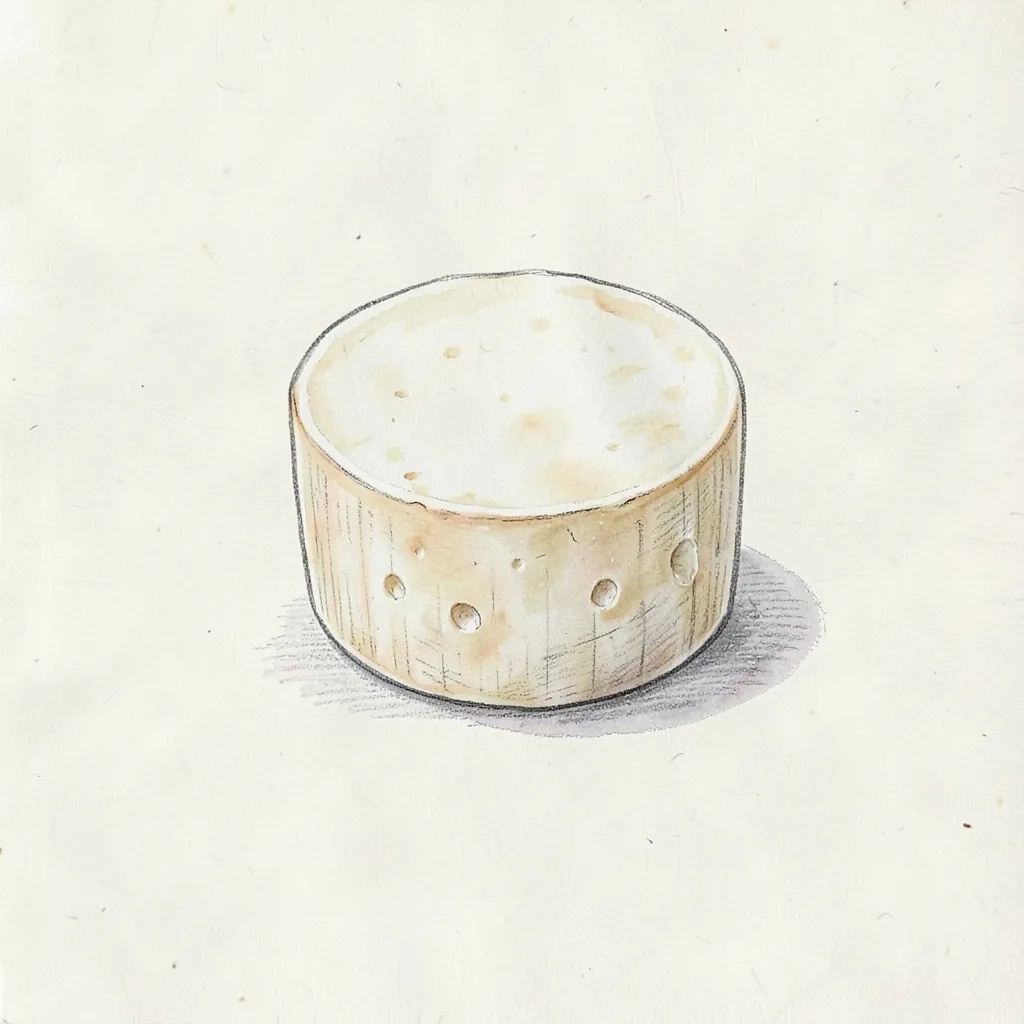
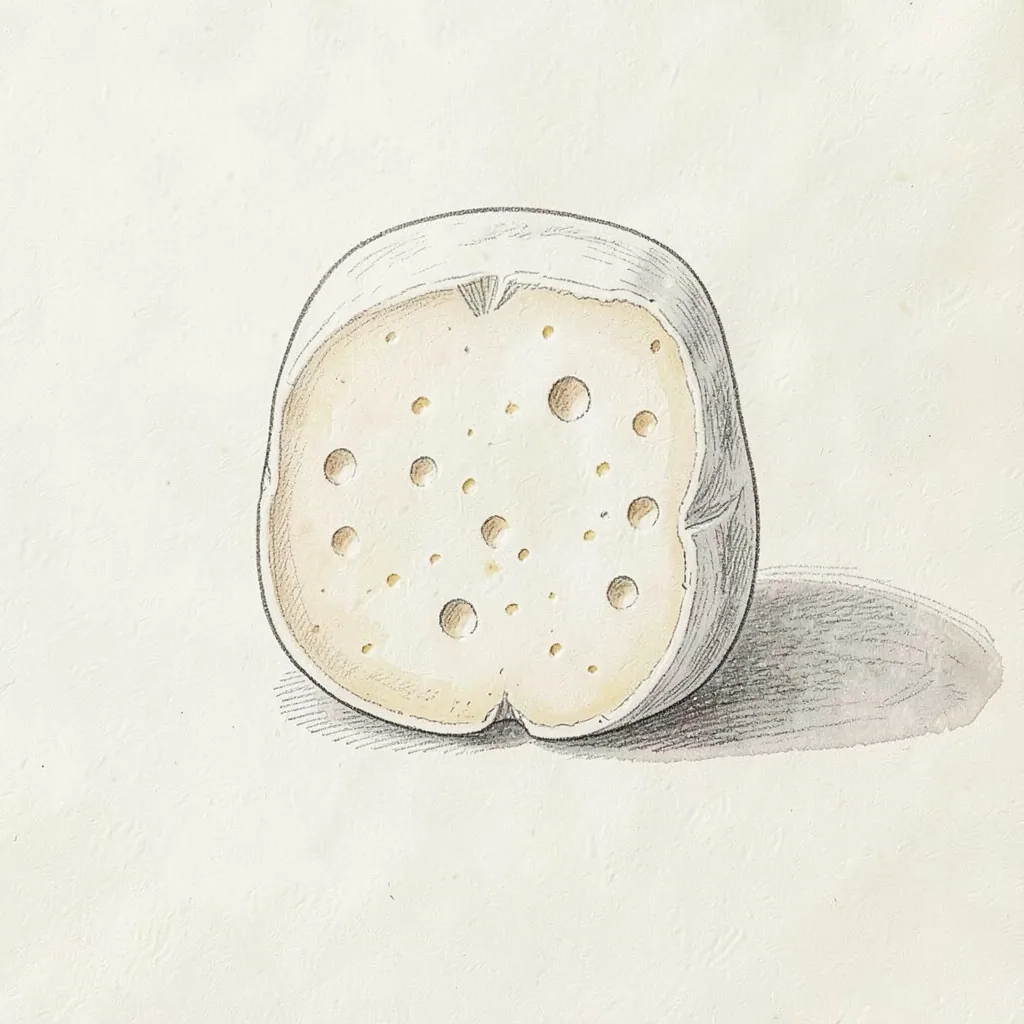
Cooks often gloss the Greek name as flowery cheese, which fits the light aroma of a fresh piece. The soft version is white, mild, and moist, with a fine crumb you can spoon or spread. A dry version is matured until it is harder, saltier, and ready for a grater. Both share one name, so the label should say whether the cheese is fresh or dry.
Production starts with whey left after other sheep and goat cheeses are made, and makers usually return some milk or cream to the pot. That addition is why fresh anthotyros can taste a little richer than a very lean whey cheese. Greece sells it both as a fresh dairy food and as a dry grating cheese for the pantry. It is not a brined salad cheese like feta, and it is not a long-aged hard wheel. Think of the ricotta family, with a sheep and goat character.
History
Whey cheese exists in Greece because dairies did not want to discard the liquid left from feta, graviera, and other cheeses. Anthotyros became one answer, a second cheese that recovers what the first draining left behind. The fresh form could be eaten soon with bread or in a pie, and the dry form kept longer for pasta and vegetables. The habit is spread across the country rather than owned by one village or one firm. The same name covers the soft cheese and the matured one.
Character shifts with the cheese that was made first, which is normal for a whey cheese. Sheep whey, goat whey, or a blend of the two all appear, and some batches include more whole milk than others. None of that variety makes the cheese a fake. Over time the fresh style became a breakfast and pastry food, while the dry style became a kitchen staple for grating. No single brand controls the word, and it remains a national style of sheep and goat whey cheese.
How it is made
After the first cheese is drained, the whey is heated, often with a share of sheep or goat milk or cream stirred back in. Proteins gather into a soft white curd as the liquid gets hot. Makers ladle that curd into baskets or cloth and let the extra liquid drip away. Salt may be very light when the cheese is meant to stay sweet, or heavier when it will dry. Heat does more of the setting than a long rennet set would, and the young cheese is moist and rindless.
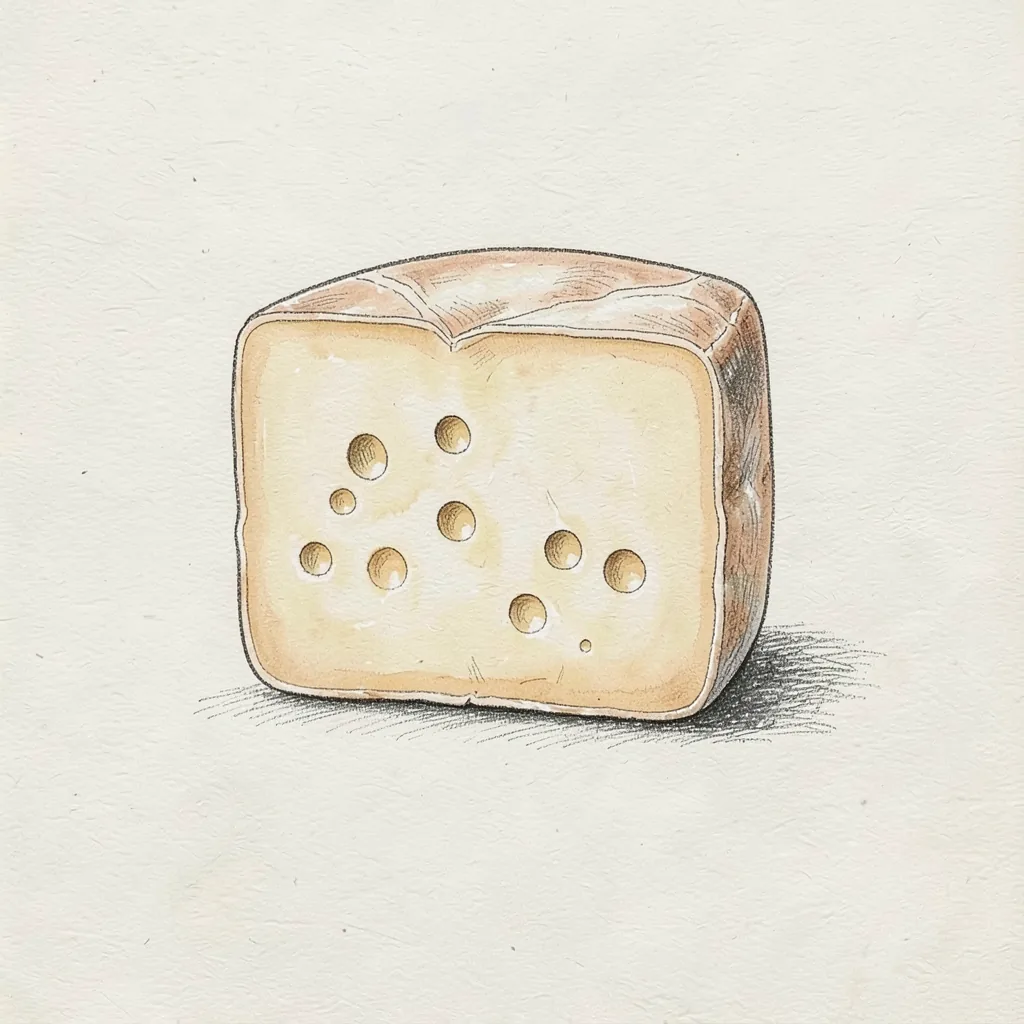
Fresh anthotyros goes to market quickly, with a soft, slightly grainy body and no bloomy coat. Dry anthotyros is salted more generously and left until moisture drops, the paste hardens, and the taste concentrates. The dry piece may show a plain, natural outside rather than a washed rind or a white bloom. There is no blue veining and no stretching step. Choosing fresh or dry is a choice about salt and time, not a change of animal, and sheep and goat dairy stay the traditional base.
Taste
Fresh anthotyros tastes sweet and milky, with a light tang and a short clean finish. The texture is soft, moist, and a little grainy, closer to a spoonable whey cheese than to a rubbery slice. Salt stays low in the sweet style, so honey, fresh fruit, and bread make immediate sense. The aroma is gentle, and some eaters notice a faint fresh note that makes the flowery nickname feel fair. A good young piece is not sharp, not briny, and not barny.
Dry anthotyros is saltier, more savory, and clearly firmer, and the sheep and goat character comes forward. The paste can crumble under a grater, which is the point of the extra drying. The smell is stronger than the fresh cheese and can turn quite sharp, though it should not smell spoiled. It is still not a blue and not a pungent washed rind. A good dry piece tastes bright with salt and dairy, and it seasons a plate the way a dry myzithra would.
In the kitchen
Spoon fresh anthotyros onto bread with honey, or fold it into pies and other savory pastries. It can fill stuffed vegetables or sit with tomatoes, olive oil, and herbs as a soft salad cheese. Use it where you might have used ricotta, including a baked dish that needs gentle dairy curds. Do not expect long strings of melted cheese. Heat makes it softer and slightly creamy, but the curds stay soft, so treat it as a fresh ingredient rather than a pizza cheese.
Save the dry cheese for the grater. A shower of it over pasta, eggs, roast vegetables, or a salad adds salt and a sheep and goat savor, so use a light hand. Confuse the two forms and the dish goes wrong, because fresh cheese will not grate and dry cheese is too salty for a honey breakfast. Myzithra can replace either form if you match fresh with fresh and dry with dry. Manouri is richer and milder, so it fits the fresh role better than the grating role.
Around the world
Anthotyros is Greek, and a Greek grocer is the surest place to find both the soft cheese and the dry piece. Abroad it is often confused with myzithra, with manouri, and with anari, the Cypriot whey cheese. All of them sit in the whey family, and traditional versions draw on sheep or goat dairy. Manouri is usually creamier and milder, while anari is eaten fresh with honey or dried until it will grate. The Greek name matters when a recipe says anthotyros and you need that cheese.
If none of those cheeses are in stock, ricotta is the practical fresh substitute, and a dry salty ricotta or a firm myzithra is the grating substitute. The flavor will be milder, and a cow's milk ricotta will not taste like sheep and goat whey. That swap is still better than using feta, which is brined, sliced, and salty in a different way. Tell the shop whether you need the soft cheese or the dry one before you buy. The two forms share a name and do different jobs.