Anthotyros vs Xynotyro
Anthotyros is a fresh cheese. Xynotyro is a hard cheese.
Anthotyros is also used for spreading.
Anthotyros can stand in for Xynotyro. Anthotyros is a milder Greek whey cheese, and it can replace fresh Xynotyro when the dish does not need the sour edge.
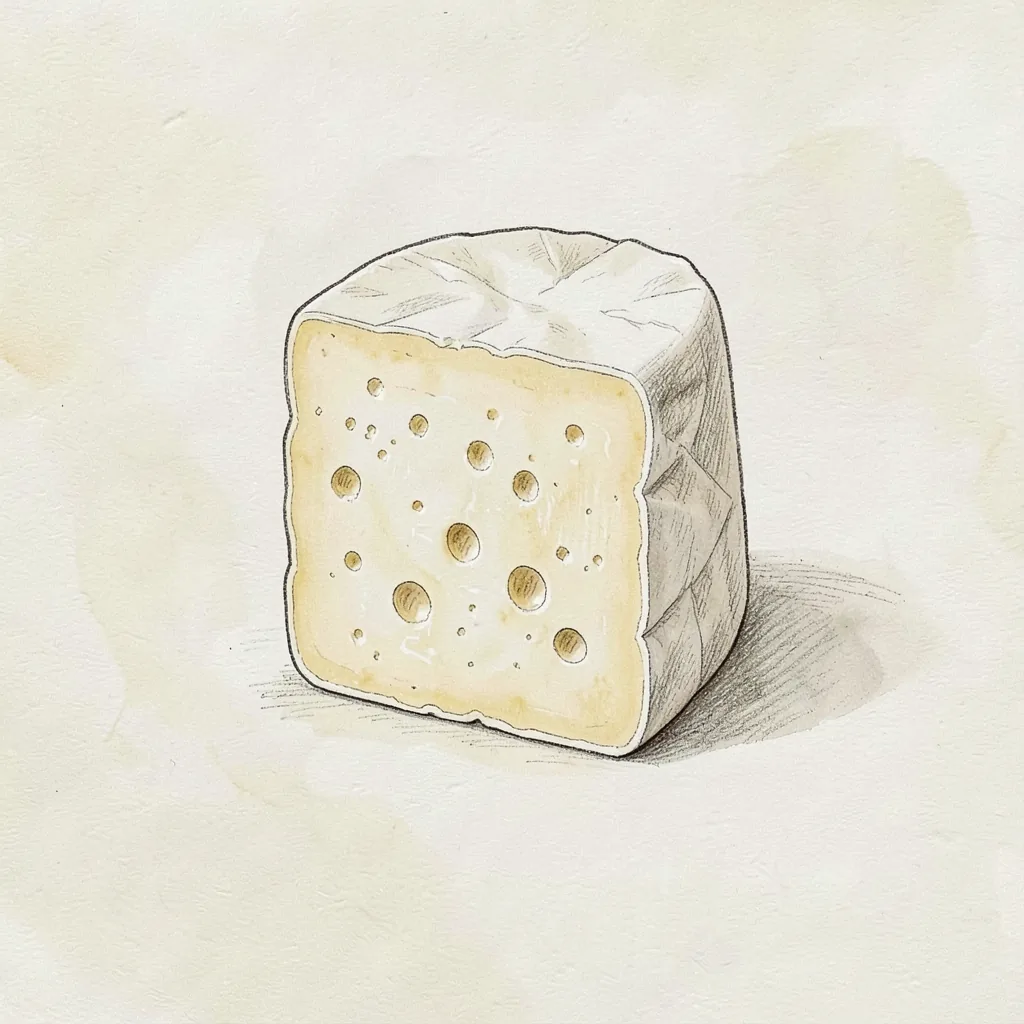
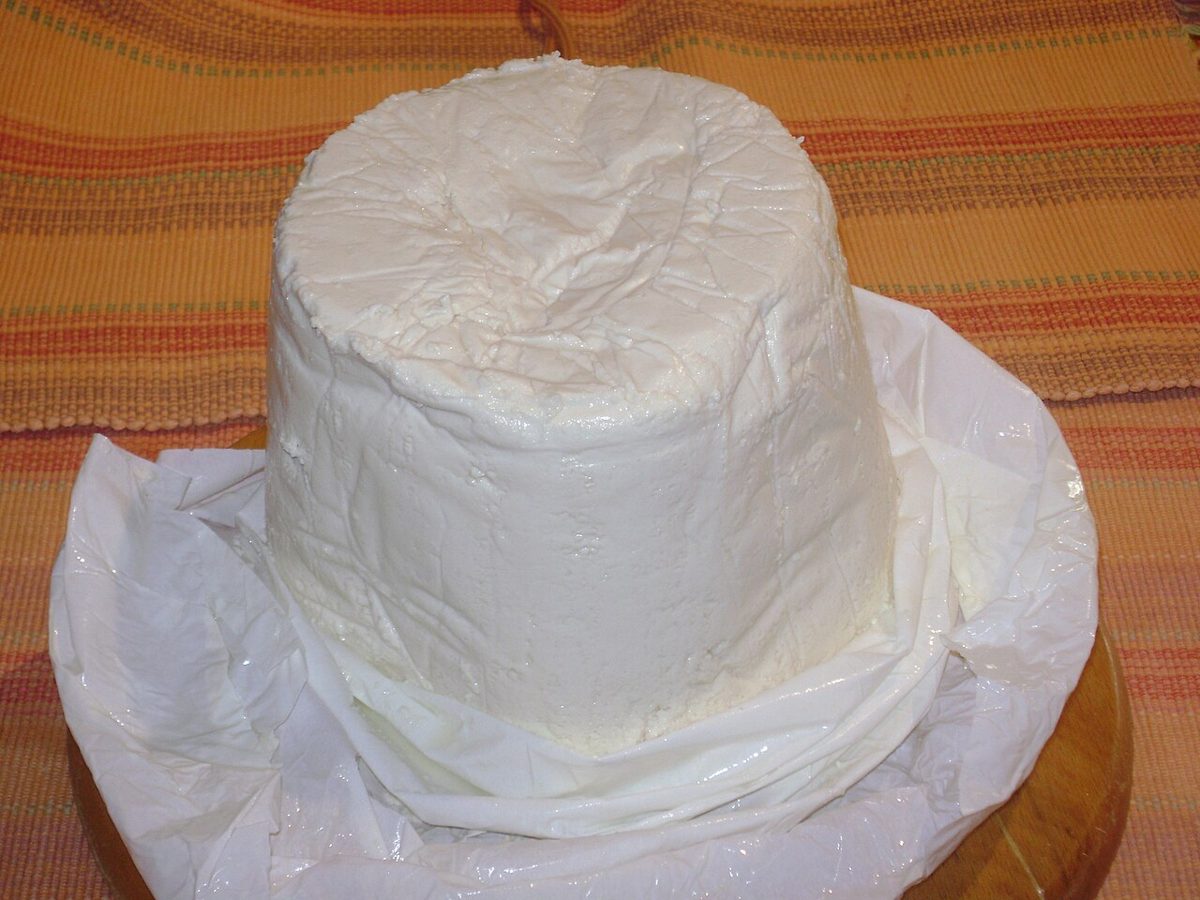
Anthotyros
Facts
- Milk
- Mixed milk
- Texture
- Fresh
- Type
- Whey
- Rind
- No rind
- Country
- Greece
Anthotyros is a traditional Greek whey cheese made from sheep and goat milk. Cooks often gloss the Greek name as flowery cheese, which fits the light aroma of a fresh piece. The soft version is white, mild, and moist, with a fine crumb you can spoon or spread. A dry version is matured until it is harder, saltier, and ready for a grater. Both share one name, so the label should say whether the cheese is fresh or dry.
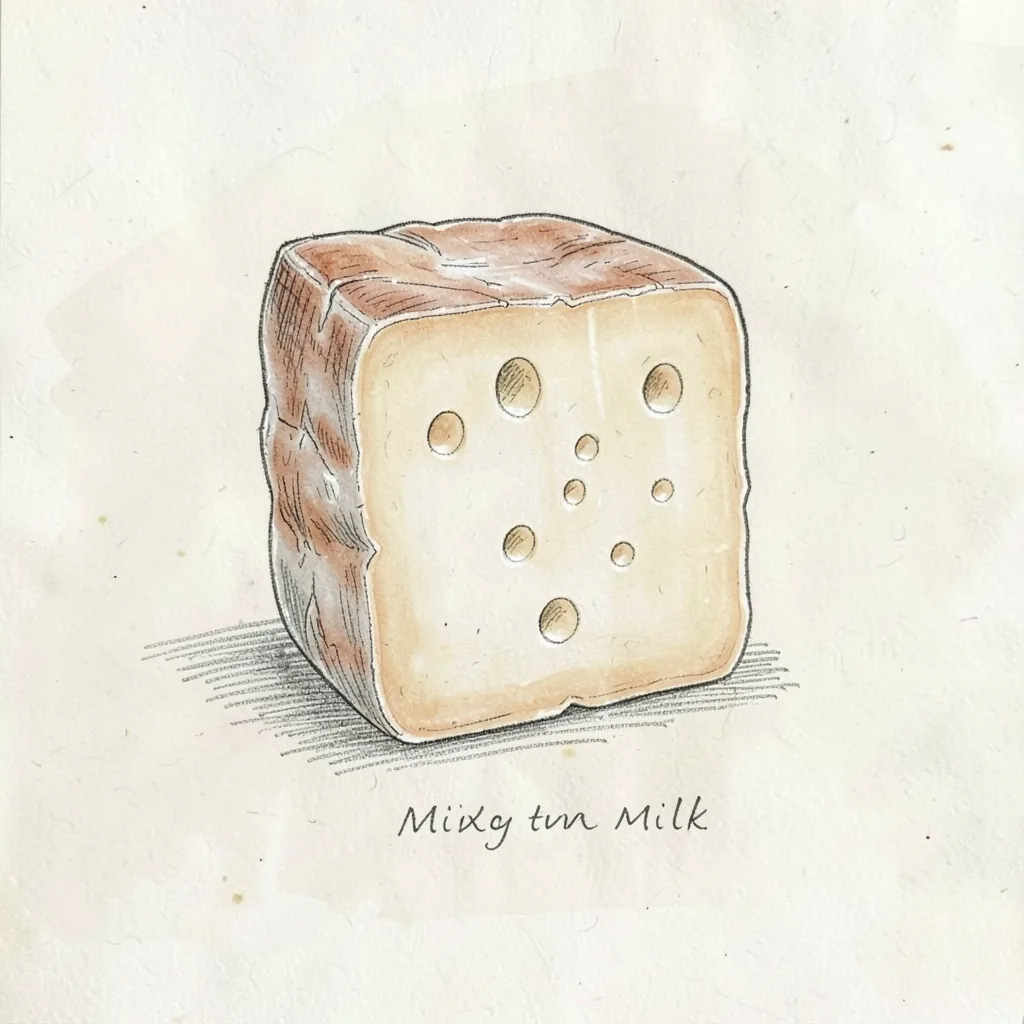
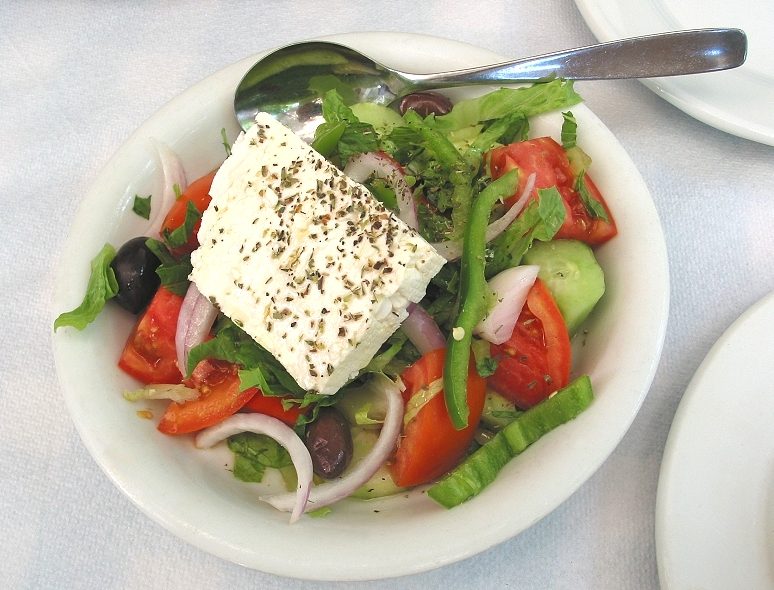
Xynotyro
Facts
- Milk
- Mixed milk
- Texture
- Hard
- Type
- Whey
- Rind
- No rind
- Country
- Greece
- Place
- Mykonos
Xynotyro is a whey cheese from Mykonos in Greece, and the name means sour cheese. Makers use sheep's milk, goat's milk, or a blend of the two, and they do not use cow's milk. The cheese can be eaten soon after draining, or after it has dried into a hard flaky piece. A ripe wedge smells pungent and tastes sweet, sour, and faintly like browned milk. It is an island cheese with a sharp, lean identity.