Mixed milk
What it is
Makers use sheep's milk, goat's milk, or a blend of the two, and they do not use cow's milk. The cheese can be eaten soon after draining, or after it has dried into a hard flaky piece. A ripe wedge smells pungent and tastes sweet, sour, and faintly like browned milk. It is an island cheese with a sharp, lean identity.
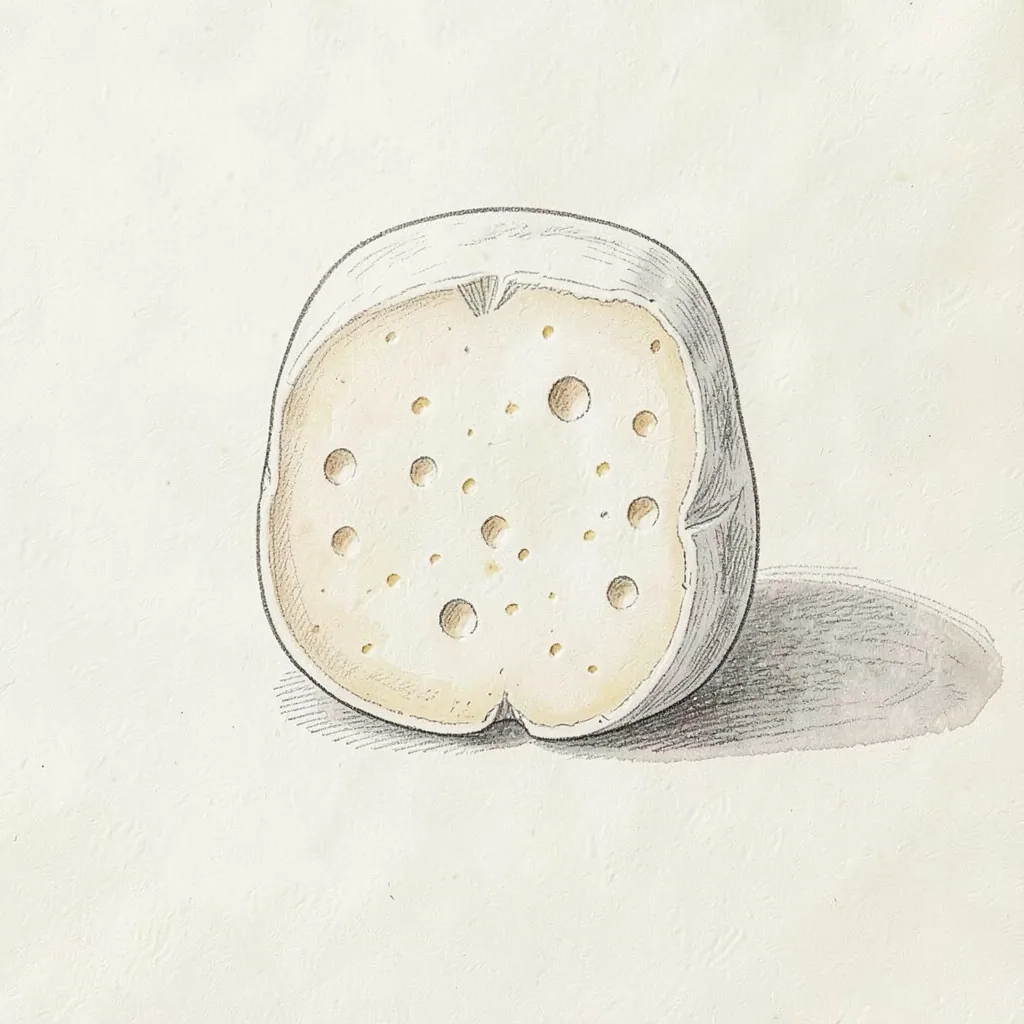
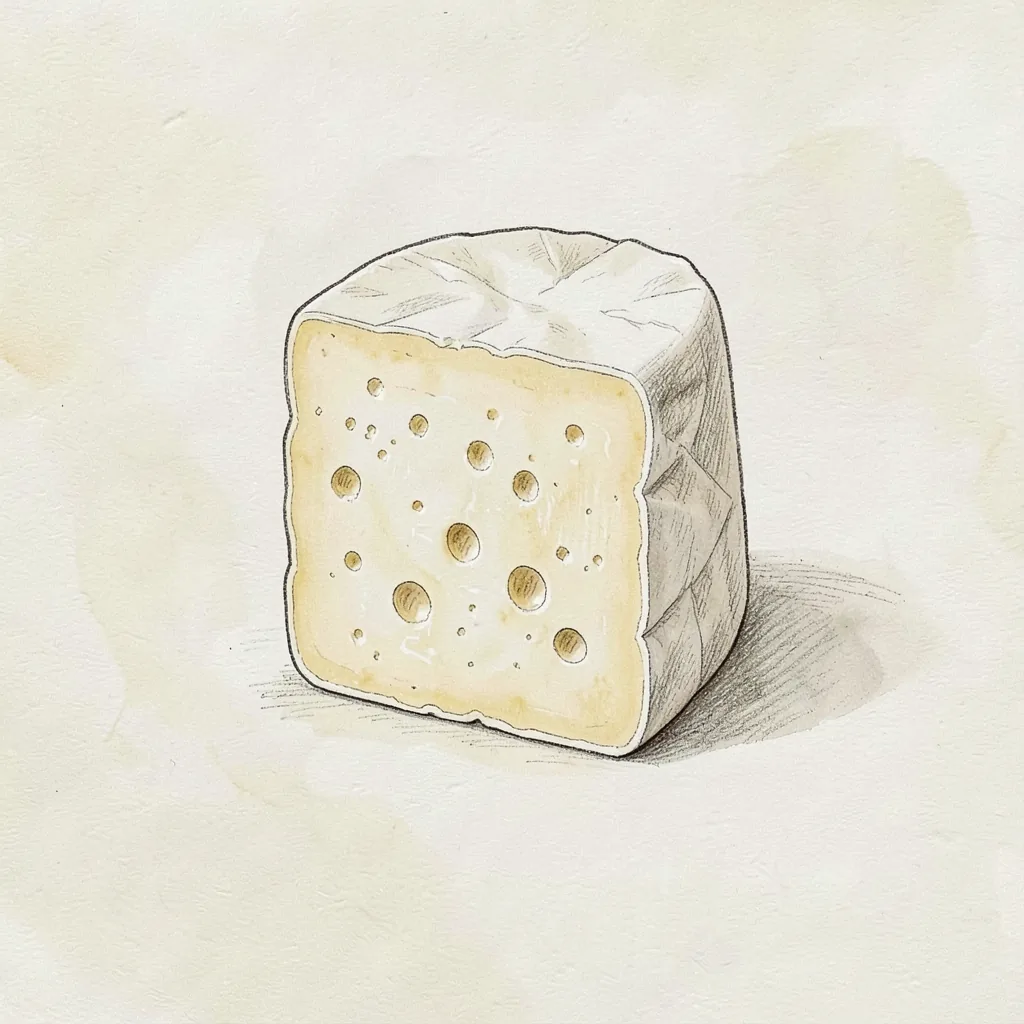
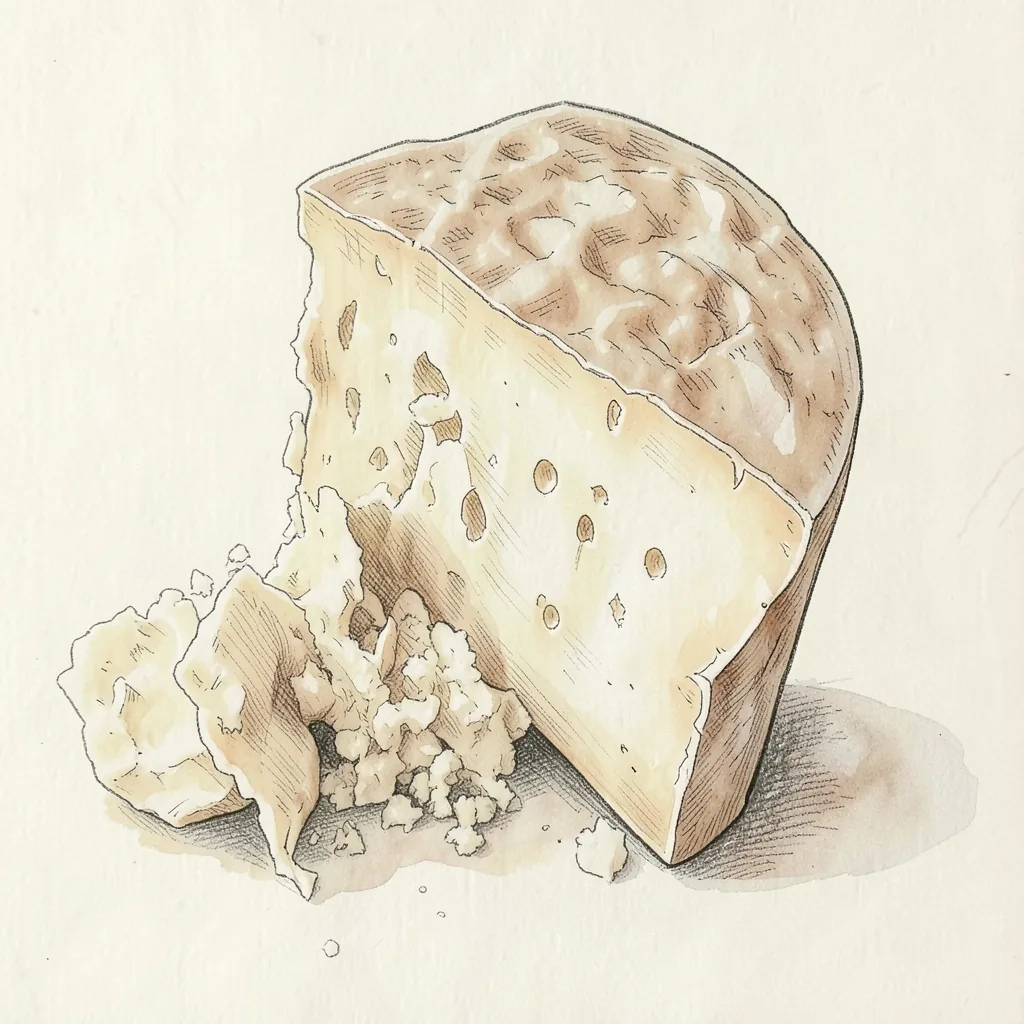
Fresh Xynotyro is softer and milder, while the aged cheese turns dry, salty, and easy to flake. Traditional draining used reed baskets, and some batches were finished in bags made from animal skin. Those vessels are less common now, but the sour whey character remains. The paste is lean beside a rich cream cheese. Cooks use the aged cheese in hot dishes and on salads more often than they melt it in a slice.
History
On Mykonos, whey from sheep and goat dairying was too useful to pour away. Heating that whey, draining the solids, and salting them produced Xynotyro, a cheese whose name announces the sour taste. Households and small dairies kept the method as part of island cooking. The cheese could be eaten soon after it was drained, or kept until it hardened. That choice let one batch serve fresh meals and later cooked ones.
Xynotyro stayed local even as other Greek cheeses traveled farther from home. Mykonos is still the place named with it, though whey cheeses exist elsewhere under other names. Mizithra and anthotyros are the cousins that shoppers meet more often. Kopanisti, also tied to Mykonos, is a soft spicy cheese and not the same food. A label that says Xynotyro or Xynotyri should mean this sour whey cheese, not a generic Greek white cheese.
How it is made
After a first cheese is made, the whey from sheep's milk or goat's milk is heated so the remaining proteins gather. Those solids are drained, often in a basket that leaves a light woven mark. Salt goes in, and the mass firms under its own weight or with light pressure. At this stage the cheese is fresh, moist, and sour. It can be eaten then, without a long rest in a cellar.
For the aged version, the drained cheese dries and ripens with the microbes already in it. The paste loses moisture, firms up, and becomes flaky. The smell grows stronger, and the sweet and sour taste deepens toward a light caramel note. Animal skin bags were a traditional ripening vessel, though many makers now use ordinary dairy rooms. The result is a hard whey cheese, not a brined slice and not a blue.
Taste
Sourness leads, but it is not a plain yogurt sourness from a fresh pot. Sweetness is there too, along with a browned note that comes from the heated whey. Salt is clear, especially once the piece has dried. The aroma is pungent and can fill a small kitchen when the wrap comes off. Fresh cheese is gentler, with more moisture and less of that browned edge.
An aged piece flakes and can seem to dissolve on the tongue even though it looks dry. Goat's milk, when it is the base, often tastes brighter and tangier. Sheep's milk can taste a little fuller and rounder. A blend sits between those two lines, still sour and still salty. Neither the fresh cheese nor the aged one has the sticky bitterness of a washed rind.
In the kitchen
Crumble aged Xynotyro over salads, baked vegetables, or a grain dish. The salt and the sourness work like a seasoning, so start with less than you think you need. Fresh cheese can go with bread, tomatoes, and olive oil, in the way island cooks serve a young whey cheese. It softens in a hot dish but does not become stretchy. A light hand matters once the cheese has dried and the flavor is concentrated.
Flake a hard piece onto pasta or a savory pie when you want a Greek whey cheese instead of a nutty pecorino. The taste will be more sour and less rounded in the finish. On a board, honey or a ripe fruit gives the sweet side of the cheese a partner. Keep fresh Xynotyro cold and eat it soon, because moisture invites spoilage. Keep the hard cheese wrapped, and expect the smell to be stronger than the small wedge suggests.
Around the world
Outside Greece, Xynotyro is a specialty of shops that import island dairy, not a standard grocery item. Mizithra is easier to find and is the closest everyday substitute, especially a drier style used for grating. Anthotyros is milder and softer, so it stands in for fresh Xynotyro better than for the aged cheese. Tell the shop which texture you need before you choose. The names look related, but the sourness of Xynotyro is the point that sets it apart.
If a recipe names Xynotyro and the shop has none, use dry myzithra for a hard salty flake. Use anthotyros when the dish needs a gentler whey cheese with more moisture. Kopanisti will not do the same job, because it is soft, peppery, and meant to be spread. Mykonos still has the strongest link to the name. A wedge from the island, or a label that names it clearly, is the surest match.