Beenleigh Blue vs Harbourne Blue
Beenleigh Blue is made from sheep's milk. Harbourne Blue is made from goat's milk.
Both are used for a board, salad, and cooking.
Beenleigh Blue can stand in for Harbourne Blue. It is a firm British blue with a salty savory paste, though the milk is sheep's milk rather than goat's milk.
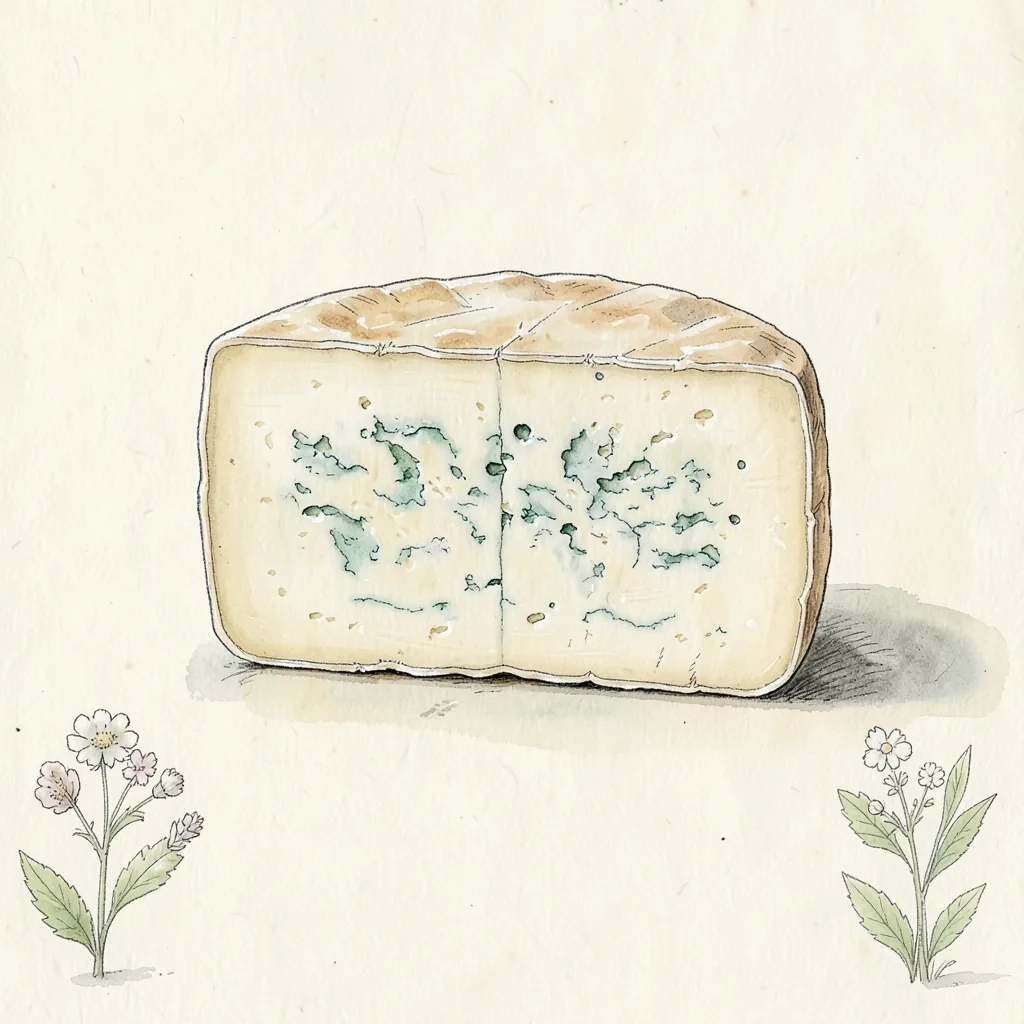
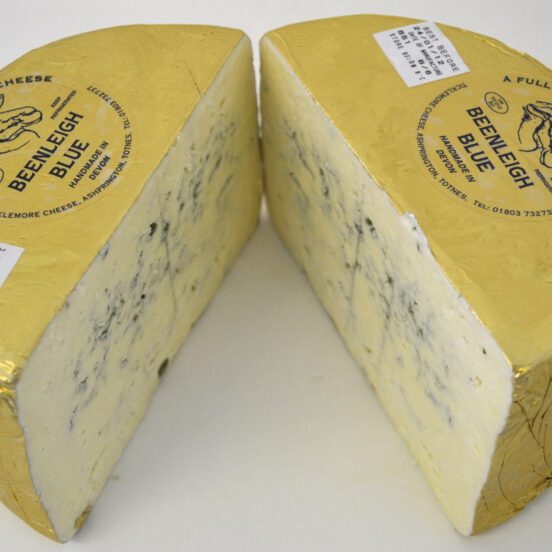
Beenleigh Blue
Facts
- Milk
- Sheep
- Texture
- Soft
- Type
- Blue
- Rind
- Natural rind
- Country
- United Kingdom
Beenleigh Blue is a soft blue cheese from the United Kingdom, made from sheep's milk. The paste is pale, moist, and creamy, with green-blue veins running through it. It is unpressed, so the body stays tender rather than hard and dry. A thin rind, often kept in check once the blue appears, does not dominate the taste. The flavor is salty and tangy, but also sweet, with a lighter feel than many sheep's milk blues.
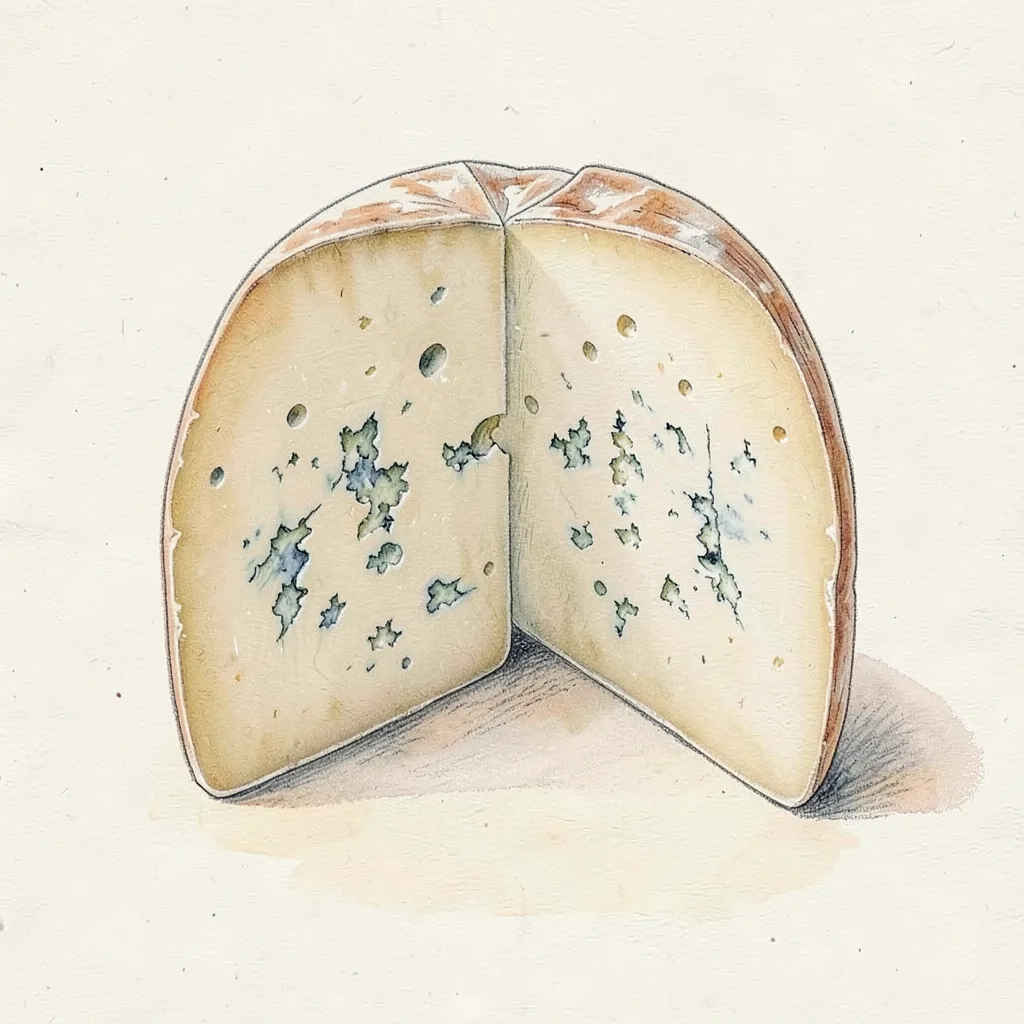
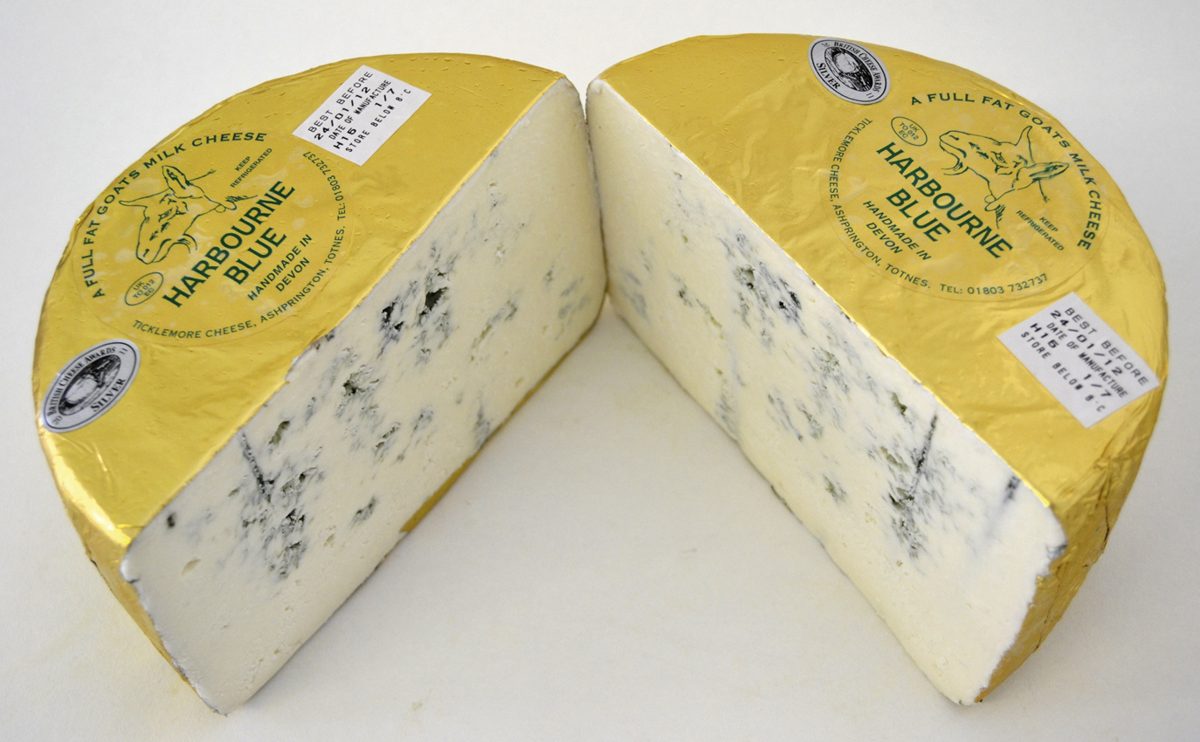
Harbourne Blue
Facts
- Milk
- Goat
- Texture
- Semi-hard
- Type
- Blue
- Rind
- Natural rind
- Country
- United Kingdom
Harbourne Blue is a British brand of blue cheese from the United Kingdom, made from pasteurised goat's milk. The paste is firm and dense, off-white, with blue or grey-green veins. A young wheel can taste clean and lightly yoghurty, while a mature wheel turns spicy and assertive. It is a goat's milk blue, not a fresh goat log and not a cow's milk Stilton. The name refers to the Harbourne, a river in the southwest of England, rather than to a harbour town.