Goat
What it is
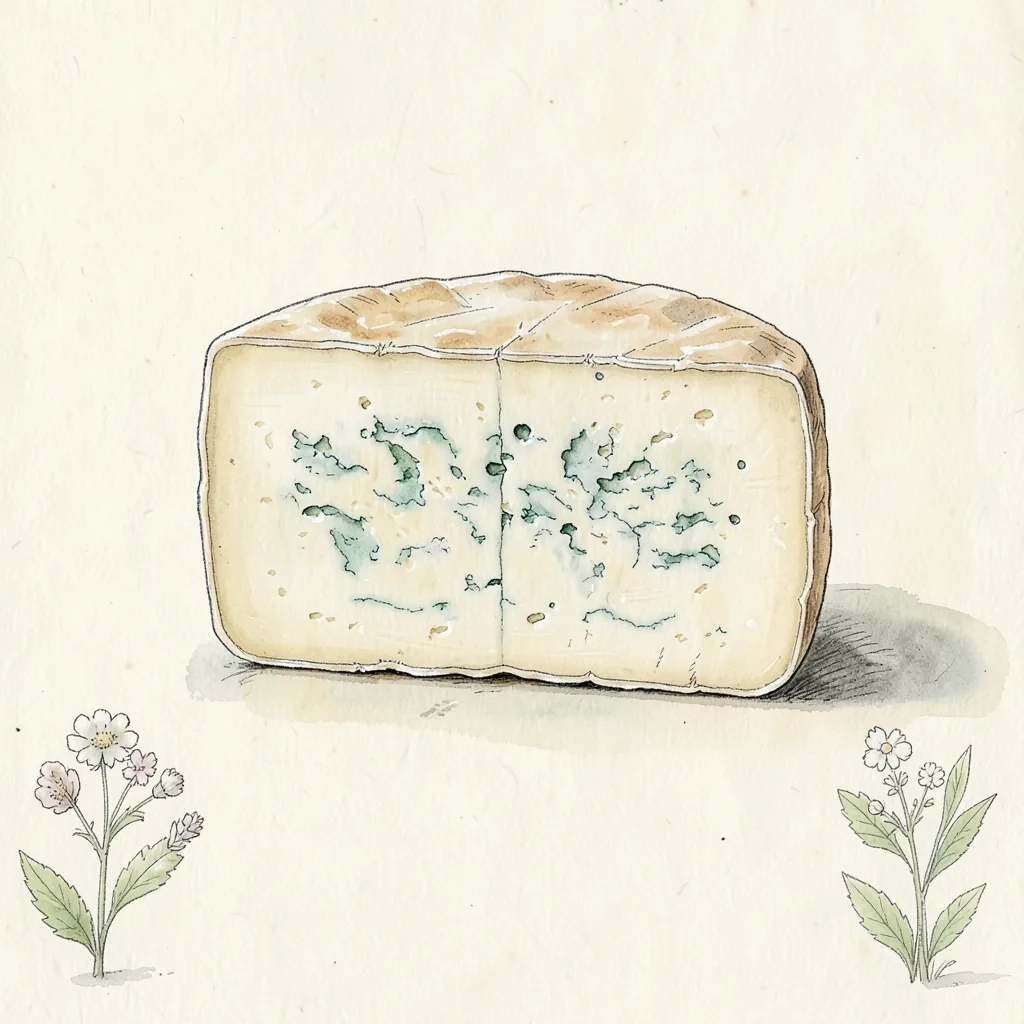
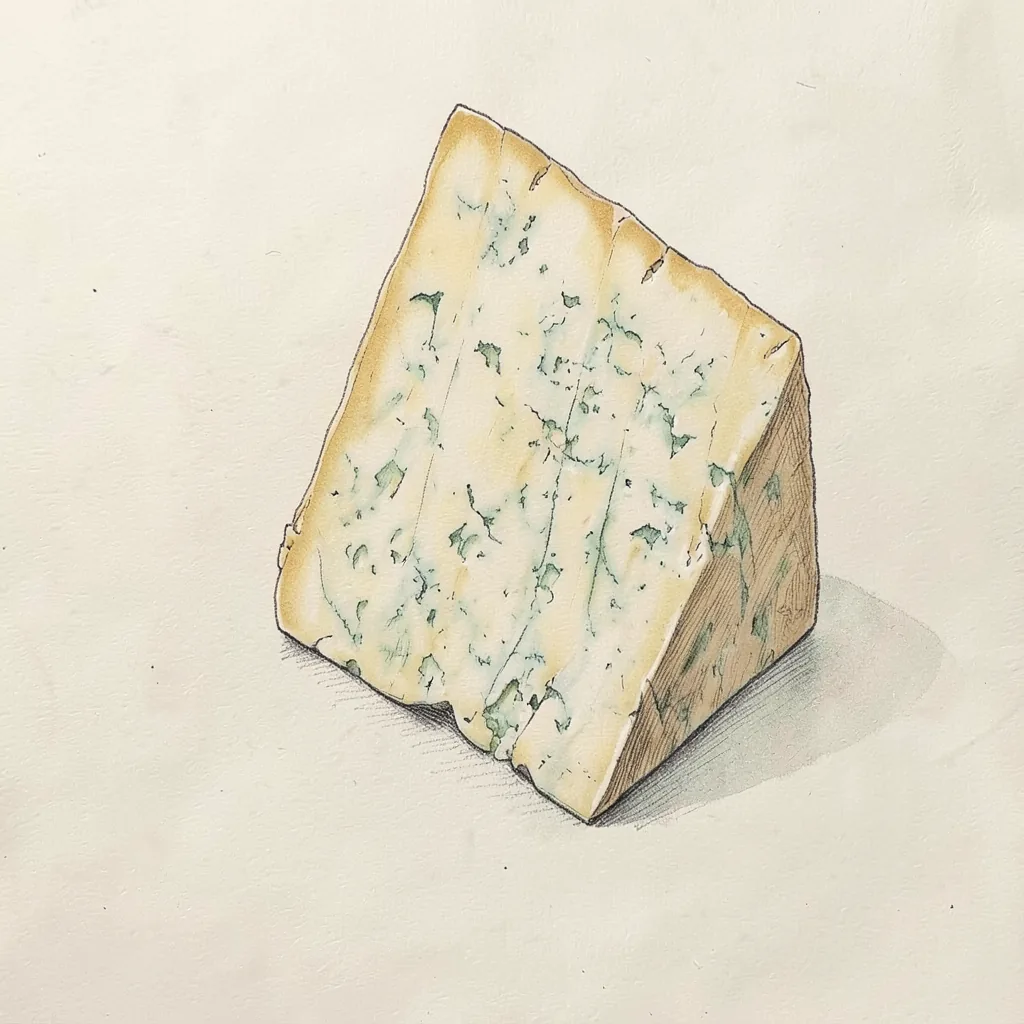
The paste is firm and dense, off-white, with blue or grey-green veins. A young wheel can taste clean and lightly yoghurty, while a mature wheel turns spicy and assertive. It is a goat's milk blue, not a fresh goat log and not a cow's milk Stilton. The name refers to the Harbourne, a river in the southwest of England, rather than to a harbour town.
Wheels from this brand do not all taste the same. Goat's milk changes through the year, so one piece can be dry, grainy, and fierce while the next is moister, sweeter, and nutty. Both are Harbourne Blue, and both carry blue veins in a firm goat's milk paste. The cheese is pasteurised, and many batches use a vegetarian coagulant, which matters for some buyers. Treat it as a strong board cheese first, and as a seasoning crumble second.
History
Harbourne Blue is a modern British brand, not a medieval market cheese with a recorded charter. It was developed as a blue made wholly from goat's milk, in a country where famous blues more often used cow's milk or sheep's milk. The name comes from the Harbourne river in southwest England, and it does not mark a harbour you can visit. Makers kept a hand process and, in the usual recipe, a vegetarian coagulant. The cheese stayed a small brand rather than a factory block.
The brand sits beside other British blues, and the milk is what sets it apart. Beenleigh Blue is the sheep's milk blue that buyers often confuse with it, and both can be firm and salty. Harbourne Blue keeps a goat character, which can read as cleaner and sometimes sharper. Production stayed with pasteurised goat's milk and with room for seasonal change. Shops still sell it as a specialty wedge, and the label should say goat.
How it is made
Makers warm pasteurised goat's milk and add cultures, a coagulant that is vegetarian in the usual recipe, and the blue mold used for this style. The milk sets, the curd is cut and rested, and the pieces are packed into molds. Salting comes next, on the surface or through the curd, so the paste seasons evenly. Piercing lets air in, and the veins grow along those paths. The cheese is then wrapped and aged until the body is firm, crumbly, and full of flavor.
Wrapping protects the outside while the mold works inside the paste. The rind stays moist rather than growing a thick white bloom, and the interior turns dense and crumbly. Goat's milk from different seasons changes the moisture and the strength, so two wheels of the same brand can feel different. A drier wheel looks more granular, and a moister wheel looks creamier, but both should show blue or grey-green veins. The cheese is sold ready to eat, with salt and mold already in balance.
Taste
The smell of Harbourne Blue is clean and a little yoghurty when the cheese is young, then deeper and more pungent as the veins spread. The paste breaks in crumbs rather than bending like a soft bloomy round. Salt is firm, the blue mold is peppery, and a goat note sits under the spice. Some wheels taste sweet and nutty, with a moist crumb. Others are drier and more aggressive, and that range is normal for the brand.
Color helps you read the piece. A pale interior with light veins is usually milder and more lactic. A denser network of blue or grey-green veins brings a spicier finish that can cover a mild cheese on the same board. The rind is moist, not thick and fuzzy, and you can trim it if you prefer. Fat in the paste keeps a mature piece rich even when the flavor is sharp, so a gentle fresh goat cheese is a different food.
In the kitchen
Crumble Harbourne Blue over a salad, warm beets, or potatoes, where the salty veins season the food. A small piece on a board is enough, because the taste is assertive and can overwhelm a mild partner. Pears, honey, walnuts, and plain crackers let the goat and blue notes stay clear. It can go into a sauce if you use less than you would of a mild melting cheese. Keep the heat low so the paste does not turn oily and lose its shape.
Do not treat this brand as a grating cheese or as a slice for the grill. The body is crumbly, and high heat drives off the nuance and leaves salt. A ripe, moister piece can be spread on bread, or you can scatter soft crumbs over soup. Wrap the cut face well, because the veins and the smell grow in open air. If a recipe calls for a large amount of mild blue, choose a gentler cow's milk blue and keep Harbourne Blue for the board.
Around the world
Harbourne Blue is a British specialty, and most buyers meet it through cheesemongers rather than in every grocery aisle. Outside the United Kingdom it appears in shops that stock British blues and goat cheeses. The brand name is easy to misread as a harbour you can visit, but it refers to a river and to the cheese. Tell a shop the milk is goat if you are avoiding cow's milk, because the wedge can look like other firm blues. The flavor can be milder or fiercer depending on age.
Beenleigh Blue is the cheese people most often confuse with it, since it is another British blue with a firm salty paste, but the milk is sheep's milk. Stilton is the famous cow's milk blue of England, different in milk and usually creamier in reputation. A fresh goat cheese will not replace the veins or the spice. Use Harbourne Blue when you want goat's milk and blue mold together. Use a cow's milk blue when you want a milder, more familiar cheese for everyday cooking.