Sheep
What it is
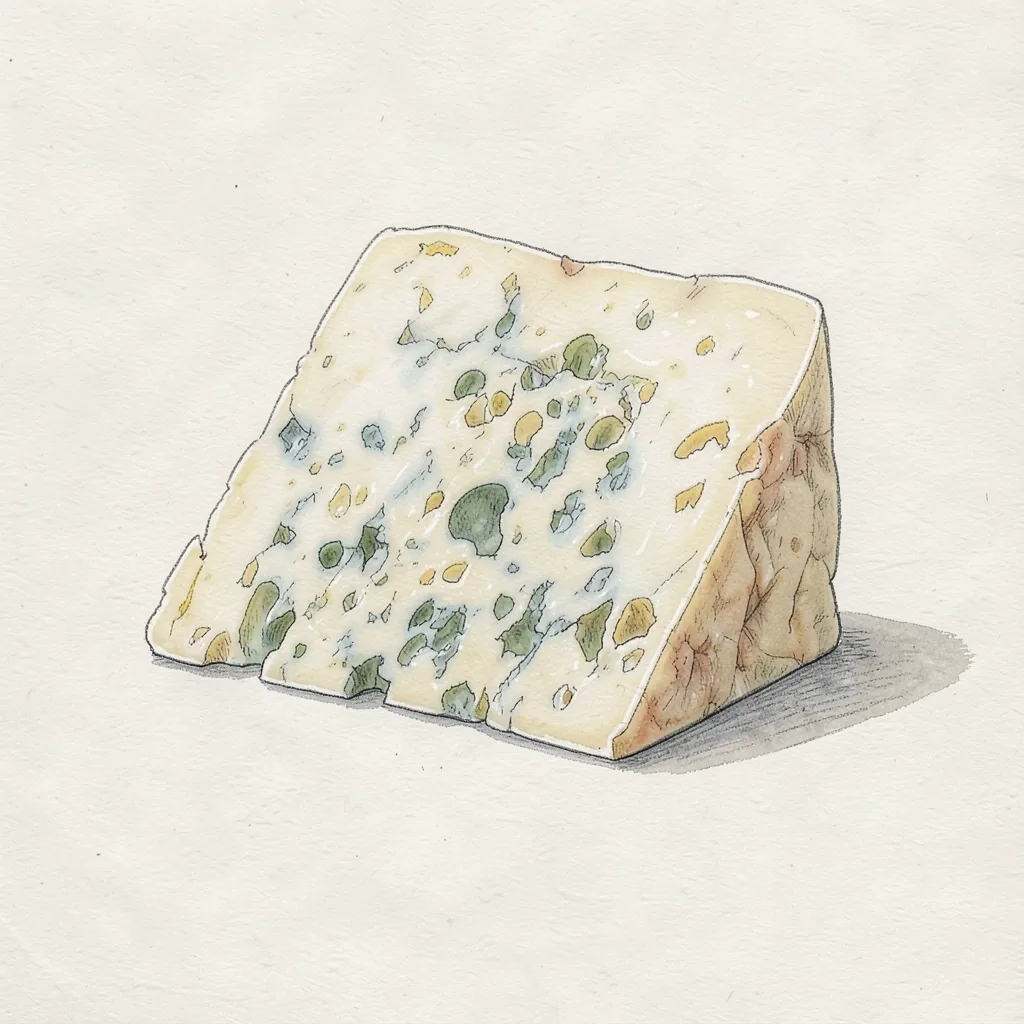
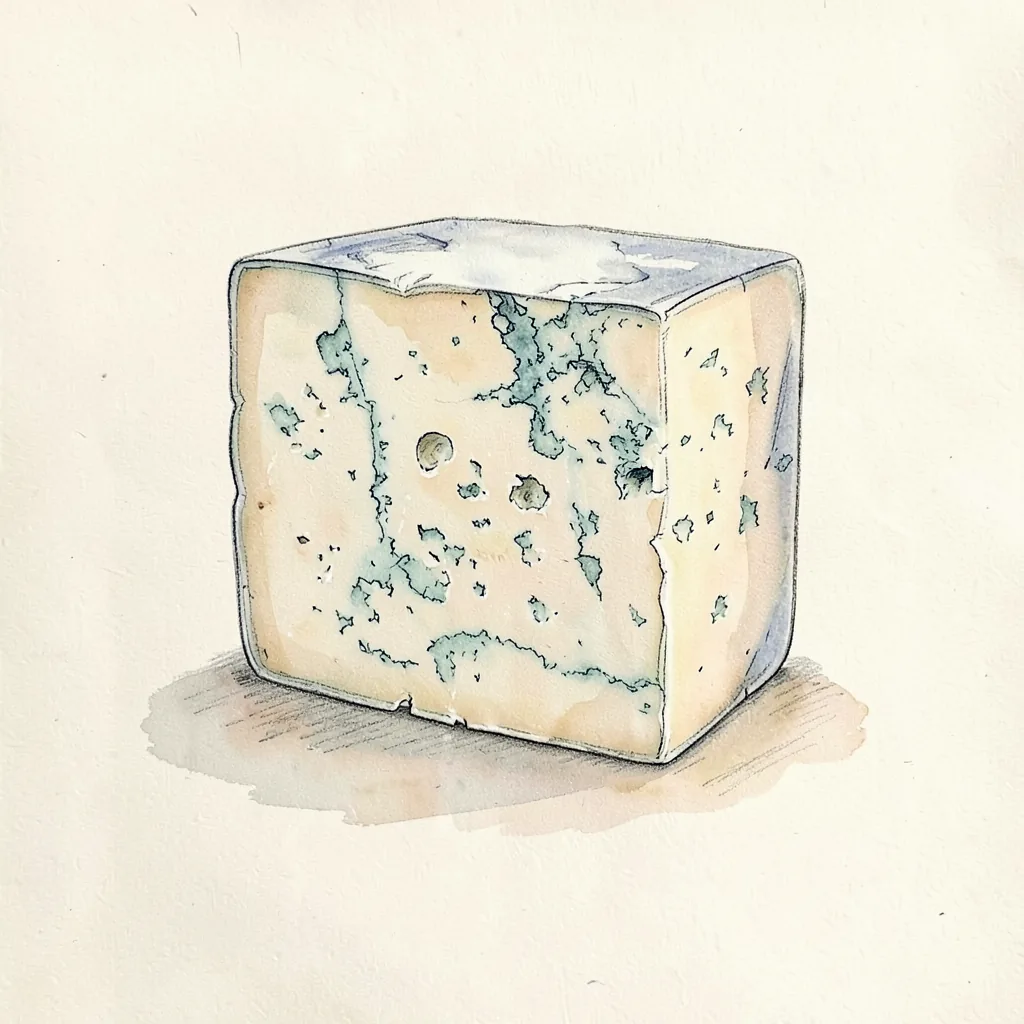
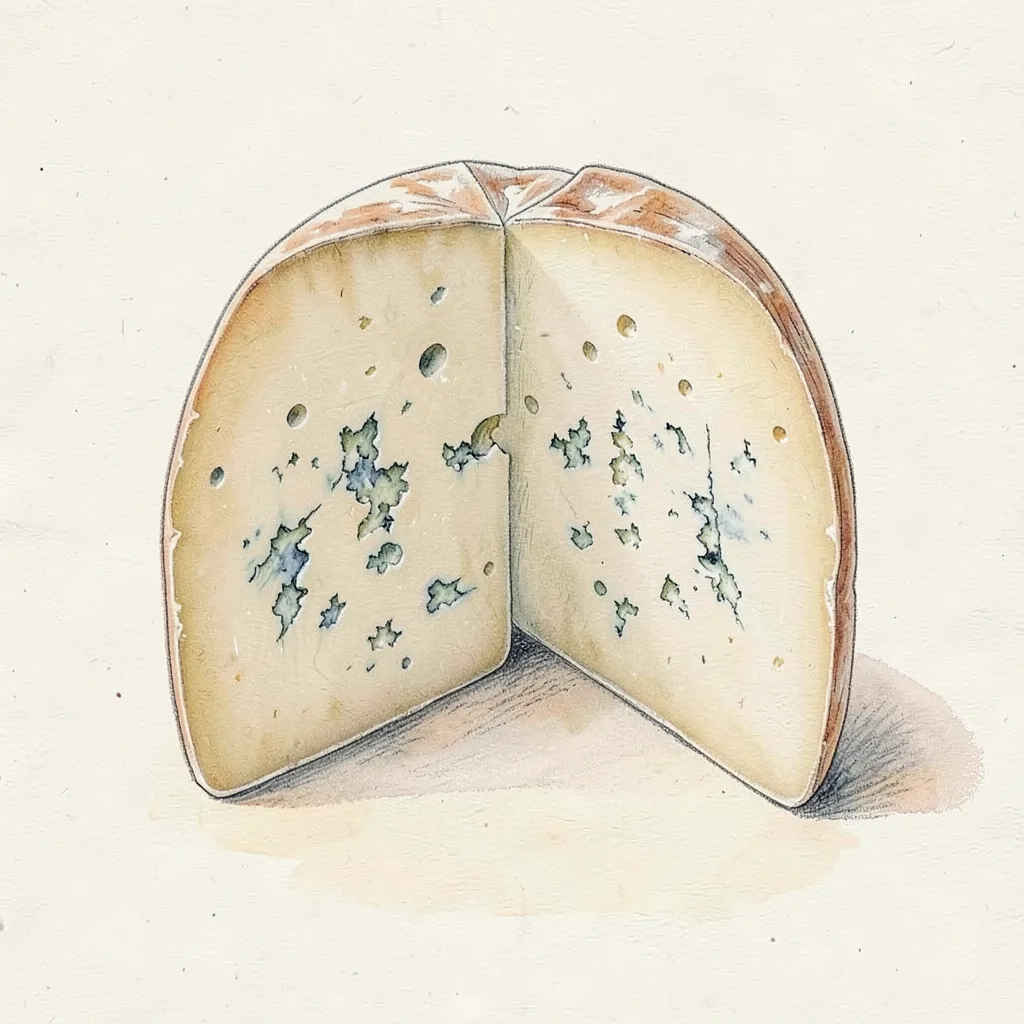
The paste is pale, moist, and creamy, with green-blue veins running through it. It is unpressed, so the body stays tender rather than hard and dry. A thin rind, often kept in check once the blue appears, does not dominate the taste. The flavor is salty and tangy, but also sweet, with a lighter feel than many sheep's milk blues.
The cheese is sold as a round for cutting, not as a dry grating block. Earlier pieces in a season can taste fresh and mineral, and later pieces turn richer and rounder. Mushroom, nut, and a light fruit note are common, and some wheels carry a hint of sherry sweetness. It is a blue for the board and for crumbling, not a mild slice without mold. Sheep's milk is the point, and a cow's milk blue will not taste the same.
History
Beenleigh Blue belongs to the modern revival of sheep's milk cheese in Britain. Makers took the broad idea of a sheep's milk blue and aimed for a softer, sweeter paste than the fierce cave cheeses of southern France. The recipe settled into a limited artisan round that could be sold through the year once the blue was ready. It found a place among British blues made from different milks. The name belongs to the cheese, and the country on the label is the United Kingdom.
The cheese stayed a sheep's milk blue even as other British blues, from cow's milk and from goat's milk, became better known. Shoppers sometimes group all of those rounds together because the veins look alike. The milk is the split that matters, and Beenleigh Blue kept a sweet, creamy line rather than a harsh, salty one. It is still a small-production cheese, so a counter may have it one week and not the next. Buyers still have to read the milk on the label.
How it is made
Beenleigh Blue is made from pasteurized sheep's milk. Cultures, rennet, and the blue mold are part of the make, and the curd is cut and ladled into molds without heavy pressing. The young rounds drain and are salted on the surface. After they firm enough to handle, they are pierced so air can enter and the blue can grow along those paths. The paste stays moist because it was never pressed into a dense block.
Once the veins begin to show, the rounds are wrapped so the rind stays thin and does not dry into a thick crust. Aging continues until the blue is spread through the paste and the body is creamy. The cheese is not washed and not bloomy in the white-rind sense. What you buy is a soft, open blue with a light coat, ready to cut. Seasonal milk can shift the richness, but the sheep's milk and the veins stay constant.
Taste
Expect salt, sweetness, and a clean tang in the same bite. The paste is moist and slightly crumbly, and it can feel creamy on the tongue even where the blue is bold. Mushroom and a light nut note sit under the mold, and a mineral edge shows in some pieces. The sweetness of sheep's milk keeps the blue from turning only sharp. A very cold piece hides that balance, so let it warm before you taste it.
The thin rind is mild compared with a thick natural crust, and most of the flavor is in the paste. Later-season cheese tends to taste fuller and a little more savory, while an earlier piece can seem fresher and more mineral. You should not expect the dry, fierce crumble of a long-aged cow's milk blue. If the smell is harshly ammoniated or the paste is slimy, the piece is too old. A good round smells sweet, salty, and mushroomy at once.
In the kitchen
Crumble Beenleigh Blue over a salad, a warm beet dish, or buttered toast, where the sweet salt can stand out. On a board, pair it with pears, walnuts, and a little honey, and give it space away from very pungent washed rinds. It can soften into a sauce or a stuffing if you add it off a hard boil so the fat stays in the paste. Do not grill it like a firm slice. Heat should be gentle, or the blue note turns dull and oily.
Use a spoon or a blunt knife, because the moist paste sticks to a fine slicer. A little goes far in a dressing or on a burger, and extra salt is rarely needed. Wrap leftovers tightly, since blue aroma moves into other food and the cut face dries. If a recipe wants a hard, sharp cow's milk blue, this sheep's milk round will taste sweeter and softer. Save it for dishes that can take that sweetness.
Around the world
Beenleigh Blue is a British specialty, and outside the United Kingdom it shows up at counters that carry artisan blues rather than in every grocery case. The label should say sheep's milk, because the veins alone do not identify it. Buy a piece that looks moist, with blue through the paste and no heavy wet slime. Keep it cool and eat it within a short time after opening. People who know only mild cheddar-style cheeses may find the mold strong, even though this blue is on the sweeter side.
Roquefort is the sheep's milk blue most shops can offer instead, and it is usually saltier and sharper. Lanark Blue is another British sheep's milk blue and a fair crumble for salad. Harbourne Blue is easy to confuse with this cheese if you only remember a soft British blue, but it is made from goat's milk and tastes different. A cow's milk Stilton will not copy the sweet sheep's milk note. Read the animal on the label before you swap.