Caciocavallo vs Kashkaval
Caciocavallo comes from Italy. Kashkaval comes from Bulgaria.
Both are used for melting, grating, and a board.
Caciocavallo can stand in for Kashkaval. Caciocavallo is the Italian relative, with an elastic paste that slices when young and grates when the wheel is older.
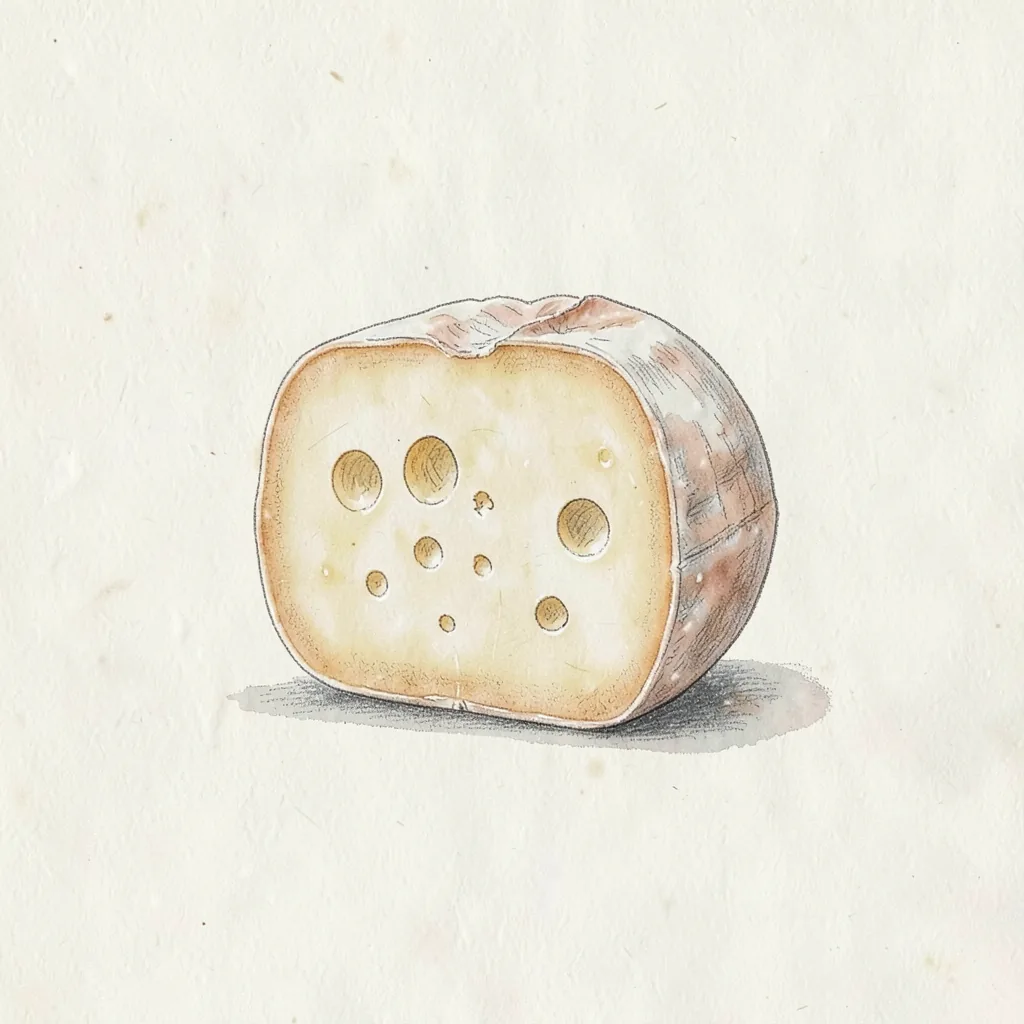
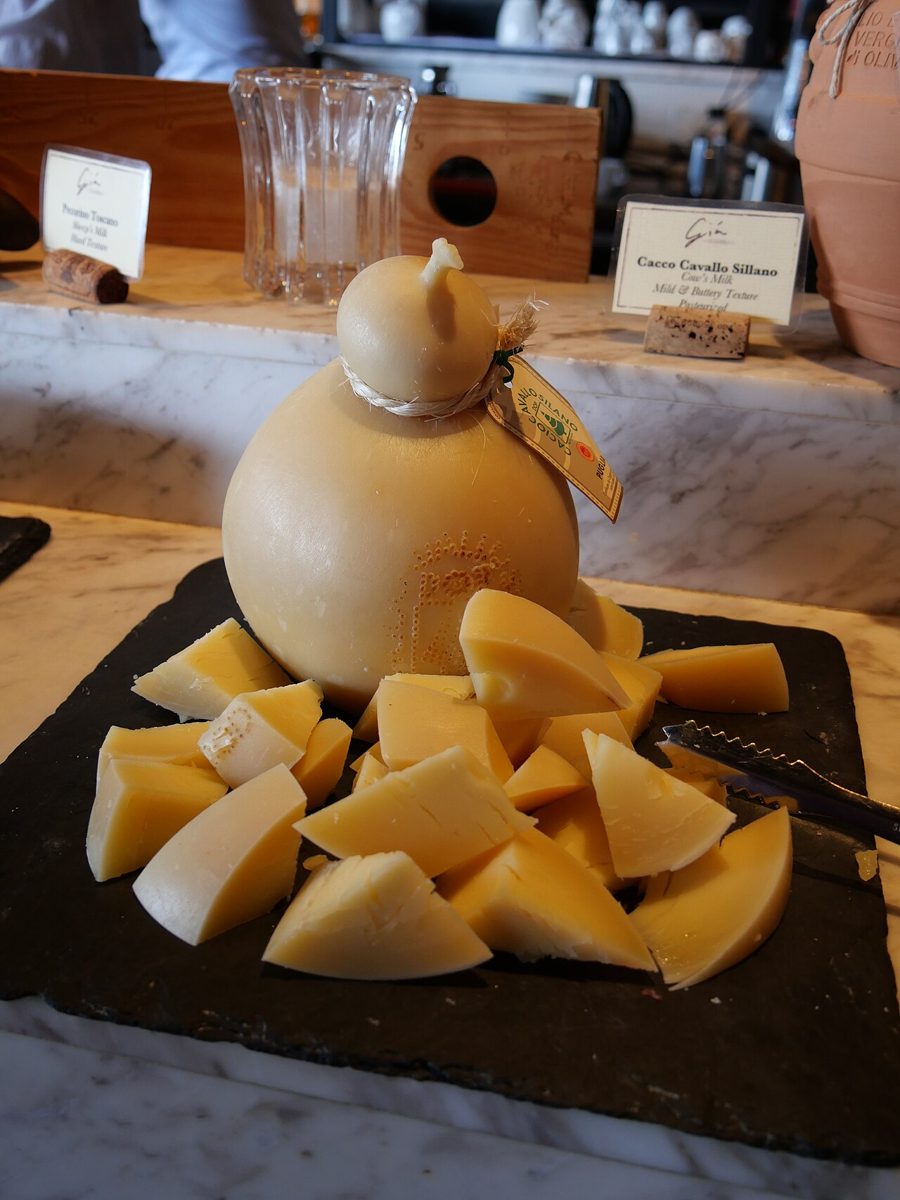
Caciocavallo
Facts
- Milk
- Cow
- Texture
- Semi-hard
- Type
- Stretched curd
- Rind
- Natural rind
- Country
- Italy
Caciocavallo is an Italian stretched-curd cheese made from cow's milk. The usual shape is a pear or a small gourd, with a narrow neck where a cord is tied. Makers hang the cheeses in pairs over a beam, and that pose explains the name. A thin natural rind covers a firm pale paste that slices cleanly. Young cheese is mild and supple, and older cheese turns drier, saltier, and fit for grating.
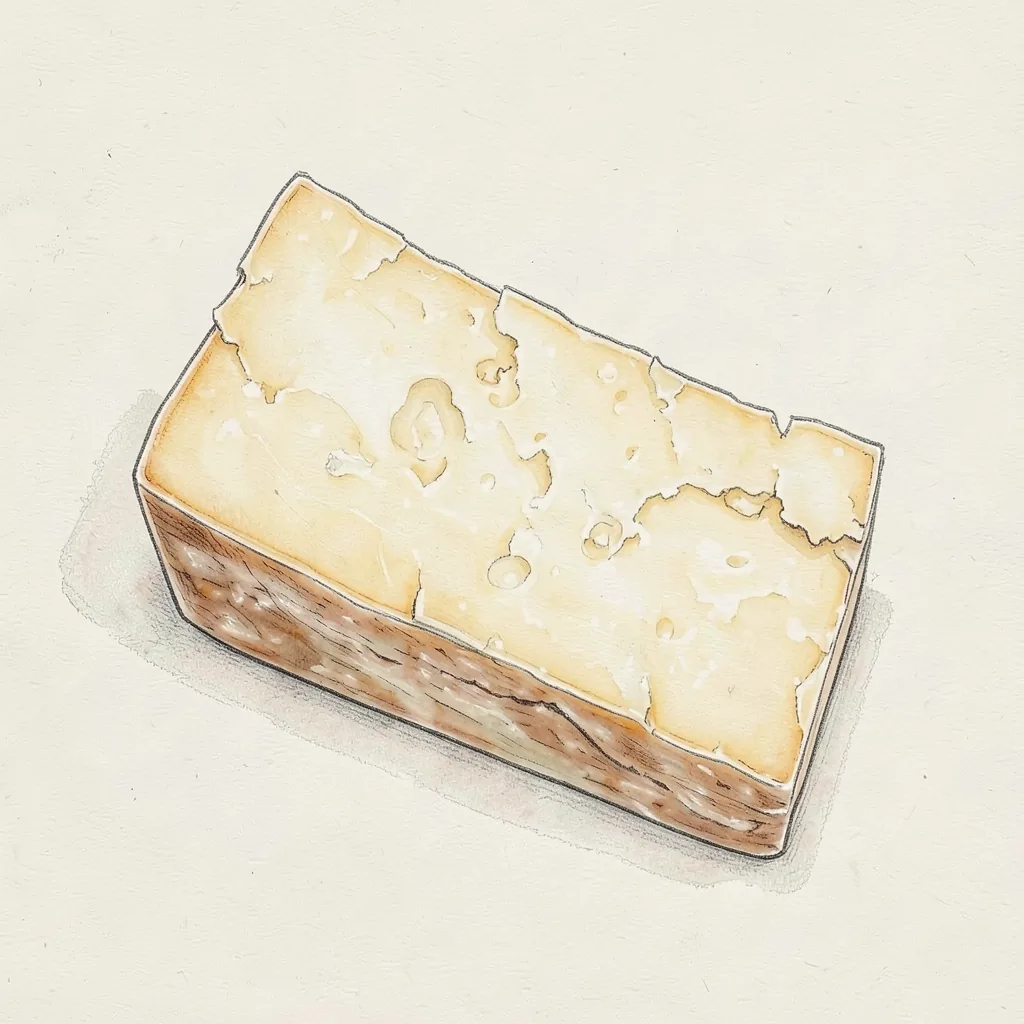
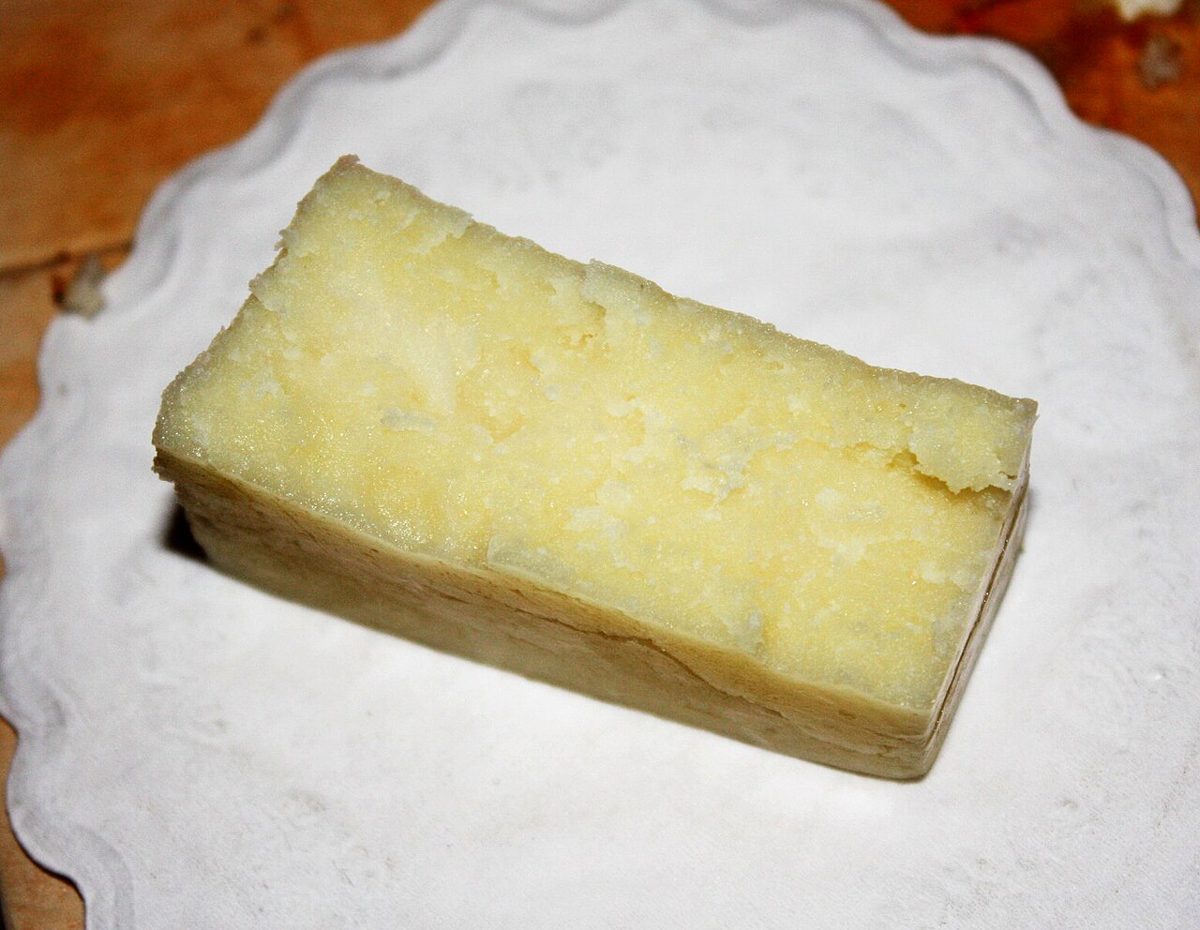
Kashkaval
Facts
- Texture
- Semi-hard
- Type
- Stretched curd
- Rind
- Natural rind
- Country
- Bulgaria
Kashkaval is a semi-hard cheese from Bulgaria, and it belongs to a wider Balkan family of stretched-curd wheels. The paste is pale yellow, dense, and smooth, with a natural rind on many wheels. Makers heat and stretch the curd, then press it into rounds, blocks, or tall cylinders. A young piece slices cleanly and melts well. An older piece turns drier and sharper, and it grates over hot food.