What it is
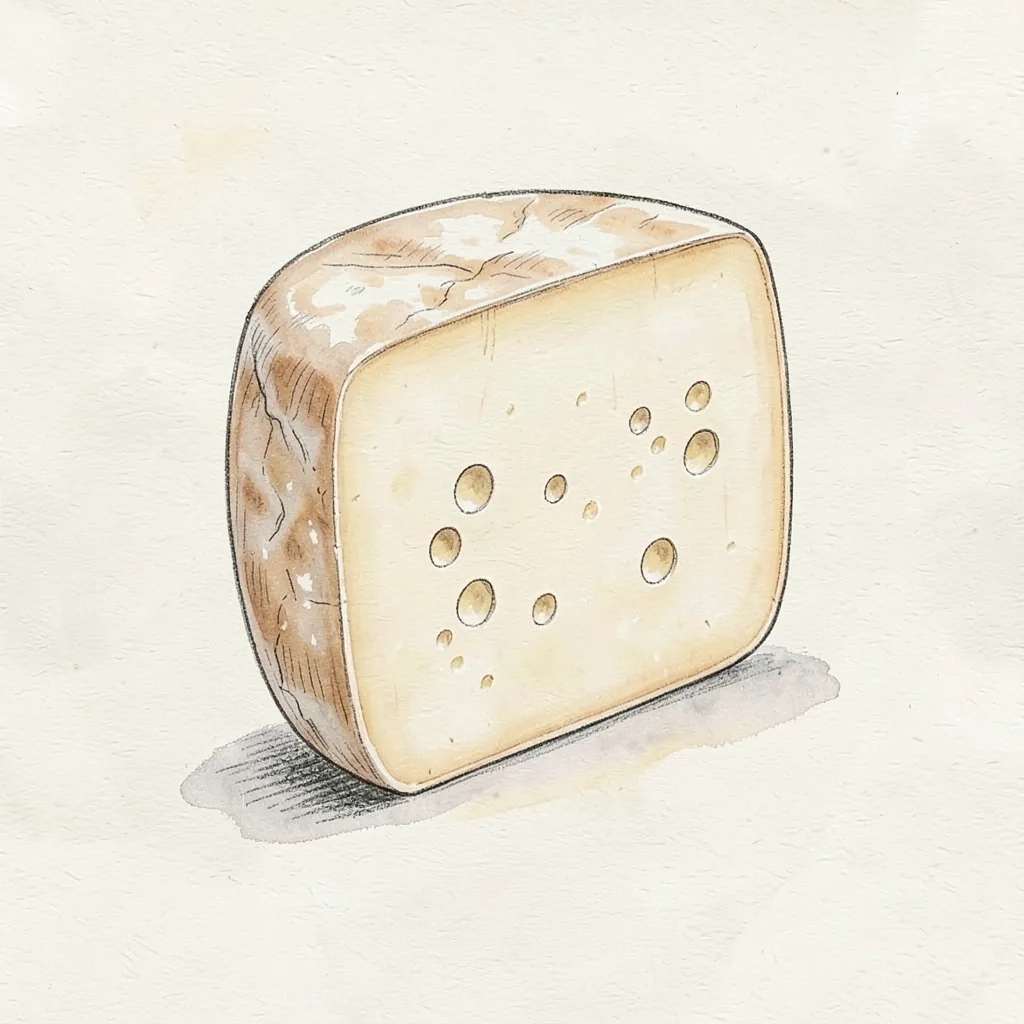
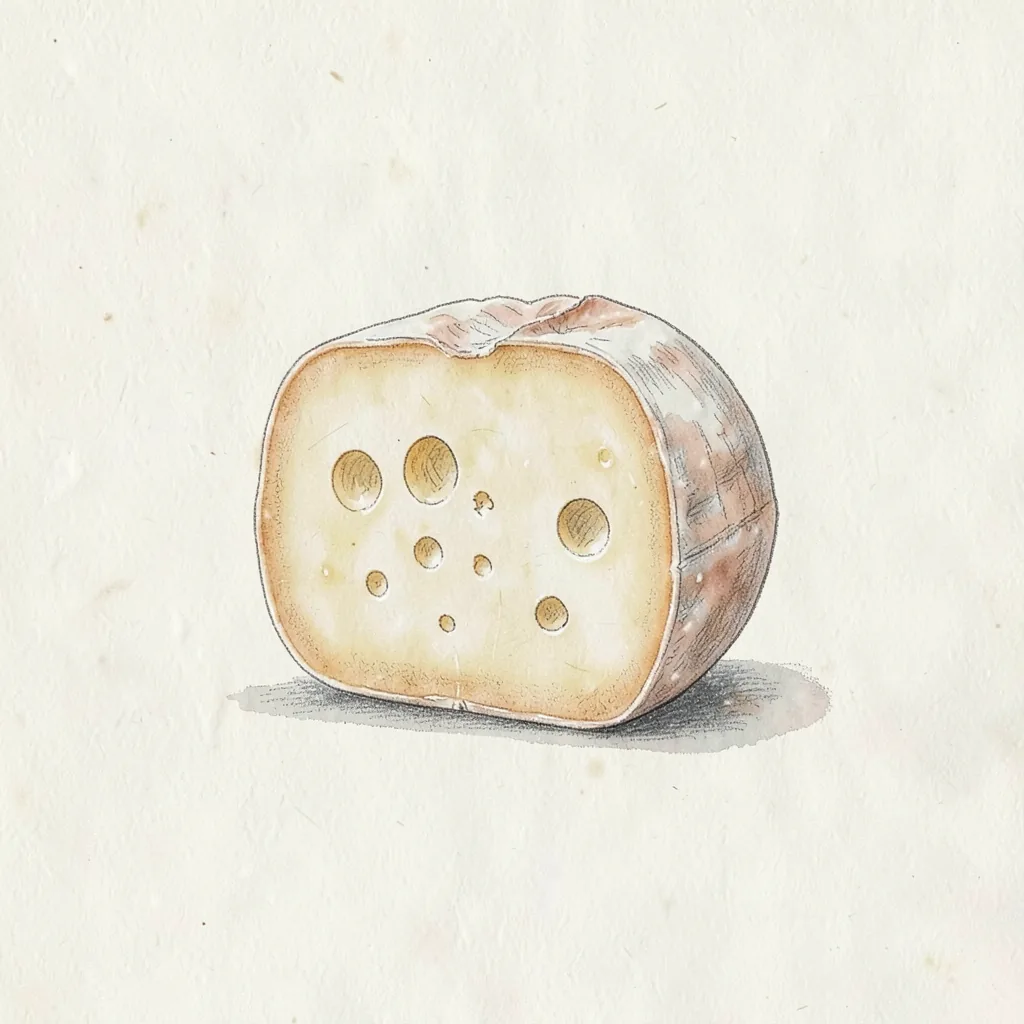
The paste is pale yellow, dense, and smooth, with a natural rind on many wheels. Makers heat and stretch the curd, then press it into rounds, blocks, or tall cylinders. A young piece slices cleanly and melts well. An older piece turns drier and sharper, and it grates over hot food.
In the kitchen it behaves like other stretched-curd cheeses from the same broad family. It softens under heat, so it suits sandwiches, baked dishes, and a hot grill. A plain slice on bread shows a mild, slightly tangy, and salty taste when the cheese is young. A long-aged piece is better as a grating cheese than as a mild table cheese. Shop labels vary by country, but the Bulgarian name covers this same semi-hard style.
History
The name sits among Balkan and eastern Mediterranean cheeses that share a stretched curd. Bulgaria has long sold kashkaval as an everyday wheel, and neighboring countries use closely related names for a similar cheese. The style is older than modern factories, and it belongs to mountain dairies and lowland dairies alike. No single village owns the recipe. What travels under the name today is a semi-hard cheese with a clean slice and a taste that deepens with age.
Trade around the Balkans carried the cheese across borders, so a buyer may see a spelling that looks new but points to the same idea. Some wheels are young and supple. Others stay in storage until the paste is firmer and the flavor is fuller. Factories now make large, even wheels, and smaller dairies still make batches with a more rustic cut. The Bulgarian cheese is sliced for breakfast, cubed for a board, and grated when a dish needs a salty finish.
How it is made
Production follows the stretched-curd method used for this Balkan style. Milk is curdled, the curd is cut and heated, and then it is worked until it becomes elastic and can be pulled. That stretch gives the finished paste its smooth, layered bite. The warm curd is packed into molds that set the shape, often a wheel or a thick block, and salt goes into the curd or onto the surface. After molding, the cheese rests until the body firms.
Aging is what splits a mild kashkaval from a sharp one. A short rest leaves the paste flexible and good for melting. A longer rest dries the wheel, deepens the salt, and makes a better grating cheese. Many wheels grow a natural rind in a cool room, and some export blocks wear a wax coat over the same style of cheese. A cut face on a young wheel should look closed and slightly glossy.
Taste
Young kashkaval is mild, milky, and a little tangy, with salt that stays in the background. The texture is elastic rather than crumbly, and a slice bends before it breaks. As the wheel ages, the flavor grows nuttier, saltier, and more pronounced, and the paste loses some of its moisture. A well-kept piece should not taste bitter or soapy. Smoke is not part of the plain style, so a smoky note means a different product or an added step.
Aroma is gentle on a young cheese and fuller after aging, often with a hint of butter and toasted nuts. The rind, when you eat near it, can taste stronger than the center. Salt level differs by maker, and a cheese meant for grating is usually saltier than one meant for a sandwich. Temperature changes the impression too. A cold slice tastes tighter and milder, while a piece at room temperature shows more aroma and a softer chew.
In the kitchen
Kashkaval is a melting cheese first, and a board cheese second. Lay slices on bread, tuck them into a toasted sandwich, or grate an older piece over baked vegetables and pasta. On a grill, thick slices soften and brown without a sauce. Cubes sit well on a plate with tomatoes, olives, and bread. Because the paste is smooth, it also fries in a light crust when you want a hot snack with a crisp outside.
Choose the age for the job before you start to cook. A young, flexible piece melts into an even layer and is the better choice for sandwiches and baked dishes. A drier, older piece holds its shape on a board and gives more flavor when you grate it. Do not treat every firm Balkan cheese as the same ingredient. If a recipe only says kashkaval, a plain semi-hard wheel is the right match, not a fresh white cheese and not a blue.
Around the world
Outside Bulgaria, kashkaval shows up under neighboring spellings, and the cheeses are close cousins rather than copies. Romania uses cascaval for a similar stretched-curd wheel. Greece has kasseri, which is often a bit saltier and is common on a grill. Italy has caciocavallo, an older relative with a hanging shape and the same elastic paste. In each place the kitchen use overlaps, and people melt it, slice it, and grate the older wheels.
In shops abroad, look for a firm pale wheel that slices without crumbling, and read the age if the label gives one. A young imported piece can stand in for a mild melting cheese. An older piece can stand in for a grating cheese with more bite. It is not a fresh brined white cheese, and it is not a blue. If the label is unclear, taste a small piece before you commit a whole dish to it.