Cow
What it is
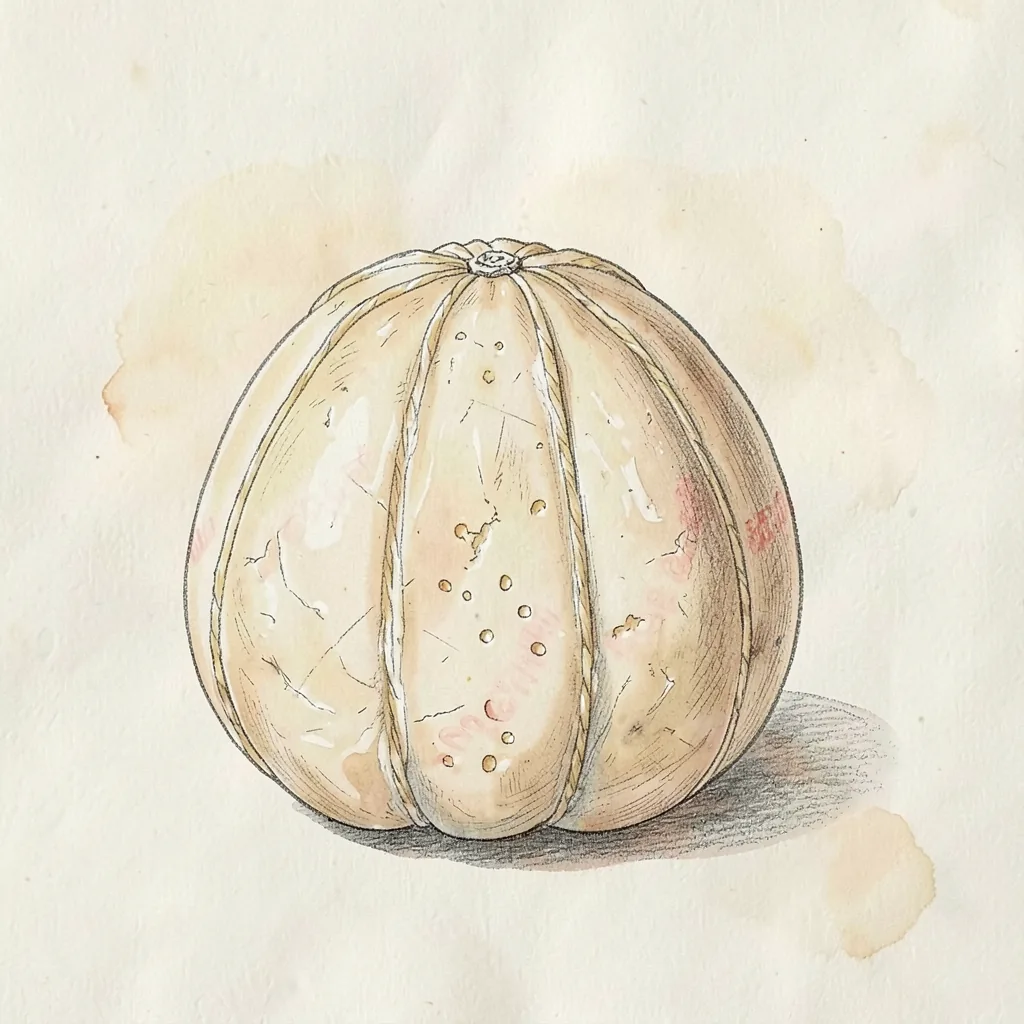
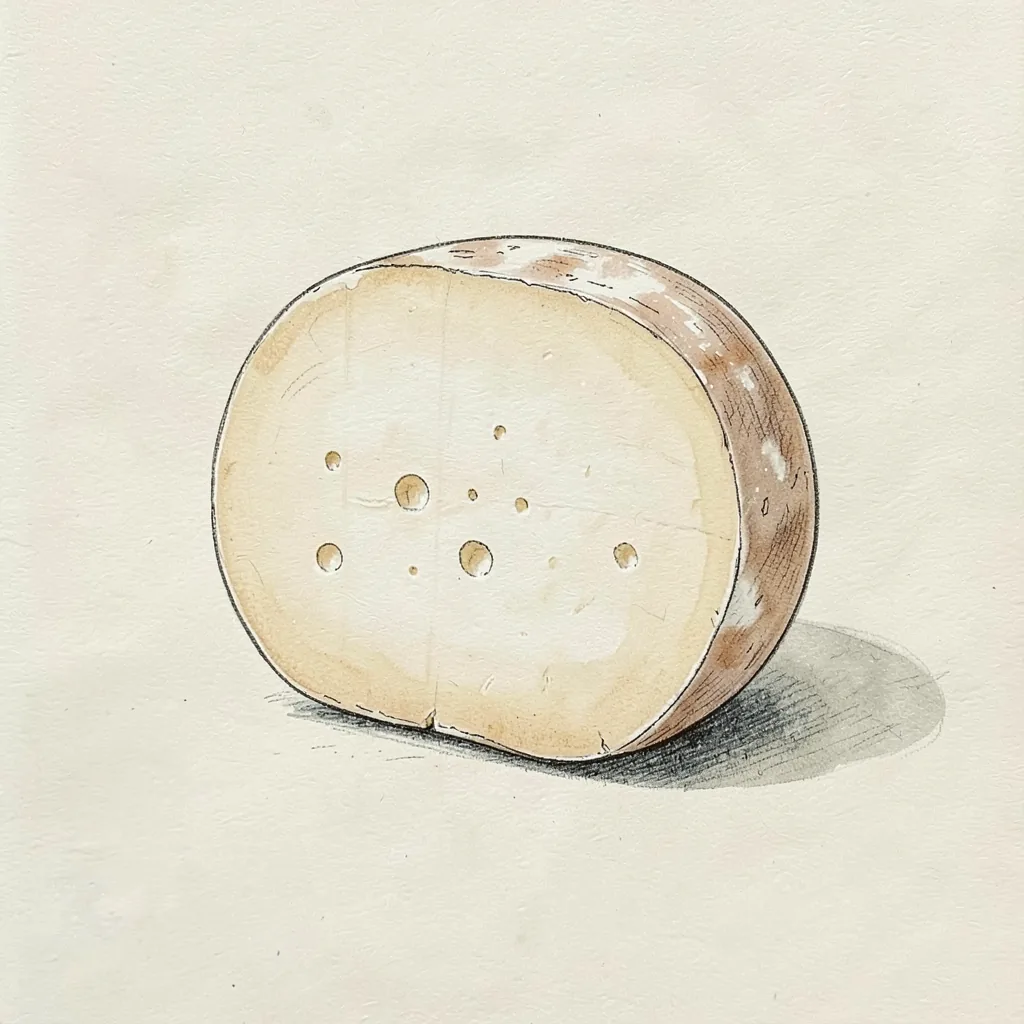
The usual shape is a pear or a small gourd, with a narrow neck where a cord is tied. Makers hang the cheeses in pairs over a beam, and that pose explains the name. A thin natural rind covers a firm pale paste that slices cleanly. Young cheese is mild and supple, and older cheese turns drier, saltier, and fit for grating.
The cheese belongs to the same broad family as provolone and scamorza, but the hanging shape sets it apart on a counter. Italy produces it in more than one style, without one town standing as the only home. Some pieces are smoked, which darkens the surface and adds a light smoke taste. Others stay pale and milky. Both are caciocavallo when the curd was stretched and the form has the familiar tied neck.
History
Stretched-curd cheeses have a long place in Italian cooking, and caciocavallo is one of the hanging forms. Dairies warmed the curd, worked it until it stretched, and tied the pieces so they could dry in the air. Hanging them in pairs made the shape easy to see and easy to store. The name records that horseback pose rather than a place on a map. Shops across Italy still sell the cheese, and local habits differ from one area to another.
Aging became the main way to split one cheese into several uses. Households kept younger pieces for the table and let others dry until they could be grated. Smoke was added by some makers as an extra note, not as a different cheese. Trade carried the hanging form into Italian shops far from the dairies that shaped it. The cord at the neck remained the visual mark buyers recognized.
How it is made
Cow's milk is set, and the curd is cut and firmed before the stretching step. Makers warm the curd in hot water and work it until the mass is smooth and elastic. They shape each piece into a pear with a small head, tie a cord around the neck, and hang pairs over a pole. Salting is done in brine or by another dry-salt method, and then the cheeses dry. A thin rind forms on the surface as moisture leaves.
Aging is what separates the mild table cheese from the grating cheese. A young piece stays moist and mild and is ready to slice or melt. With more time the cheese loses moisture, firms, and gains a sharper salty taste. Smoke, when a maker uses it, comes after shaping and does not change the stretched curd itself. The cord mark at the neck is a normal trace of hanging, not a flaw.
Taste
Young caciocavallo tastes milky, mild, and slightly salty, with the clean bite of stretched curd. The paste is smooth and a little elastic, and it does not crumble like a long-aged hard cheese. Aged pieces taste deeper, nuttier, and more savory, sometimes with a light sharp edge. Smoked pieces add a dry woody note that sits mostly near the surface. The rind is thin, and many people eat it, though it is firmer than the paste.
A sound piece does not taste bitter, soapy, or sharply acidic. Salt should be clear without turning harsh on the finish. Very fresh cheese is quiet in flavor, and the paste may squeak slightly against the tooth. Well-aged cheese can show small savory crystals, and the paste grates into dry flakes. Those stages share a name and still behave as different tools in the kitchen.
In the kitchen
Slice a young or medium cheese for a board with bread, olives, and fruit. Cube it into salads when you want a mild salty piece that holds its shape. Melt it on baked dishes, sandwiches, and grilled bread, where a little stretch is welcome. An aged piece is better grated over pasta, eggs, or cooked vegetables. Match the age to the job instead of asking one piece to do every task.
A smoked cheese helps when the dish already has a smoky note, as with grilled vegetables or roasted meat. It can overwhelm a delicate sauce, so taste a sliver before you add much. On a grill, thick slices soften and brown, and they do not collapse at once. Keep the heat moderate so the outside does not scorch before the center warms. Use leftover aged cheese for grating, and melt leftover young cheese sooner rather than later.
Around the world
Caciocavallo is an Italian cheese that travelers find in Italian shops and in many deli cases abroad. Outside Italy, provolone is easier to find and often does the same work in a pan or on a board. Scamorza is another stretched-curd neighbor, usually smaller and sometimes smoked. Kashkaval, made in several Balkan countries, is a related cheese with its own local names. Those cousins help when the pear-shaped Italian cheese is not on the shelf.
Cooks should read the label for age before they choose a piece. A mild melting cheese and a firm grating cheese share the name and still act differently in a pan. Stretched-curd cheeses made in other countries can look similar and taste milder or saltier. Use caciocavallo when you want this Italian member of the family. Use provolone when the shop has that instead, and let the hanging shape be a clue rather than the whole decision.