Casciotta d'Urbino vs Pecorino Toscano
Casciotta d'Urbino is made from mixed milk. Pecorino Toscano is made from sheep's milk.
Pecorino Toscano is also used for grating and melting.
Pecorino Toscano can stand in for Casciotta d'Urbino. Pecorino Toscano is a young sheep's milk cheese with a gentle taste, so it can stand in on bread or in a simple cooked dish.
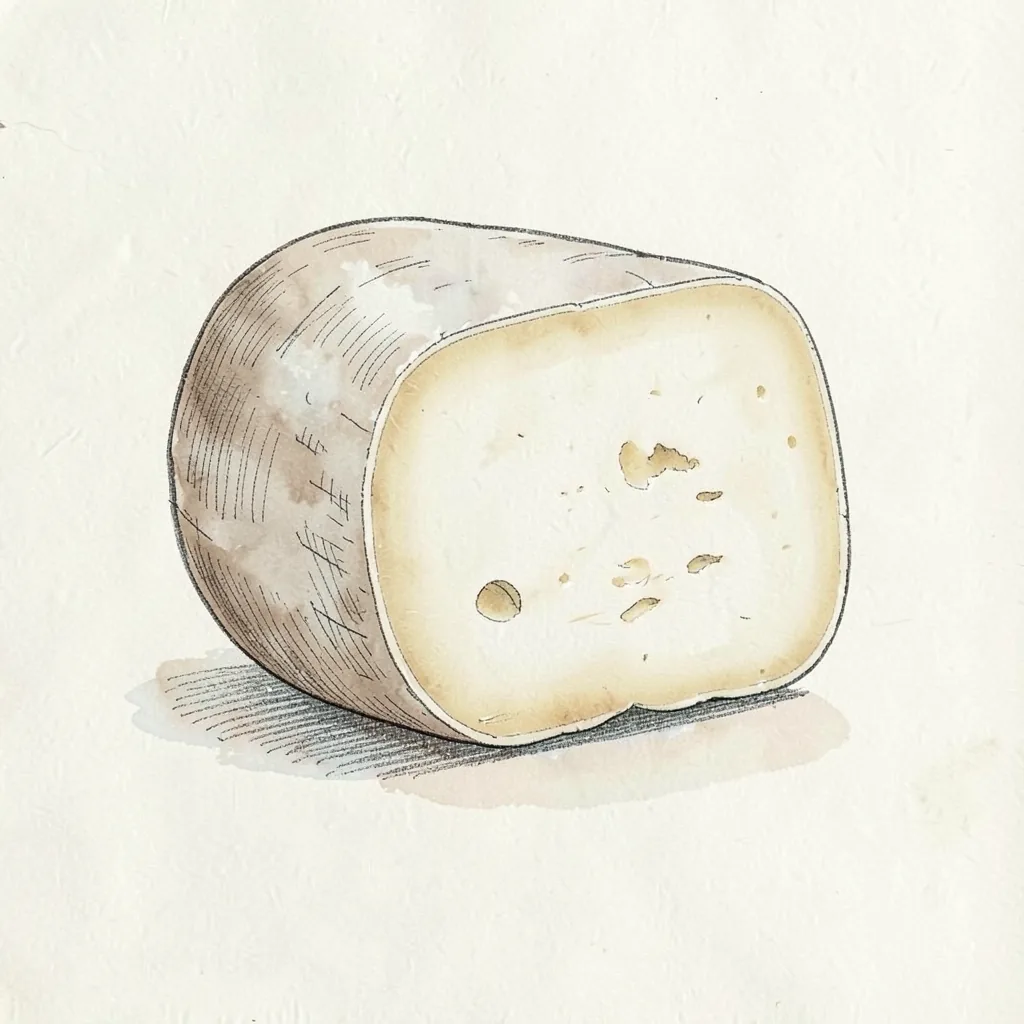
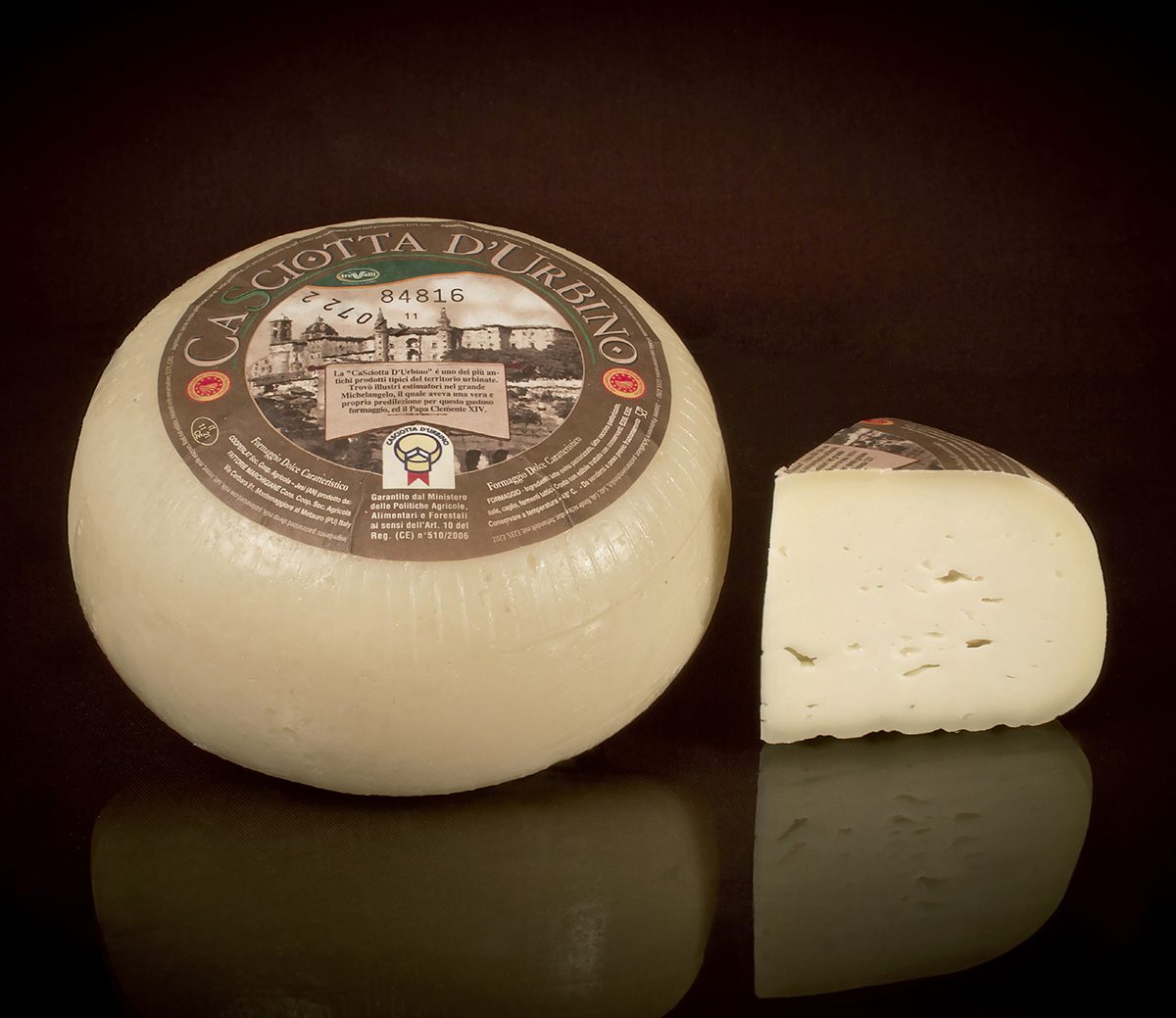
Casciotta d'Urbino
Facts
- Milk
- Mixed milk
- Texture
- Semi-soft
- Type
- Pressed
- Rind
- Natural rind
- Country
- Italy
- Place
- Marche
- Status
- PDO
Casciotta d'Urbino is a young semi-soft cheese from Italy, and the name is protected. Makers blend whole sheep's milk with a smaller share of cow's milk, so the milk is mixed rather than from one animal alone. The wheels are low and round, with a thin straw-colored rind and a soft, crumbly paste. The taste is sweet, milky, and lightly tangy, with a nutty hint. It is a table cheese, not a hard grating cheese.
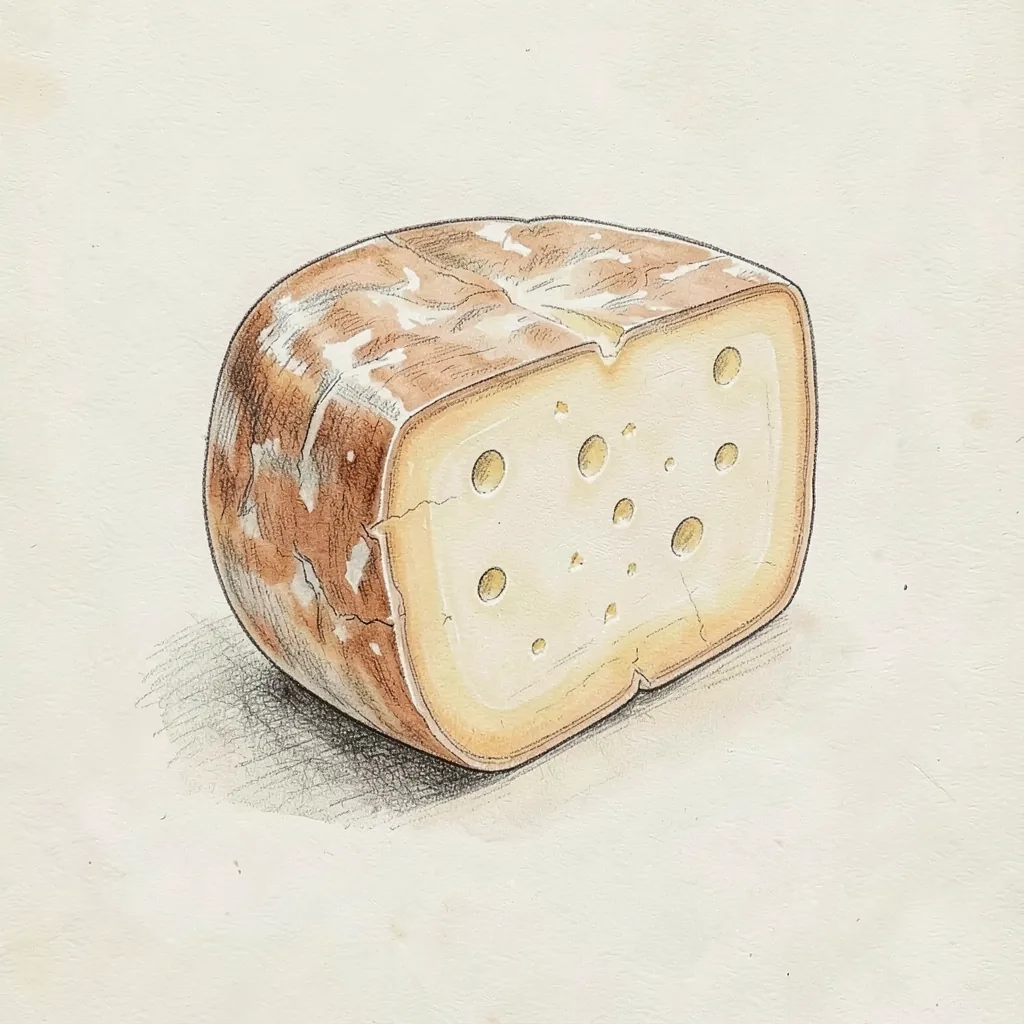
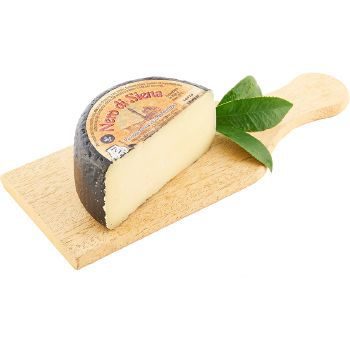
Pecorino Toscano
Facts
- Milk
- Sheep
- Texture
- Semi-hard
- Type
- Pressed
- Rind
- Natural rind
- Country
- Italy
- Place
- Tuscany
- Status
- PDO
Pecorino Toscano is a sheep's milk cheese from Tuscany, and the name is protected. Pecorino means a cheese made from sheep's milk, and Toscano places the style in Tuscany, with some making in nearby parts of central Italy. The wheels can be sold young and tender or older and firm. A young cheese is mild and good in slices on a board. An older cheese is drier and saltier, and it is the one to choose when you need to grate.