Mixed milk
What it is
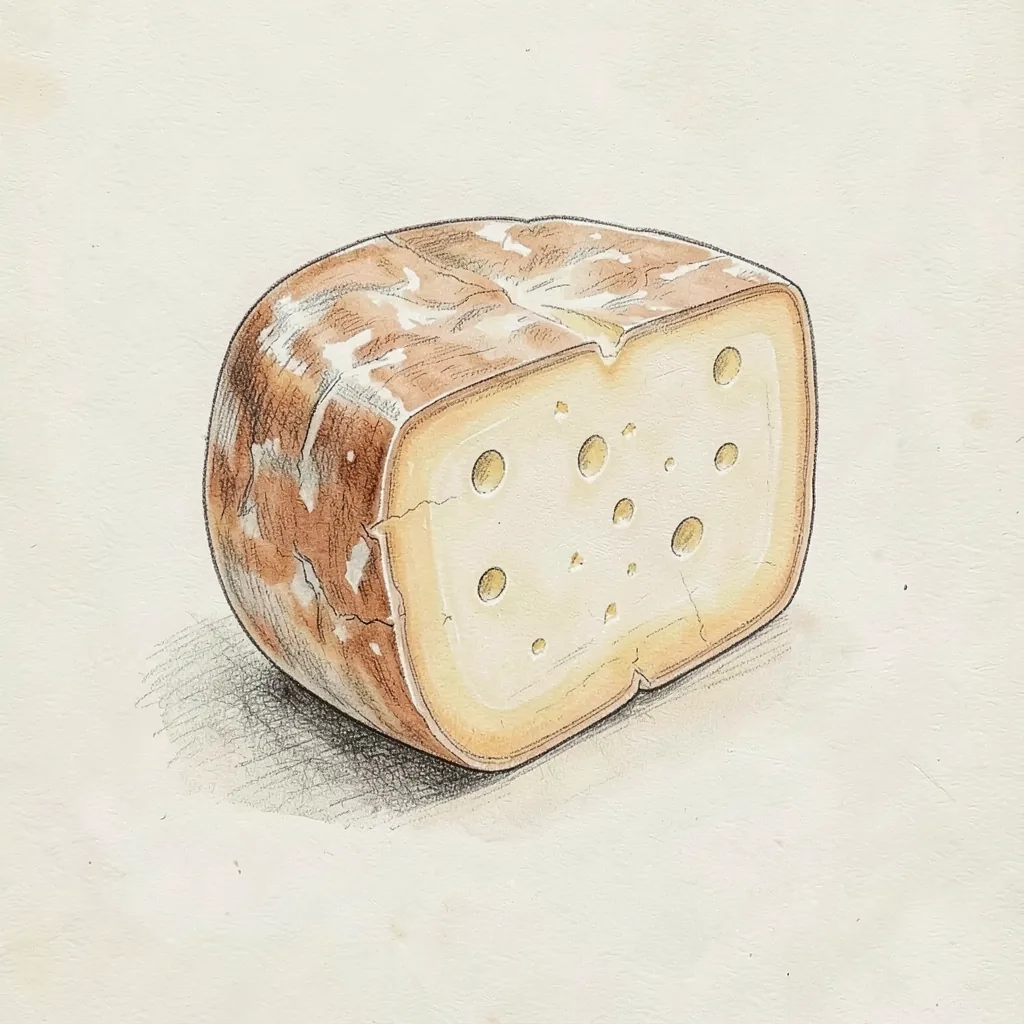
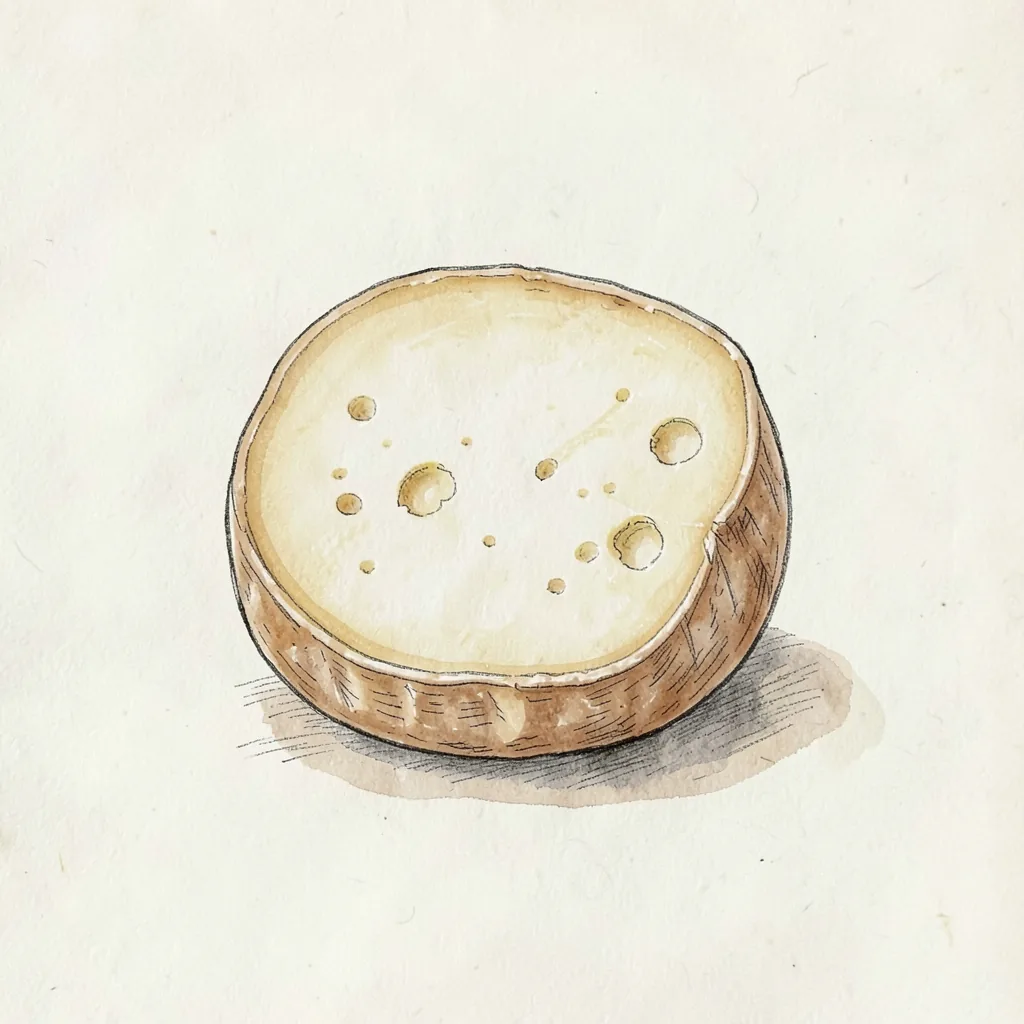
Makers blend whole sheep's milk with a smaller share of cow's milk, so the milk is mixed rather than from one animal alone. The wheels are low and round, with a thin straw-colored rind and a soft, crumbly paste. The taste is sweet, milky, and lightly tangy, with a nutty hint. It is a table cheese, not a hard grating cheese.
The word casciotta can mean many small, young Italian cheeses, and most of them are not this one. Protection of the name points to a set milk blend and to cheese made for this name, not to every mild wheel in a shop. The paste is off-white to pale straw, moist, and open with a few small eyes. A piece smells of fresh milk and grass more than of a long-aged cellar. Eat it while it is still young, because it is not built for a long rest.
History
Casciotta comes from cascio, a local way of saying cheese, and the full name ties that word to Urbino. The cheese has a long place in the food of that part of Italy, where sheep and cows both give milk. Protection of the name now keeps the blend and the method from sliding into a generic caciotta. A round labeled only caciotta may be pleasant and still be a different cheese. Look for the full name Casciotta d'Urbino on the label.
A cheese under this name was known well before modern protection, but the details that matter in a shop are simple. The cheese is young, mixed milk, and semi-soft. It was never meant to imitate a dry, salty pecorino. Dairies that use the name still make it for the table, with a thin rind and a sweet paste. Buyers expect that mild character when the name is the real one, and not a sharp aged bite.
How it is made
Whole sheep's milk is mixed with a smaller amount of whole cow's milk. The milk is warmed and set with animal rennet until the curd is ready to cut. Makers break that curd into pieces about the size of a hazelnut, then put it in molds and press it so whey can leave. The forms are low cylinders with rounded faces. Salt is added, and the wheels are left to mature for only a short time.
Ripening is quick, and the cheese is not given an extra long age after that. The rind stays thin, about as fine as a skin, and turns straw yellow. Some wheels receive a clear coating so mold does not grow on the surface, but the cheese is not a thick waxed block. The paste remains moist, soft, and a little crumbly, with light eyes. A finished wheel should taste sweet and smell of the milk that made it.
Taste
The flavor is sweet and full, with fresh milk, a light tang, and a gentle nuttiness. Sheep's milk gives aroma, and the cow's milk keeps the paste soft and mild. There is no sharp salt attack and no blue bite. Herbs from the animals' feed can show as a faint green note in the background. The smell is pleasant and milky, with more fragrance than heat.
A cool slice feels moist and breaks into soft crumbs rather than into hard shards. Warmth brings out the sweetness and the milk aroma. The thin rind tastes a little more concentrated than the center, and many people eat it with the paste. If the paste dries or turns bitter, the cheese is no longer at its best. The right piece is delicate, not aggressive, and that balance suits a simple board.
In the kitchen
Set Casciotta d'Urbino on bread, or tuck it into a flatbread with greens and sliced cured meat. It can go into pasta or onto vegetables when you want a mild, milky richness. It softens with heat but does not stretch like mozzarella. Crumble it rather than grate it into dry flakes. Add salt to the dish only after you taste the cheese, because the wheel already carries some.
Serve it less cold than refrigerator temperature so the aroma can open. A light wine fits better than a heavy red that would cover the milk and the nut note. Do not confuse it with a salty aged pecorino in a recipe, or the dish will turn sharper than you meant. Leftovers should be wrapped so the moist paste does not dry at the cut face. Use it within a short time, since it is a young cheese.
Around the world
Outside Italy, Casciotta d'Urbino appears in shops that stock named Italian cheeses, but it is easier to miss than Parmesan or mozzarella. The similar word caciotta causes most of the mix-ups. A generic caciotta can be cow's milk, sheep's milk, or a blend, and it may come from another part of Italy. Only the full name, which is protected, matches this cheese. If the label does not say Casciotta d'Urbino, treat the wheel as a different cheese.
Pecorino Toscano can stand in when you need a young sheep's milk cheese with a gentle taste. It will not copy the mix of sheep and cow. A plain caciotta is the other practical swap for a mild, short-aged slice on bread. Hard pecorino is a poor swap, because it is salty and dry and will change the dish. Tell a shop the full name if you want the mixed-milk character and the soft crumb.