Sheep
What it is
Pecorino means a cheese made from sheep's milk, and Toscano places the style in Tuscany, with some making in nearby parts of central Italy. The wheels can be sold young and tender or older and firm. A young cheese is mild and good in slices on a board. An older cheese is drier and saltier, and it is the one to choose when you need to grate.
The paste is pale, the rind is natural, and the flavor stays gentler than the very salty pecorino made mainly for grating. You can slice the younger wheels and grate the older ones over warm food. It is a normal shop cheese in Italy and a regular presence in cheese cases abroad. The full name is what separates it from a generic sheep cheese with a Tuscan picture on the label. Read whether the wheel is fresh or aged before you decide how to cook with it.
History
Sheep's milk cheese has a long place in Tuscan food, and this pecorino is the modern name for that regional style. Older local words for young sheep cheeses from the area include marzolino, tied to the spring make. Those words show that the habit is old, and they are not extra brands you must hunt down. The cheese sold today under the protected name is made across Tuscany and in some neighboring districts. The center of the story remains Tuscany, even where making spills into nearby districts.
Protection of the name fixed which milk and which place could use the words Pecorino Toscano on a label. Sheep's milk is required, and the cheese may be young or matured, which is why two textures share one name. Many dairies make it, rather than one family firm with a single recipe. That spread is why you can find the cheese outside Italy without a special trip. A wheel marked only pecorino, with no Toscano, may be a different sheep's milk cheese, so the second word matters.
How it is made
Makers warm sheep's milk, set it with rennet, cut the curd, and place it into molds to drain. The young cheeses are salted, in brine or with dry salt, and left until a rind begins to form. Wheels sold fresh leave the aging room while the paste is still supple and moist. Wheels meant for aging stay longer, lose moisture, and become firm enough to grate. The path is a pressed sheep's milk cheese, not a stretched curd and not a blue.
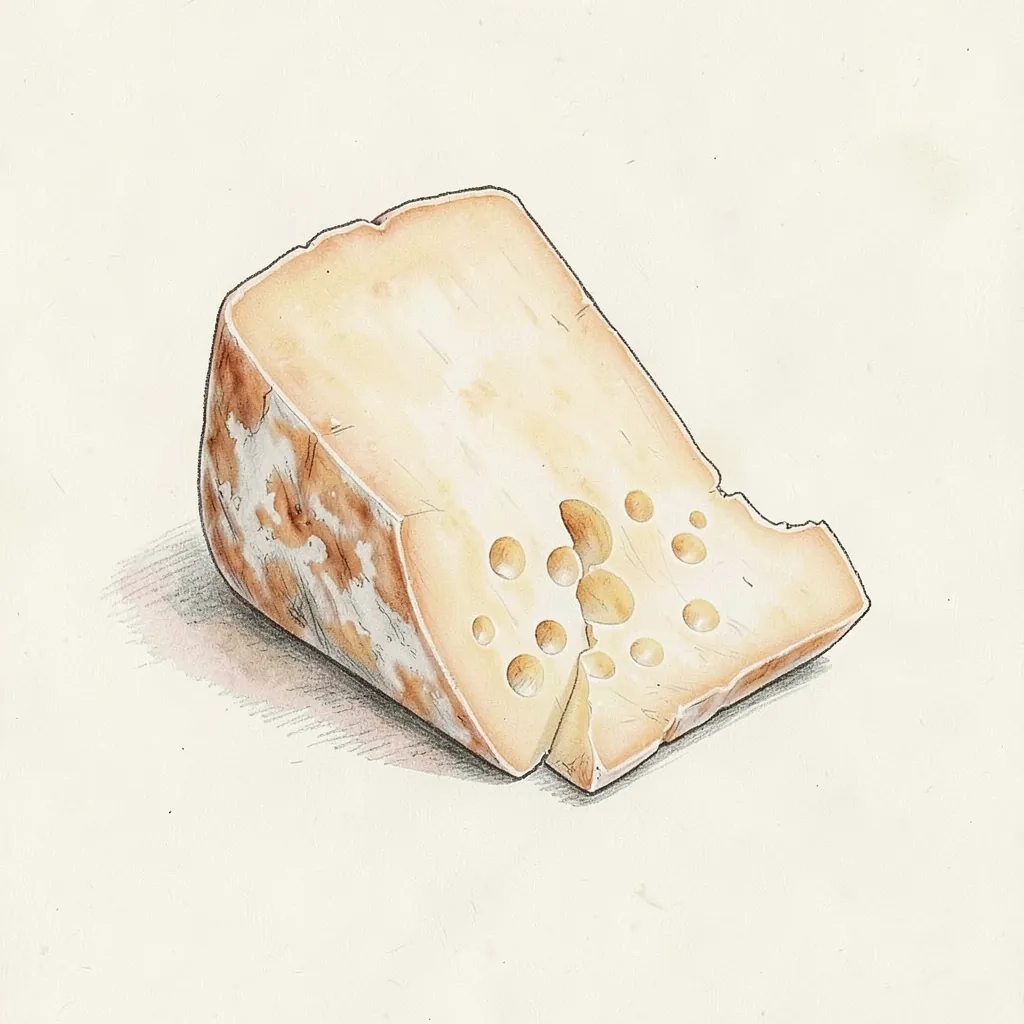
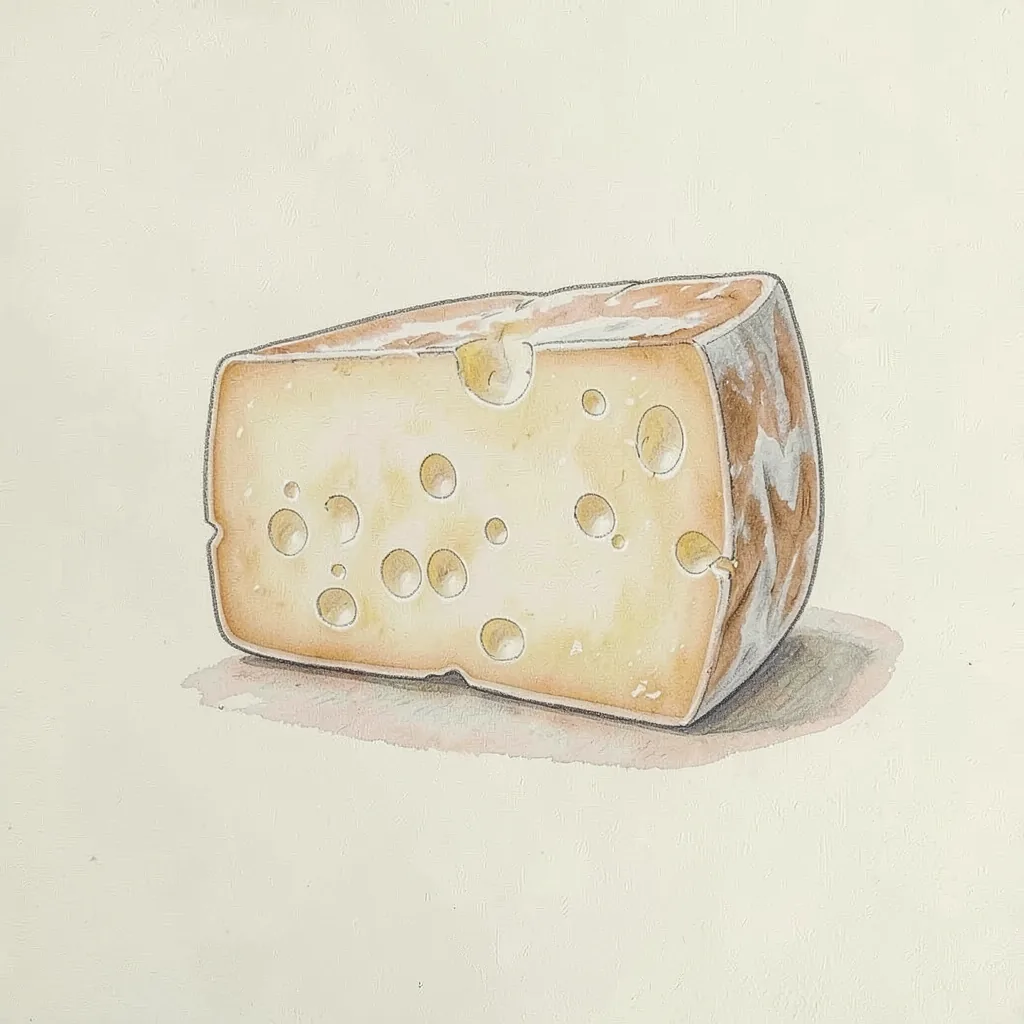
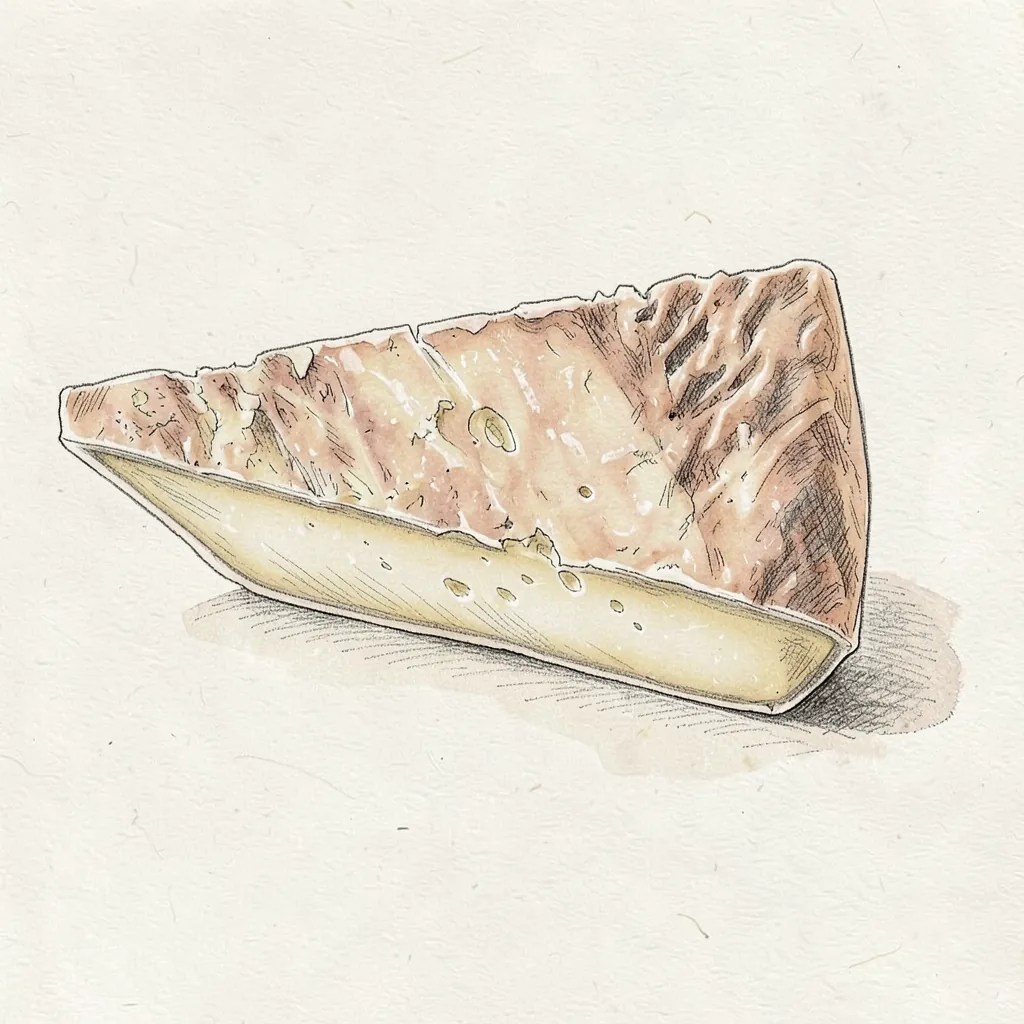
The rind stays natural, and it may turn from pale to a deeper straw color as the wheel ages. Some makers rub or oil the surface during aging, which darkens the outside without adding a wax coat. The interior should look even, with a few small openings or almost none, depending on the batch. A fresh wheel feels yielding when you press it. An aged wheel feels harder and drier at the cut face, and both can be proper Pecorino Toscano when the name is real.
Taste
Young Pecorino Toscano tastes mild, milky, and lightly sweet, with a soft sheep's milk tang and a gentle salt. The paste is moist and smooth, and it yields to a knife instead of cracking. You can eat a thick slice plain with bread. The aroma is clean and a bit grassy, not sharp or stale. If a young wheel smells harsh, it has been kept too long or stored badly, and freshness is part of the pleasure at this age.
Aged Pecorino Toscano is firmer, nuttier, and more savory, and the sheep's milk character becomes clearer. It does not turn as fierce as Pecorino Romano, so slices can still be pleasant if you cut them thin. Salt is higher, and the finish is warm rather than burning on the tongue. A very dry piece grates into fluffy, salty flakes for pasta and soup. Do not expect blue veins or a washed rind funk, because this is a clean pressed sheep's milk cheese.
In the kitchen
Put young Pecorino Toscano on a board with bread, pear, or honey, or shave it onto salads and warm beans. It softens on toast and in a simple bake, so a light melt is a fair use. Cubes can go into a pan with greens near the end of cooking. It will not brown and stretch in long pulls the way a pasta-filata cheese does. Use the young wheel when the meal should stay mild, and hold the salt until you have tasted a bite.
Grate the aged wheel over pasta and vegetables when you want sheep's milk salt. It still slices for a board if you cut thin shards rather than thick chunks. Pecorino Romano is saltier and sharper, so use less of it when you swap it in for the Tuscan cheese. Pecorino Sardo can stand in as another sheep's milk wheel, with a shape and bite of its own. Match the age to the job, because a young wheel grates poorly and an old one can swamp a salad.
Around the world
Pecorino Toscano travels well, and many shops keep a young wheel, an aged wheel, or both. The protected name on the label is the check that matters when you are paying for the real cheese. A wedge marked only as Italian pecorino might be good and still be a different cheese. Tuscan cooking uses this one as a normal ingredient, not as a rare trophy. Keep a clean rind on the slice, or trim it if the outside tastes too earthy for the dish.
Among the pecorino family, this is the milder Tuscan cheese rather than the sharpest grater in the case. Pecorino Romano is the salty cheese many kitchens already know for pasta. Pecorino Sardo and Pecorino Siciliano come from other islands and taste of their own places. If a Tuscan recipe says pecorino, this is the cheese to choose before the saltier cousins. If the dish only wants a sharp salty grate, Romano is the usual tool, and you should still say the full Tuscan name when you shop.