Kasseri vs Kefalotyri
Kasseri is a stretched-curd cheese. Kefalotyri is a pressed cheese.
Kasseri is also used for melting and grilling.
Kefalotyri can stand in for Kasseri. Kefalotyri is a harder Greek cheese from sheep and goat milk, and it can replace kasseri when the dish needs a salty grate.
Kasseri
Facts
- Milk
- Mixed milk
- Texture
- Semi-hard
- Type
- Stretched curd
- Rind
- Natural rind
- Country
- Greece
- Place
- Macedonia, Thrace, Thessaly, Lesbos
- Status
- PDO
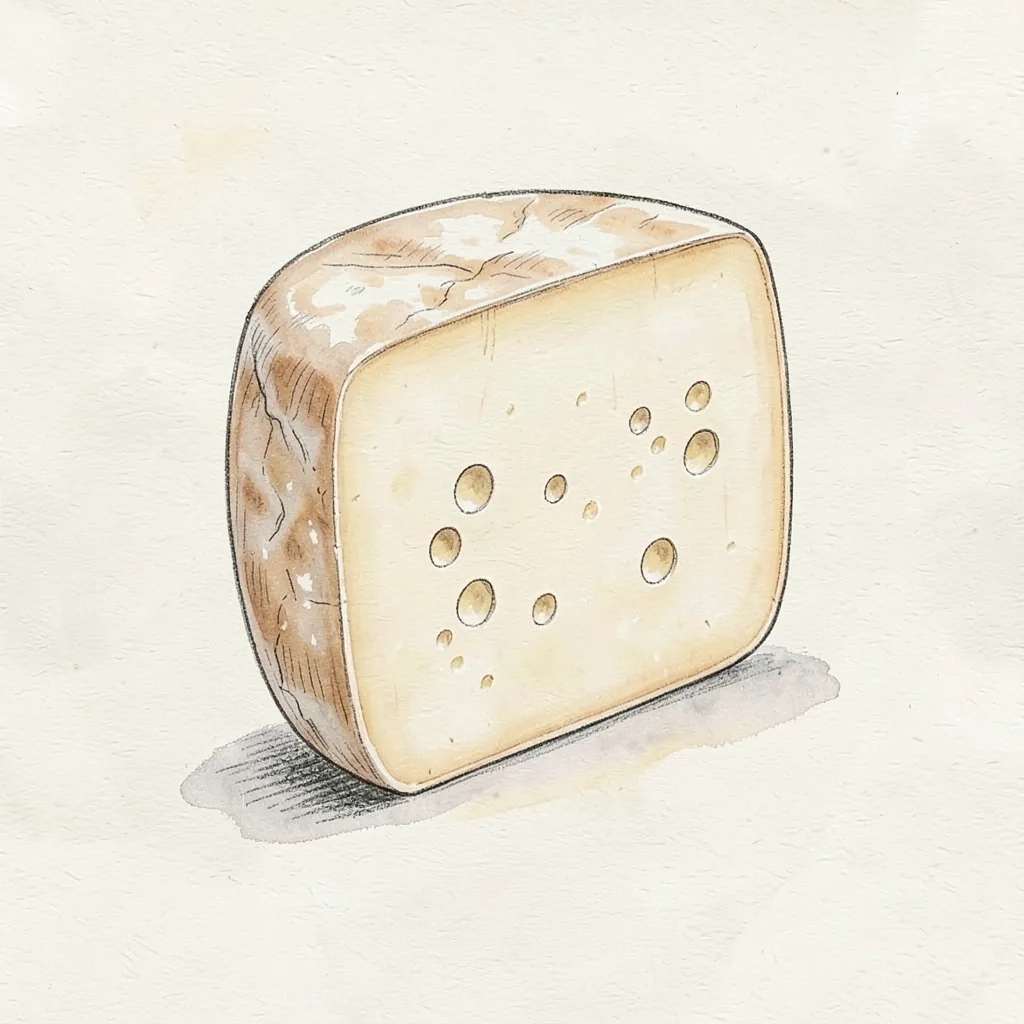
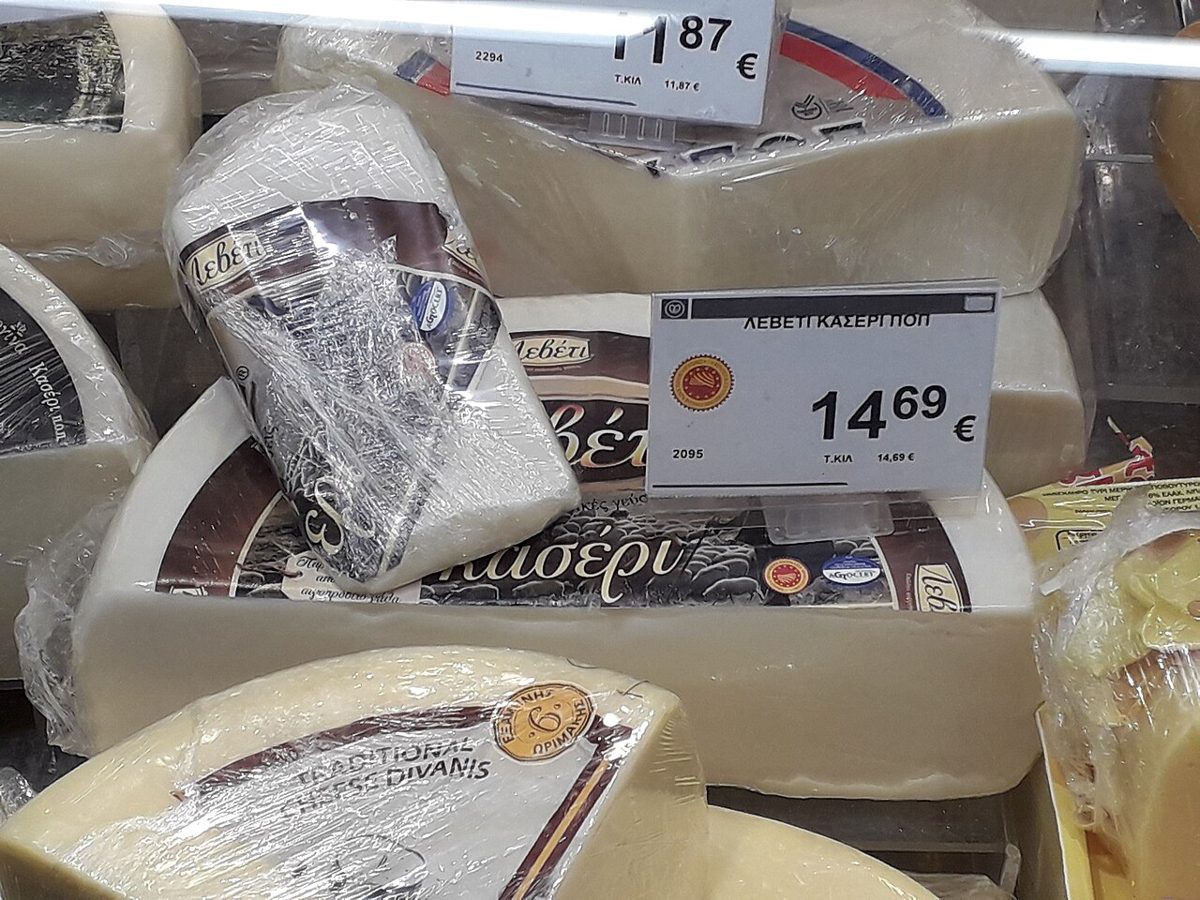
Kasseri is a semi-hard cheese from Greece, and the name is protected. It is made from sheep's milk, sometimes with a smaller share of goat's milk, in Macedonia, Thrace, Thessaly, and Lesbos. The paste is pale yellow, smooth, and springy, and it belongs to the stretched-curd family. A thin rind may form on the wheel. The taste is mild, buttery, and a little salty, and the cheese melts and fries well.
Kefalotyri
Facts
- Milk
- Mixed milk
- Texture
- Hard
- Type
- Pressed
- Rind
- Natural rind
- Country
- Cyprus
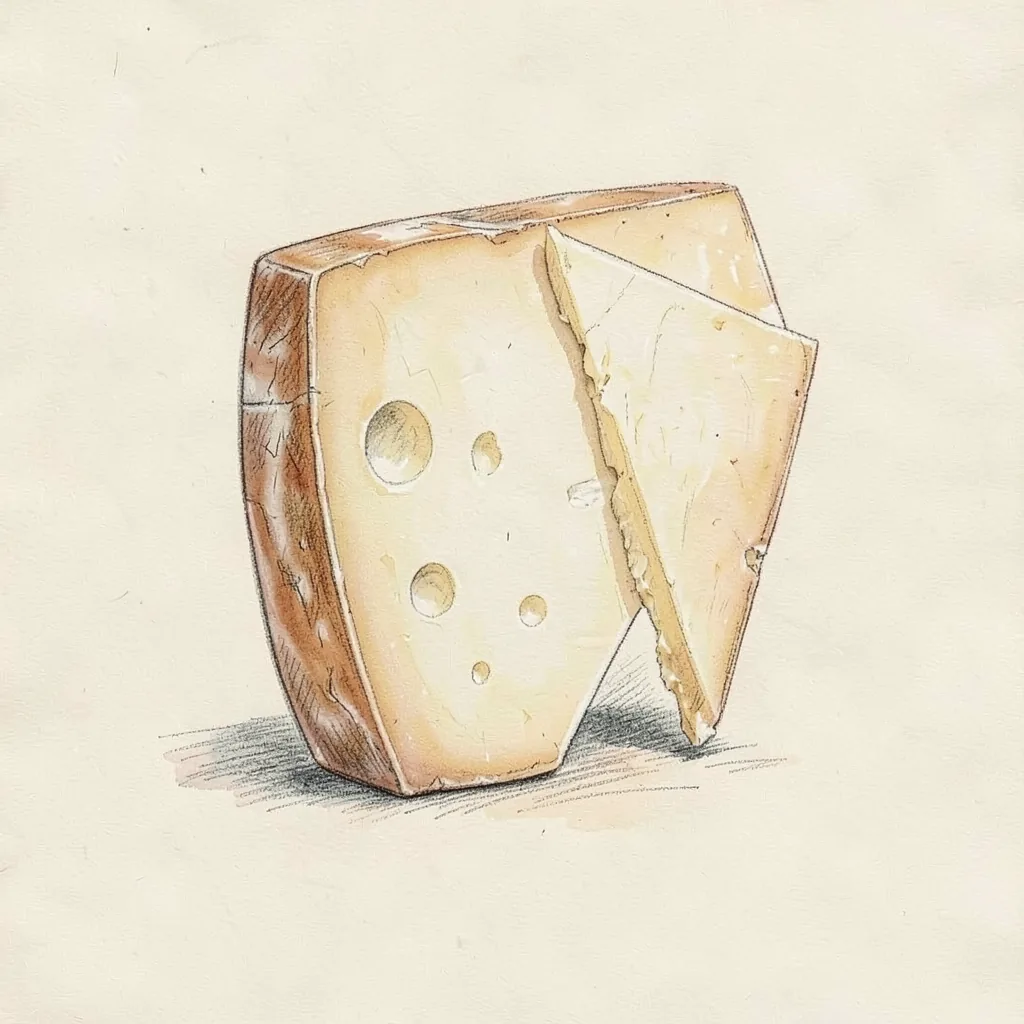
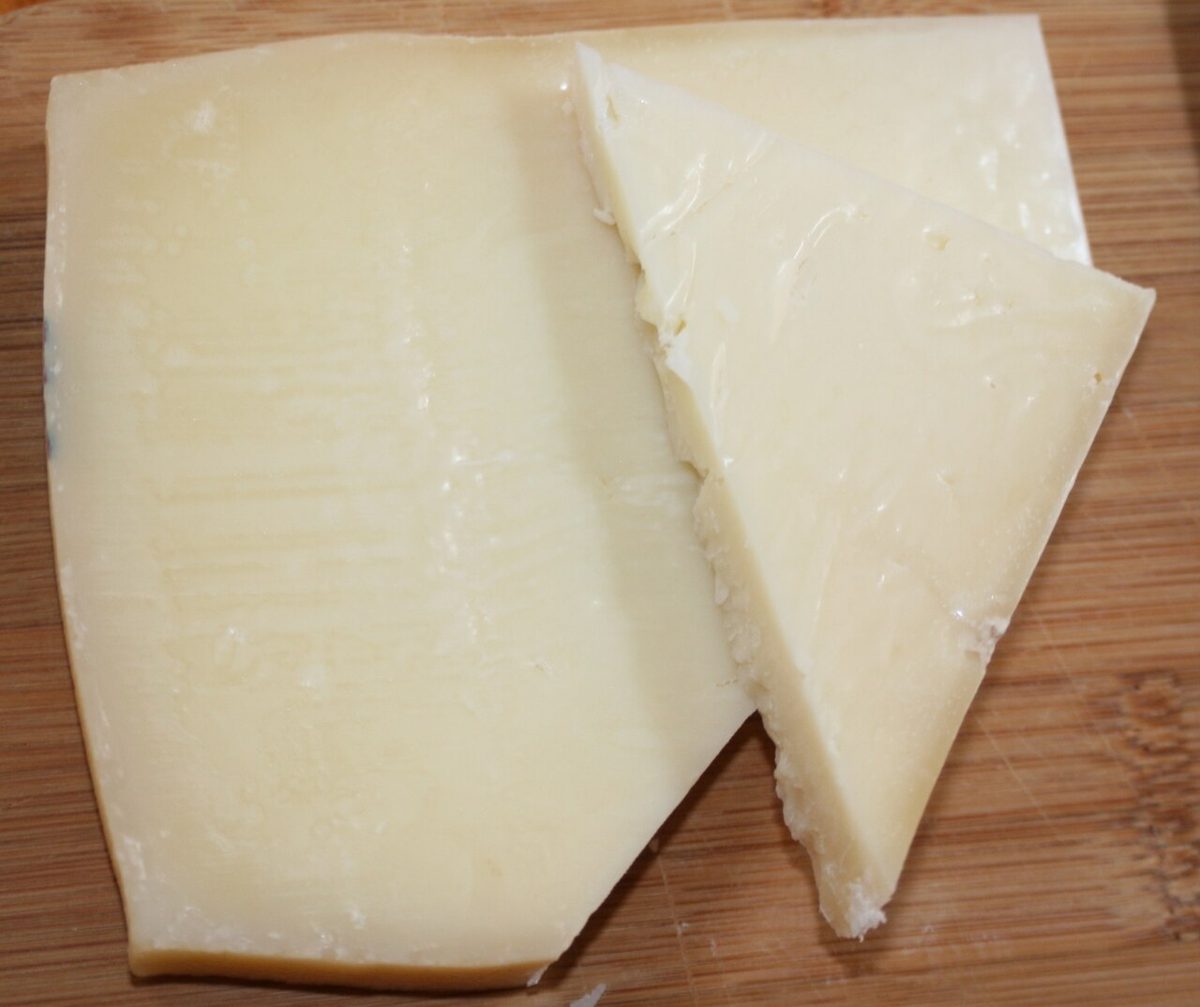
Kefalotyri is a hard, salty cheese of Cyprus and Greece, made from sheep's milk, goat's milk, or a mix of the two. The wheel is pale, from white to light yellow, and the color shifts with the milk. The paste is firm and flaky, with a few small eyes, and it grates cleanly once aged. A younger wheel is still hard, but it is a little moister and less fierce. The name joins the word for head with the word for cheese, a nod to the round form.