Mixed milk
What it is
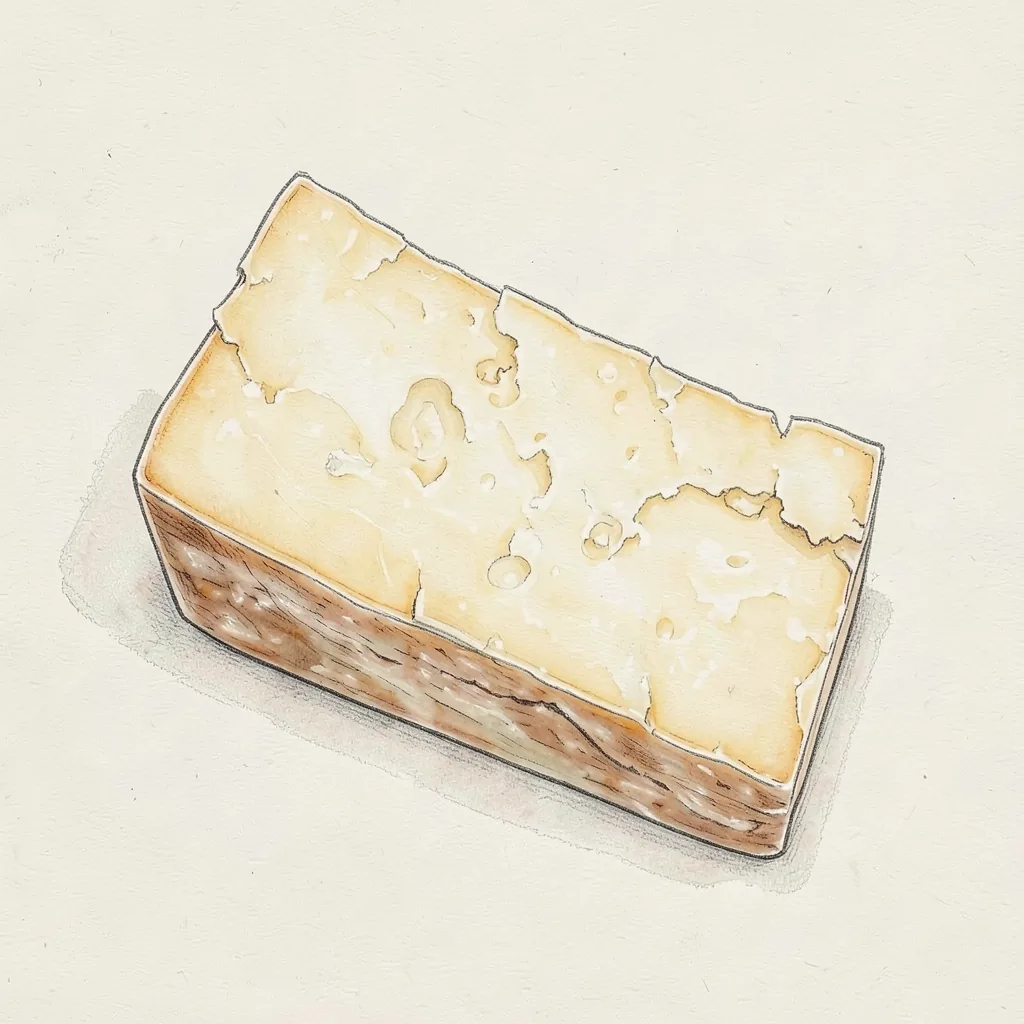
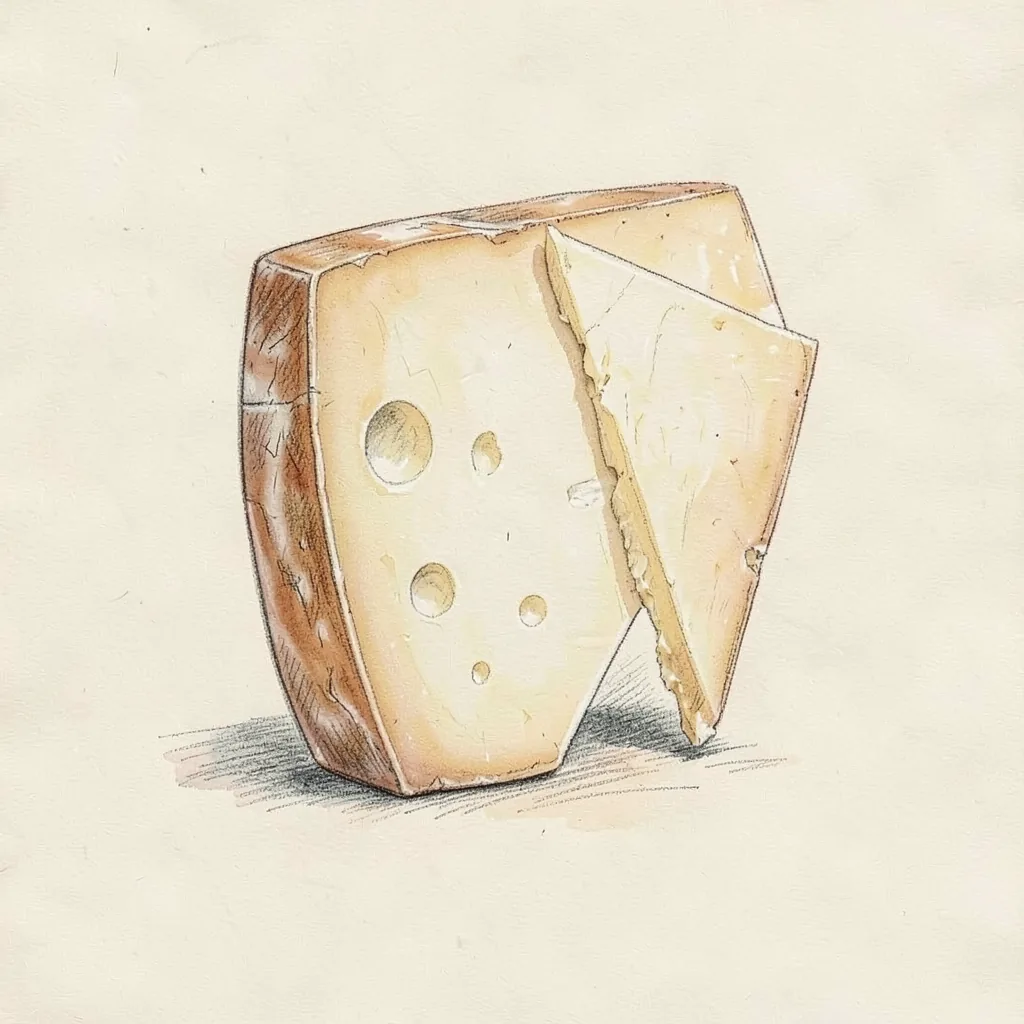
It is made from sheep's milk, sometimes with a smaller share of goat's milk, in Macedonia, Thrace, Thessaly, and Lesbos. The paste is pale yellow, smooth, and springy, and it belongs to the stretched-curd family. A thin rind may form on the wheel. The taste is mild, buttery, and a little salty, and the cheese melts and fries well.
Wheels and wedges are sold in Greek shops and in many international markets. Kaseri is a common second spelling, and the cheese is not a crumbly brine cheese like feta. It slices, and it also softens into strings when it is heated. Cow's milk cheeses of a similar make are sold under other names. If the label says kasseri and names Greece, the piece is the sheep and goat milk cheese.
History
Kasseri grew in the sheep-cheese tradition of northern and island Greece, and the protected name now ties it to Macedonia, Thrace, Thessaly, and Lesbos. It sits in the same broad family as kashkaval, the stretched-curd cheese of the Balkans. Greek makers kept the sheep's milk base, with goat's milk as a lesser part. The cheese became a standard table and cooking cheese, not a farm oddity. Feta is better known abroad, and kasseri is the melting cheese beside it.
The name is related to words used for similar cheeses in neighboring countries, and shoppers still confuse those cheeses. Kashkaval can look and melt like kasseri, and it is not the Greek protected cheese. Provolone and caciocavallo are stretched-curd relatives from Italy, made in a different milk tradition. Kasseri stayed a Greek sheep and goat milk cheese with a defined home region. The protected name is what separates it from lookalikes on an export shelf.
How it is made
Makers warm sheep's milk, or sheep's milk with some goat's milk, and set it with rennet. The curd is cut and allowed to firm, then heated and kneaded so it stretches into a smooth mass. That pasta filata step gives the stringy, elastic body. The mass is pressed into molds and salted. Wheels are then ripened until the paste is semi-hard and the flavor has settled.
Ripening dries the paste a little and forms a rind that can be thin and firm. The cheese is not brined in the way feta is, and it is not left as a fresh stretched cheese like mozzarella. Milk for the protected cheese is sheep's milk, with goat's milk only as a smaller part. A wheel made only from cow's milk is a different product and should carry another name. Salt, time, and the stretch are the three steps that define the texture.
Taste
Kasseri tastes mild, salty, and buttery, with a sheep's milk sweetness under the salt. The first bite can seem savory, and a gentle sweet finish often follows. The paste is chewy rather than crumbly, and it is pale yellow with few or no eyes. Aroma is stronger than a bland block cheese and quieter than a long-aged grating cheese. The rind is firmer and can be trimmed if it tastes dull.
Goat's milk, when it is present, adds a light tang and does not turn the cheese sharp. An older piece is a bit drier and fuller, and it still should not burn the tongue. Fried kasseri, the saganaki style, tastes toasted and salty, with a soft center. Cold slices taste quieter and more milky. If a wedge is bitter or excessively sour, it is not in good condition.
In the kitchen
Kasseri is the usual cheese for saganaki, fried until the outside is brown and the center is soft. It also fills pies, including kasseropita, and it melts on bread, eggs, and vegetable bakes. Slices are eaten plain with bread, olives, and tomato. Because it strings when hot, it suits a sandwich that needs a pull rather than a crumble. Grate a drier piece over pasta or a gratin if you want a salty sheep's milk finish.
Do not swap it blindly for feta. Feta crumbles and tastes sharper in brine, and kasseri holds a slice and fries. Kashkaval is the nearer substitute for melting and frying. Kefalotyri is harder and saltier, and it is better as a grate than as a fried slab. Graviera can cover a bake when you want a nuttier Greek cheese, and for saganaki a close kashkaval is the sensible second choice.
Around the world
Kasseri travels well and is a regular import in cities with Greek communities. Supermarkets sometimes stock it next to feta, and the two should not be treated as one cheese. The protected name helps when a label is crowded with similar Balkan names. Kashkaval from another country may be excellent, and it is still a different cheese. Read the country and the milk if the dish depends on the Greek version.
In kitchens outside Greece, kasseri is fried, melted on sandwiches, and used in pies. Provolone can imitate the stretch in a cooked dish, and the sheep's milk taste will be missing if the provolone is a cow's milk cheese. Graviera or kefalotyri can replace it when a recipe only needs a salty Greek grate. Those swaps change the result, and they are fine if the label is honest. For the name kasseri itself, look for the Greek cheese from the listed regions.