Mixed milk
What it is
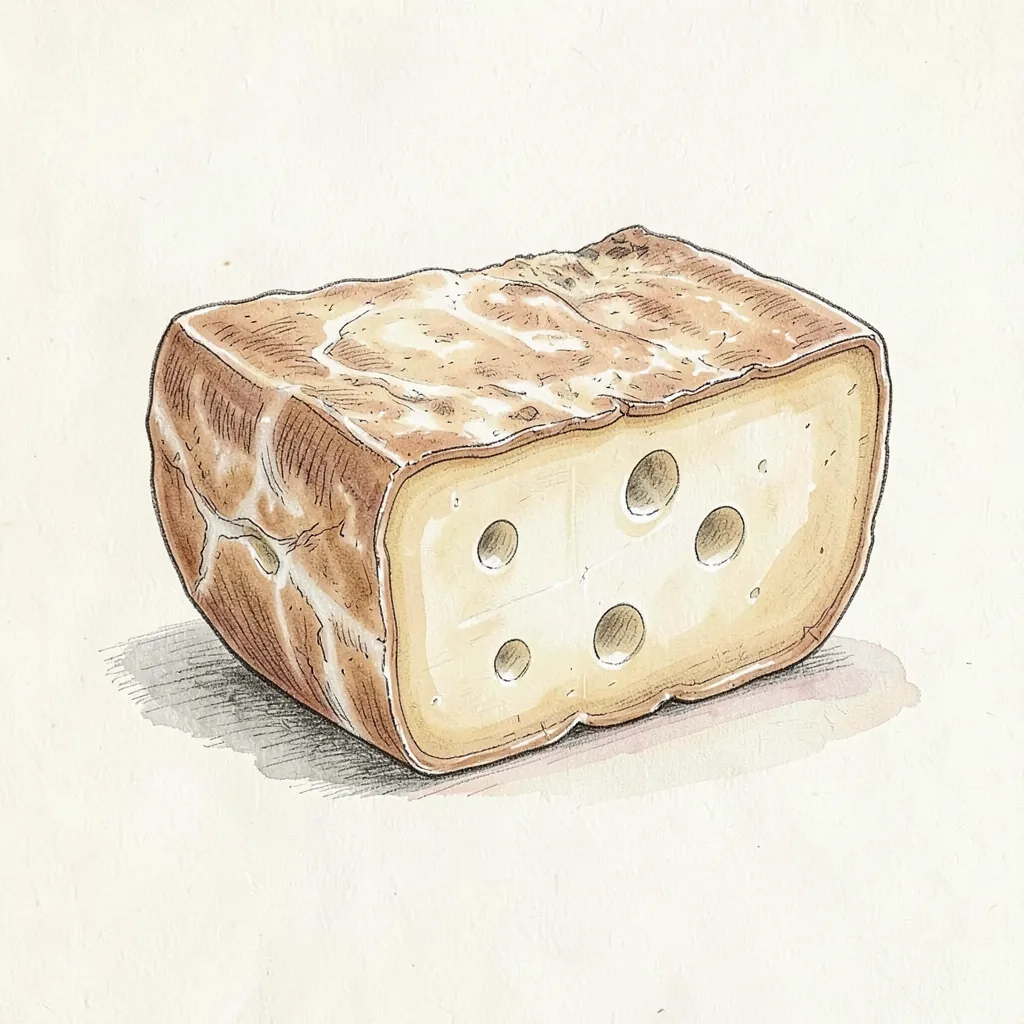
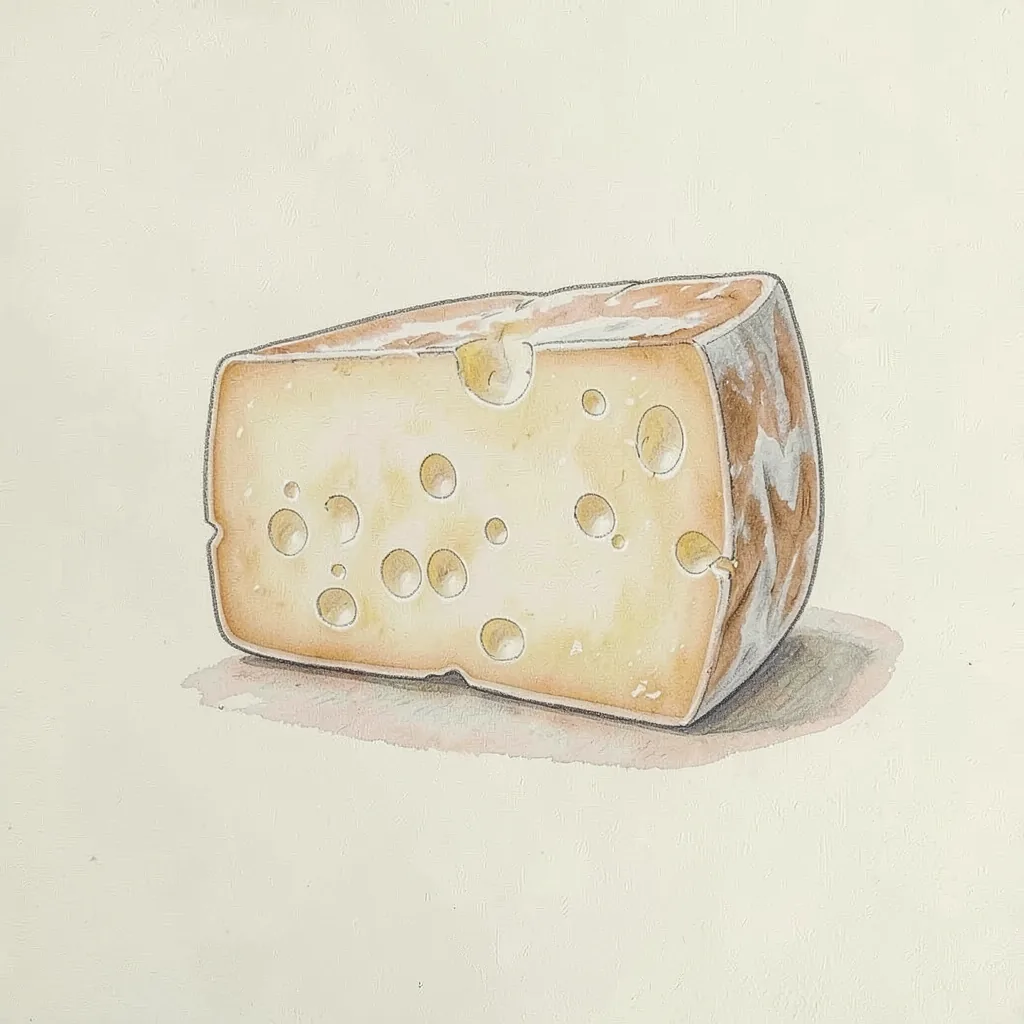
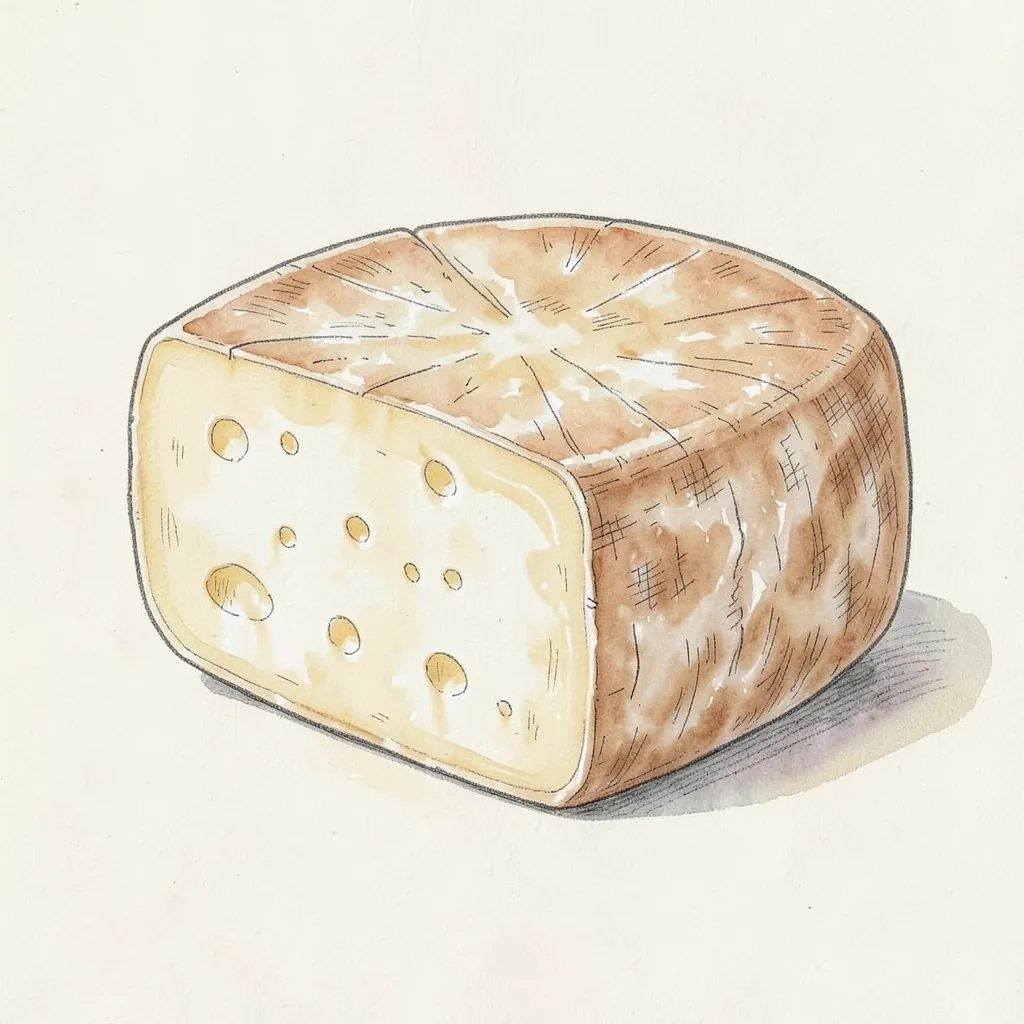
The wheel is pale, from white to light yellow, and the color shifts with the milk. The paste is firm and flaky, with a few small eyes, and it grates cleanly once aged. A younger wheel is still hard, but it is a little moister and less fierce. The name joins the word for head with the word for cheese, a nod to the round form.
Cooks use it as a grating cheese and as a frying cheese. Cubes seared in olive oil become saganaki, crisp at the edge and salty in the center. Grated kefalotyri falls over pasta, greens, and pies in the role other hard salted cheeses fill. A piece on a board wants bread, olives, or ripe fruit to balance the salt. It is an everyday hard cheese in both countries, not a soft cheese for spreading.
History
Kefalotyri is an old hard cheese of the Cypriot and Greek table, and later firm cheeses in those countries share some of its habits. The work is pastoral and direct. Milk is set with rennet, the curd is pressed, and salt plus time make the wheel hard. The name is not tied to one town, and makers in both countries produce it. Recipes that simply say kefalotyri expect this salty, firm result.
Specialty shops outside the two countries still import the wheel for cooks who grew up with it. Some packs sold abroad under this name are actually kefalograviera, a close relative that is a bit less salty and a bit more supple. The names get swapped because both cheeses are firm, pale, and useful for grating or frying. A buyer who wants the drier cheese should look for a hard paste and the kefalotyri name. Longer aging makes the wheel drier and stronger, which is the usual trade.
How it is made
Dairies warm sheep's milk, goat's milk, or both, and add rennet so the curd sets firm. The curd is cut, stirred, and placed in molds, then pressed until the whey leaves and the paste holds a wheel. Salt enters by brine or by dry salting, and that salt is part of the flavor, not only a way to keep the cheese. The wheel then rests until it is hard enough to grate. A natural rind forms on the outside as the surface dries.
A shorter rest still gives a hard cheese that slices and fries well. A long rest drives off more moisture, so the paste turns drier, sharper, and better on a grater. The interior stays pale, and a few irregular eyes are normal. The make does not use a washed rind, a blue mold, or a stretch in hot water. It is a pressed cheese, and the press plus time is what makes the texture flaky rather than elastic.
Taste
Salt comes first, then a tangy savory depth from the sheep's milk or the goat's milk. The flavor is sharp rather than sweet, and a well-aged piece can feel almost spicy on the tongue. The smell is strong and clean, like a grating cheese, not like a pungent washed rind. Milk fat keeps the paste from tasting empty even when it is dry. A younger wheel is milder and a bit more milky, which some people prefer with bread.
The texture is firm, dry, and flaky, and a knife meets light resistance. The paste does not bend, and it does not stretch when warmed. Small eyes may show on a cut face, but they are not the large round holes of an Alpine-style cheese. With fruit or olive oil, the salt reads as seasoning rather than as a flaw. If a piece tastes flat and soft, it is probably a milder relative, not a long-kept kefalotyri.
In the kitchen
Fry cubes or thick slices in olive oil for saganaki, and serve them hot with lemon. That pan dish is the classic kitchen use, and the cheese holds its shape instead of flowing away. Grate it over pasta, roast vegetables, or a spinach pie when you want salt and a sharp finish. A small amount is enough. On a meze plate, set thin pieces with bread, tomato, and olives before the rest of the meal.
It can replace other hard salted cheeses in a gratin, but it will not melt into long strings. Heat browns the surface and softens the center without making a puddle. For a salad, shave a younger piece over greens rather than cubing a very dry wheel. Wrap the cut wedge so the face does not dry, and grate only what you need. If a recipe wants a gentler Greek cheese, graviera will be milder than a long-aged kefalotyri.
Around the world
Cypriot and Greek grocers are the surest source, and many stock both a younger wheel and a drier aged one. In other countries it shows up in specialty cases and in recipes that call for a hard sheep or goat cheese. Cooks who cannot find it often reach for a salty Italian pecorino, which is close in use but not the same cheese. Kefalograviera is the nearest named relative, and labels sometimes blur the two. A very hard, very salty paste points back to kefalotyri.
It is not a soft white cheese in brine, so it should not replace feta in a salad that needs moist crumbles. Feta is salty too, but the texture and the kitchen job are different. Kefalotyri wants a grater, a frying pan, or a small spot on a board. Travelers meet it in tavern food more often than as a souvenir, though a wrapped wedge does travel. Choose the harder piece for grating and the younger piece if you plan to fry slices.