Pélardon vs Pérail
Pélardon is made from goat's milk. Pérail is made from sheep's milk.
Pélardon is the one for cooking and grilling. Pérail is the one for spreading.
Pélardon can stand in for Pérail. It is another small southern French round with a mild tang, and it works on bread when a bloomy sheep cheese is missing.
Pélardon
Facts
- Milk
- Goat
- Texture
- Soft
- Type
- Bloomy rind
- Rind
- Natural rind
- Country
- France
- Place
- Languedoc-Roussillon
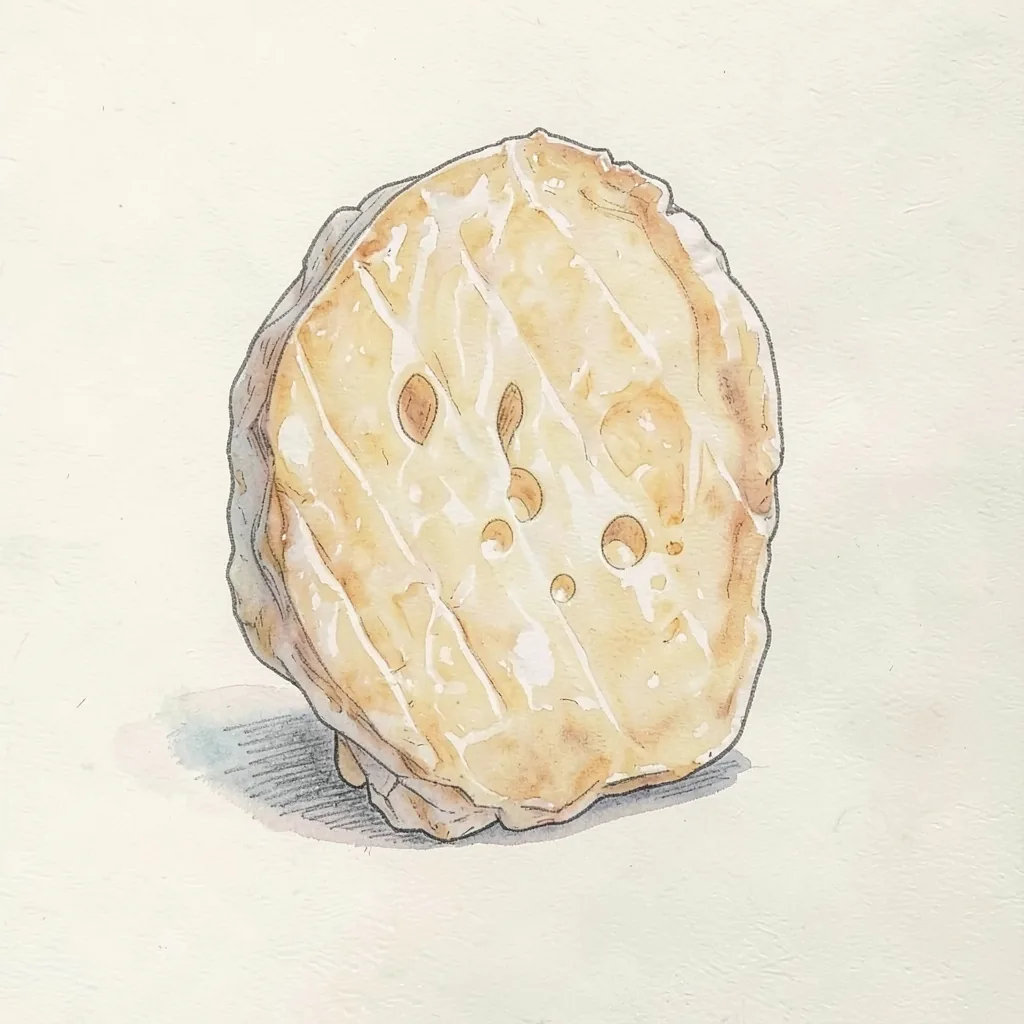
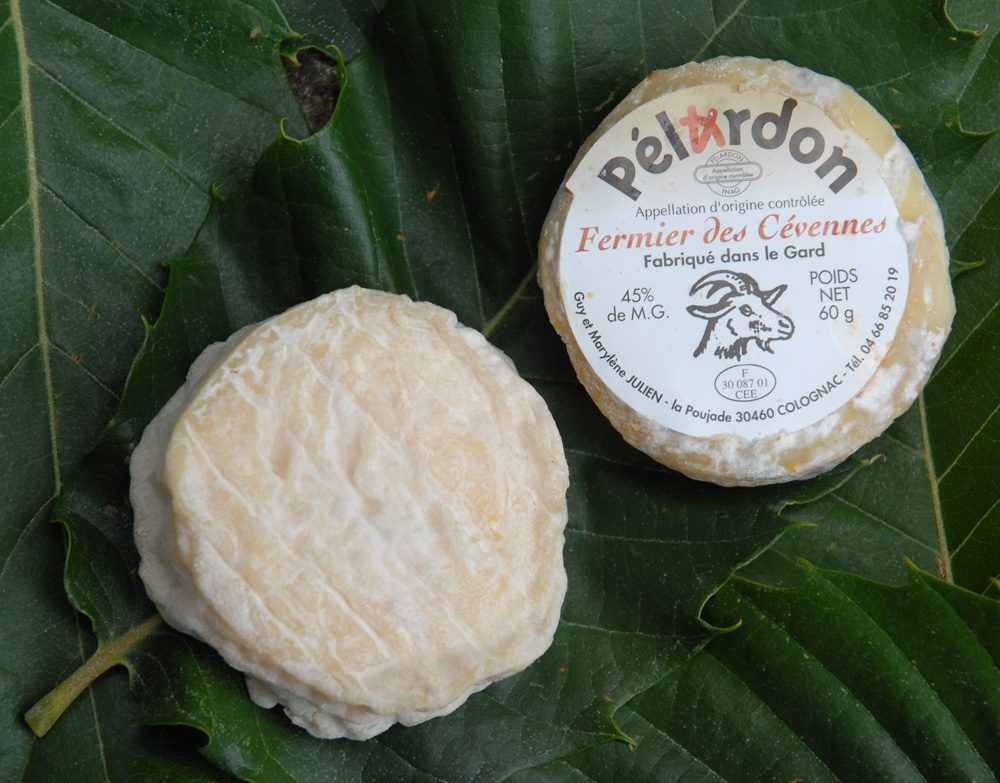
Pélardon is a small goat's cheese from Languedoc-Roussillon in southern France. The milk is raw goat's milk, and the cheese is a low round with a thin natural rind. The paste is soft and moist when young, then firmer and drier as it ripens. White, cream, or blue-grey molds can speckle the coat, and that varied surface is normal. The taste is goaty, floral, and lightly nutty, and it belongs on a board or in simple southern cooking.
Pérail
Facts
- Milk
- Sheep
- Texture
- Soft
- Type
- Bloomy rind
- Rind
- Bloomy rind
- Country
- France
- Place
- Aveyron
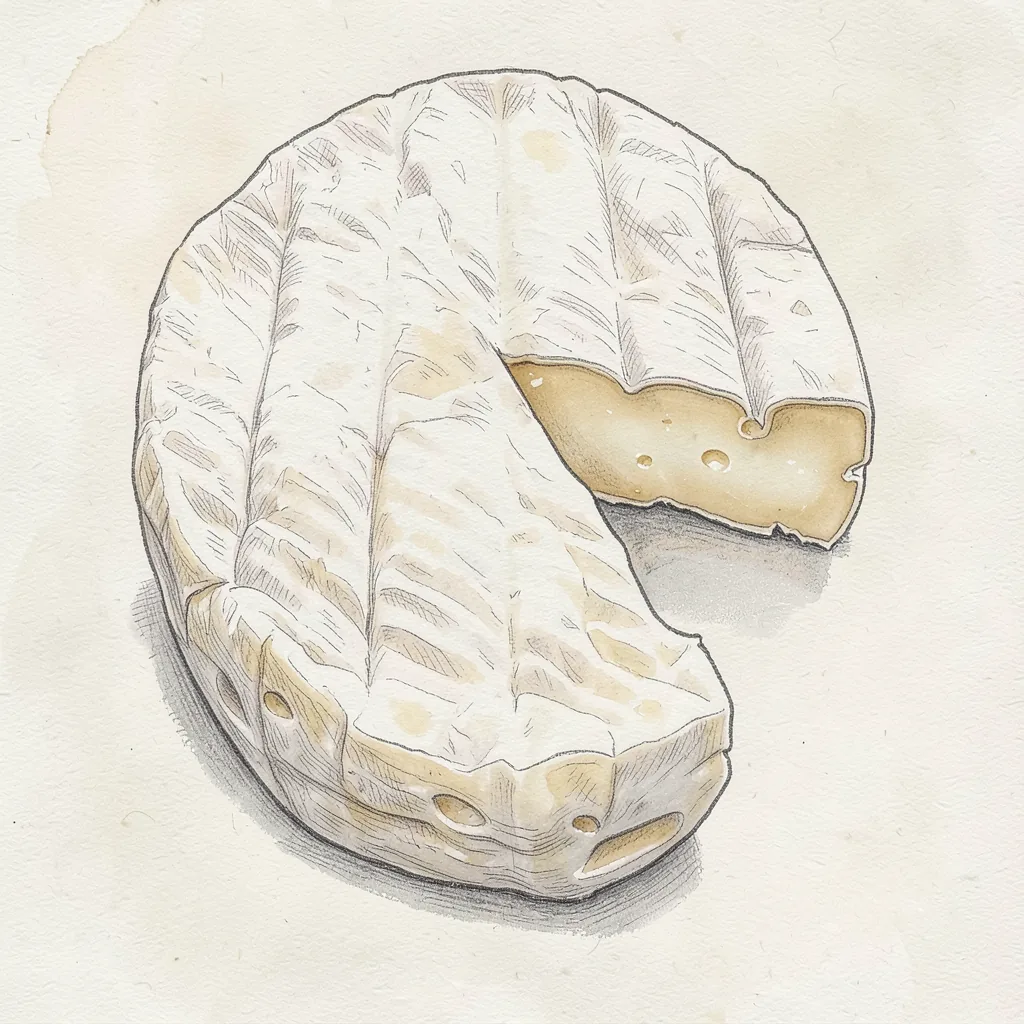
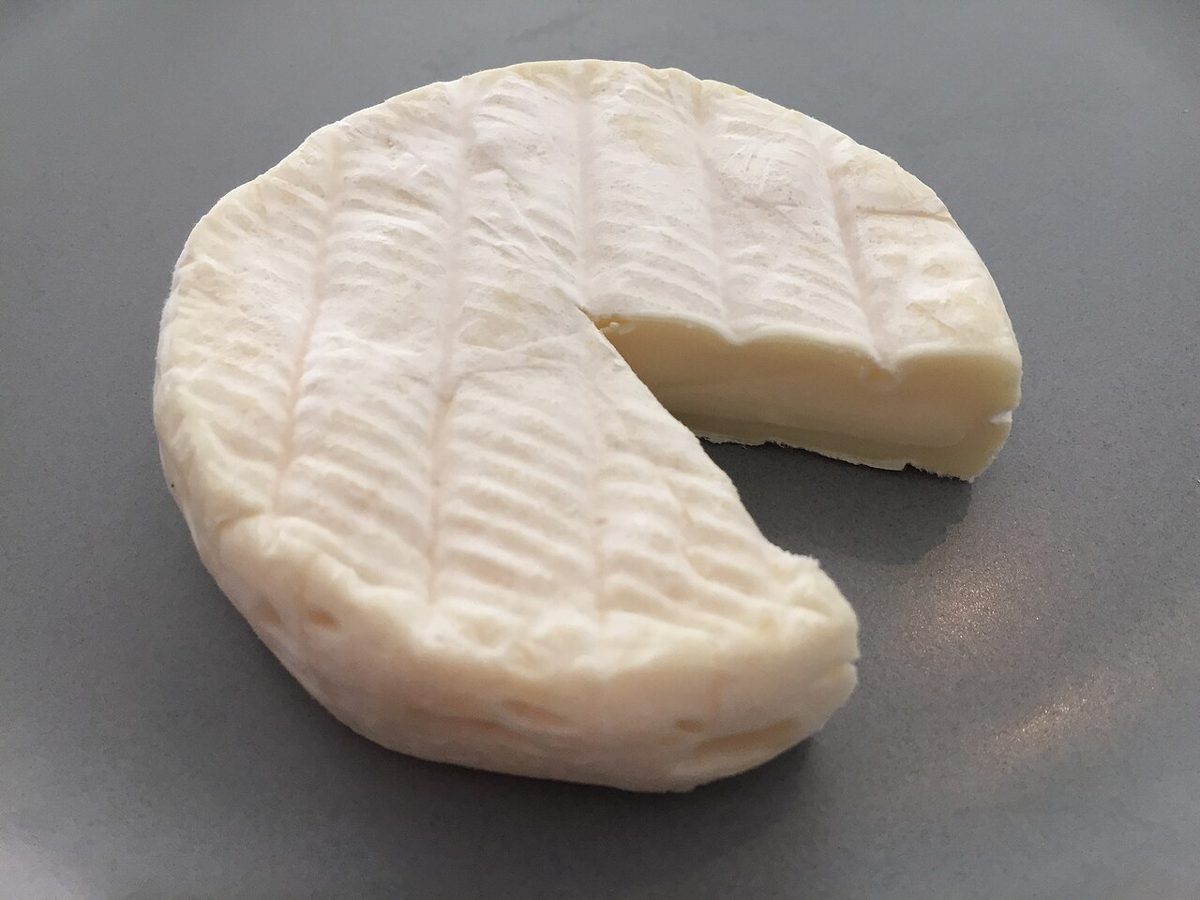
Pérail is a small soft cheese from Aveyron in France. Makers use whole sheep's milk, and the rounds stay flat and light rather than tall. A thin ivory skin carries a faint white bloom, and the paste inside is pale and creamy. The cheese is sold young, while the center still holds together and the edge is soft enough to spread. It belongs on a board, not on a grater.