Goat
What it is
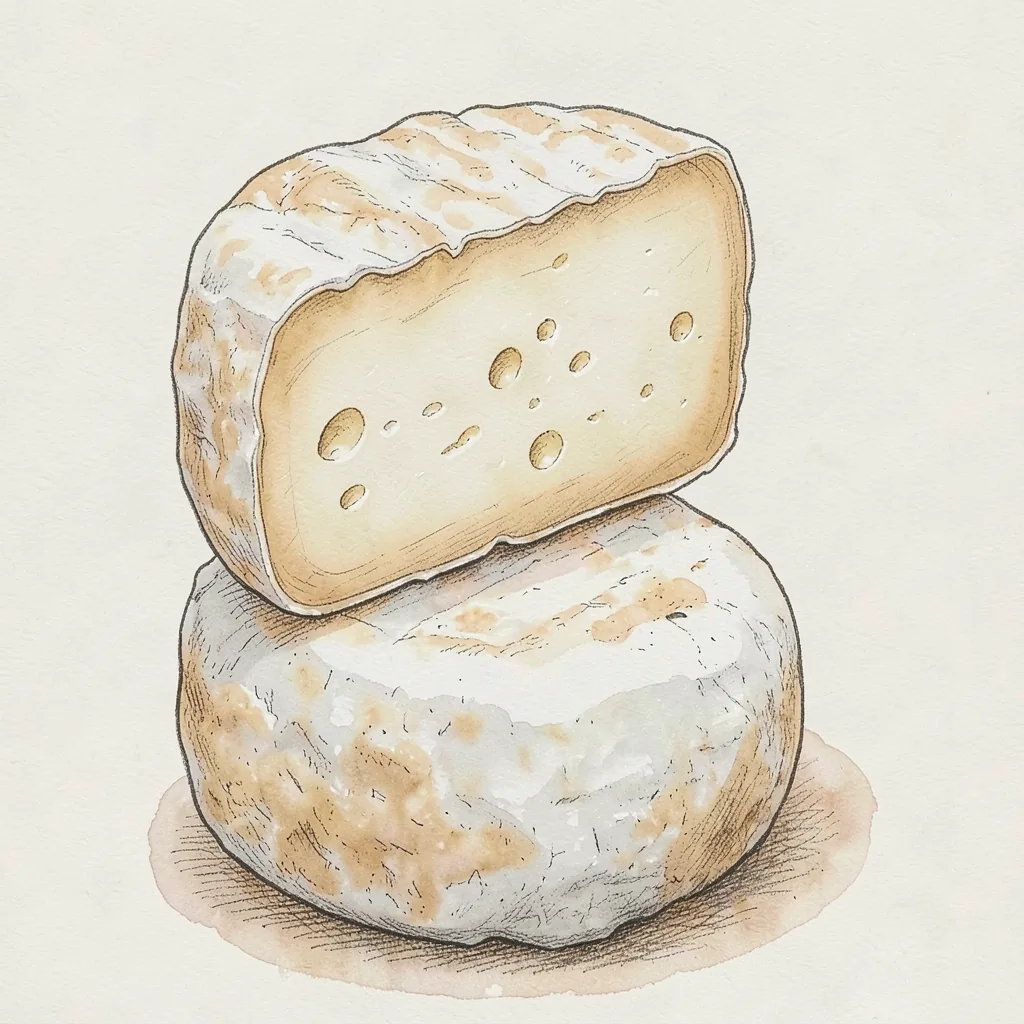
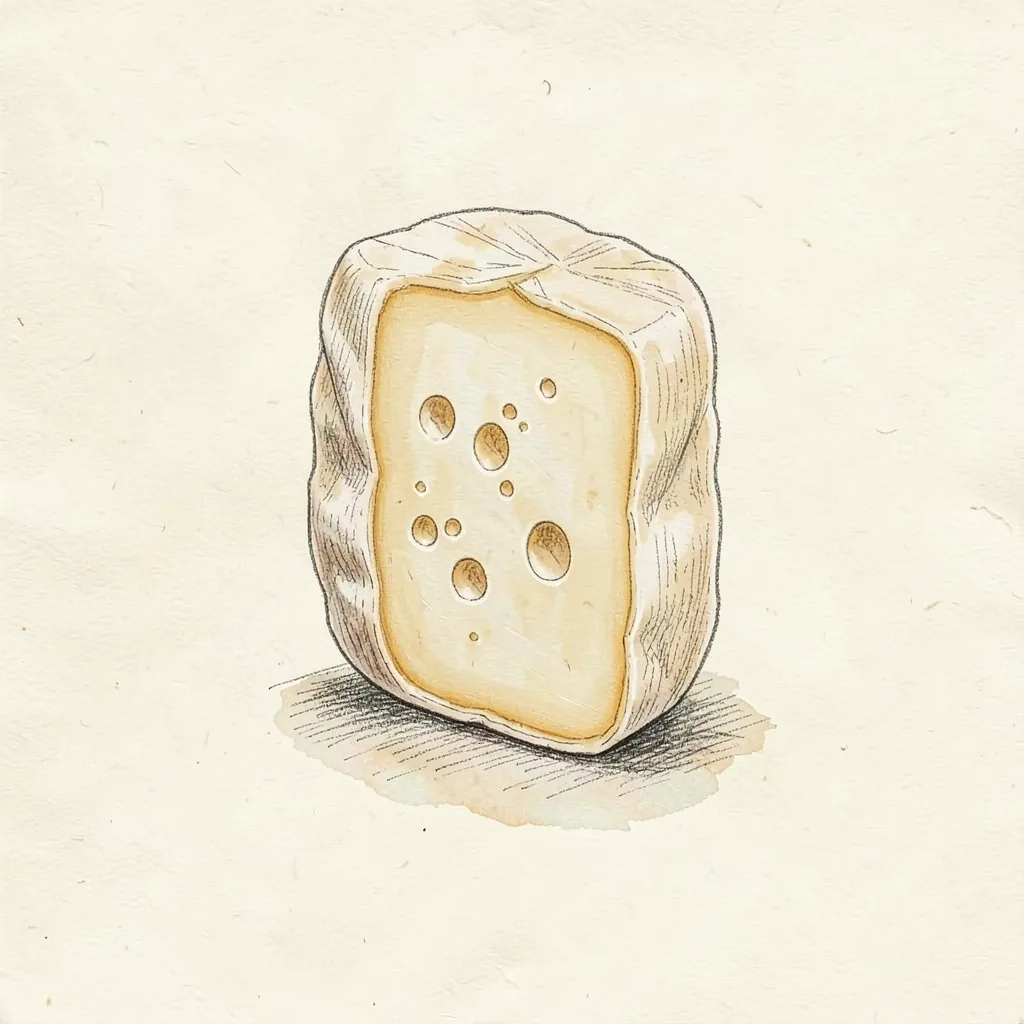
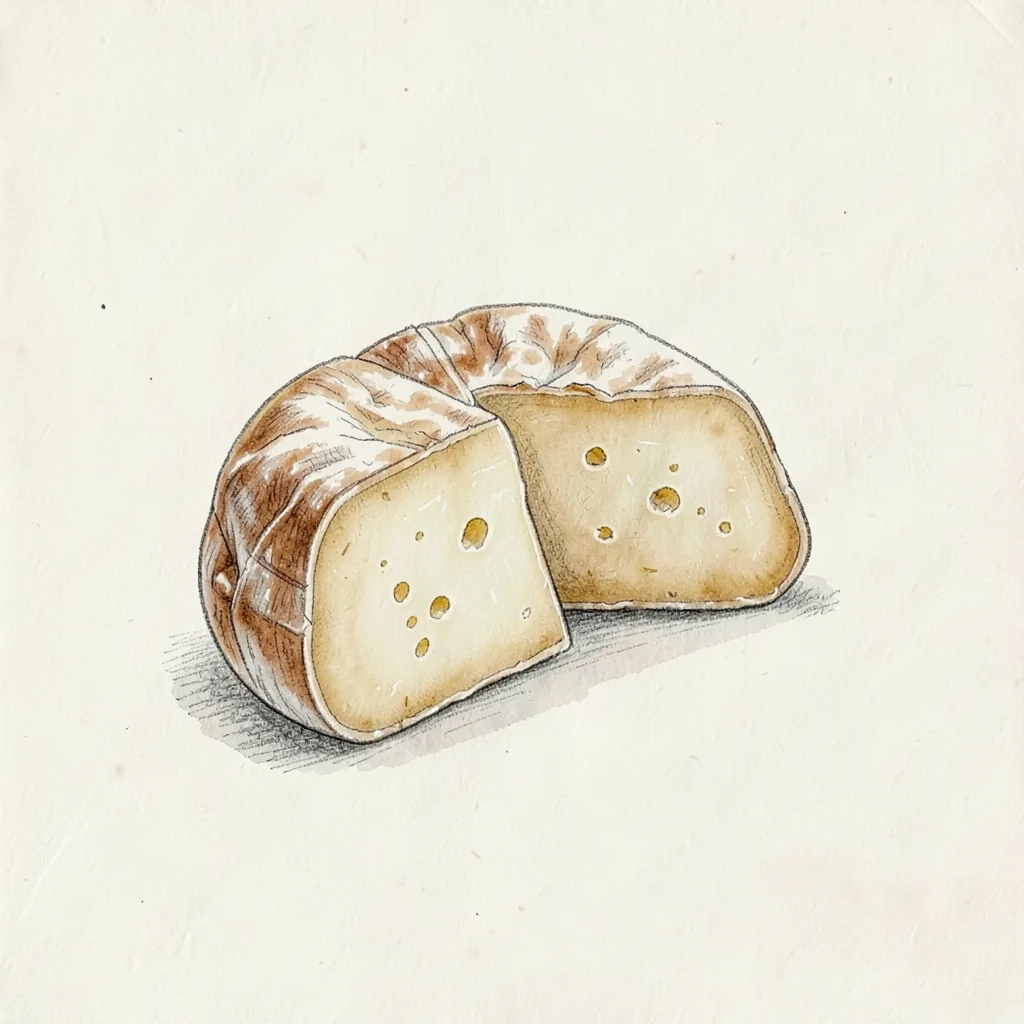
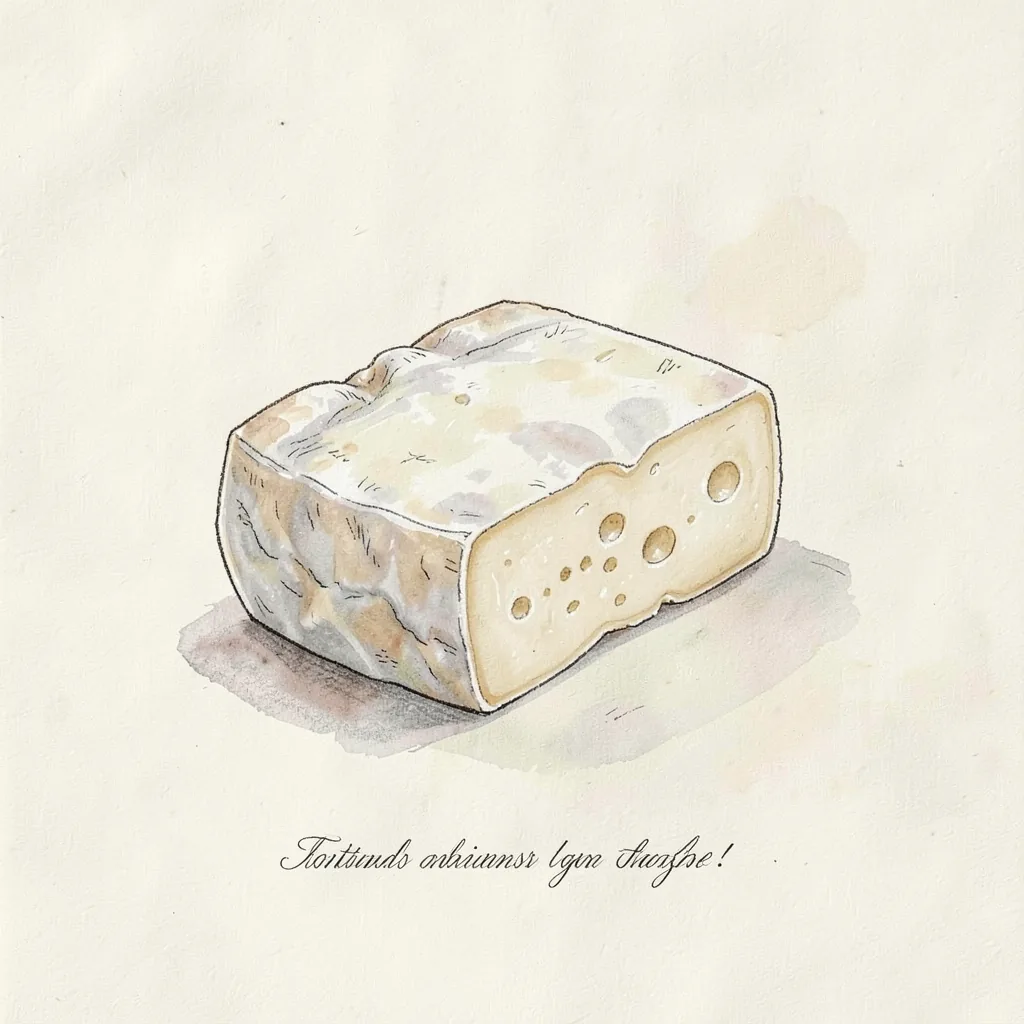
The milk is raw goat's milk, and the cheese is a low round with a thin natural rind. The paste is soft and moist when young, then firmer and drier as it ripens. White, cream, or blue-grey molds can speckle the coat, and that varied surface is normal. The taste is goaty, floral, and lightly nutty, and it belongs on a board or in simple southern cooking.
Each round is small enough for one person or for sharing, and the shape is a short disk rather than a log or a pyramid. Herds feed on the mixed plants of the garrigue and nearby hills, which colors the flavor of the milk. A young cheese is mild and creamy. An older one is sharper, saltier at the edge, and more plainly goat. There is no wax and no ash coat as a rule, and the cheese is sold in French markets as a southern goat round.
History
Small goat cheeses have been part of cooking in Languedoc for a long time, and this round carried several local names before Pélardon became the usual word. Herders and small dairies made it from the milk of goats that grazed scrub and woodland. The cheese stayed a short-ripened lactic round, not a large pressed wheel. The name now covers the traditional cheese of that southern French country. It is a regional food, not a single brand from one plant.
Cooks in France treated the little goat round as a taste of the Cévennes and the Languedoc hills. The method remained hand ladling and a natural rind, even as more makers joined the supply. The cheese is known across France, not only on its home hills. Buyers still judge a round by the rind and by how the paste yields. Goat's milk, a small disk, and a natural coat are the parts that stay put from maker to maker.
How it is made
Makers use raw goat's milk and let it sour slowly until a soft lactic curd sets. They ladle the curd by hand into small molds, and the whey drains without a heavy press. The rounds are turned so the draining is even, then salted. A short drying stage lets the surface set. After that, the cheeses ripen until a thin rind appears, and the mold on that rind may be white, pale, or blue-grey.
The curd is not cooked into a firm grain, and the cheese is not stretched or held in a brine vat. Time in the ripening room is what turns a mild fresh disk into a stronger goat cheese. Makers turn the rounds so one face does not dry out. A young Pélardon keeps a tender center, and a longer stay makes the edge firmer and the flavor louder. The finished cheese is still small, and the rind stays thin.
Taste
Young Pélardon tastes milky, lightly sour, and gently goaty, sometimes with a hint of hazelnut or fresh plants. The center is soft, and the rind adds a little mushroom or cellar note. As it ages, the goat flavor grows, the paste dries, and the finish becomes sharper. Salt stays moderate. A good round is balanced, not soapy and not harshly acidic, and the smell should be clean and plainly of goat's milk.
Season and pasture change the details from batch to batch. Spring milk can taste fresher and more floral, while later milk can taste deeper and more savory. The rind may look mottled, and that look is not a fault. Blue specks on the coat are surface molds, not veins through a blue cheese, and the interior stays white to ivory. If the paste is chalky all the way through and the smell is sharp ammonia, the round is very ripe.
In the kitchen
Serve Pélardon on a board with bread, honey, or a few walnuts, and eat the rind if you like the extra flavor. Slice or crumble a firmer round onto a salad of greens and fruit. A young cheese can be spread. Warm rounds on toast or on a tart until the center softens, which is a common way to eat them in the south of France. Do not expect long melted strings, and a grater is useless unless the cheese is very dry.
Olive oil and tomato sit well beside it, and so does a dry white or a light red from southern France. In cooking, add it near the end so the goat taste stays fresh. A whole small round is a natural single portion on a plate. Keep it wrapped and cold, and let it warm before you eat it plain, because the cut face dries quickly. Use an older, drier piece in a baked dish, and keep a younger one for the board.
Around the world
Outside France, Pélardon appears in shops that carry small French goat cheeses. It is often set beside Picodon, Crottin de Chavignol, and other little rounds. Those neighbors look similar and do not taste identical. Pélardon is the Languedoc goat disk, with a natural mottled rind and a flavor that moves from mild to strong. It needs the cold, because a warm counter will make it run or dry out, so buy it when the paste still matches the age you want.
Picodon is another small southern goat cheese with a natural rind and a goaty taste. Crottin de Chavignol can replace it on toast, though an aged crottin is drier and nuttier. A plain fresh chèvre works if you need a mild spread and the rind does not matter. Rocamadour is smaller and often creamier, and Cabécou is another little goat round. None of those is the same cheese, but each can fill a salad or a board when Pélardon is not in the case.