Russian cheese vs Tilsit cheese
Russian cheese is a pressed cheese. Tilsit cheese is a washed-rind cheese.
Tilsit cheese is also used for salad.
Tilsit cheese can stand in for Russian cheese. It is the semi-hard cow's milk cheese usually compared with this style, and it can stand in for slicing or melting if a stronger rind smell is acceptable.
Russian cheese
Facts
- Milk
- Cow
- Texture
- Semi-hard
- Type
- Pressed
- Rind
- Waxed or sealed
- Country
- Russia
- Place
- similar to German Tilsiter
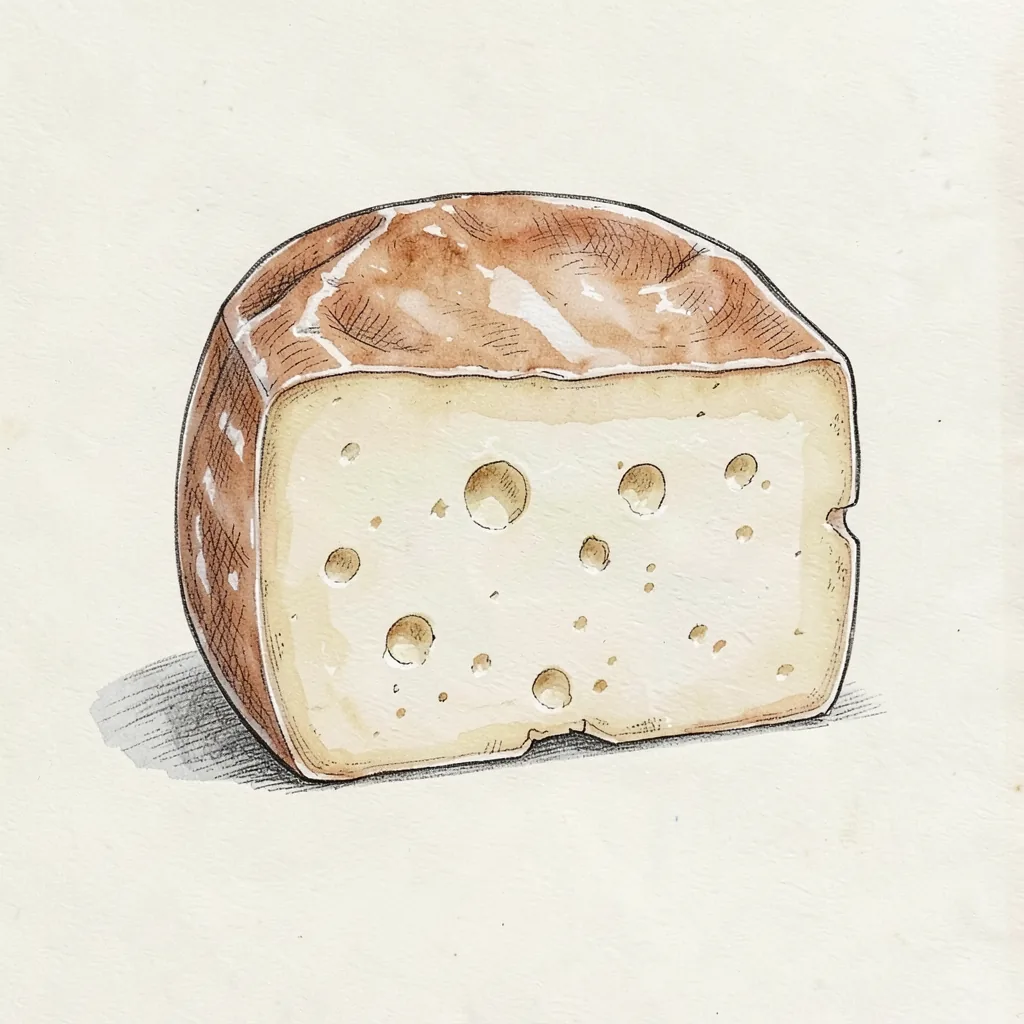
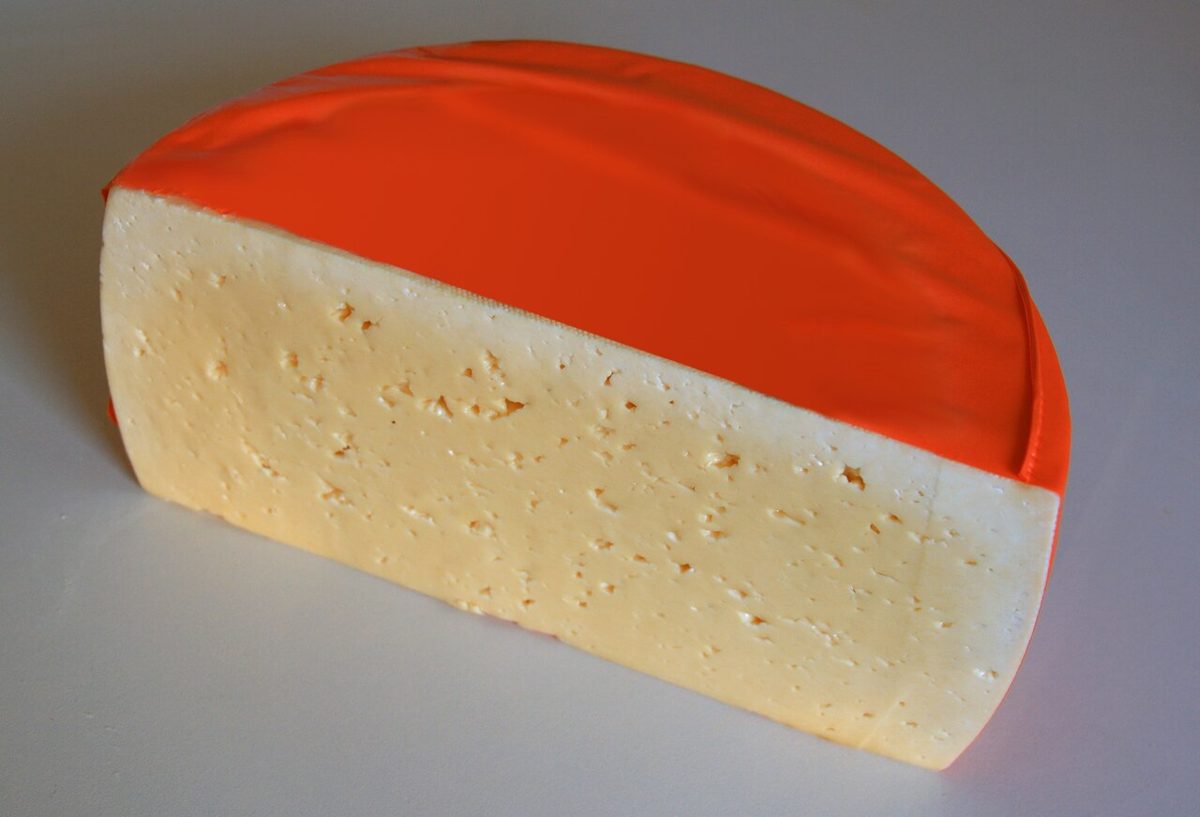
Russian cheese is a semi-hard cow's milk cheese made in Russia. English labels use that plain name, and Russian speakers call it Rossiysky syr. Dairies across the country make it from pasteurized milk, so it is a style, not the product of one farm. The paste is pale yellow, elastic, and dotted with small irregular holes. A wax coat or a tight film usually covers the outside.
Tilsit cheese
Facts
- Milk
- Cow
- Texture
- Semi-hard
- Type
- Washed rind
- Rind
- Washed rind
- Country
- Germany
- Place
- a light yellow semi-hard smear-ripened
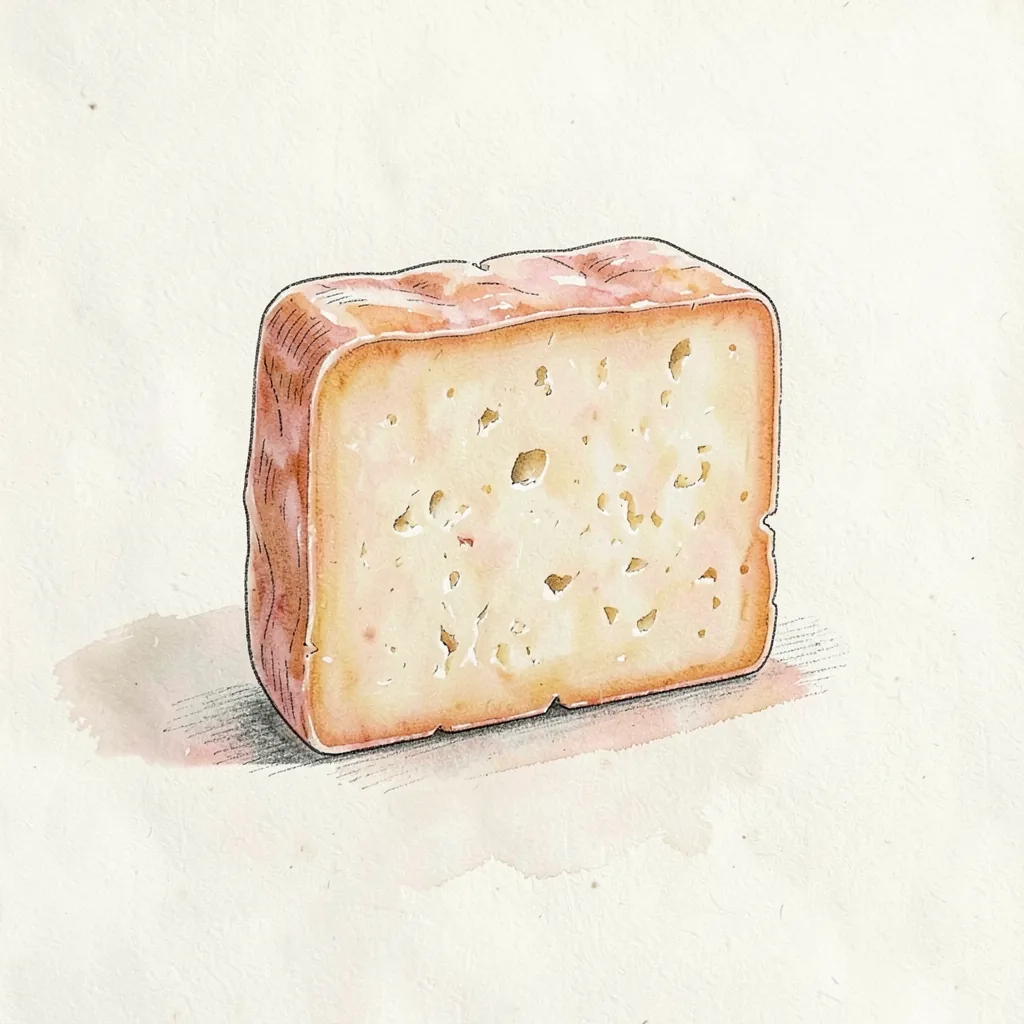
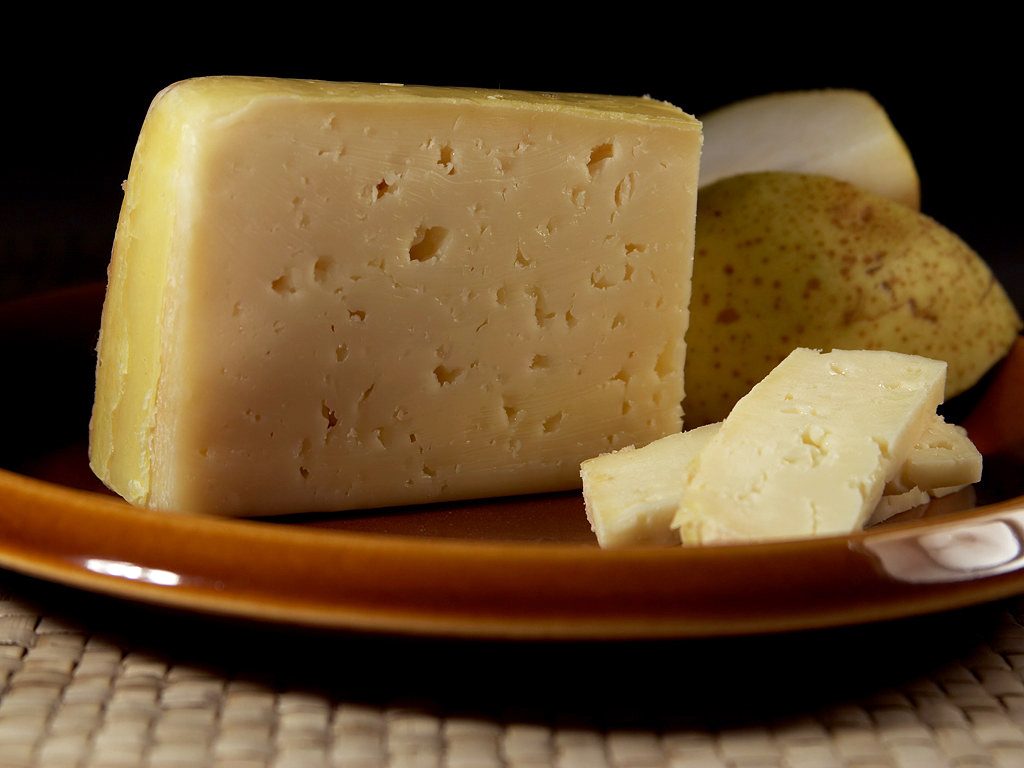
Tilsit cheese is a semi-hard cow's milk cheese from Germany, and the paste is light yellow under a washed rind. The style belongs to an East Prussian tradition, and German dairies still make it in wheels and in blocks. Makers rub the surface during ripening so a savory smear can develop. The interior stays moist and elastic, with small irregular holes or short cracks. Shoppers meet it as a table cheese that also melts.