Cow
What it is
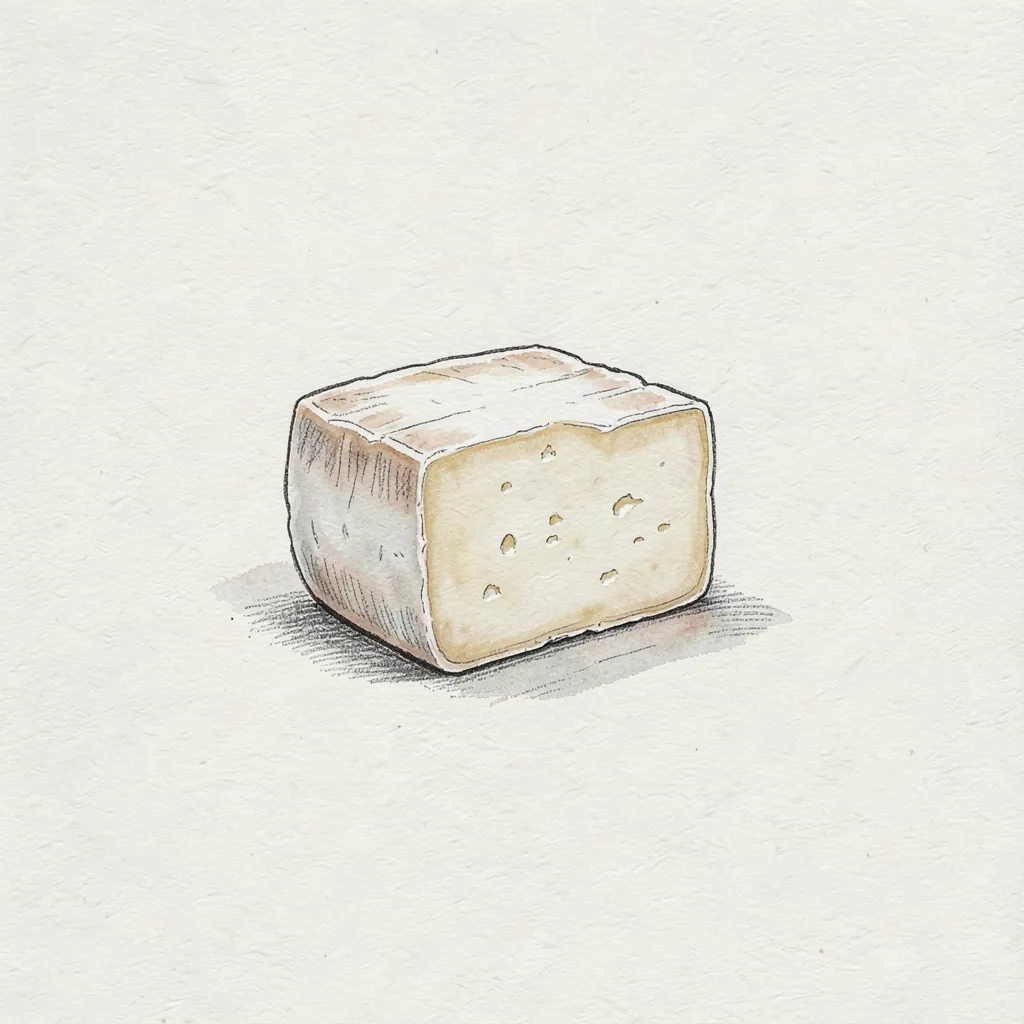
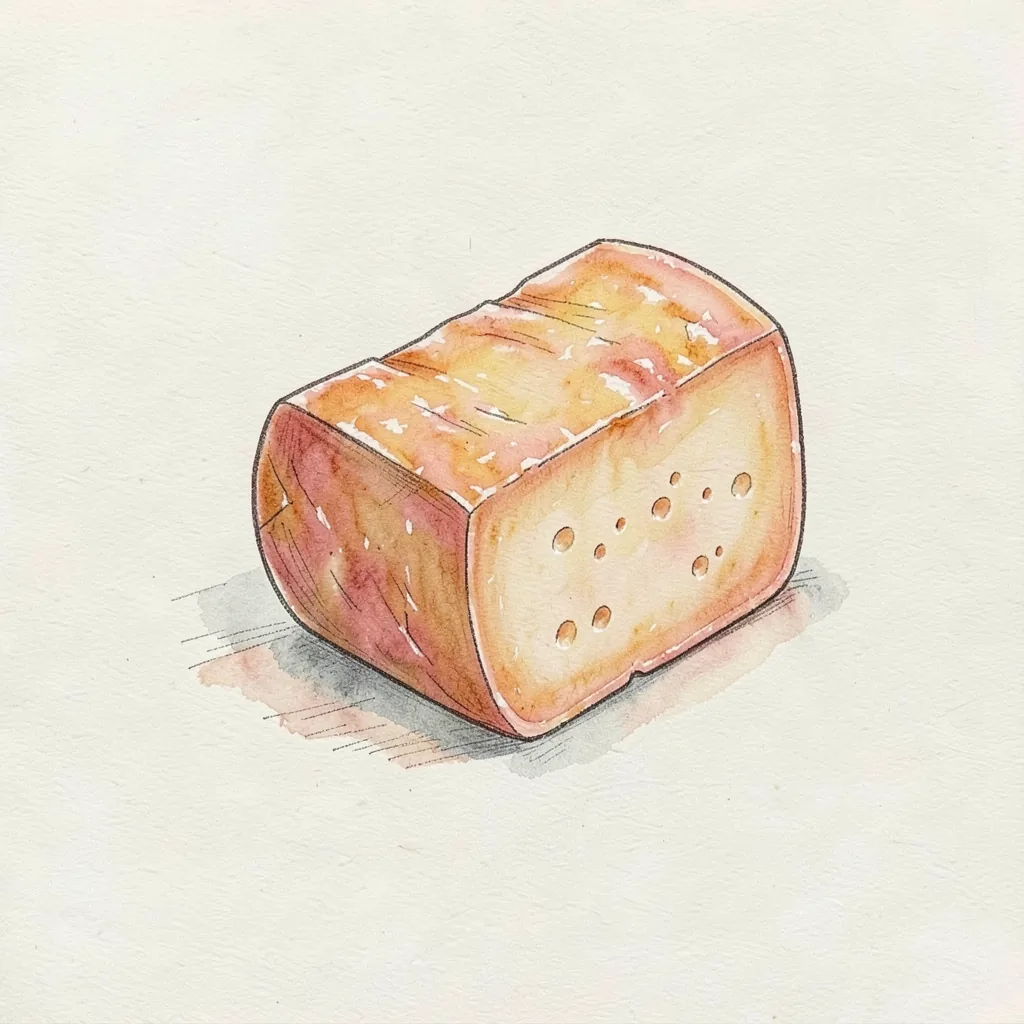
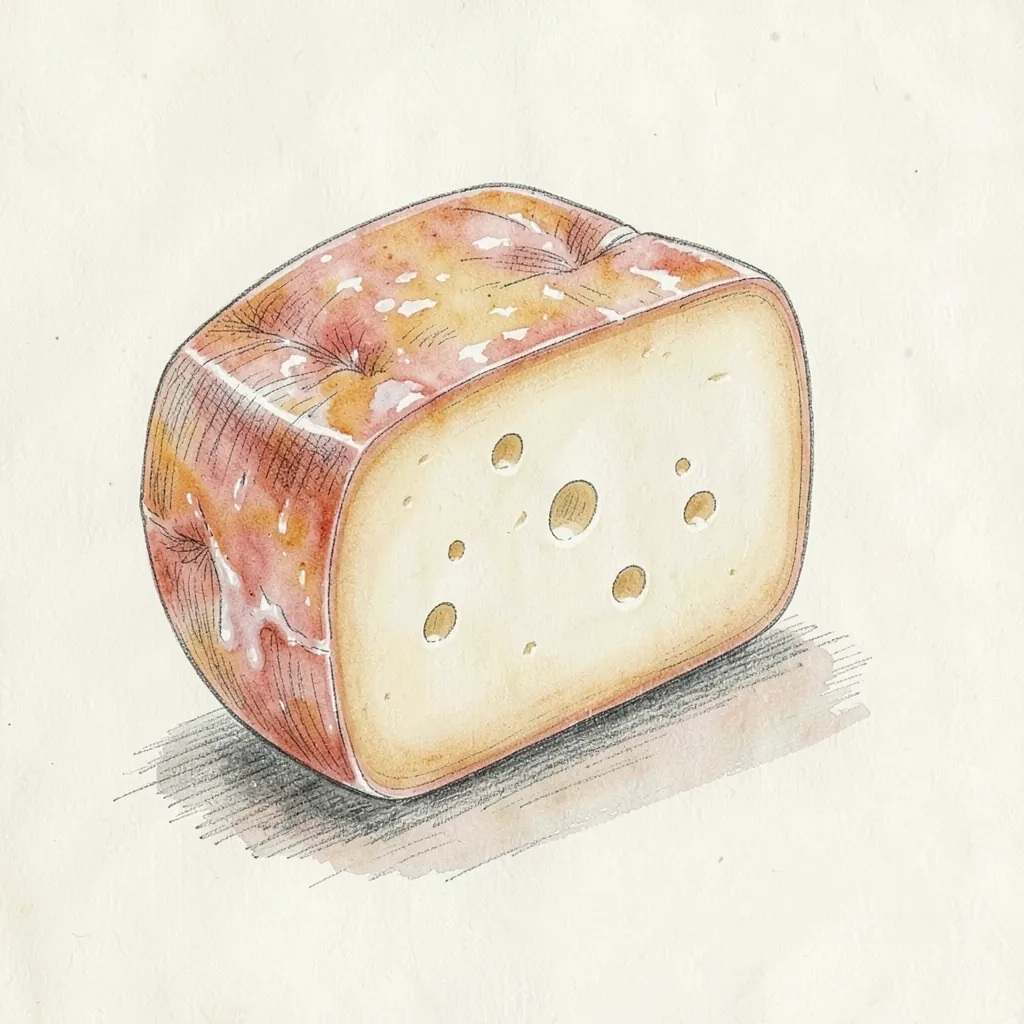
The style belongs to an East Prussian tradition, and German dairies still make it in wheels and in blocks. Makers rub the surface during ripening so a savory smear can develop. The interior stays moist and elastic, with small irregular holes or short cracks. Shoppers meet it as a table cheese that also melts.
A young piece tastes mild and slightly tangy, and a longer-aged piece turns fuller and more pungent. Both forms are still Tilsit, and both stay useful in an ordinary kitchen. Some batches include caraway or peppercorns, which push the flavor toward rye bread and dark beer. Plain wheels are just as common. The rind is thin and darker than the paste, so many people trim it before a sauce.
History
The name Tilsit recalls an East Prussian origin, and the cheese later became a regular German dairy product. Early makers worked in a damp climate that favored a smear rind rather than a dry crust. The result was more savory than many Alpine wheels. German dairies kept the style after the old district stopped being the center of production. The name stayed with the cheese, not with one plant.
Buyers in Germany still see several Tilsit styles side by side. A richer wheel tastes softer and milder, and a leaner wheel tastes sharper. Caraway versions sit beside plain ones in the same shops. Swiss dairies also make a cheese called Tilsiter, and that cousin can be mild or robust. The shared name does not mean every wheel smells the same.
How it is made
Dairies start with cow's milk, often pasteurized for the everyday loaf, and cultures begin the acid development. Rennet sets the curd, which is cut, stirred, and placed in molds for wheels or blocks. The young cheese is salted. The rind is then washed or rubbed with brine that carries smear cultures. That treatment keeps the surface moist and gives Tilsit its savory coat.
Ripening lasts long enough for the smear to season the paste, and it stops while the center is still elastic. Makers watch the surface so it flavors the wheel without drying the interior. Some producers mix caraway or pepper into the curd, and others leave the cheese plain. The finished piece is wrapped as a wedge, a block, or a small wheel. It is sliced for the table more often than it is grated.
Taste
The paste tastes buttery, lightly sour, and gently spicy, with a savory edge from the washed rind. A mild wheel is friendly on bread, and a ripe wheel has a fuller, more pungent finish. The smell is noticeable, but it is usually less fierce than a strong Limburger. Small holes and slits make the slice look a little open. The color stays pale yellow under the darker coat.
Caraway adds a warm, bread-like note, and peppercorns add small bites of heat. Without those extras, the flavor is dairy, tangy, and a bit brothy. A richer piece feels rounder on the tongue, and a leaner piece tastes cleaner and sharper. The rind itself is saltier and stronger than the paste. Many cooks cut that coat away when they want a milder melt.
In the kitchen
Tilsit melts smoothly in a sauce, on potatoes, or over a baked dish, and it also cubes neatly for a salad. On a board it pairs with rye bread, mustard, and pickles. A mild wedge is easy in a sandwich, where the smear aroma stays in the background. Stronger wedges are better in small slices beside beer. Heat softens the paste quickly, so a short melt is enough.
Because the paste is moist, it does not grate into a dry powder like a very hard cheese. Shred it only when a recipe needs a quick melt, and keep the pieces cold so they do not clump. Cubes hold their shape in a cold salad and then soften if the dish is warmed. Trim the rind for a milder sauce. Leave a little rind on a board slice if you like the savory edge.
Around the world
Outside Germany, Tilsit shows up in shops that stock northern European cheeses, and the label may say Tilsiter. Swiss Tilsiter is the main cousin, made in more than one strength, including a creamier style. Those wheels share the name and the semi-hard body, but the aroma is not always the same. Havarti is the easy substitute in many countries, and it is usually milder. Limburger is the stronger washed-rind neighbor.
In Germany the cheese is ordinary, not rare, and it appears in supermarkets as well as at a cheese counter. Cooks use it the way other countries use a flexible melting cheese. A block labeled Tilsit should still be checked for caraway if you want a plain flavor. The East Prussian story explains the name. The cheese you buy now is a living dairy product for weeknight cooking, not a museum piece.