Mixed milk
What it is
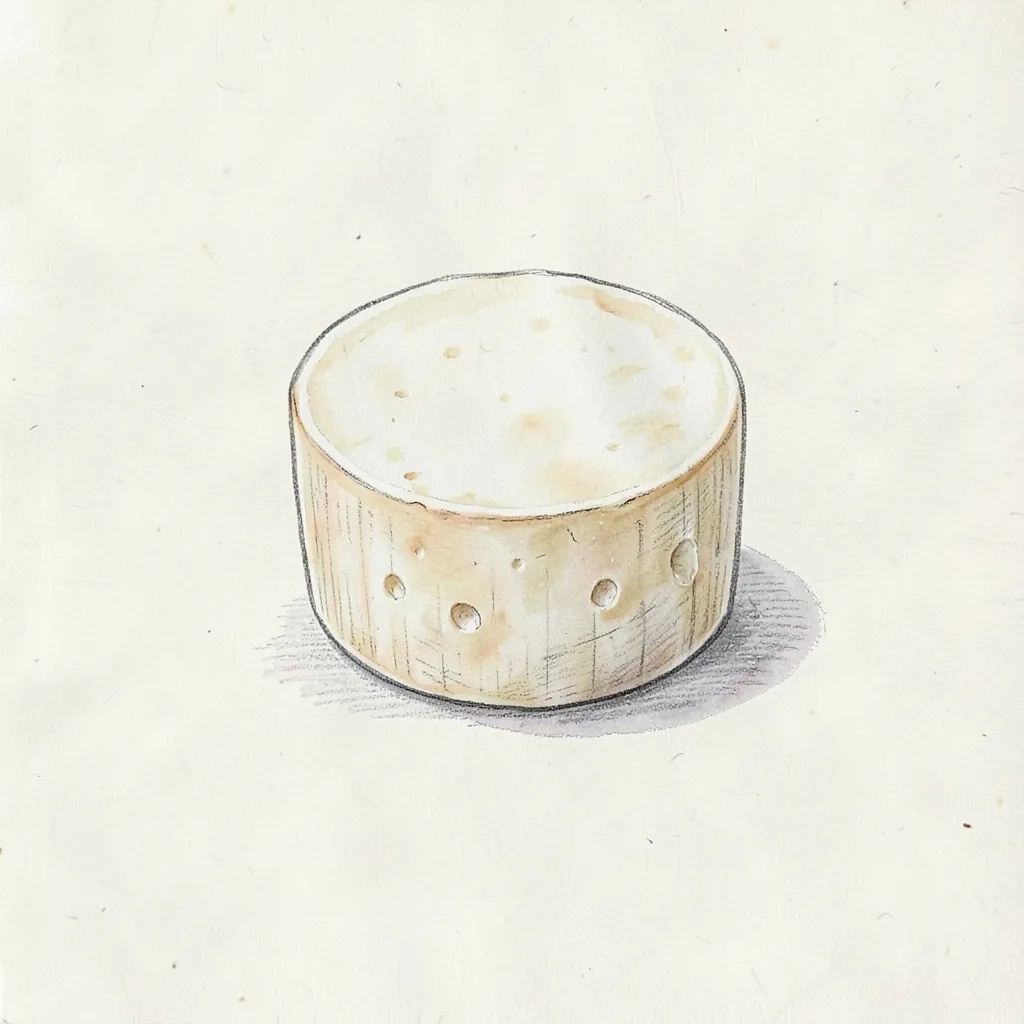
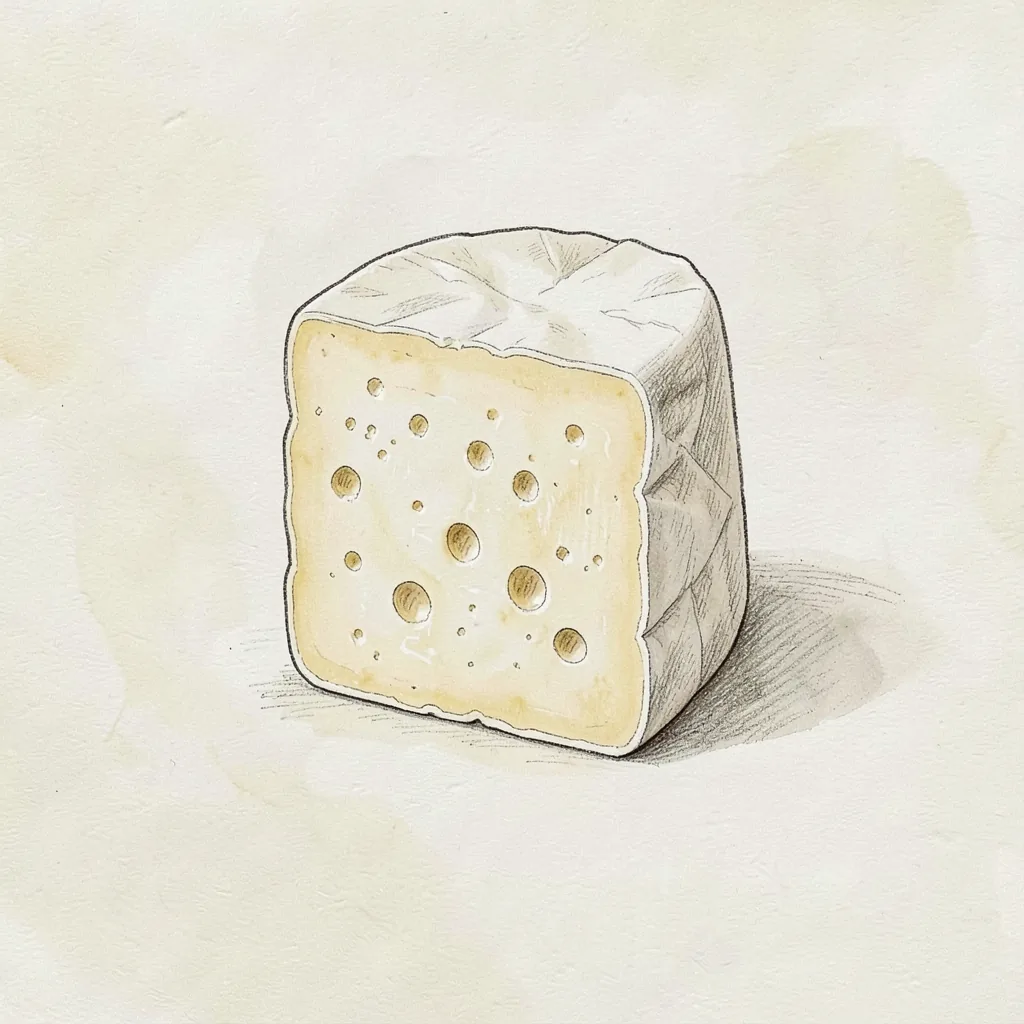
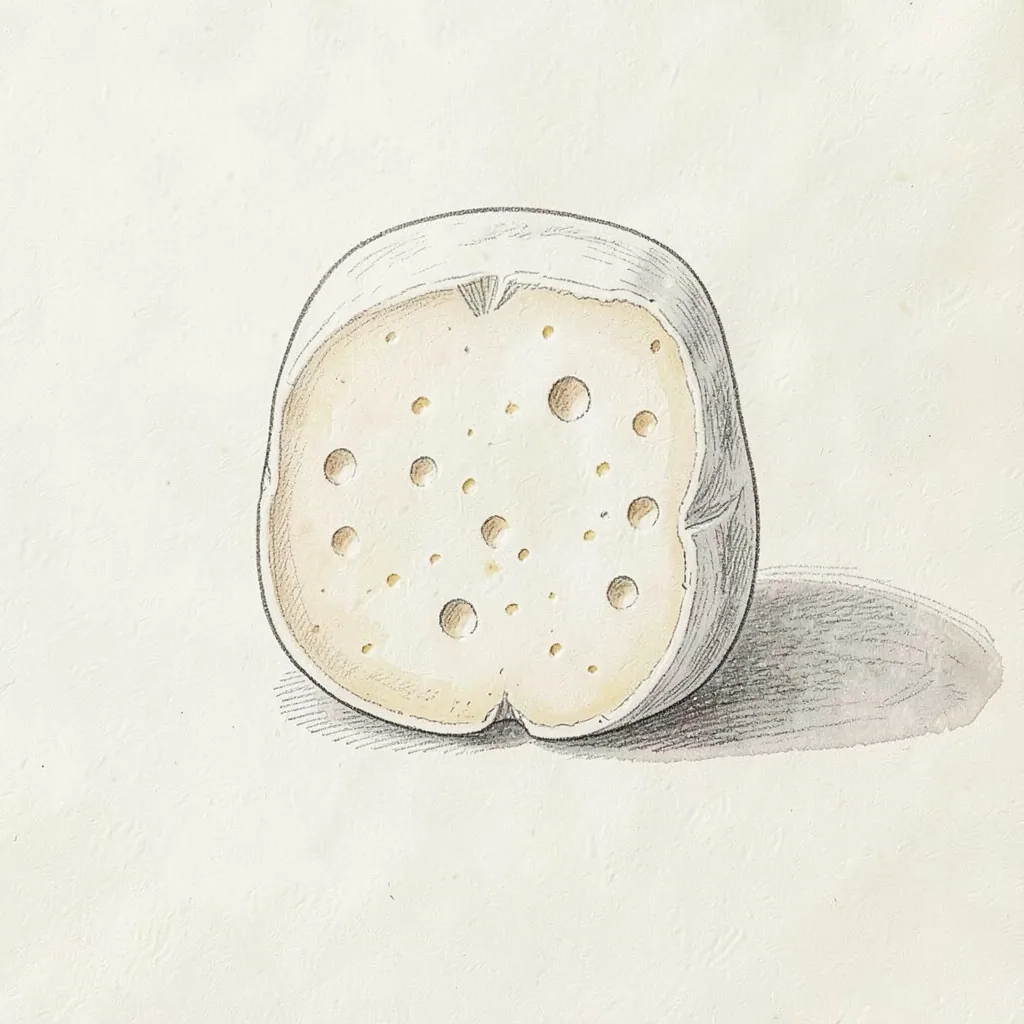
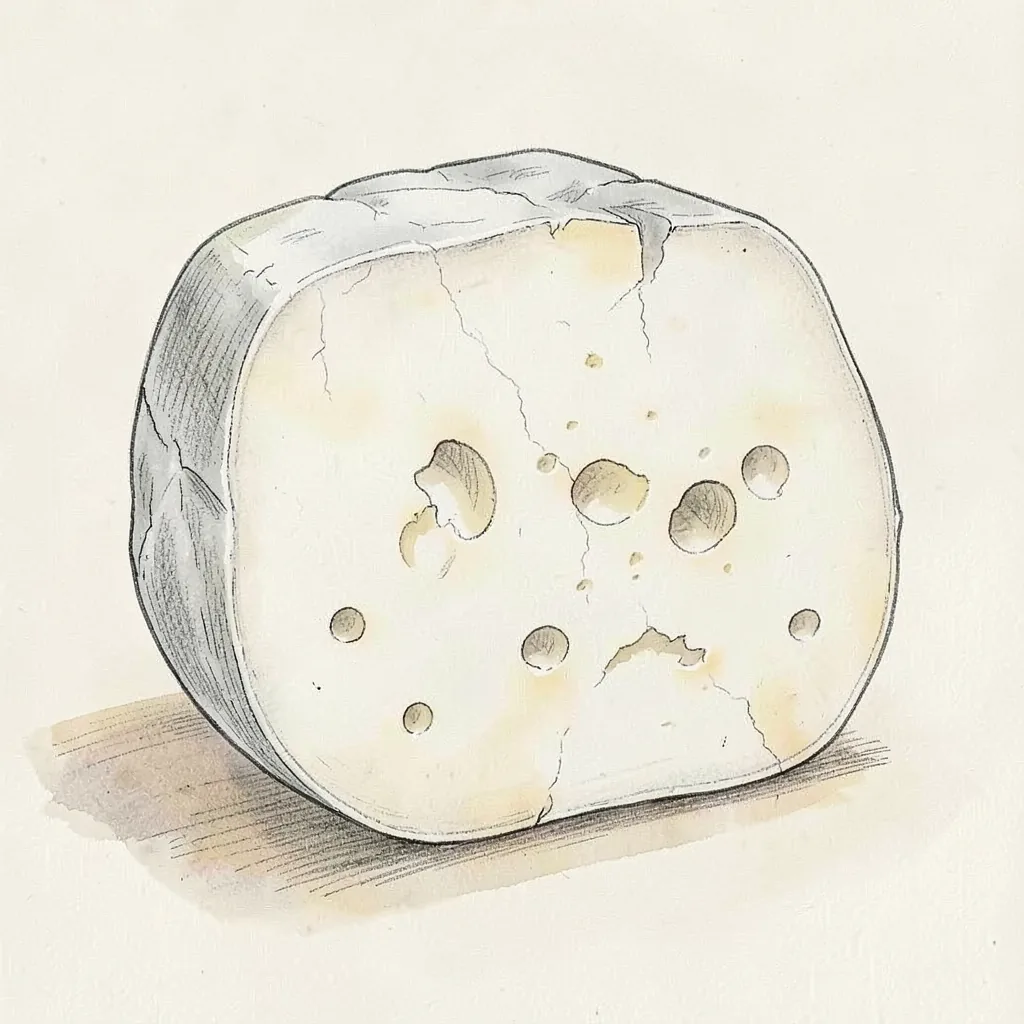
Makers heat the whey left from halloumi, and a small addition of goat or sheep milk helps the curds rise. Fresh anari is white, soft, and mild, with a grain that recalls ricotta. A salted version is dried until it becomes very hard. Both forms come from the same whey, but they do not behave the same way in the kitchen.
The fresh cheese is moist and perishable, so cooks use it soon after it is made. Honey, carob syrup, or a little cinnamon turns a warm piece into a simple breakfast or a light dessert. Dried anari keeps longer and is grated over pasta. Pastries such as bourekia use the fresh curds as a filling. The contrast between the two styles is the main thing to know before you buy.
History
Anari grew up beside halloumi making across Cyprus. After the firm curds were lifted out, the whey still held protein, and heating it brought a second cheese to the surface. Farm kitchens and later dairies both kept the practice. The fresh cheese was eaten at once, and the dried cheese was stored when milk was plentiful. That second use made the whey worth saving.
The Greek name is anari, and Turkish speakers on the island have called the same whey cheese nor. Neither name points to a single town, because the cheese has been made in many parts of Cyprus. It was less known than halloumi for a long time. Visitors now meet it in bakeries, breakfast plates, and cheese shops. The dried form, sometimes called trimma when it is grated, still belongs to older home cooking.
How it is made
Production starts with whey from halloumi or a similar firm Cypriot cheese. The whey is heated until fine flakes of curd collect on the surface. A little goat or sheep milk is often stirred in before that point, which makes the curd richer. The flakes are skimmed off and set in cloth or molds to drain. No long ripening follows for the fresh cheese.
Salt may be mixed in if the batch is meant to dry. Gentle heat, or in older practice the sun, drives off moisture until the block is hard and dense. That dried cheese can be kept and grated. Fresh anari is left unsalted or only lightly salted, and it stays soft and moist. The two paths split after the same skimming step.
Taste
Fresh anari tastes milky, lightly sweet, and almost plain. The texture is soft and a little grainy, closer to a spoonable curd than to a slice. There is no sharp rind and no strong aroma. Goat milk in the whey can give a faint farmyard note, while sheep milk makes the curd a bit richer. Honey or syrup does more for it than herbs do.
Dried anari is saltier, denser, and more savory than the fresh curd. The moisture is gone, so the milky flavor concentrates and the texture turns hard enough to grate. It does not become a biting aged cheese with a strong aroma. The taste stays clean and salty, closer to a firm whey cheese than to a sharp wheel. A little goes a long way over pasta or a hot vegetable dish.
In the kitchen
Use fresh anari the day you buy it, or within a short time. Spoon it with honey, fruit preserves, or carob syrup for breakfast. Fold the moist curds into pastry fillings, where they bake into a soft, lightly sweet center. It can also sit beside bread with a little salt and olive oil. Do not expect it to slice or to brown like halloumi.
Keep dried anari for the grater, not for the breakfast plate. A shower of it over spaghetti, rice, or cooked greens adds salt and a mild milky taste. It can thicken a sauce if you let the grains melt into the hot liquid. The fresh cheese is a poor grating cheese, and the dried cheese is a poor dessert cheese. Buy the form that matches the dish you plan to cook.
Around the world
Outside Cyprus, anari is still a specialist cheese. Shops that stock halloumi sometimes carry the fresh curds in a tub, and a few import the hard dried blocks. Ricotta is the usual stand-in when anari is missing, though ricotta is wetter and less tied to halloumi whey. Anthotyros and myzithra, both Greek whey cheeses, are closer in spirit. Ask which form you are buying before you substitute.
Cypriot cooks still treat fresh anari as a breakfast and pastry cheese. Dried anari plays the role that a hard grating cheese plays elsewhere, but with a gentler taste. Travelers meet it in homes more often than on restaurant cheese boards. The cheese does not travel as a famous export the way halloumi does. If you find it, use the fresh one quickly and keep the dried one for the grater.