Mixed milk
What it is
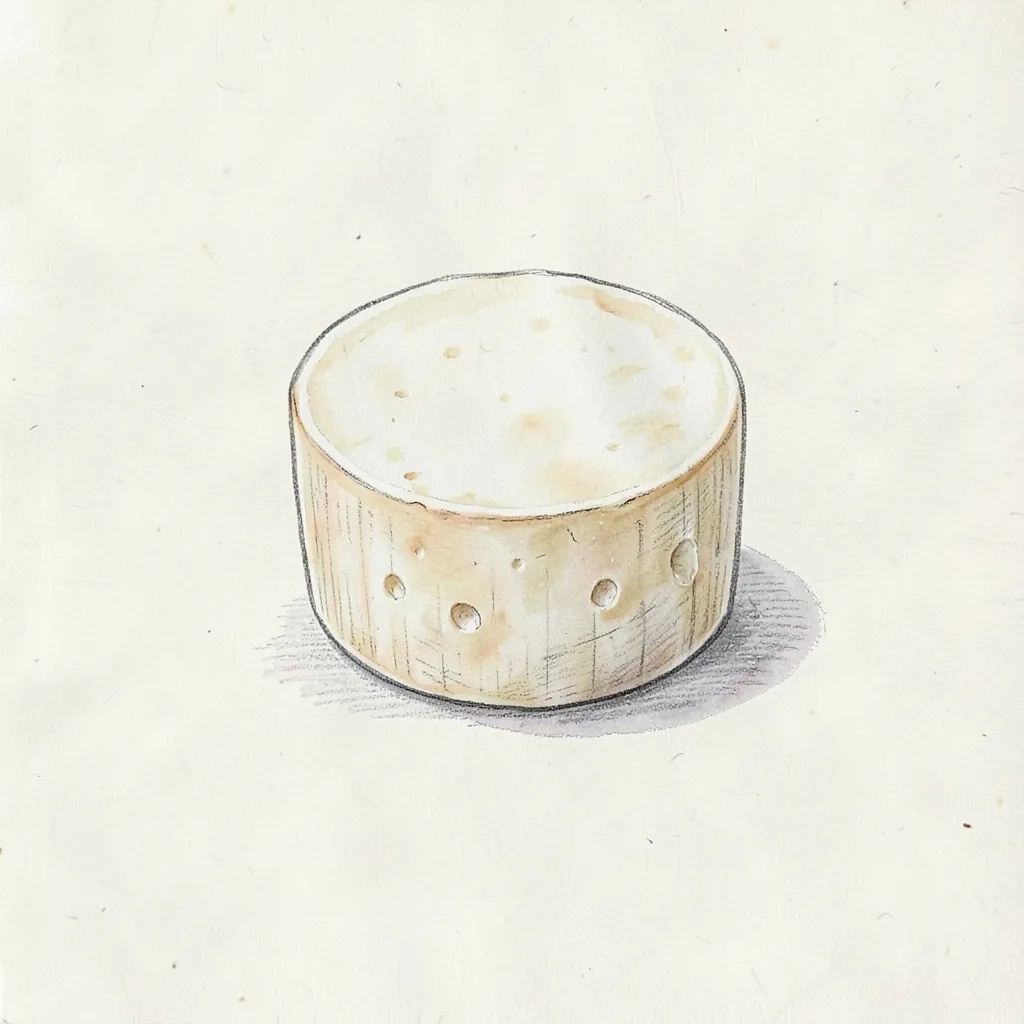
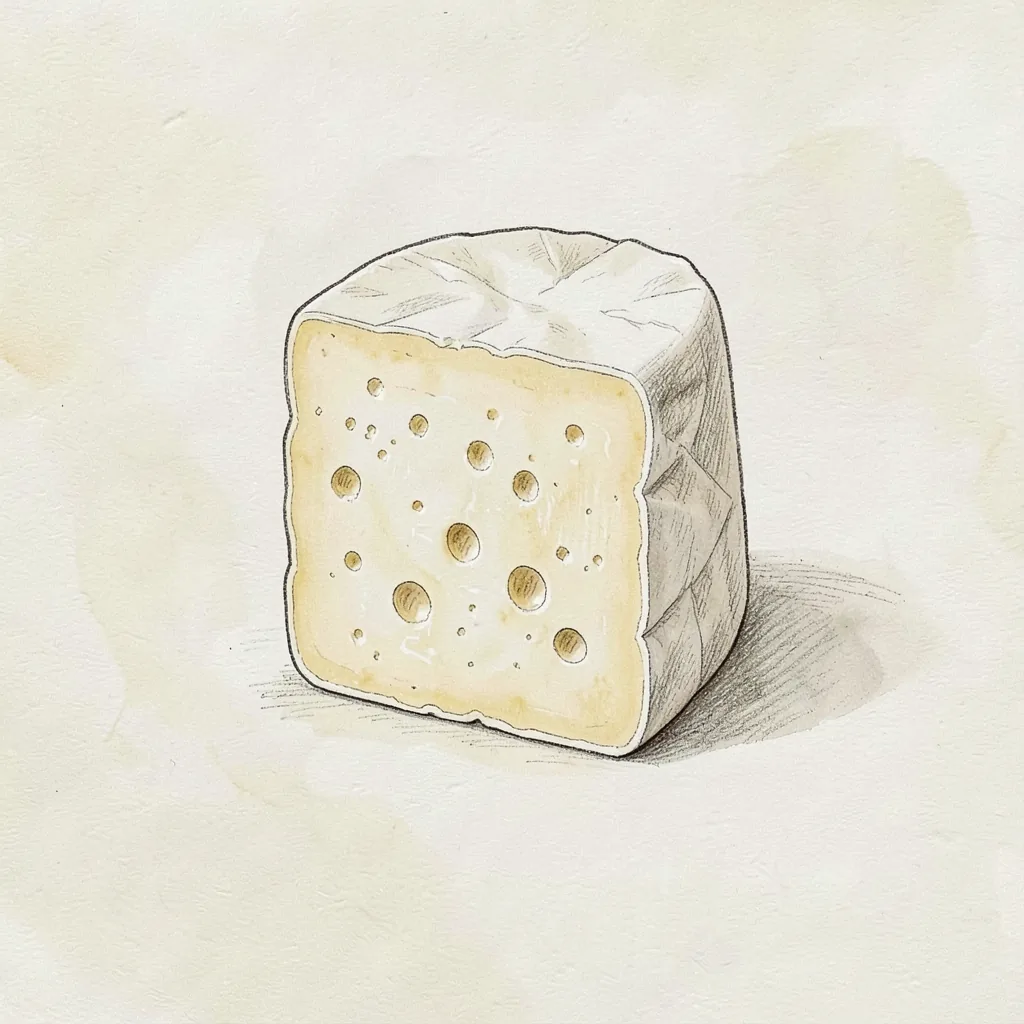
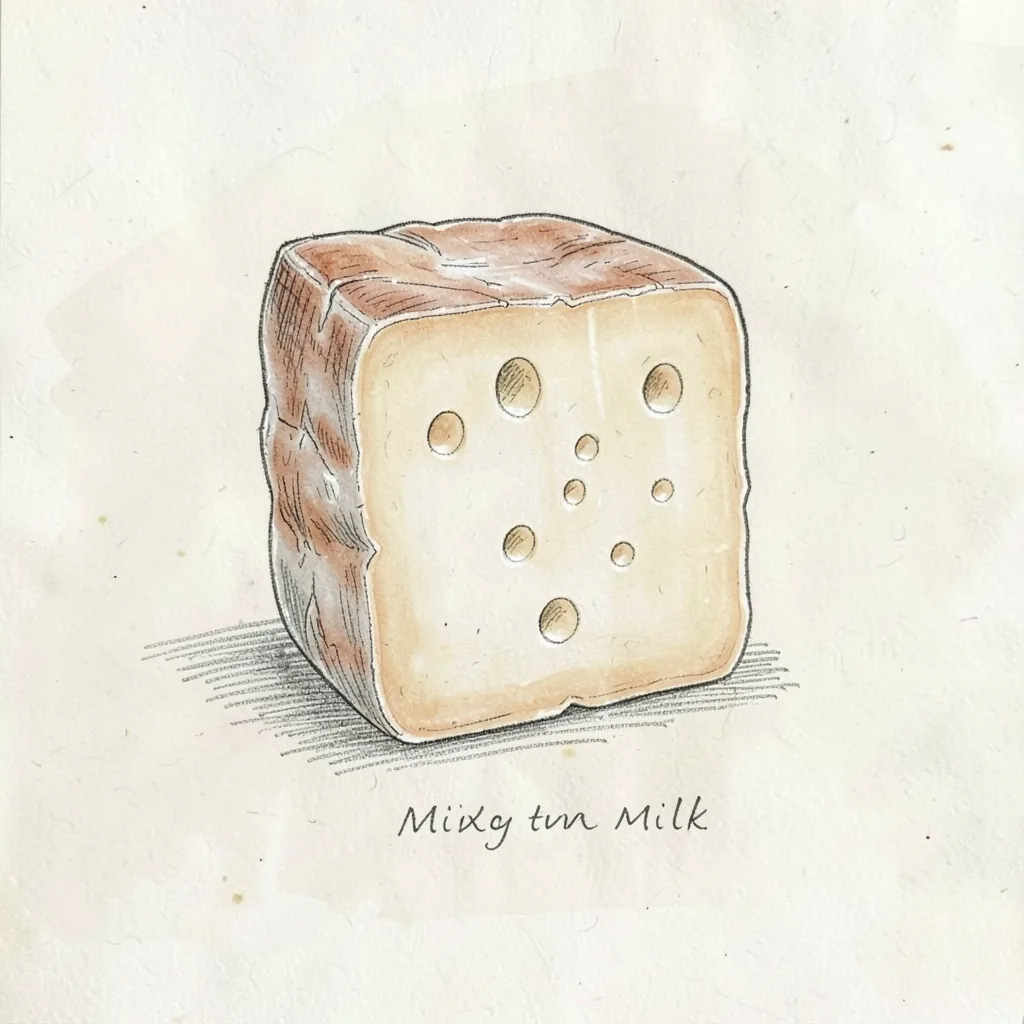
Fresh myzithra is soft, moist, and mild, more like a crumbly ricotta than like a brined slice. A dried version of the same cheese becomes salty and hard enough to grate over food. Both forms carry the name. The fresh cheese suits the table and savory pies, and the dry cheese suits the grater.
The milk identity is mixed because flocks in Crete may be sheep, goats, or both, and the whey follows the flock. Some batches also include a portion of whole milk so the curd is richer. Fresh cheese is only lightly salted or not salted, which keeps it sweet and milky. Dried myzithra is salted and loses moisture until it is firm. There is no bloomy rind on the fresh cheese, and what you taste first is clean whey rather than a washed surface.
History
Whey cheeses are an old answer to a practical problem, and myzithra is the Cretan and wider Greek version of that answer. After a firm cheese is made, the whey still holds protein, and heating it brings a second curd. Shepherds and small dairies did not waste that second curd. They ate it fresh or dried it for later. The practice is tied to sheep and goat flocks in Crete, and similar whey cheeses appear under other names across Greece.
Fresh myzithra stayed a cheese of pies, breakfast, and simple sweets with honey. The dried form became a pantry cheese that could be grated when the fresh curd was gone. The name is also spelled Mizithra in many English texts, and both spellings point to the same whey cheese. It was never a blue, a stretched-curd cheese, or a washed-rind wheel. Anthotyros and manouri are Greek relatives with their own recipes, while myzithra remains the plain whey curd in that group.
How it is made
Myzithra begins with whey left from sheep's milk cheese, goat's milk cheese, or a mixed flock cheese. The whey is heated until the remaining proteins rise as fine curds. Some makers add a little whole milk so the yield is richer and the texture is less lean. The curds are lifted out and drained in cloth or baskets. Salt may be absent or light for fresh cheese, and heavier if the batch will dry, and there is no rennet step at this stage.
Fresh myzithra is packed while moist and eaten soon. Dried myzithra is salted more firmly and left to lose moisture until the ball or lump is hard and dense. That drying is storage, not a bloomy ripening, and no white mold is required. The outside may darken slightly as it dries, but it is not a washed rind. A sour fresh version exists in Crete under a related name and is tangier, while plain fresh myzithra should still smell milky.
Taste
Fresh myzithra tastes sweet, milky, and lightly tangy, with the clean flavor of sheep or goat whey and very little salt. It is gentler than feta and less rich than manouri. The texture is moist and crumbly, sometimes a bit granular, and it should not be rubbery. Honey, cinnamon, or a savory herb can sit on top without a fight. Dried myzithra is a different taste of the same curd, saltier and more concentrated, with a firm bite that suits grating.
Aroma on the fresh cheese should be warm milk, not barnyard rot and not ammonia. A sour batch is a separate style, and it will taste sharper on purpose. If a sweet batch smells yeasty or bitter, it is old. Dried myzithra should smell salty and cheesy, like a small hard grating cheese, not moldy. Color runs from bright white when fresh to a duller cream when dried, and neither form should show blue veins.
In the kitchen
Fresh myzithra goes into Cretan pies, onto bread with honey, and into simple fillings where ricotta might appear in an Italian kitchen. It can be crumbled over a salad or warm vegetables with olive oil and herbs. Because it is moist, it softens in a pie but does not stretch. A spoon of the fresh cheese on fruit is a common sweet plate. Dried myzithra is for grating over pasta, eggs, or greens when you want salt and a sheep or goat note, not for neat sandwich slices.
Store fresh myzithra cold and use it soon, the way you would use ricotta. Drain off any whey that collects, or the crumbs will be wetter than you expect. Dried myzithra keeps longer if it stays dry and wrapped, and you can grate it as you need it. It will not melt into a smooth pizza sheet. For a pie filling, salt the fresh cheese yourself if the batch is unsalted, and keep the goat and sheep character gentle.
Around the world
Myzithra is known first in Greece, with Crete as its named region, though similar whey cheeses are made in other Greek areas too. Outside Greece, it shows up in Greek markets and in kitchens that bake Cretan pies. Italian cooks will recognize the fresh form as close to ricotta, which is also a whey cheese. The dried form has fewer matches abroad, because many places eat whey cheese only fresh. If a shop has both, buy the texture the recipe names, because fresh and dried are not interchangeable.
Anthotyros is the Greek whey cheese most often confused with myzithra, and anari plays a similar role in Cyprus. Ricotta is the international substitute for the fresh cheese in fillings and sweets. For the dried cheese, a firm grating cheese such as kefalotyri is closer in the kitchen than a wet ricotta is. Manouri is richer and creamier, so it changes a pie. Read the label for sheep, goat, or mixed milk, and for fresh or dry, because those words change the dish.