Cow
What it is
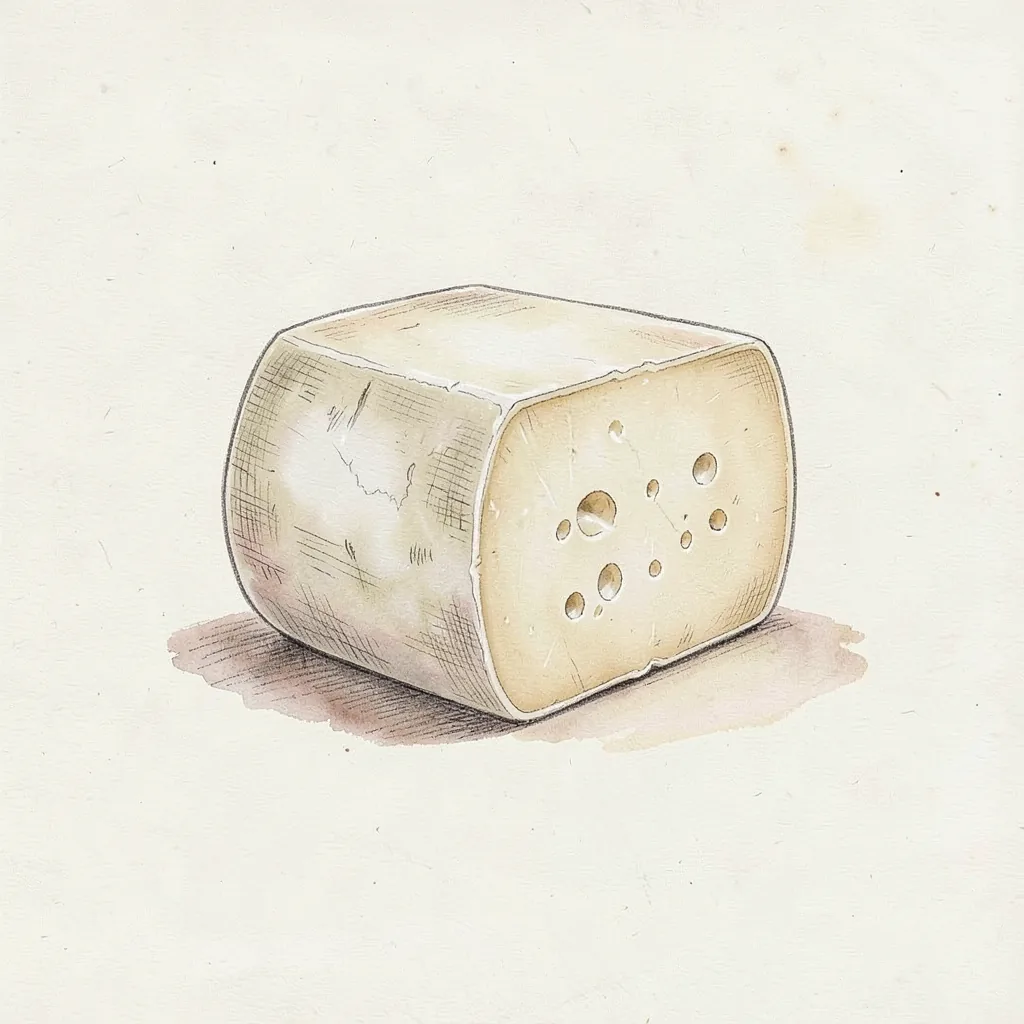
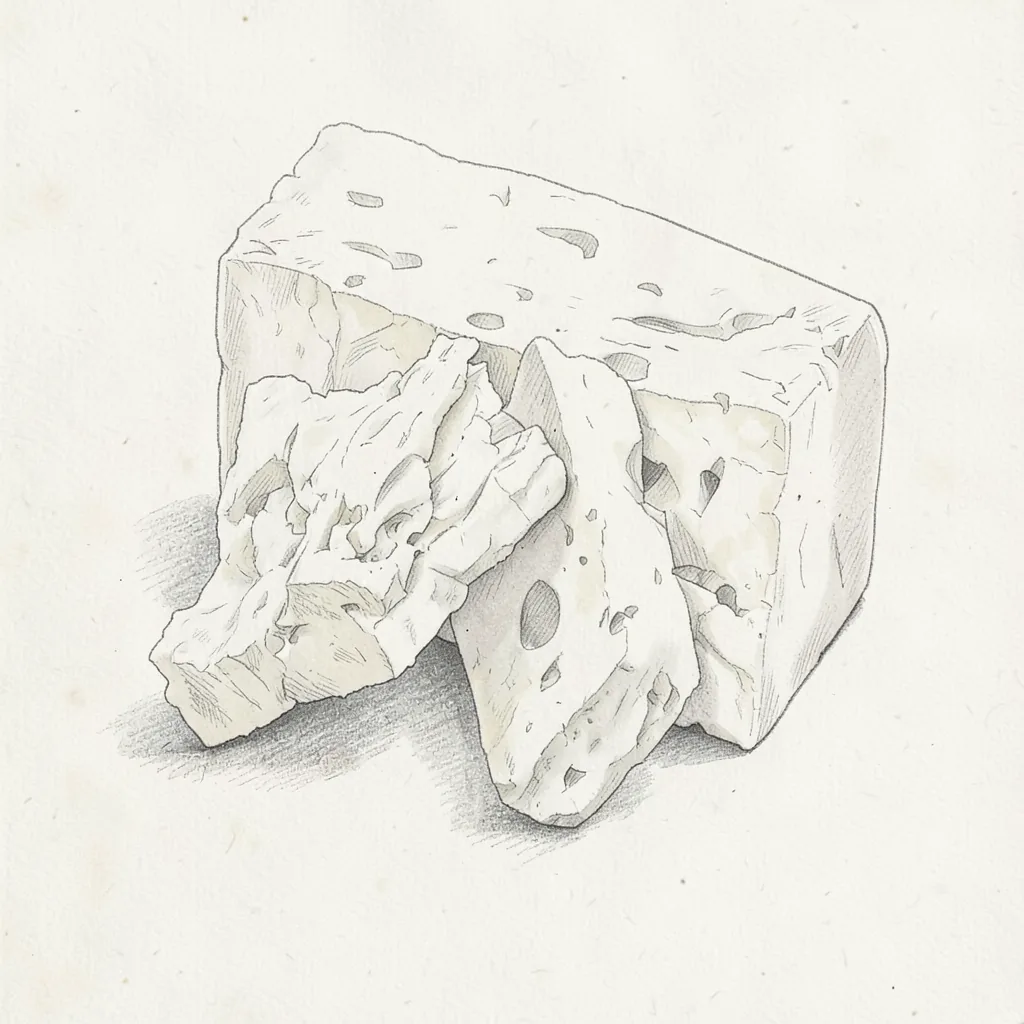
The Spanish name means aged, and it marks a fresh curd that has been kept until it dries. The paste is pale, salty, and crumbly while it is still losing moisture, then harder and easier to grate once it dries further. Many pieces are rolled in paprika or chile, which turns the outside red or orange. The interior stays white.
It is sold in blocks or small wheels, and it does not melt into a smooth pool. Heat softens it, but the pieces stay separate, which is why cooks crumble or grate it over a finished dish. The flavor is tangy and sharp, yet often gentler than a very dry cotija. Plain añejo and the chile-coated añejo enchilado are the same cheese with a different coat. Both are pantry cheeses in Mexican cooking.
History
Aging a drained curd was a practical way to keep cheese in a warm climate before cold storage was common. In Mexico that habit produced a salty, firm cheese that could be grated over everyday meals. The name añejo simply tells the buyer that the cheese is no longer fresh. Over time, a chile or paprika coat became a familiar market style called añejo enchilado. The red outside is flavor and color, not a different recipe for the paste.
The cheese sits in a family of Mexican grating cheeses, beside cotija and other dry white cheeses. Those neighbors share salt and a crumbly break, so labels matter. Añejo is not a fresh panela and not a stretched cheese for melting. It also is not a Spanish manchego, even though a hurried shopper can mix up the idea of an aged cheese. The Mexican cheese is whiter, saltier, and meant to be broken apart rather than carved in thin curls.
How it is made
Cheesemakers set skimmed milk with rennet, cut the curd, and let the whey drain off. The curd is salted and packed into molds. Pressing drives out more moisture and gives a compact body. The cheese is then kept until it firms. A shorter keep leaves a crumbly piece that breaks under a fork, while a longer keep makes a drier block that shreds or grates cleanly.
For the enchilado style, the finished cheese is rolled in paprika or ground chile. The coat clings to the outside and adds a mild heat, depending on the pepper, while the center is not mixed with spices. No stretching step is used, and the cheese is not washed in brine like a soft washed-rind cheese. Salt and time do most of the work, and the result is a pressed cheese built for crumbling.
Taste
Expect salt first, then a tangy, savory finish that recalls other dry grating cheeses. The paste is bright white and breaks into small grains when it is not fully dry. Fully aged pieces feel harder and taste more concentrated. The chile coat, when present, smells slightly sweet and peppery before you reach the cheese itself. Bitterness should stay low, and the finish should be clean rather than sour.
Añejo is often milder than aged cotija, though both are salty. It is less sweet than a young melting cheese and less buttery. If the outside is red, the first bite can taste more of paprika than of the paste. Scrape a little coat away if you want the plain cheese. A damp, sour smell means the piece was stored poorly, and a clean salty scent is the normal one.
In the kitchen
Crumble or grate añejo over enchiladas, tacos, tostadas, beans, and salads. It is a finishing cheese more than a sauce cheese. Because it does not form long strings or a smooth melt, do not use it as the only cheese in a toasted sandwich. You can warm it on a dish, and it will soften at the edges. Add it late so the grains stay distinct and do not disappear into the sauce.
The chile-coated style suits foods that already have some heat, such as a red sauce or grilled vegetables. Plain añejo is easier on a mild salad or a bowl of beans. Use a light hand with extra salt. Cotija can replace it when the dish only needs a salty crumble, though the taste will be stronger. Keep the block wrapped and dry in the fridge, since moisture makes the crumb spoil faster.
Around the world
Outside Mexico, añejo shows up in Latin American markets and in some larger supermarkets, usually near cotija. The two are the main point of confusion. Cotija is typically saltier and drier, and a package may even use both words in a loose way. Read the label before you cook. If the cheese is bright red, it is the enchilado coat, and the paste inside should still be pale.
Where añejo is missing, cotija is the closest swap for crumbling over a taco or a salad. A salty hard cheese such as Pecorino Romano can also be grated on top, but it will taste sharper and less mild. Feta is a softer stand-in for a salad, and it brings more brine. None of these copies has the chile coat. If the recipe wants that red outside, add a pinch of paprika yourself.