What it is
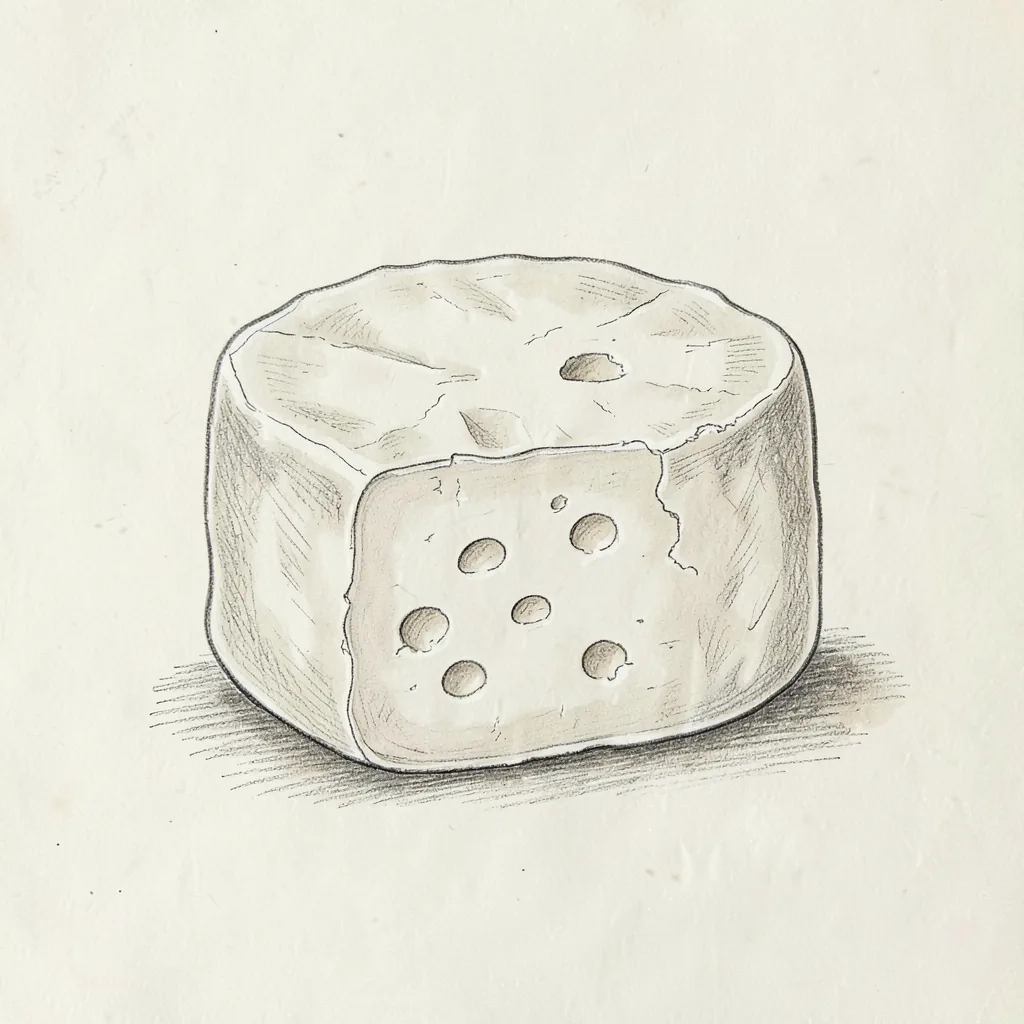
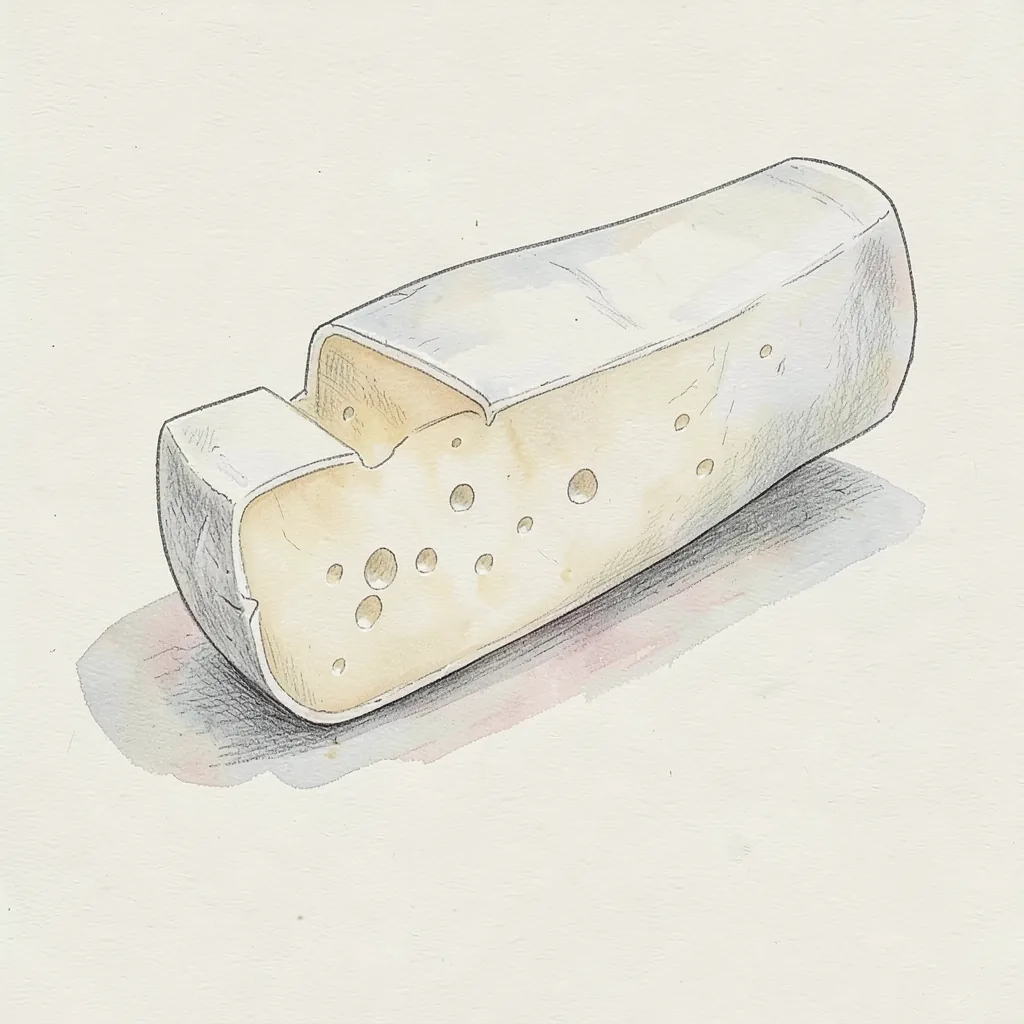
Cooks across Egypt make it from skimmed fermented milk, so the curd is lean rather than rich. The Arabic name gebna arish refers to the same cheese, and shoppers may also see the spellings karish and qareesh. It is an everyday cheese, not a long-aged wheel with a rind. You eat it soon after it is drained, while the curds are still moist and mild.
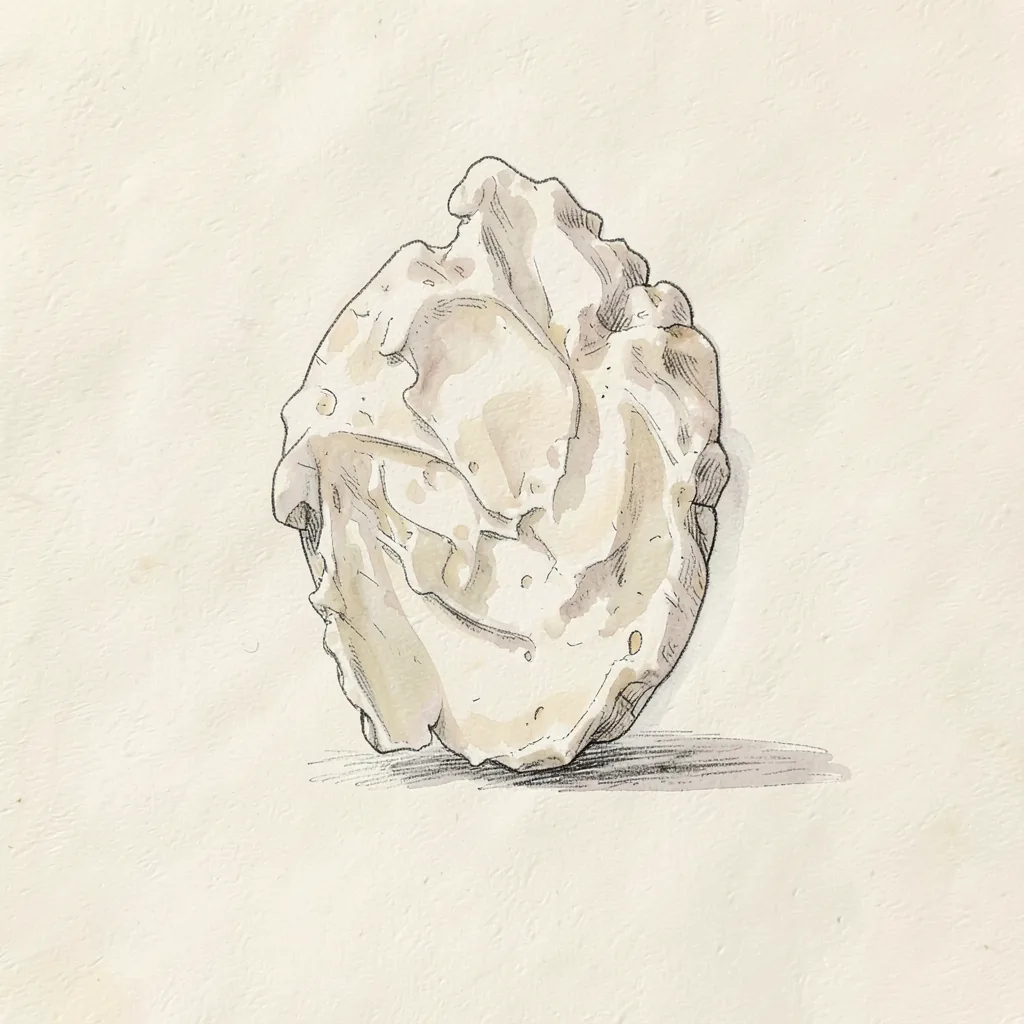
A block or loose curd on the table is mild, lightly sour, and easy to crumble with a spoon. People spoon it onto bread, fold it into salads with tomato and herbs, or sweeten a bite with honey. It is also the starting curd for mish, a much stronger fermented cheese, so the two are relatives rather than twins. In Egypt it is common home food and market food. Abroad it appears in Middle Eastern shops more often than in a standard supermarket dairy case.
History
Areesh belongs to Egyptian home dairying, where soured milk was skimmed and the cream went to butter. The leftover milk was too useful to waste, and a gentle heat turned it into a simple curd. That path made a cheese that both rural kitchens and city kitchens still recognize. No single town owns the method, and the origin to name is the country itself. Families still make it, and dairies still sell it, under more than one spelling.
The cheese stayed in daily use because it comes from milk that has already given up its fat. It did not need a cave, a long store, or a famous dairy house to make sense. Over time it also became the base for mish, which takes the fresh curd and ferments it into a sharp preserve. Writers in other Arab countries mention similar fresh curds, but areesh is the Egyptian name to use. Treat it as a living staple, not as a food from a closed chapter of the past.
How it is made
Makers start with skimmed milk that has been left to sour into a fermented drink. Gentle heat then separates the curd from the whey, and the curds are scooped out. They drain until they hold together but still crumble under a spoon. Salt may be mixed in by the maker, or it may wait until the cheese reaches the table. The path is short, and the cheese is ready when the whey has run off, without pressing, washing, or a bloom rind.
Home batches and dairy batches follow the same idea, with cleaner tools in a shop version. Because the milk is skimmed, the curd stays lean and bright white. Draining in cloth or a basket sets the texture, and a longer drain makes a drier crumble. Do not confuse this fresh cheese with mish, which needs a further ferment and tastes much stronger. Keep areesh cold, and use it while it still smells clean, because a harsh sour smell means it is too old.
Taste
Fresh areesh tastes mild, tangy, and clean, with the light sour note of the fermented milk behind it. The low fat keeps the flavor short rather than buttery or lingering. Salt depends on the maker, and some pieces taste almost bland until you add a pinch at the table. The crumb is moist, not rubbery, and it breaks with a spoon or a fork. A very fresh tub is the one to buy, because dried-out curds lose the mild charm and taste dull.
What you add changes the plate more than the cheese changes the dish. Tomato, cucumber, oil, and herbs make the curd savory, and honey makes a simple sweet. On its own the cheese will not shout, and that quiet role is the point of a fresh skimmed curd. Mish, made from the same curd, is salty and fermented, so do not expect that punch here. If a label only says cottage cheese, read further before you assume the tub is Egyptian areesh.
In the kitchen
Crumble areesh over a chopped salad, or mash it with tomato, pepper, and herbs for a spread on bread. It can fill a pastry or sit beside beans and oil as a light meal. Heat will soften it, but it does not melt into a smooth sauce the way a cooking cheese does. Use it as a fresh curd, not as a cheese for the grater. Add it near the end of a hot dish if you want the curds to stay visible.
For a shared plate, pair areesh with flatbread, raw vegetables, and a drizzle of oil. It is a poor choice for a burger melt or a pasta bake that needs a flowing cheese. Cottage cheese from a local shop can stand in when areesh is missing, though the grain and the salt may differ. Buy mish when a recipe wants the sharp fermented flavor, because it will not act like the fresh curd. Keep the fresh cheese covered, and finish the tub while it still smells pleasant.
Around the world
Areesh is best known in Egypt, and it also shows up wherever Egyptian groceries serve home cooks abroad. The same idea, a skimmed fresh curd, exists under other names, which is why labels can confuse a shopper. Cottage cheese is the international lookalike, and many speakers use the two names for one another in daily talk. That overlap helps you shop, but a salted imported tub may not match a market cheese at home. Buy the Egyptian product when the recipe is Egyptian and the curd should taste familiar.
Outside those shops, cooks can use cottage cheese, farmer cheese, or another plain fresh curd and adjust the salt. None of those is areesh, but each can play the fresh crumbly role on bread or in a salad. Do not substitute a brined Egyptian cheese such as domiati and expect the same mild crumble. Domiati is salty and holds together in a different way, so it suits other dishes. Mish is the aged, strong end of this family, and areesh stays at the fresh end.