Cow
What it is
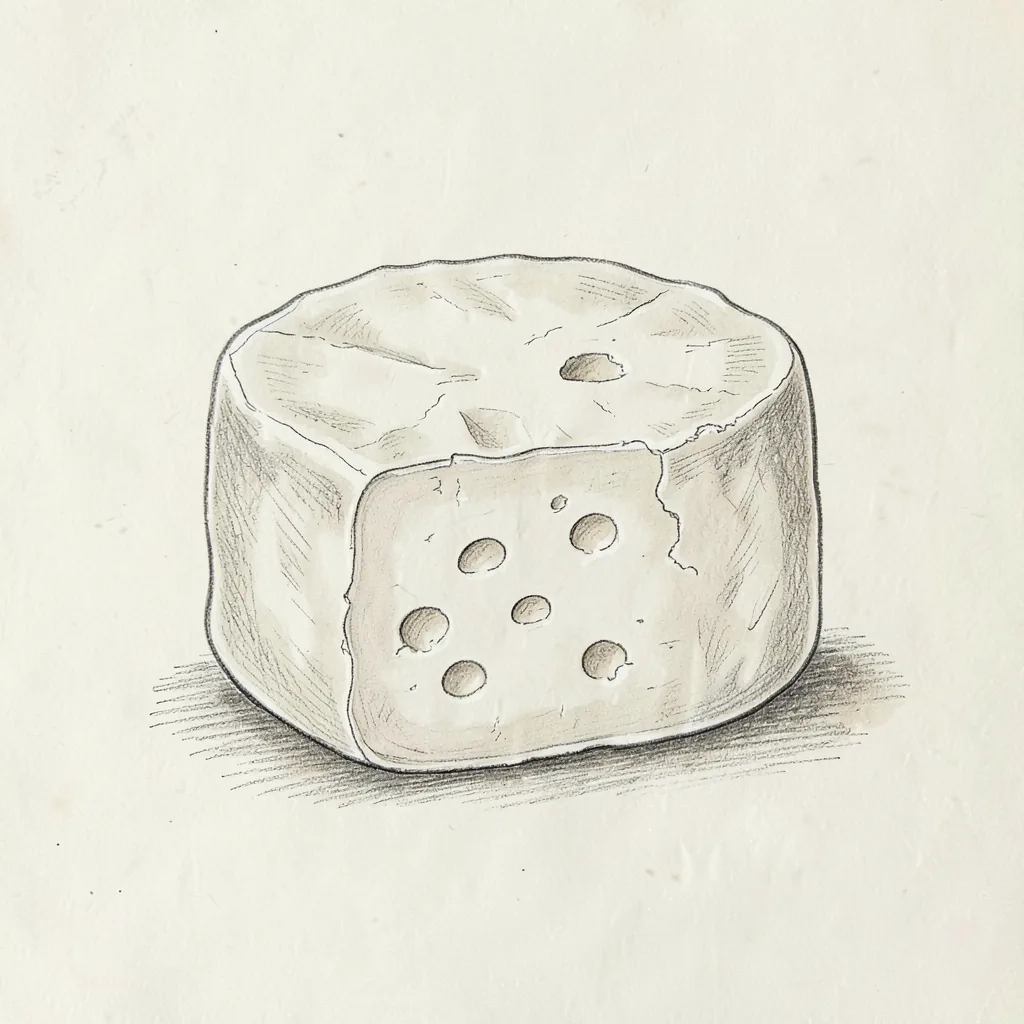
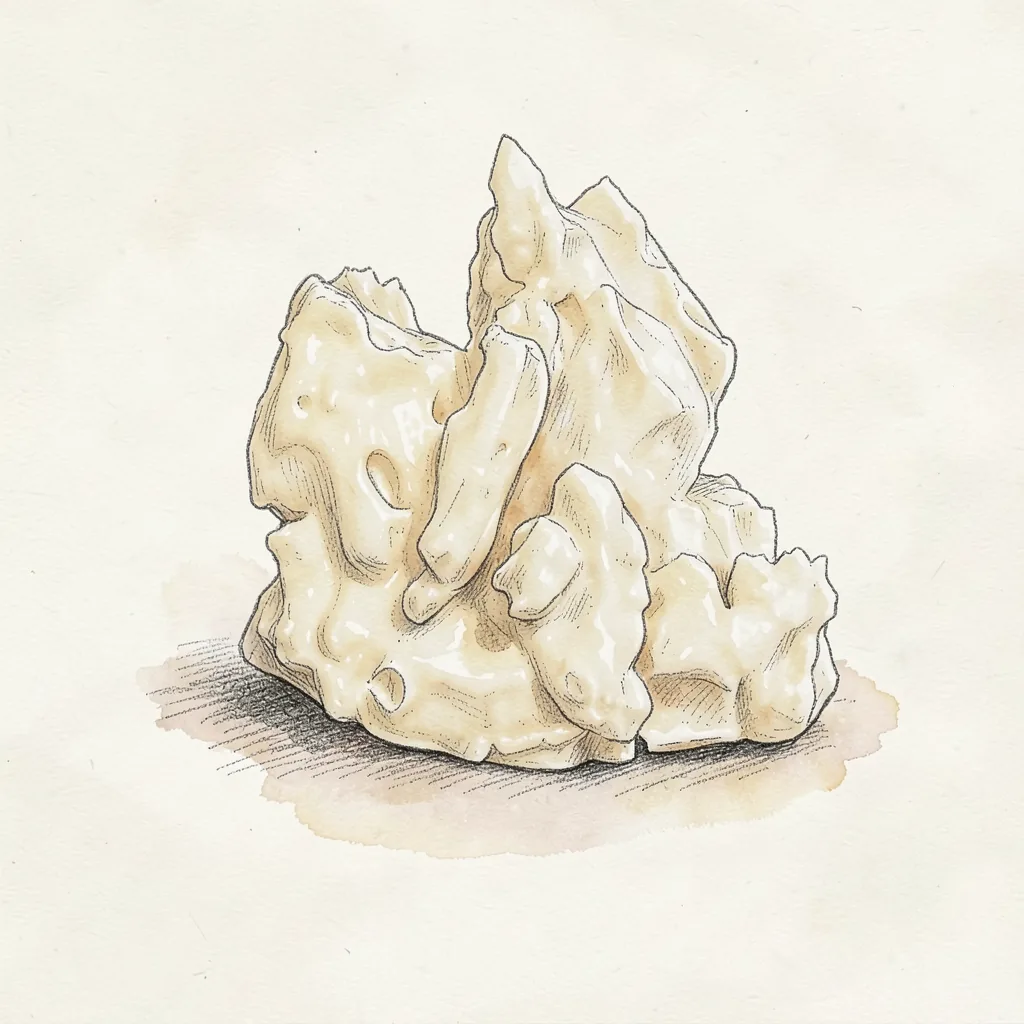
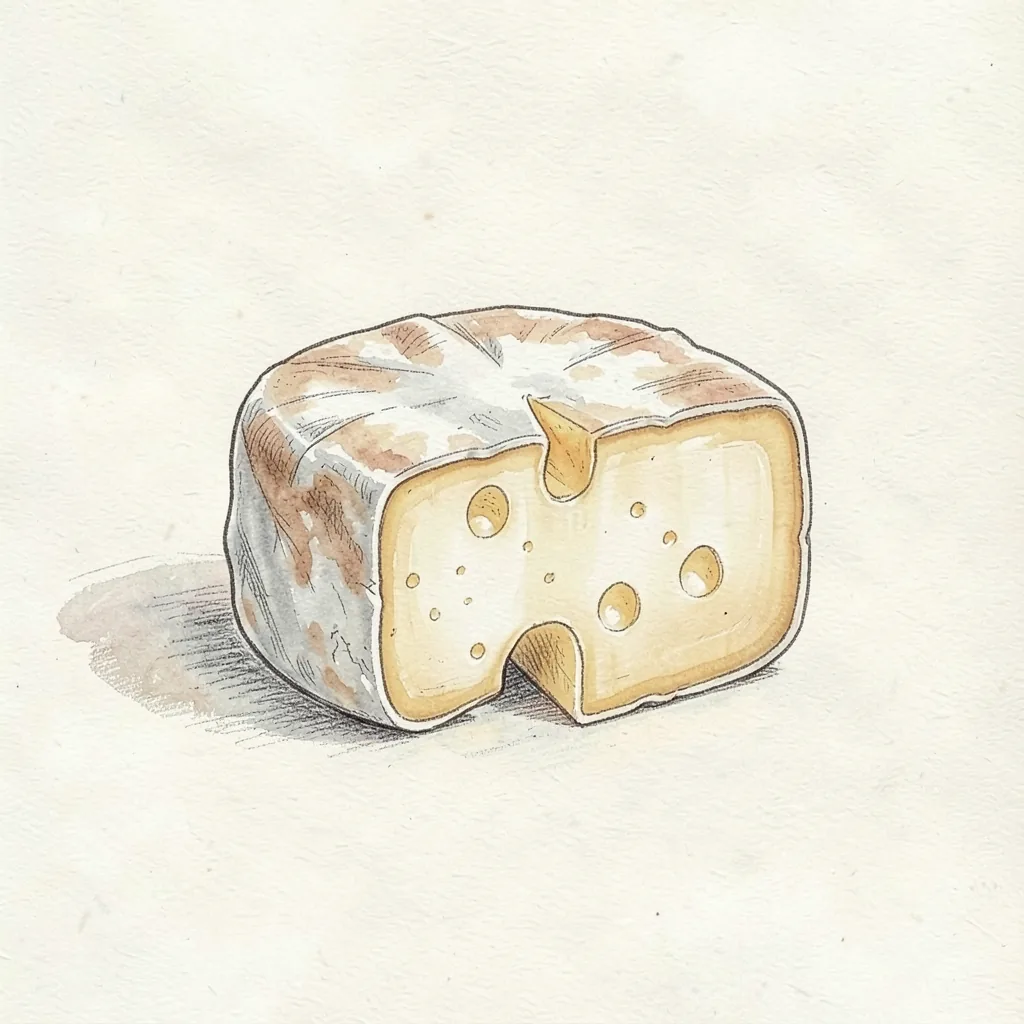
The result is white, mild, and crumbly, firmer than cottage cheese and drier than a spoonable fresh cheese. It has no rind and no surface bloom from aging. The taste is lightly tangy and milky, with a clean dairy smell. American kitchens use it as a pressed form of cottage cheese, both for eating plain and for cooking in savory or lightly sweet dishes.
A loosely pressed block crumbles into moist grains, and a firmly pressed block can be sliced into thick pieces. Both are still farmer cheese, and the difference is how much liquid the maker removed. Labels may say farmer's cheese, with the extra letter, and that is the same product. It is not cultured cream cheese, and it is not a salty brined white cheese. The dry fresh curd is the whole idea, so keep it cold and use it while the taste is still fresh and clean.
History
Pressed fresh curds are an old farm habit, because draining the whey helps the cheese keep a little better than loose wet curds. In the United States, that habit settled into the grocery name farmer cheese, and the cheese stayed simple. No single region owns one famous wheel, and no rind or wash defines it. Dairies sell it in blocks, tubs, and logs beside cottage cheese. The link to cottage cheese is the clearest part of its story in American shops.
Cooks from other countries brought their own drained fresh cheeses into American kitchens, and those habits widened the use of this style. The United States name still points to the dry curd sold as farmer cheese, not to every fresh cheese in the world. Recipes for blintzes, noodles, and filled pastries often call for it. Those dishes made the cheese familiar far beyond farms. The modern tub is a creamery product with the same plain purpose: a mild curd, pressed and ready to use.
How it is made
Milk is set into curds, often in the same broad way as cottage cheese, with acid and sometimes a little rennet. The curds are cut and drained, and some makers warm them gently before the whey runs off. Pressing is the step that makes farmer cheese. Weight or a hoop squeezes out whey until the mass holds together. Salt may be mixed in, or the cheese may be left almost unsalted, with no rind treatment and no ripening room full of molds.
How hard the cheese is pressed decides the texture you buy. Light pressure leaves a crumbly, moist curd that breaks into small grains, while heavier pressure makes a tighter block that a knife can slice. Some batches are smoothed until they spread, but they stay drier and fresher in taste than cream cheese. The cheese is not aged on purpose, so the flavor stays mild, with no mold rind, smear, or long brine. Once it is made, it is ready to eat.
Taste
The flavor is mild, milky, and a little tangy, like cottage cheese without a wet creamy dressing. Salt is low unless the maker added more, so some blocks taste almost sweet. The texture is crumbly or sliceable, with small moist grains that pack under a knife, and the aroma is fresh and clean. There is no mushroom rind, no blue vein, and no sharp bite from long aging. A sour or yeasty smell means the block has sat too long and should not go into a mild dish.
Moisture changes the eating more than any other detail. A damp crumb tastes softer and more lactic. A dry block tastes milder and more neutral, and it can feel sandy if too much whey was removed. Neither version is rich in the way a cream-thickened fresh cheese is. Plain farmer cheese tastes of fresh curds, not of herbs or a butter sauce, unless a flavor was mixed in later, and a harsh or bitter block should be replaced with a fresher one.
In the kitchen
Farmer cheese crumbles over salads, toast, and fruit, and it holds together better than wet cottage cheese. It fills blintzes and other dumplings, where a dry curd will not flood the dough with whey. It can go into pancakes, simple cheesecakes, and noodle bakes. Because loose whey is already low, batters stay thicker. The cheese does not melt into a stretchy sheet, though heat softens it and a spoon of liquid can make it creamy if you stir while it warms.
Season the cheese yourself, because a plain block is a quiet base. Salt, pepper, dill, or a little honey can lead it toward a savory plate or a sweet one. For a spread, mash it with oil and herbs until it loosens. For a sweet filling, mix in egg or a spoon of cream so the curd does not stay powdery. It can replace cottage cheese when a dish needs less moisture, but taste as you season, since it will not salt the food on its own.
Around the world
In the United States, farmer cheese is a standard fresh cheese, though some shoppers still have to ask for pressed cottage cheese. It sits near cottage cheese and hoop cheese in the dairy case, and those names overlap in older American usage. Farmer cheese is the drier pressed curd of that group. Abroad, a traveler may not find this exact label on the tub. Look for a drained fresh curd, and remember that this profile means the American grocery cheese, not another national specialty.
Quark, tvorog, and ricotta can do some of the same kitchen work, and each one differs in moisture and tang. Quark is often smoother and easier to spoon. Tvorog is the fresh curd many filled pastries from Eastern Europe expect. Ricotta is usually wetter and milder in a sweet, milky way. If a recipe says farmer cheese and the shop has only cottage cheese, choose a well-drained curd instead of a salty aged cheese, because moisture decides whether that swap works.