Cow
What it is
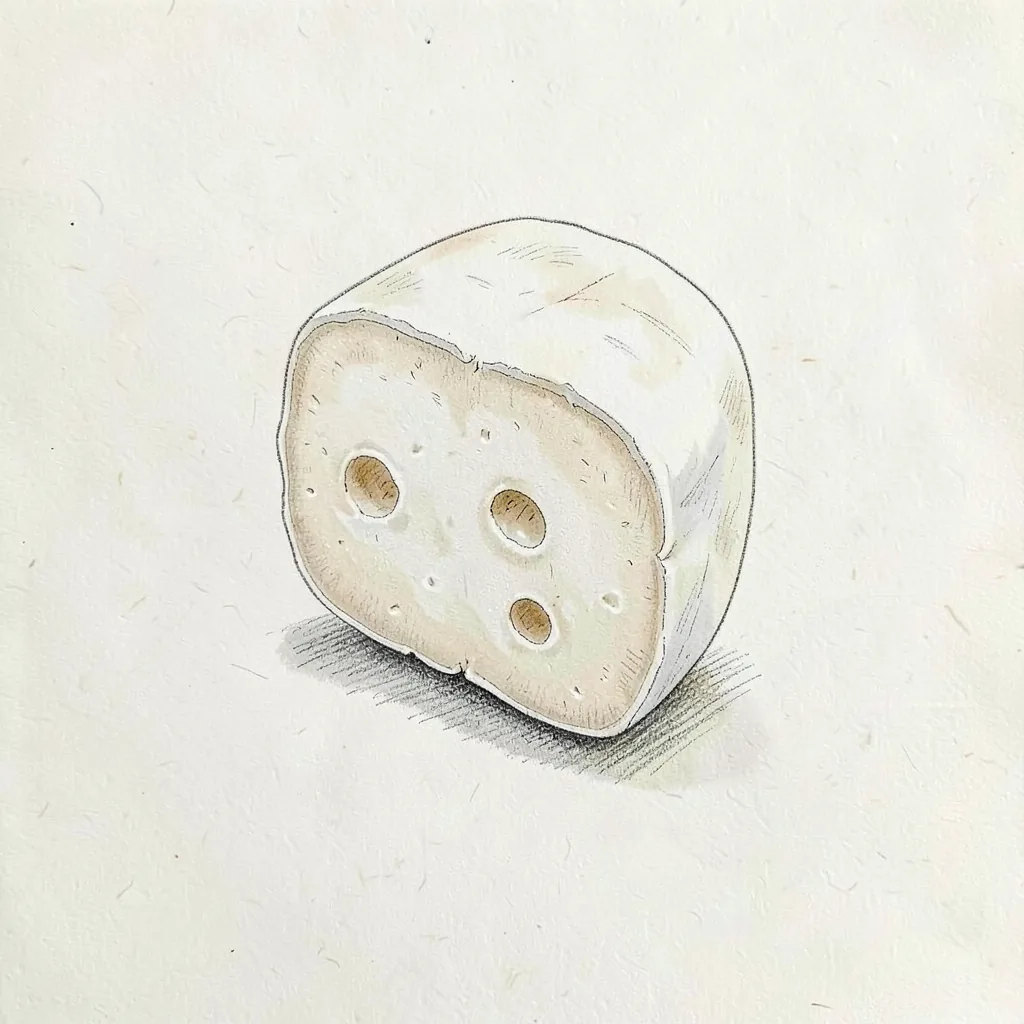
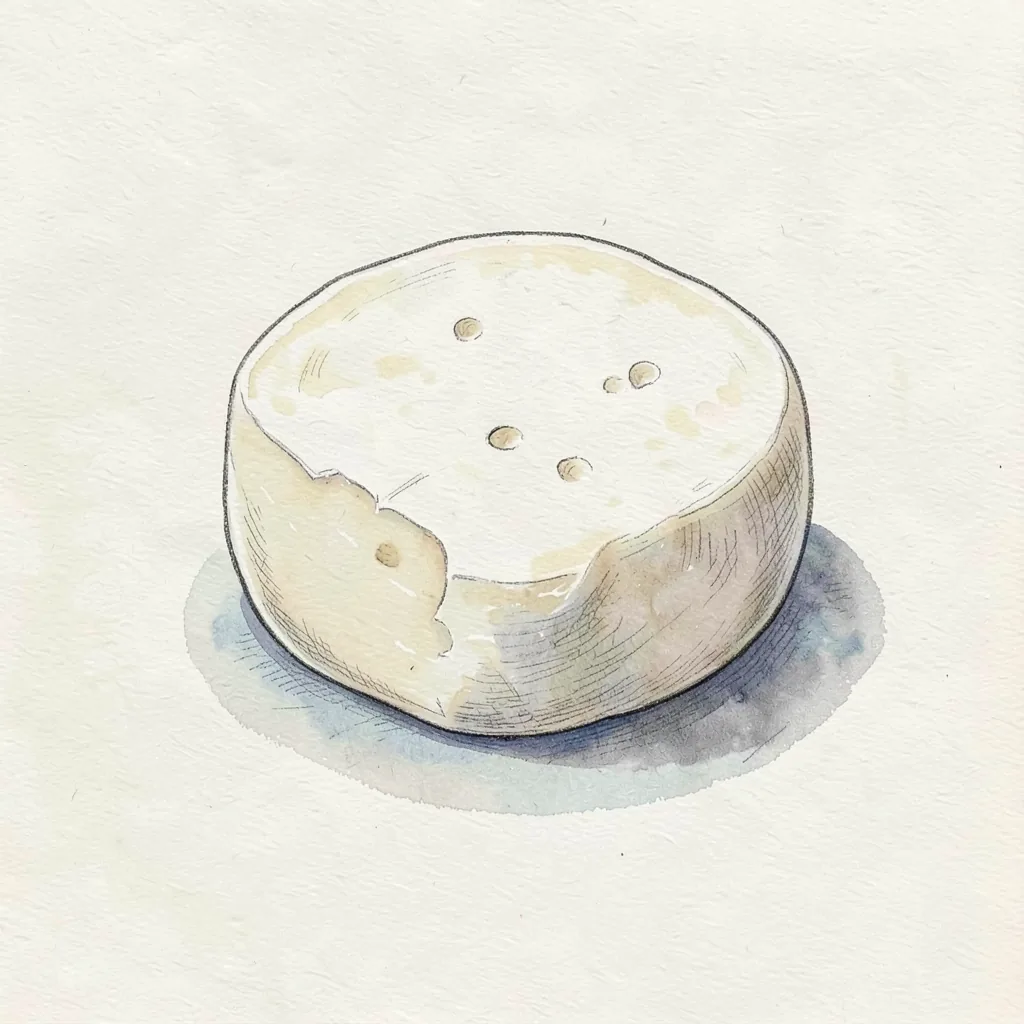
The name comes from a former Portuguese settlement in the east of the country, where this style of cheese took shape. Milk is curdled, drained, and salted heavily, then often smoked. The usual piece is a small thick disc, not a large aged wheel. Plain cheese is pale, and the smoked kind is brown and much more aromatic on the plate.
The texture is crumbly and a little dry, closer to a salted curd than to a cheese that melts in sheets. Smoke, when it is used, sits on top of a sharp salty taste. A little goes a long way in a home dish. The unsmoked cheese is milder and closer to other fresh Indian curds. Both styles are eaten soon, or kept for a while, because the salt helps them last in a warm climate.
History
Portuguese settlers in eastern India are credited with starting this cheese, using local cow's milk and a simple acid curd. Cooks in the region learned the method and kept it after the old colonial trade faded. It never became a mass-market block sold in every Indian city. For a long time it stayed a specialty of a few makers and a few shops. That small scale is why many people in India know the name and have still never tasted a piece.
Smoking became part of the style as a way to add flavor and help the discs keep longer. A plain pale version remained beside the brown smoked one, and both still appear. Production has moved among small workshops, but the cheese is still made in India rather than as a factory copy abroad. Interest has grown again among cooks who want a local cheese with a strong taste. The method stays simple: curd the milk, salt it, shape it, and often smoke it.
How it is made
Fresh cow's milk is curdled with an acid, such as lemon juice or another sour liquid the maker prefers. The curd is kneaded or pressed to drive off whey, then shaped into small discs. Salt is worked in generously, which firms the paste and acts as the main way to keep it. Some discs are left plain and pale. Others are dried and smoked over a slow fire until the outside turns brown and the smell is pronounced.
There is no long ripening with rind molds, and there is no brine bath. The cheese is essentially fresh, even when the smoked discs feel dry and firm. Cloth or small basket molds give the round shape. Because recipes stay with individual makers, the acid and the smoke can differ from batch to batch. A good piece is clean and salty, with a strong aroma in the smoked style and a quieter one in the plain style.
Taste
Smoked Bandel is salty first, then smoky, with a tang from the acid-set curd. The paste crumbles rather than bending into a slice. Cream and butter are not the main impression, the way they are in a soft French cheese. The smoke can remind you of a hearth fire, and it lingers after the salt fades on the tongue. If a piece tastes only of harsh smoke and nothing of milk, the balance has tipped too far and the cheese will dominate a dish.
Plain Bandel is milder, milky, and still clearly salted. It can seem closer to a firm fresh cheese than to the smoked discs sold beside it. Neither style is sweet, and neither tastes like an aged mountain cheese. The finish is savory and direct, with little perfume beyond salt, tang, and smoke. Taste a crumb before you season a whole pot, because the cheese already brings plenty of salt of its own.
In the kitchen
Crumble smoked Bandel over rice, eggs, salad, or cooked vegetables when you want salt and smoke in one step. It does not melt into a smooth sheet, so do not treat it like a cheese for pizza. The plain version can be cubed into a spiced vegetable dish or a salad where a very mild curd would disappear. A small amount seasons a larger plate. Pair it with tomato, onion, or fresh herbs that can stand up to the salt.
Crush a dry disc and stir it in near the end of cooking so the smoke stays bright. You can brush off loose surface salt if a piece is fiercer than you want, though a heavy salt level is part of the style. Keep the cheese wrapped and dry, not sitting in water in the refrigerator. Think of it as a seasoning as much as a main cheese on the table. On a board, offer tiny pieces rather than thick slices that would be too much at once.
Around the world
Bandel is still mostly an Indian specialty, and many shops outside India do not stock it at all. Cooks who know it often buy from sellers in India or from a shop that carries regional foods. The smoked discs travel better than a very wet fresh cheese, because salt and drying firm them. Read the label so you know whether you have the plain kind or the smoked kind. They do not season a dish in the same way, and a mix-up will change the plate.
Paneer is the usual substitute, and it is much easier to find, but it is unsalted and it does not carry smoke. Chhena is another fresh Indian curd, softer and used more often in sweets than in salty cooking. If you need a smoky note, smoked salt with paneer is only a rough kitchen patch, not the same cheese. For a salad, any salty crumble can fill the gap, with less of the original character. Say which style you wanted so the dish does not turn mild by accident.