Cow
What it is
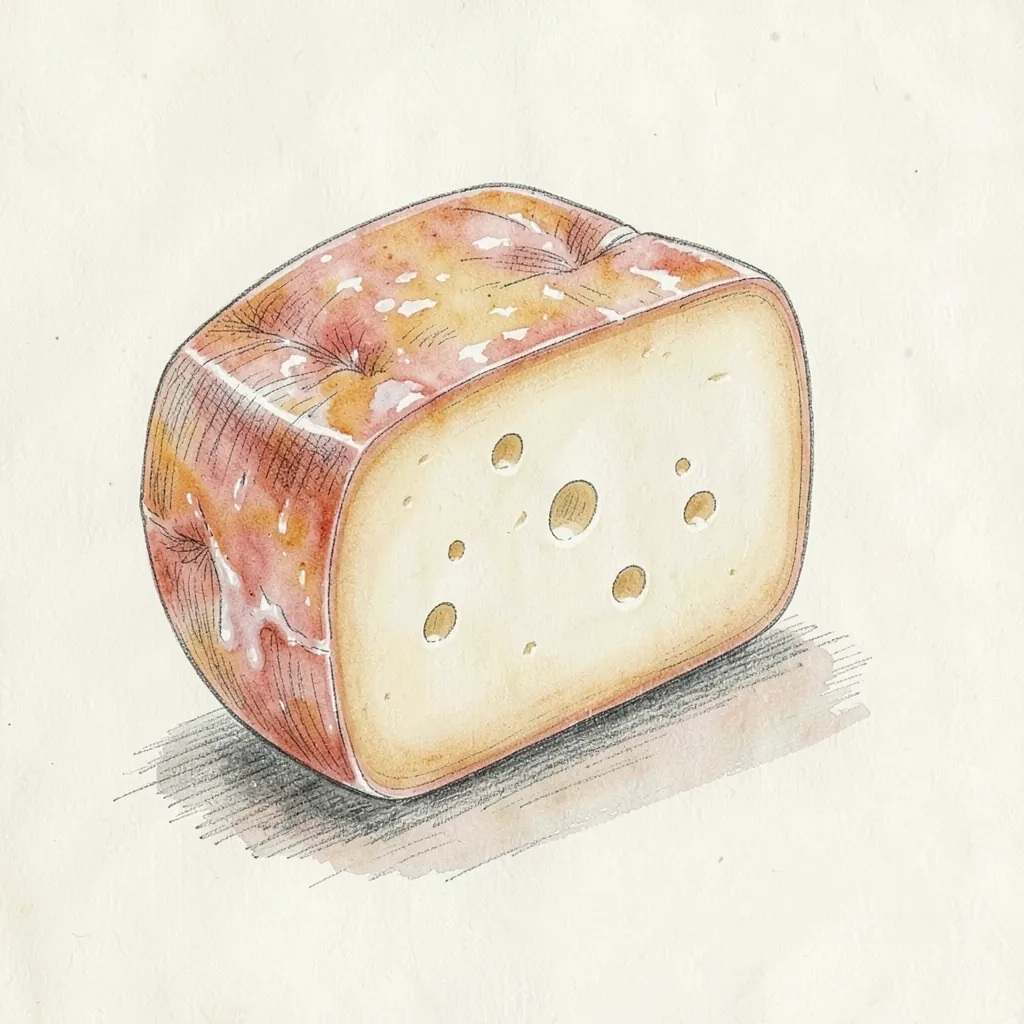
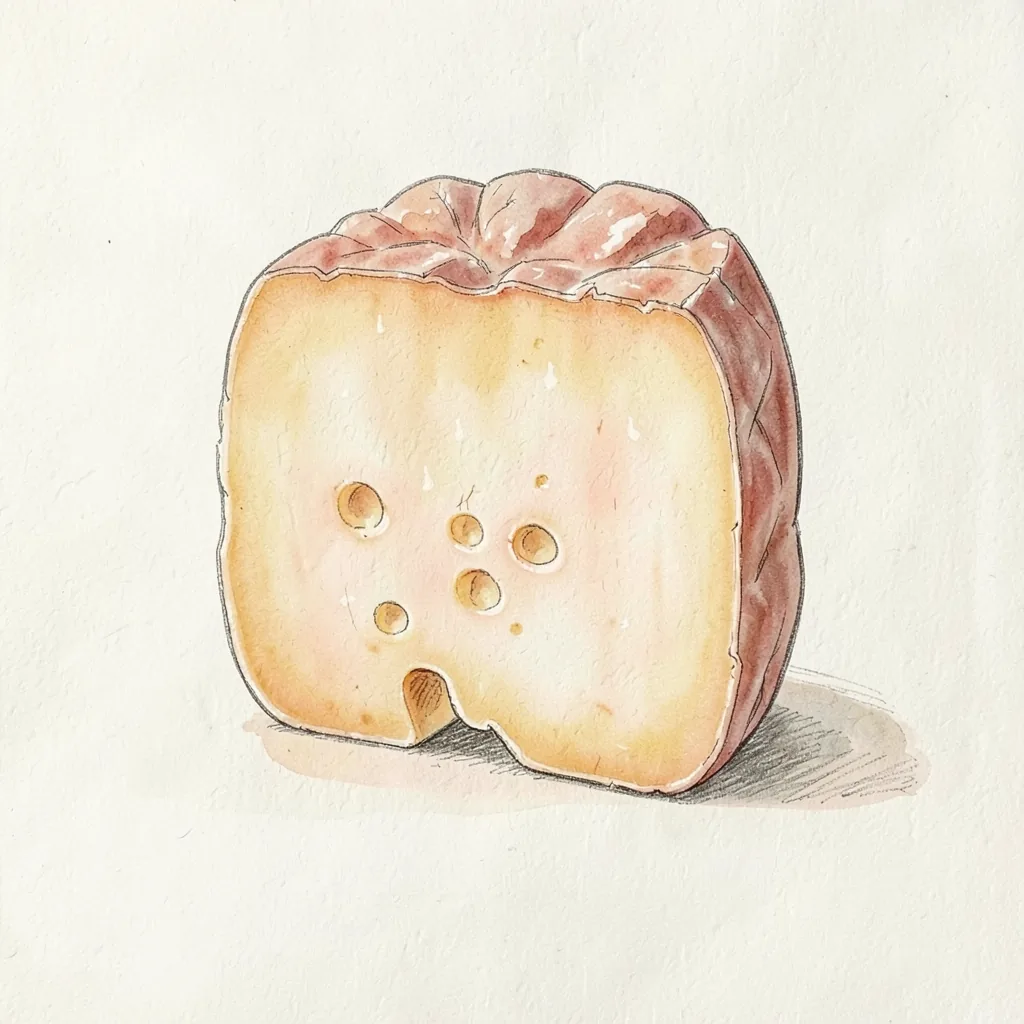
It is made from skimmed milk, so the paste has very little fat, and it is salty, sharp, and strongly aromatic. The color is pale yellow, sometimes with a slightly darker edge, and the body is soft and a bit crumbly. It is a matured cheese, not a fresh curd and not a hard wheel for grating. The name points to Brussels, where it was long sold in the markets.
Buyers meet a lean, pungent cheese, closer to an old market food than to a creamy dessert round. A small bite carries a lot of salt and aroma, which is why portions stay modest. In Belgium it is sometimes mashed with fresh white cheese to make pottekees, a spread that softens the edge. The cheese itself remains sharp. It is uncommon outside Belgium, and even at home it is a specialty rather than an everyday loaf.
History
Brussels cheese began as a local food of Belgium, sold in the markets of Brussels under French and Dutch names. Skimmed cow's milk from the dairying country around the city was drained, salted, and washed until the cheese turned pungent. Cooks mixed it with fresh white cheese, shallot, and sometimes lambic or gueuze to make pottekees, a spread for bread. The cheese itself stayed salty and strong. It was cafe and kitchen food, not a luxury wheel for a formal board.
Small dairies that kept the old method closed over time, and the cheese became rare. A later Belgian dairy took up the make so the tradition would continue, and the cheese is still produced. Buyers today may know the smell from older relatives more than from their own fridge. The names ettekees and hettekees survive in local speech, beside fromage de Bruxelles on the label. It remains a Belgian cheese, tied to Brussels by name and by the way people still eat it on bread.
How it is made
The make starts with skimmed cow's milk, set as a lactic curd with cultures and rennet. The curd is drained until it is firm enough to shape, then salted. During maturation the cheese is turned and washed in salt water, which builds the strong aroma. There is no blue mold, no beer in the standard cheese, and no pressing into a dense wheel for grating. It finishes as a small portion, soft and slightly crumbly, with very little fat in the paste.
Beer is a partner on the table more than an ingredient in the cheese. Some traditional spreads stir the finished cheese with gueuze, but the cheese itself is milk, salt, cultures, and rennet. Maturation can continue after packing, so a piece may smell stronger as it sits. The pale paste can look almost translucent near the edge, with a slightly darker rim from the washes. Makers sell it in small packed portions rather than as a large cut wheel, which suits the strong taste.
Taste
The first impression of Brussels cheese is the smell, which is powerful, savory, and meaty. The taste is very salty, tart, and sharp, with a long finish and sometimes a citrus-like edge. Because the milk is skimmed, the paste is not creamy or rich. It feels soft, lightly crumbly, and lean on the tongue. A small bite is the usual serving, and people who expect a mild buttery cheese will find this one fierce.
Color is a poor guide to strength, because the paste stays pale yellow even when the aroma is huge. A slightly darker rim shows the washed surface, not a thick rind you must cut away. There is no blue vein and no sweet nutty center. Salt is the main flavor, backed by the tang of the matured curd. If a piece smells only mild, it may be very young or tightly wrapped, and a fully matured piece announces itself before you taste it.
In the kitchen
Serve Brussels cheese in small amounts on sturdy bread, often with radishes, chives, or a little onion. The classic way to soften it is to mash it with fresh white cheese and a shallot, and sometimes a splash of gueuze or lambic, to make pottekees. That spread is milder than the cheese alone and still tastes clearly of it. Coffee, gueuze, and brown Belgian beer are traditional partners. Do not melt a large handful into a sauce, because the salt will dominate and the low fat will not turn creamy.
You can crumble a little over a salad or a baked potato when you want a salty accent. It is not a grating cheese and not a cheese for the grill. Taste the dish before you add more salt, because the cheese is already very salty. Store it well wrapped and away from mild foods, since the aroma travels in a fridge. If you only have a fresh unsalted cheese, salt alone will not copy this matured flavor.
Around the world
Brussels cheese is little known outside Belgium, and even at home it is a specialty rather than a daily staple. Travelers meet it in cafes, at markets, and in shops that keep traditional Belgian cheese. The English name is plain, so it is easy to confuse with any cheese from the city. Look for fromage de Bruxelles, ettekees, or hettekees, and expect a skimmed cow's milk cheese with a strong smell. It is not a mild loaf for ordinary sandwiches.
Limburger is the closest substitute, a pungent cow's milk cheese for small salty bites on bread. Harzer is a strong, low-fat cheese with a sharp smell, useful when you need that lean and assertive character. A creamy washed rind will be too rich and too mild for a recipe that expects Brussels cheese. If a recipe names pottekees, start with this cheese or a pungent low-fat cow's milk cheese, then loosen it with fresh cheese. Outside Belgium, ask a specialist shop, because the ordinary case rarely has it.