Cow
What it is
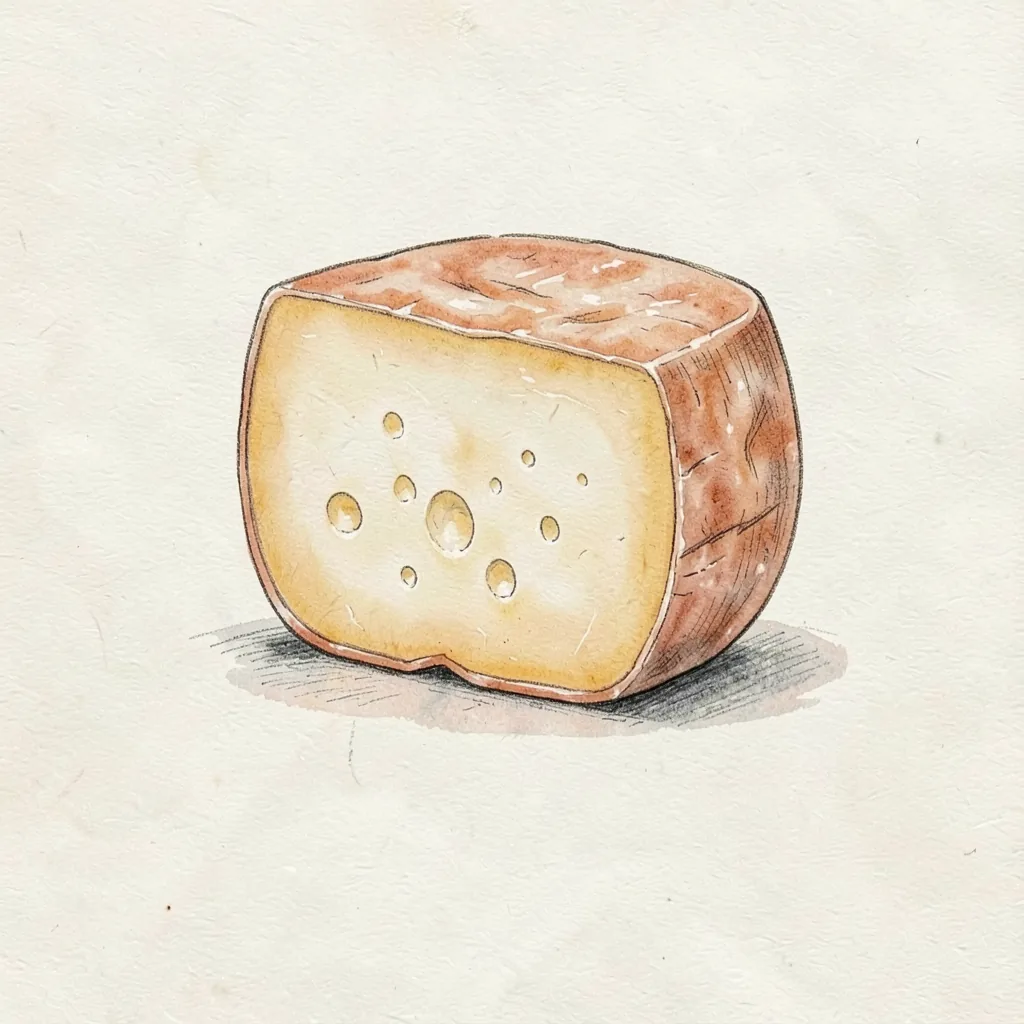
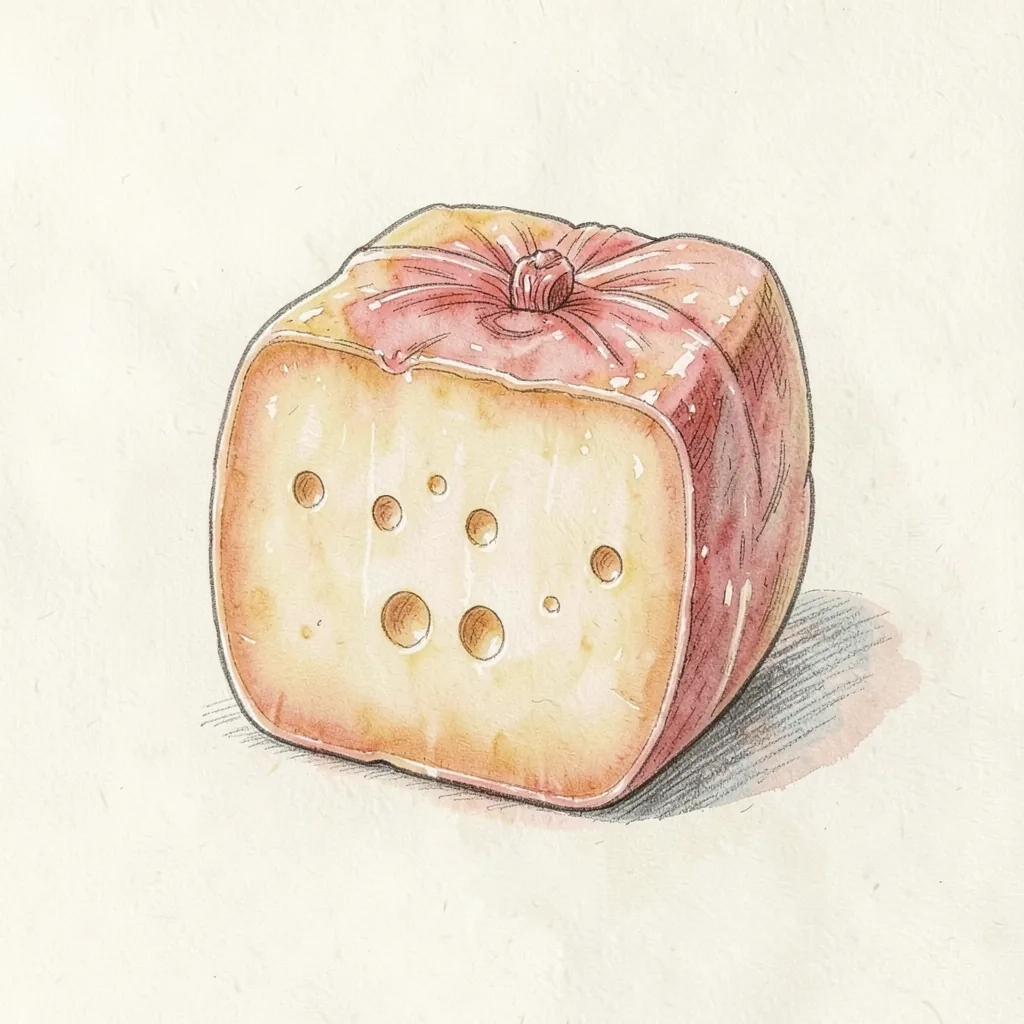
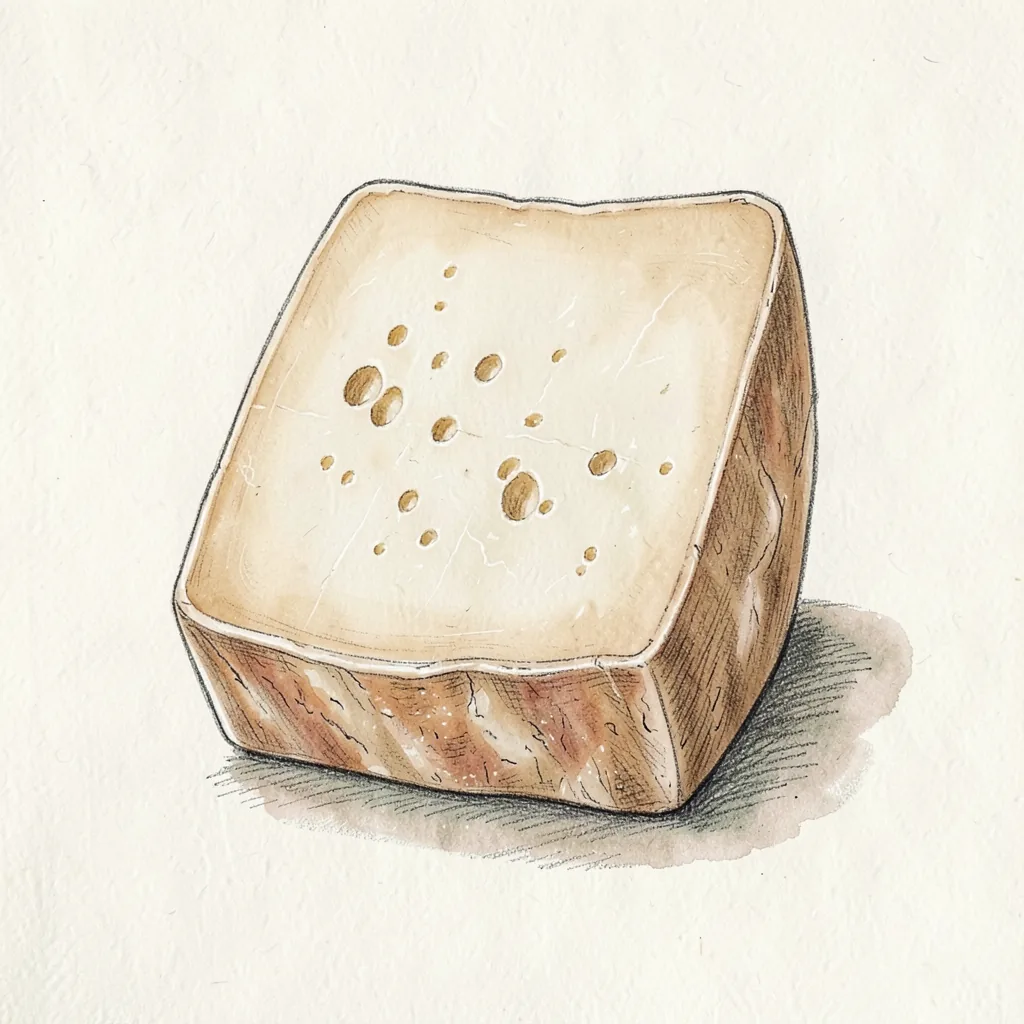
It is made from cow's milk and shaped in small bricks with a moist orange rind. The smell is famously strong, while the paste inside is milder than that smell suggests. Salt, moisture, and the washed surface define it more than a sharp aged bite. Shops sell it for bread and hearty plates, not as a hard cheese for grating.
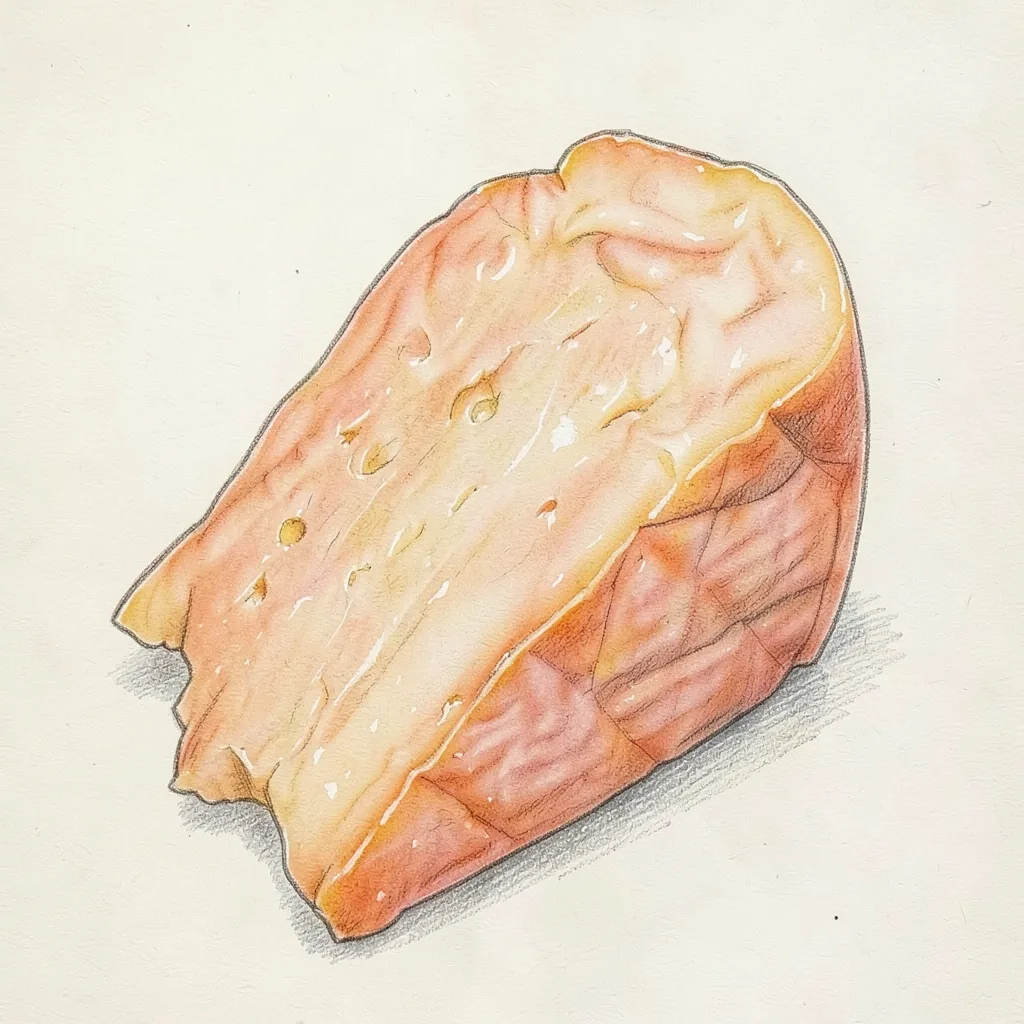
The name points to Limburg, and the cheese sits in a northern European washed-rind tradition. Makers in Germany and in the United States also produce it, often in the same small brick. A young piece is firmer and quieter on the nose. A ripe piece softens, smells louder, and spreads with a knife. People who enjoy the rind eat it, while others trim the stickiest edge and keep the paste.
History
Washed-rind cheeses of this kind grew where dairies salted small forms and washed the surfaces as they ripened. Limburger took its name from Limburg and became a strong example linked with the Netherlands. The aroma made the cheese easy to recognize, even for people who never bought a piece. Accounts treat it as a regional dairy cheese rather than the work of one famous maker. The brick shape and the washed rind stayed steady while production spread.
As trade widened, German dairies and later American dairies made the same style for local customers. Eaters who already knew strong European cheeses were the first steady buyers in those places. Jokes about the odor followed the cheese into sandwich shops and newspaper columns. The jokes have a basis, but they hide a paste that is savory and satisfying with bread. Limburger remained a specialty choice rather than a mild slice for every sandwich.
How it is made
Cheesemakers set cow's milk, cut the curd, and drain it into small rectangular forms. The young cheeses are salted, which seasons the paste and prepares the surface. During ripening, workers wash the rind so a smear of bacteria can develop. That smear turns the rind moist and orange to red, and it builds the strong smell. The interior stays pale yellow and grows softer and more aromatic as ripening continues.
Washing is repeated over the life of the cheese, and the bricks are kept moist while the smear grows. A shorter ripening leaves a firmer paste and a lighter aroma. A longer ripening softens the center and deepens the savory taste under the rind. There is no blue veining and no white bloomy coat on this cheese. The finished brick is wrapped so the sticky surface does not dry before it is sold.
Taste
The rind smells pungent and yeasty, sometimes with a barny note that people compare to damp socks. That first blast is what most newcomers notice before they taste anything. The paste is salty, savory, and full, with a softer tang than the rind threatens. A young brick is milder and still easy to slice. A ripe brick turns spoonable near the center and tastes meaty and long on the palate.
Bitterness is a fault, not a quality to seek in a good brick. A successful piece balances salt and savor with a creamy feel on the tongue. The rind tastes stronger than the center, so a bite of both is louder than paste alone. Cold dulls the aroma a little, and room temperature lets it come forward. Eaters who dislike strong rinds will not change their mind with a bigger portion.
In the kitchen
A classic plate is firm bread, Limburger, slices of raw onion, and a dab of mustard. Dark rye stands up to the salt and the aroma better than a soft white loaf. A ripe piece can be spread, while a younger piece is better sliced. The cheese can also melt inside a sandwich when you want savor without a long board. Start with a small amount until you know how strong that particular brick is.
Do not set Limburger next to delicate foods that it will drown. Pickles, onion, and sharp mustard match it better than mild fruit does. On a shared board, give it a separate knife so the smear does not mark every other cheese. Cooking softens the shock of the rind, but it does not make the cheese bland. Wrap leftovers well, because the aroma moves through a refrigerator and into other foods.
Around the world
Limburger is known in the Netherlands and is widely made in Germany, where the small brick is a familiar strong cheese. The United States also produces it for shoppers who want this European style at home. Ordinary markets in those countries may stock it, especially shops with a good cheese case. Visitors tend to remember the smell before they remember the label. A first taste should be a small bit of paste on bread, not a piece that is mostly rind.
When Limburger is missing, other washed-rind cheeses can take its place with some change in strength. Liederkranz is an American cheese in a similar strong style and a fair kitchen swap. Brick cheese is milder and suits people who want a sandwich cheese without the full aroma. Munster shares the smear rind and a savory paste, but it is not the same brick. None of these should be confused with a mild slicing cheese that only feels soft.