Sheep
What it is
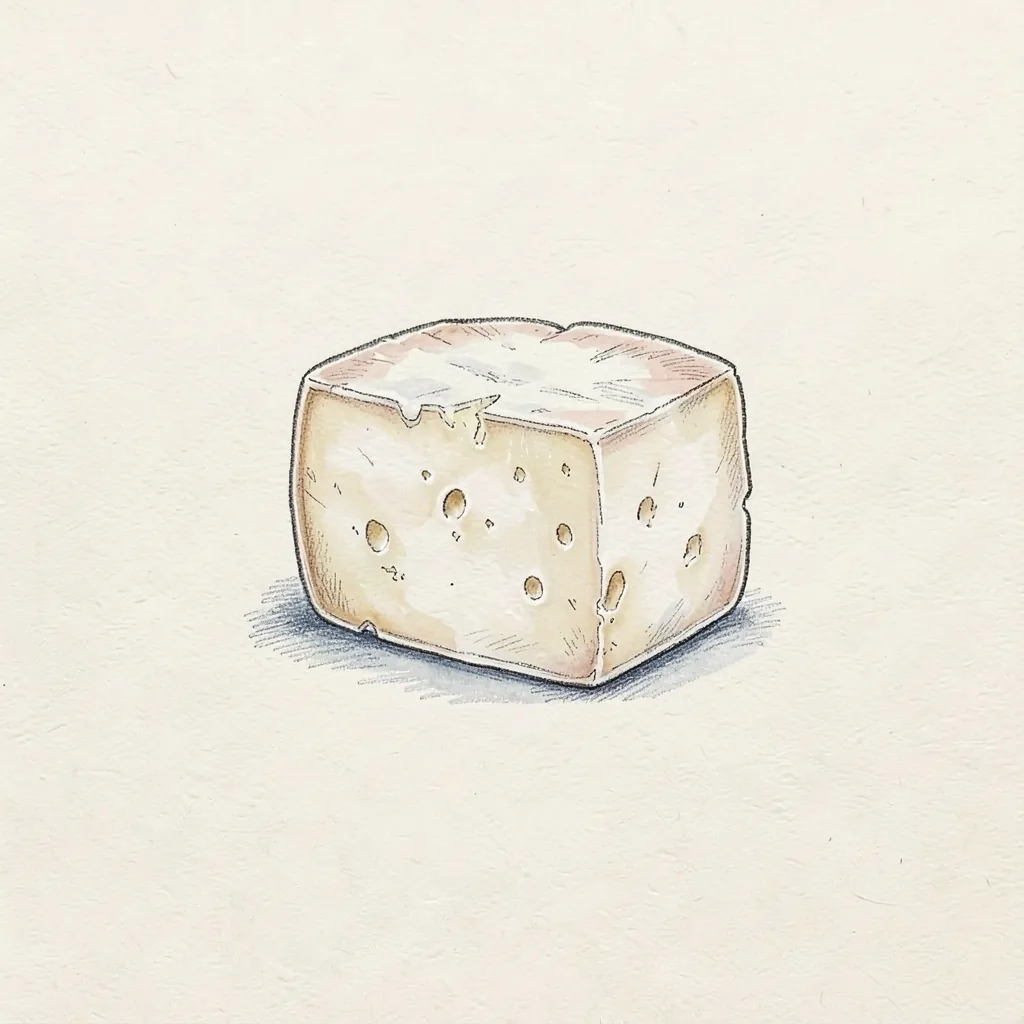
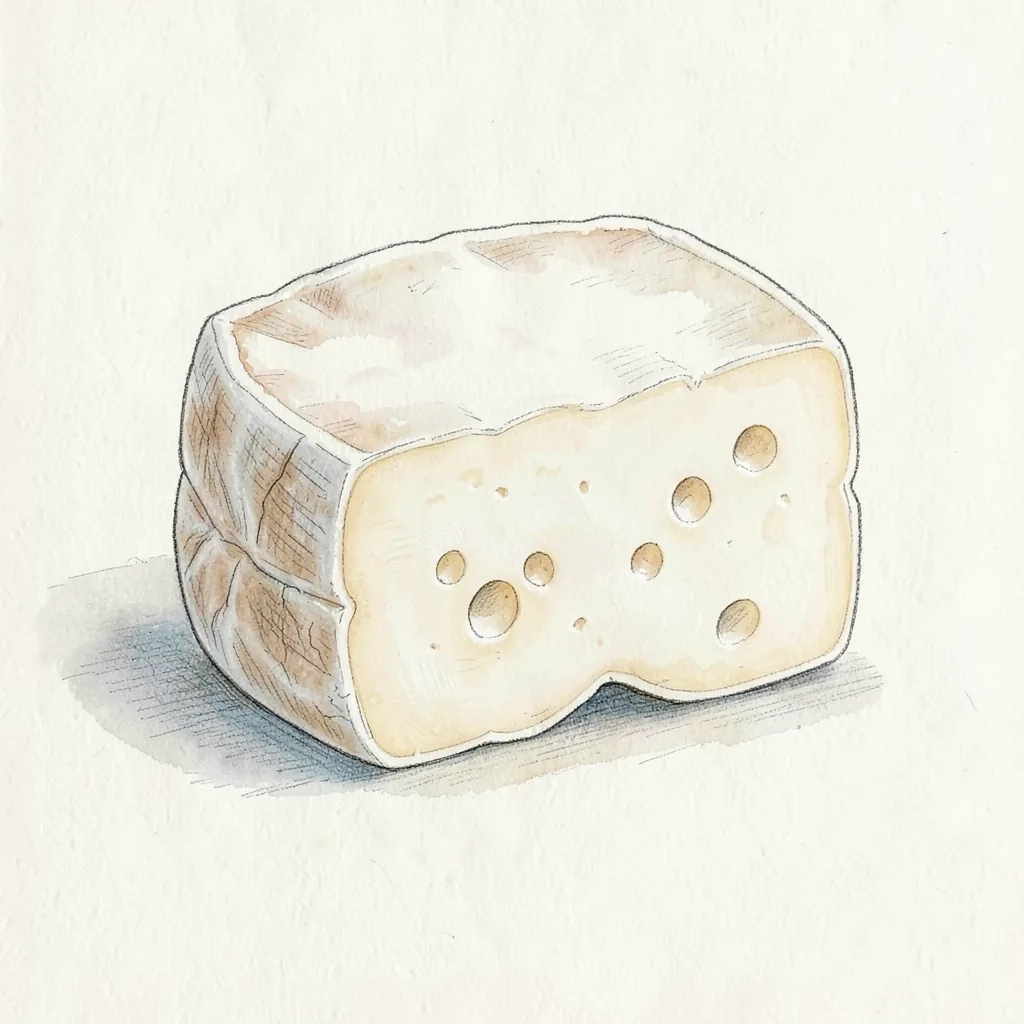
It begins as a white cheese kept in brine, in the broad family of Balkan sirene. Wooden casks and the air of its home area let that mold grow after the casks are opened. The interior stays pale, while the outside turns green. The taste is sharp and hotter than a plain white brine cheese.
Cherni Vit is not a supermarket cheese. Production stays very small, and it is not sold in ordinary shops. A piece is soft and dense, with a strong aroma and a pale paste under the green crust. People who know it treat the mold as part of the cheese, not as a sign to throw the batch away. Most eaters meet it through rare tastings rather than through a grocery aisle.
History
Cherni Vit is the Bulgarian name for a sheep's milk brine cheese that grows a green crust in wooden casks. Makers in its home area produced it for a long time before it became known farther away. Many people once thought the mold meant the batch had spoiled, so they scraped it off or discarded the cheese. Others left the crust and came to prefer the sharper taste. The cheese grew rare when wooden casks gave way to containers that do not breathe.
Later interest from outside the area brought attention back to the green cheese, but it did not become a factory product. The method still depends on local sheep's milk, wooden casks, and the conditions of that part of Bulgaria. Stirring mold into a shop-bought sirene will not recreate it. Supply remains small, and ordinary shops do not carry it. If someone offers a piece, ask how it was kept, because the name belongs to this cheese and not to every white cheese with a colored surface.
How it is made
Makers set sheep's milk with rennet and cut the curd after it firms. The curd is drained under pressure, cut into pieces, and salted, then layered in a wooden cask and covered with brine. The closed cask holds the cheese as a white brine cheese. The green crust is not mixed in at the start. It appears later, after the cask is opened and the cheese meets air.
Wood lets some of the brine leave the cask slowly, which changes the surface of the cheese. Once the cask is opened, a green mold crust forms on the pale paste. That crust is the mark people look for on Cherni Vit. The interior stays soft and light in color. Plastic containers do not give the same result, which is why the wooden cask matters, and this is not a method for an ordinary home kitchen.
Taste
The smell is strong, rich, and more complex than a plain sirene. Flavor often starts sharp and nutty, then grows hotter as the cheese ages. Salt from the brine is always part of the bite. The green crust tastes earthy and moldy, while the pale center is a little gentler. Eaten together, the two parts feel dense and savory rather than creamy or sweet.
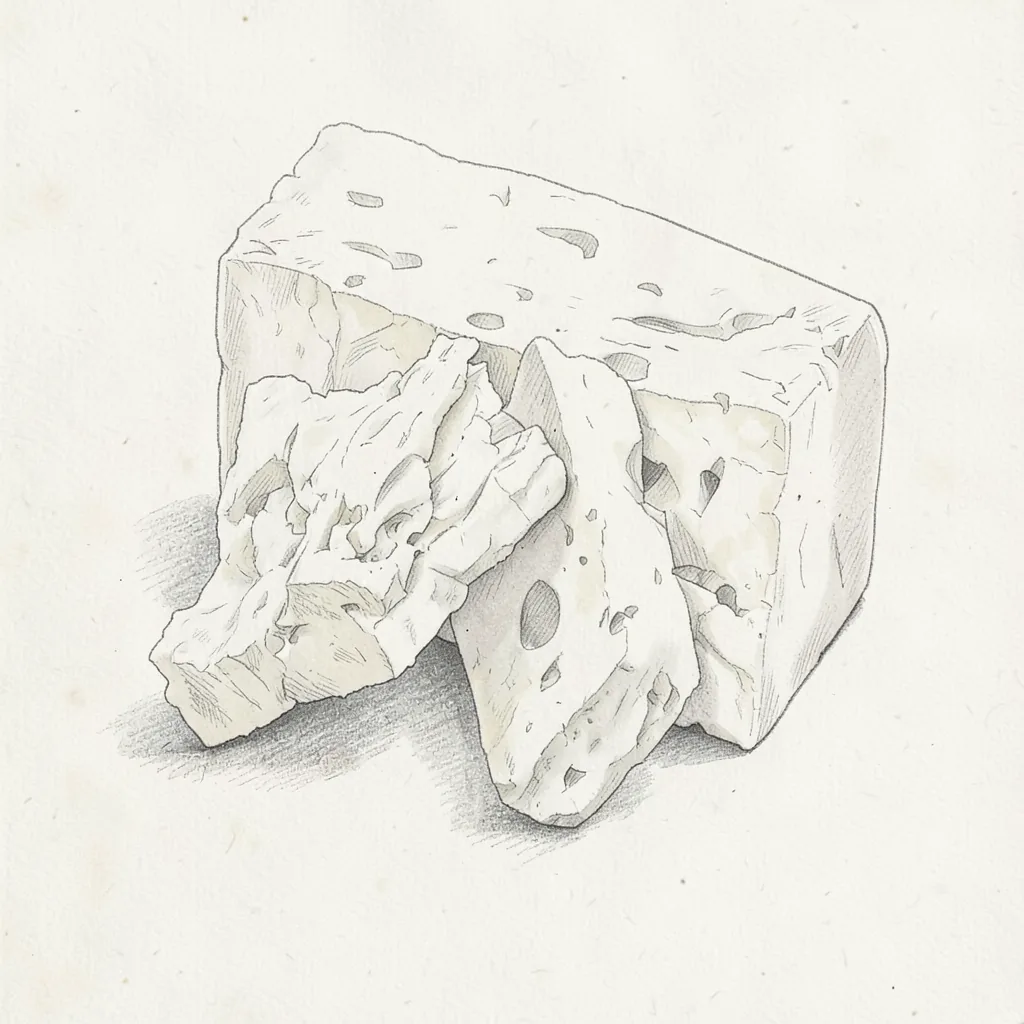
A piece with a thin young crust is easier if you are new to mold on a brine cheese. An older piece is sharper and more aromatic, and a small bite is enough. The texture stays very soft, which can surprise people who expect a hard aged wheel. It is not crumbly like a dry pecorino, and it is not a blue with dark veins through the whole paste. The color stays mainly on the crust, and the finish is hot rather than sweet.
In the kitchen
Eat Cherni Vit in small pieces with plain bread, so the salty paste and the green crust can be tasted clearly. It can sit on a board next to mild foods, but it should not be covered with strong spices. Heat is not the point of this cheese. Cooking would mute the crust and waste something that is hard to replace. If you have a piece, treat it as a tasting cheese rather than as shreds for a casserole.
Do not build a week of meals around Cherni Vit unless the piece is already in your kitchen. Ordinary shops do not stock it, and a substitute will not grow a green crust in the pan. For a salty sheep's milk cheese in a salad, Bulgarian sirene is the practical choice. A blue cheese can suggest moldy sharpness, but it will taste different and look different. Keep any real piece cold, wrapped, and apart from mild foods, because the aroma moves.
Around the world
Cherni Vit is little known outside Bulgaria, and even inside the country it is not a normal shop cheese. Stories about the green crust travel farther than the cheese itself. You should not expect it on a supermarket counter in another country. A white brine cheese with herbs pressed onto the surface is not the same thing. The green color here is mold that forms through the cask method, not a dye and not a herb coat.
Sirene is the cheese to buy when you want the Bulgarian brine style without the green crust. Bryndza can also stand in for a salty, tangy sheep's milk cheese on bread or in a salad. Neither one copies the mold, and feta is a more distant brined white cheese that usually tastes milder. If Cherni Vit is offered for sale, take it only from a seller who can explain how it was kept. The cheese is real, and it is also rare, so a vague label is not enough.