Sheep
What it is
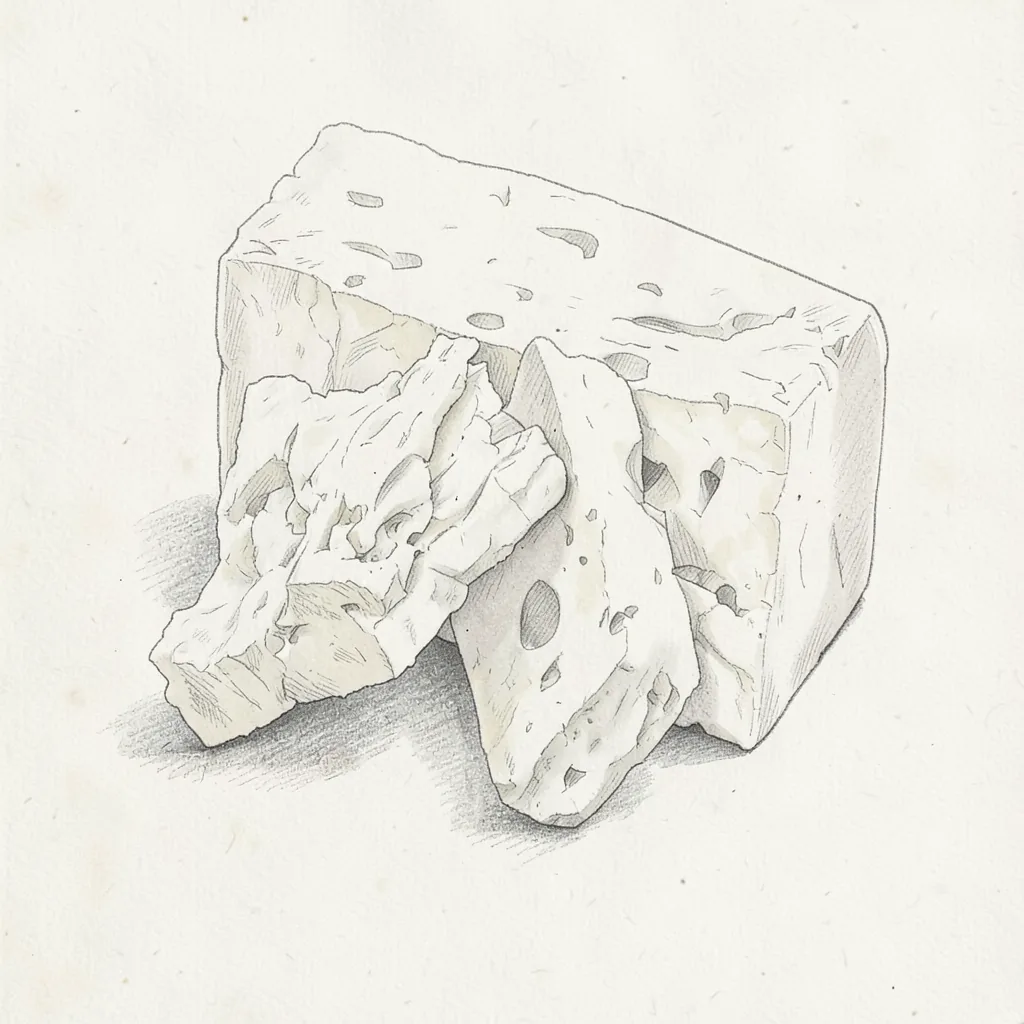
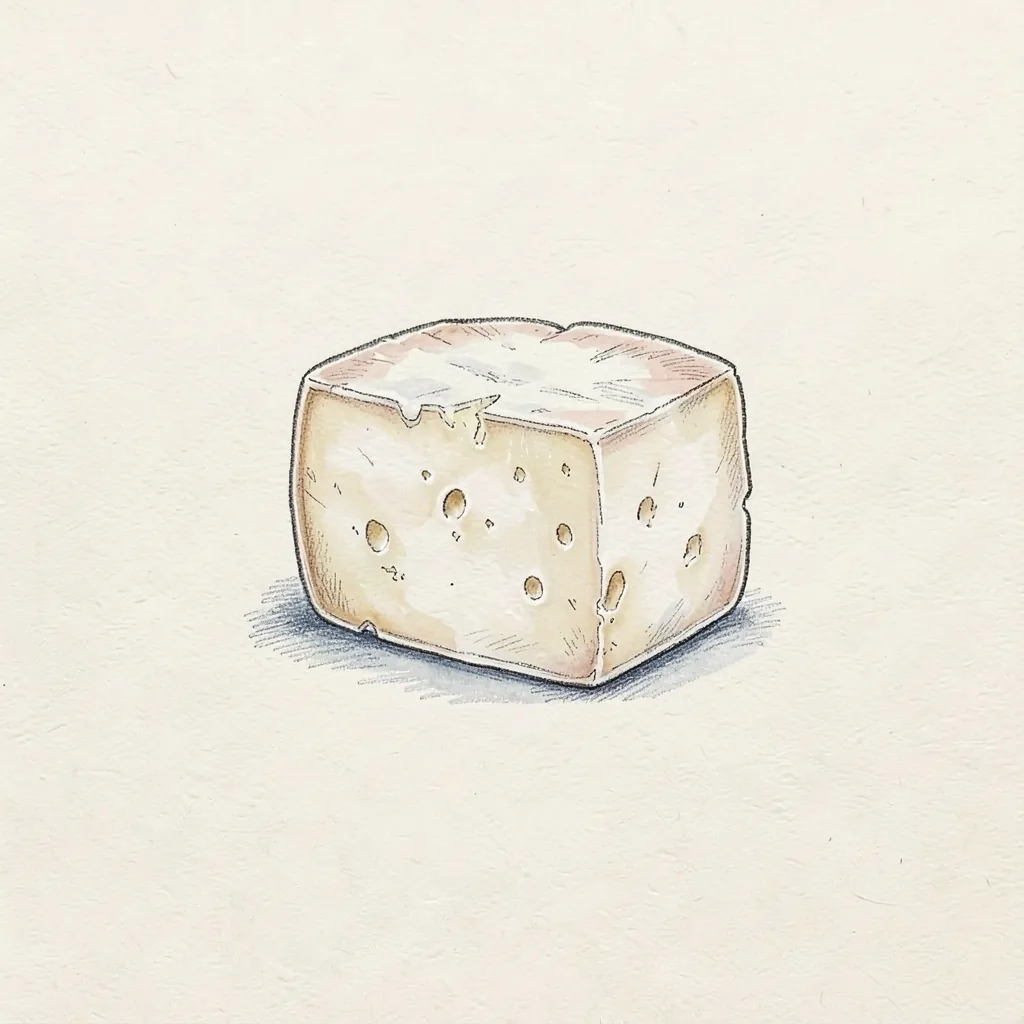
The paste is white, crumbly, and salty, and it spreads more easily than it slices. Makers crumble a fresh sheep cheese, salt it, and work it into a moist mass that is often sold from a tub. The taste is tangy and sharp rather than mild or buttery. It belongs in savory cooking as much as it belongs on bread.
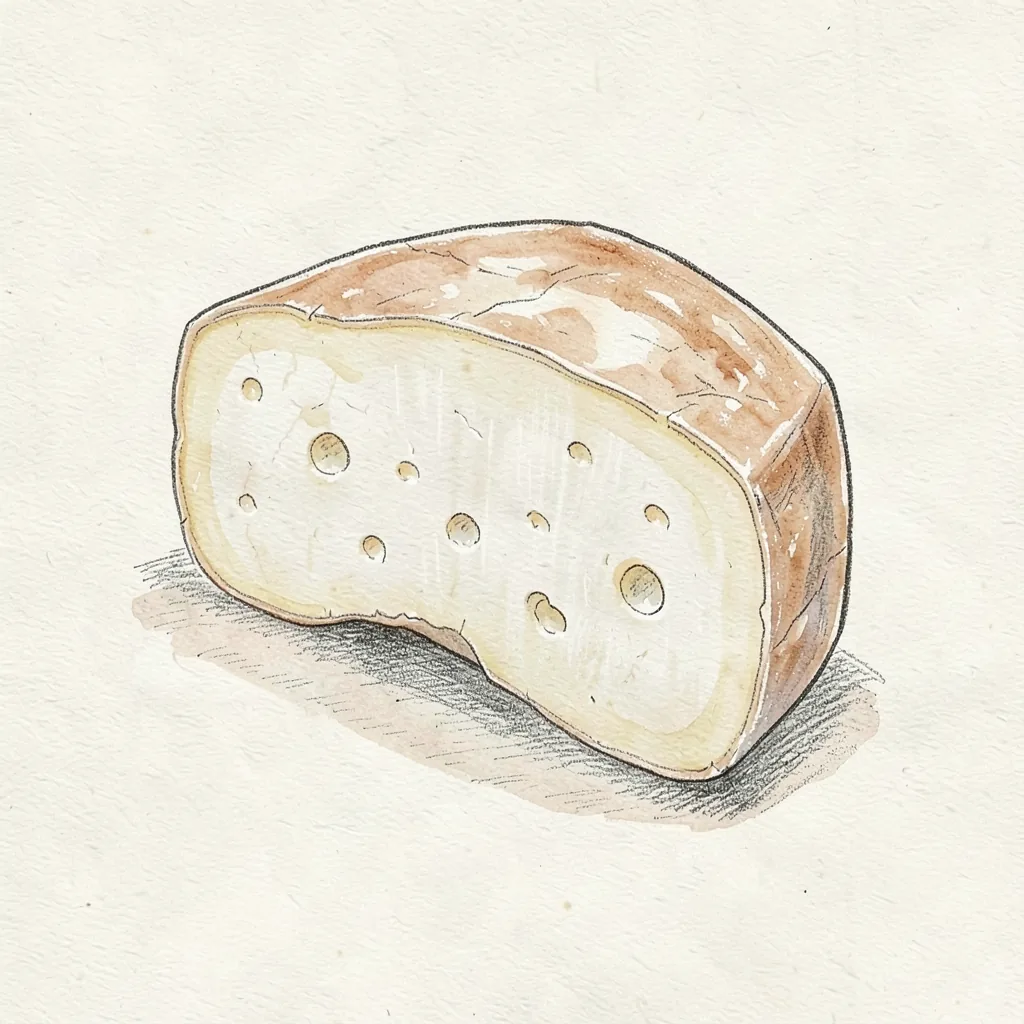
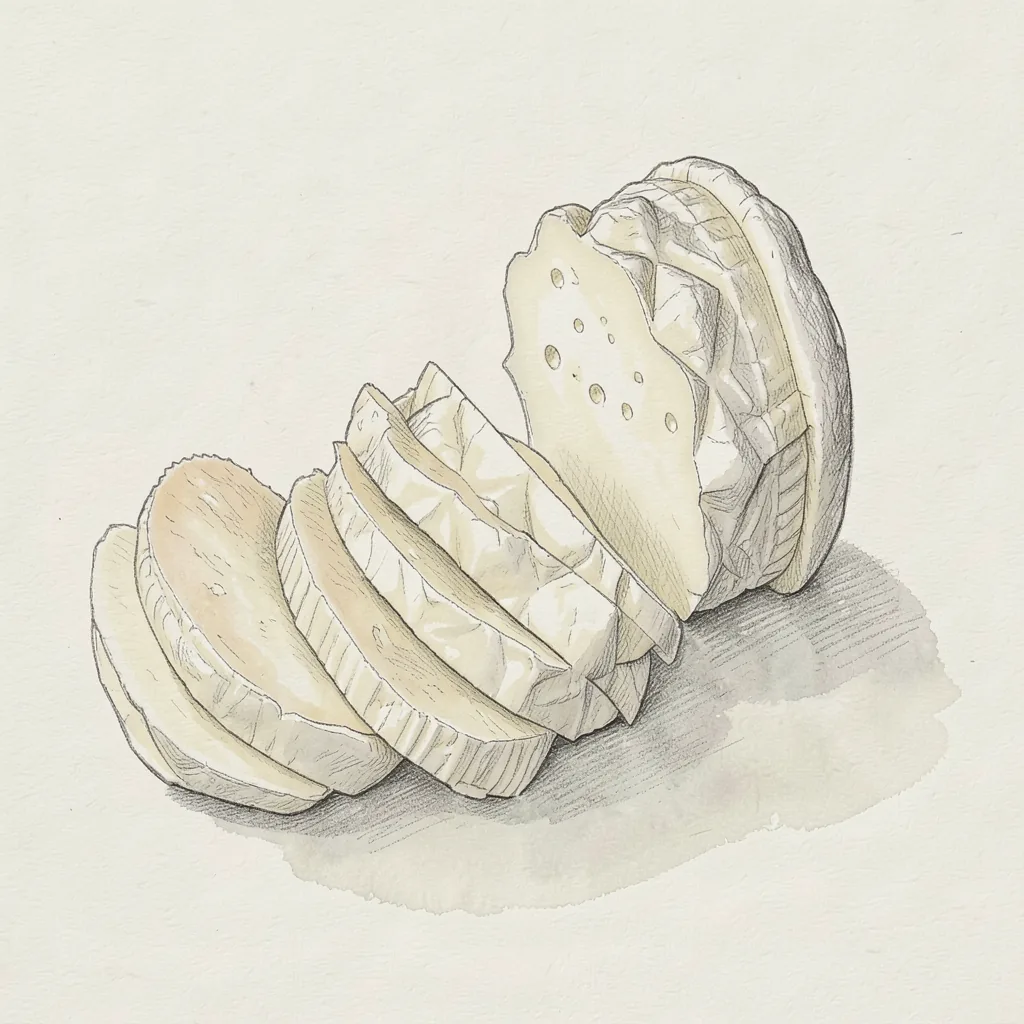
A good tub looks moist and slightly grainy, not dry and dusty and not glossy like a cooked spread. Sheep's milk is the flavor you should notice first, ahead of any spice a cook adds later. The cheese is strong enough to season potatoes and dumplings on its own. It is not a wheel with a rind, and it is not a cheese you shave into thin curls. In Poland it is a normal cooking ingredient, while in many other shops it is a specialty tub.
History
The cheese grew up with sheep keeping in the mountains of Central Europe, and Polish cooking knows it well. Herders turned fresh sheep's milk curd into a salted crumble that would keep longer than the fresh curd alone. That practical step is the heart of the style, not a single branded recipe from one dairy. Neighboring countries kept parallel versions under the same broad name. A tub in one country can be saltier or tangier than a tub in the next, and both can still be bryndza.
Bryndza Podhalańska is a Polish mountain cheese with its own name and its own expectations, while a label that only says bryndza can mean the wider family. The shared idea is crumbled sheep's milk cheese, salted and soft. Bundz is an earlier fresh sheep cheese in that Polish sequence, milder before it is worked into this crumble. Knowing those names keeps you from buying the wrong tub. The story is pastoral and shared across borders, and it does not depend on one famous dairy or one town.
How it is made
Traditional bryndza starts with fresh sheep's milk cheese that is crumbled, salted, and milled until it turns soft and spreadable. The work is grinding and salting more than pressing a large wheel for long storage. Some batches are left to sour slightly so the tang rises and the crumb tastes livelier. There is no rind to wash and no surface mold to encourage. The finished mass is packed while it is still moist, and a dry, cracked crumble has lost the texture cooks want.
Modern dairies put the same style into tubs and keep the salt high enough that the flavor stays bright. Sheep's milk should lead, even when a shop batch is not identical to cheese from a mountain hut. The cheese is not stretched, not smoked, and not held in a brine bath like a block of white cheese. You should be able to press it with a spoon and see it yield. If the label is vague, a moist white crumble is the practical sign to trust in the shop.
Taste
Expect salt, tang, and a clear sheep's milk flavor, with a crumb that feels moist on the tongue. The smell is fresh and a little sharp, closer to a young white cheese than to a washed rind. A very sour, yeasty, or ammonia smell means the tub has gone too far. Good bryndza tastes clean even when it is strong. Spread a little on bread before you salt a whole pot of potatoes, because the cheese already carries plenty of salt for the dish.
The texture is part of the taste, and the soft grains give way on the tongue, then leave a salty finish. It is sharper than a fresh unsalted curd and gentler than a long-aged grating cheese. Peppery or spicy notes usually come from what you add, not from the cheese itself. A bitter edge is a fault, not a sign of age you should prize. If the tub smells only of the fridge, the sheep's milk character is tired and will not season a dish well.
In the kitchen
Stir bryndza into warm potatoes, fold it into dumplings, or spread it on bread with raw onion. It softens with heat but does not become a stretchy melted sheet, so it is a poor stand-in for a pizza cheese. Crumble it over a salad when you want salt and tang without reaching for an aged grating cheese. In Poland it shows up in home cooking more often than on a formal board. Use it as a seasoning that happens to be cheese, and let the tang do the work.
Taste the tub before you salt the pan, because a heavy extra pinch is the usual mistake. The cheese is already seasoned, and potatoes or dumplings will take that salt quickly. Add it late in a hot dish so it warms through and stays a little grainy rather than disappearing. On bread, chopped onion gives crunch against the tang and the sheep's milk flavor. Keep the tub covered and cold, finish it while the smell stays fresh, and discard it if the whole tub smells dirty and sour.
Around the world
Shoppers meet the same broad name in more than one country, and the tubs are not identical. Slovak cooking uses bryndza on potato dumplings, and Polish cooking uses it in savory dishes of the same family. The sheep's milk crumble is the link between those plates. Liptauer often starts from this cheese, then adds butter and spices, so it is a preparation rather than the plain cheese. Read both labels if they sit side by side, because one is cheese and the other is already a flavored mixture.
Bundz is the fresh sheep's milk cheese that can be turned into bryndza, and it is milder before the salting and milling. Bryndza Podhalańska is the Polish mountain version with a tighter identity than a generic tub from another country. Feta or sirene can cover a salad when bryndza is absent, but both are brined cheeses with a wetter cut and a different salt balance. None of those swaps will imitate the soft milled crumb exactly. Buy the real tub when a recipe depends on this tang.